Description
API 6A Wellhead Cross for High-Pressure Wellheads, Christmas Trees & Sour Service
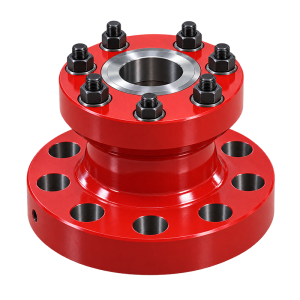
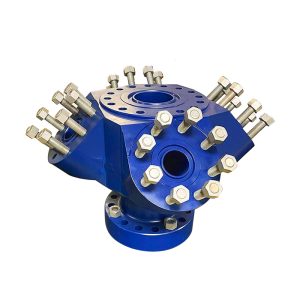
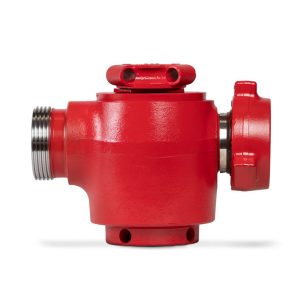
SGPE manufactures and supplies API 6A Wellhead Crosses for surface wellheads and Christmas Trees used in oil production, natural gas wells, water and gas injection, high-pressure service, sour wells, well testing, workover and brownfield replacement projects.
Our range includes Studded Wellhead Crosses, Flanged Wellhead Crosses, Tree Crosses, Forged Cross Blocks, Sour Service Crosses, CRA-protected Crosses and custom replacement designs. Typical rated working pressures cover 2K, 3K, 5K, 10K and 15K, with equal-bore or reduced-outlet configurations and flanged, studded or mixed connection arrangements.
An API 6A Wellhead Cross forms a four-way pressure-containing junction within the Christmas Tree. The vertical bore maintains the main production and well-access path, while two opposing side outlets normally connect the production wing and the kill or service wing. This arrangement supports production flow, circulation, pressure equalization, water or gas injection and selected well-servicing operations.
Available configurations can incorporate API 6A Type 6B or Type 6BX connections, R/RX/BX ring joints, forged low-alloy steel bodies, API 6A material and temperature classes, project-specific PSL requirements, NACE MR0175 / ISO 15156 sour-service requirements and CRA protection.
For new Christmas Tree projects, SGPE can review the bore arrangement, wing sizes and mating connections before manufacturing. For 10K or 15K Tree Crosses, Sour Service Wellhead Crosses and replacement Christmas Tree Crosses, our engineering team can also work from existing drawings, nameplate data, mating valves, ring grooves, photographs and verified field dimensions to confirm compatibility with the actual wellhead system.
What Is an API 6A Wellhead Cross?
An API 6A Wellhead Cross is a pressure-containing component installed within a surface wellhead or Christmas Tree.
A typical Cross has two opposing vertical connections along the wellbore axis and two opposing horizontal outlets. The vertical run connects the lower and upper tree sections and keeps the main production and well-access path open through the Christmas Tree.
One horizontal outlet normally connects to the production wing valve. During production, oil, natural gas or multiphase fluid passes through this side toward the production choke, flowline, well test equipment or gathering system.
The opposite outlet normally connects to the kill wing valve or service wing. Operators can use this side for well-kill fluid, circulation, pressure equalization, water or gas injection and other service operations.
Because the Cross forms part of the wellhead pressure boundary, its rated working pressure, vertical bore, wing bores, connection types, ring grooves, material class, temperature class and PSL must be compatible with the surrounding API 6A equipment.
In oilfield RFQs, the same general product family may also appear as an API 6A Tree Cross, Christmas Tree Cross, X-mas Tree Cross, Studded Cross, Flanged Cross, Forged Cross, Wellhead Cross Block, Four-Way Wellhead Cross, Production Tree Cross or High-Pressure Tree Cross.
These names do not automatically mean that two Crosses are interchangeable. A unit with the same nominal bore and working pressure can still use different side outlets, ring grooves, stud patterns or center-to-face dimensions.
API 6A Wellhead Cross Specifications
| Product Parameter | Typical SGPE Range / Option |
|---|---|
| Product | API 6A Wellhead Cross |
| Alternative Names | Tree Cross, Christmas Tree Cross, Studded Cross, Flanged Cross, Cross Block |
| Applicable Standard | API Specification 6A |
| Industry | Upstream Oil & Gas |
| Rated Working Pressure | 2K / 3K / 5K / 10K / 15K |
| Main Function | Four-way pressure-containing wellhead connection |
| Common Bore Families | 1-13/16″, 2-1/16″, 2-9/16″, 3-1/16″, 3-1/8″, 4-1/16″, 5-1/8″ |
| Bore Configuration | Equal bore, reduced outlet or custom |
| Body Construction | Forged pressure-containing body |
| Typical Body Material | Project-approved AISI 4130 or equivalent low-alloy steel where suitable |
| Connection Style | Flanged, studded or mixed |
| API Connection Family | Type 6B / Type 6BX where applicable |
| Ring Joint | R / RX / BX according to mating connection |
| Material Class | According to API 6A and project service |
| Temperature Class | K / L / N / P / S / T / U / V |
| PSL | According to applicable API 6A and purchaser requirements |
| Sour Service | NACE MR0175 / ISO 15156 where specified |
| CRA Protection | Available for selected retained fluid-wetted areas or ring grooves |
| NDE | UT / MT / PT according to project requirements |
| PMI | Available when specified |
| Pressure Testing | According to applicable API 6A and approved project requirements |
| Third-Party Inspection | Supported according to agreed ITP |
| Custom Manufacturing | Available from approved project drawings |
| Replacement Service | Supported from drawings and verified field dimensions |
Final specifications depend on the approved project data sheet, manufacturing drawing and purchase order.
API 6A Wellhead Cross Pressure Ratings and Bore Sizes
Rated working pressure is one of the first specifications to confirm when selecting an API 6A Cross.
| Pressure Class | Rated Working Pressure | Metric Rating | Typical Application |
|---|---|---|---|
| 2K | 2,000 psi | 13.8 MPa | Lower-pressure production and mature-field wellheads |
| 3K | 3,000 psi | 20.7 MPa | Conventional production and injection systems |
| 5K | 5,000 psi | 34.5 MPa | Production trees and injection wellheads |
| 10K | 10,000 psi | 69.0 MPa | High-pressure oil and gas Christmas Trees |
| 15K | 15,000 psi | 103.5 MPa | Severe high-pressure gas and specialized production service |
Typical RFQs cover configurations such as a 5K Wellhead Cross, 10K Christmas Tree Cross, 3-1/16″ 10K Tree Cross, 4-1/16″ 10K Wellhead Cross or 15K Studded Cross.
The pressure rating alone does not define the component. Two 10K Crosses can use different vertical bores, production wings, service outlets, connection families and installation dimensions.
A reliable quotation therefore starts with the complete connection arrangement rather than the pressure class alone.
Common API 6A Wellhead Cross Bore Sizes
| Main Bore | Typical RFQ Description |
|---|---|
| 1-13/16″ | 1-13/16 API 6A Wellhead Cross |
| 2-1/16″ | 2-1/16 Wellhead Cross / Studded Tree Cross |
| 2-9/16″ | 2-9/16 Christmas Tree Cross |
| 3-1/16″ | 3-1/16 High-Pressure Wellhead Cross for applicable 5K / 10K / 15K configurations |
| 3-1/8″ | 3-1/8 API 6A Tree Cross |
| 4-1/16″ | 4-1/16 High-Pressure Wellhead Cross |
| 5-1/8″ | 5-1/8 Tree Cross for applicable configurations |
For example, a 3-1/16″ 10K Wellhead Cross can retain a 3-1/16″ main vertical bore while using smaller production and kill/service outlets.
When requesting a quotation, identify the main vertical bore, production wing bore, kill/service wing bore, upper connection and lower connection.
Exact dimensions should follow the applicable API 6A configuration and the approved manufacturing drawing rather than a generic dimensional assumption.
API 6A Studded and Flanged Wellhead Cross Connections
Connection style affects the Christmas Tree envelope, sealing geometry and compatibility with the surrounding master and wing valves.
| Connection Option | Main Feature | Typical Application |
|---|---|---|
| Studded Connection | Threaded stud holes machined directly into the Cross face | Compact production and gas trees |
| Flanged Connection | Integral API flange interface | Conventional production and injection trees |
| Mixed Connection | Studded and flanged interfaces on the same body | Custom and brownfield replacement |
| Type 6B | API connection using compatible R or RX ring joints | Applicable size/pressure combinations |
| Type 6BX | API connection using BX ring joints | Applicable higher-pressure combinations |
| CRA-Protected Ring Groove | Corrosion-resistant protection on selected sealing surfaces | Sour or corrosive service |
API 6A Studded Wellhead Cross
An API 6A Studded Wellhead Cross has threaded stud holes machined directly into one or more connection faces.
The mating valve connects directly to the studded face, which can reduce the overall height or width of the Christmas Tree and provide a compact valve-to-Cross interface.
Studded designs are frequently used in high-pressure production trees, natural gas wellheads, compact Christmas Trees, offshore surface wellheads, sour-service trees and replacement projects.
The four connections do not have to be identical. A Tree Cross can use one bore size through the vertical run, smaller wing outlets and different connection styles on the upper, lower and side faces.
When replacing an existing Studded Cross, the RFQ should include the stud pattern, thread specification, ring groove, bore sizes and center-to-face dimensions. Clear photographs of the installed equipment are also useful when the original manufacturing drawing is unavailable.
API 6A Flanged Wellhead Cross
An API 6A Flanged Wellhead Cross uses integral flange interfaces around the vertical run and horizontal outlets.
These flanges can connect to compatible master valves, production wing valves, kill wing valves and upper Christmas Tree equipment.
Flanged Crosses are widely used on oil production trees, natural gas wellheads, injection systems, well testing equipment and replacement Christmas Trees.
Some tree layouts use flanges on all four sides. Other projects combine flanged vertical interfaces with studded wing connections or use the opposite arrangement.
This flexibility is particularly useful in mature-field replacement work because the new Cross can be engineered around the installed valves instead of forcing the operator to replace otherwise serviceable surrounding equipment.
Type 6B, Type 6BX and Ring Joint Selection
API 6A Wellhead Crosses can use Type 6B or Type 6BX connections according to the applicable nominal size and pressure combination.
| Connection Family | Typical Application | Ring Joint |
|---|---|---|
| Type 6B | Applicable conventional wellhead size/pressure combinations | R or RX |
| Type 6BX | Applicable higher-pressure wellhead and Christmas Tree combinations | BX |
| Large-Bore Type 6BX | Selected applicable large-bore combinations | BX |
Type 6B and Type 6BX connections should not be treated as interchangeable simply because two flanges appear to have similar outside dimensions.
The connection family affects the mating geometry, ring groove and bolting arrangement. These details become particularly important when sourcing a 10K or 15K Tree Cross for an existing Christmas Tree.
The ring-joint designation should therefore be included in the RFQ whenever it is known.
Ring Gasket and Ring Groove Options
| Sealing Item | Typical Application |
|---|---|
| R Ring Gasket | Compatible Type 6B connection |
| RX Ring Gasket | Compatible Type 6B connection |
| BX Ring Gasket | Applicable Type 6BX connection |
| Standard Ring Groove | Machined for the specified mating connection |
| CRA-Protected Ring Groove | Used where corrosion-resistant protection is required |
| Replacement Groove Matching | Based on the actual connection and ring designation |
For replacement work, an actual ring designation provides much more useful engineering information than an outside flange measurement alone.
Forged API 6A Wellhead Cross Construction
A Forged API 6A Wellhead Cross carries pressure through intersecting vertical and horizontal bores. Reliable mechanical properties and accurate machining are therefore critical to the finished component.
SGPE manufactures forged Crosses from project-approved materials and controls the component through material identification, heat treatment, CNC machining, dimensional inspection and pressure testing.
The machining process forms the main bore, horizontal outlets, flanged or studded faces, ring grooves and stud-hole patterns.
Critical features include bore alignment, center-to-face dimensions, ring-groove geometry, connection faces and stud-hole positions. A dimensional error in any of these areas can affect installation, sealing or alignment with the adjacent Christmas Tree equipment.
Forged construction is suitable for many 5K, 10K and 15K Wellhead Crosses, including equipment for high-pressure gas wells, sour-service production and offshore surface wellheads.
API 6A Wellhead Cross Materials and Service Conditions
For suitable projects, SGPE commonly evaluates AISI 4130 or equivalent low-alloy steel forgings for the pressure-containing body.
However, specifying only “AISI 4130” does not completely define the material requirement for an API 6A Wellhead Cross.
The final selection also depends on mechanical properties, heat treatment, material class, rated working pressure, service temperature and actual well-fluid conditions.
| Material / Service Factor | Information Required |
|---|---|
| Base Material | Operator/EPC or approved project specification |
| Mechanical Properties | According to design and project requirements |
| Heat Treatment | According to approved material condition |
| Material Class | According to general or sour-service requirements |
| Minimum Temperature | Lowest project environmental temperature |
| Maximum Fluid Temperature | Highest retained-fluid temperature |
| Sour Service | H2S conditions and material requirements |
| Corrosive Service | CO2, chlorides, produced water and fluid chemistry |
| CRA Requirement | Alloy, protected area and inspection requirements |
API 6A Material Classes
General-service projects can use the applicable AA, BB or CC material class, while sour-service applications can require DD, EE, FF or HH according to the approved project specification and service environment.
Material class alone does not establish complete sour-service suitability.
For H2S-containing wells, the material review should also consider available data for H2S partial pressure, CO2 concentration, temperature, pH, chlorides and produced-fluid chemistry.
Providing actual service conditions gives the engineering team a much stronger basis for material review than simply writing “sour service” on the RFQ.
Sour Service API 6A Wellhead Cross for H2S Wells
SGPE manufactures Sour Service API 6A Wellhead Crosses for H2S-containing oil and gas wells according to approved project requirements.
These products may appear in purchasing documents as an H2S Wellhead Cross, Sour Service Tree Cross, Sour Gas Christmas Tree Cross, 10K Sour Service Wellhead Cross, 15K H2S Tree Cross or NACE Wellhead Cross.
Sour-service equipment requires close control of material selection, heat treatment, mechanical properties and hardness.
Where specified, the project can incorporate applicable NACE MR0175 / ISO 15156 requirements.
A meaningful technical review should include the available H2S, CO2, chloride, pressure and temperature information. Depending on those conditions, the project can require sour-service low-alloy steel, stainless steel, CRA protection or another purchaser-approved material solution.
CRA-Clad and Corrosion-Resistant Wellhead Crosses
Some production and injection wells expose the Christmas Tree to aggressive combinations of H2S, CO2, produced water and chlorides.
In these applications, the Wellhead Cross can incorporate CRA material, corrosion-resistant weld overlay, CRA-protected ring grooves or protection on selected retained fluid-wetted surfaces.
Purchasers may refer to this equipment as a CRA Wellhead Cross, Inconel-Clad Tree Cross, Corrosion-Resistant Cross Block or Sour Gas Wellhead Cross.
The correct CRA solution depends on the actual service environment rather than a generic catalogue option.
When the operator or EPC has already defined a corrosion-resistant material system, the RFQ should state the alloy, protected surfaces, overlay thickness and inspection requirements so those requirements can be incorporated into the manufacturing and inspection plan.
API 6A Temperature Classes
Temperature class helps define the required service range for the pressure-containing equipment.
| Temperature Class | Minimum °C | Maximum °C | Minimum °F | Maximum °F |
|---|---|---|---|---|
| K | -60 | 82 | -75 | 180 |
| L | -46 | 82 | -50 | 180 |
| N | -46 | 60 | -50 | 140 |
| P | -29 | 82 | -20 | 180 |
| S | -18 | 60 | 0 | 140 |
| T | -18 | 82 | 0 | 180 |
| U | -18 | 121 | 0 | 250 |
| V | 2 | 121 | 35 | 250 |
Two 10K Tree Crosses with identical nominal bore sizes can still require different material selections when one operates in a cold-region gas field and another handles higher-temperature production.
The applicable project temperature requirement should therefore be defined during technical review rather than selected from pressure rating alone.
API 6A PSL and Project Quality Requirements
The required Product Specification Level (PSL) depends on the applicable API 6A requirements, rated working pressure, material class and purchaser specification.
PSL can influence material controls, manufacturing records, NDE and testing requirements.
A 5K general-service production Cross and a 15K sour-service Tree Cross can therefore require different manufacturing and inspection scopes even though both belong to the same product family.
When the operator or EPC has already defined the PSL, it should be stated in the RFQ. Project-specific gas testing, additional NDE, witness points or special documentation requirements should also be agreed before manufacturing begins.
For tees and crosses, PR1 or PR2 should not be treated as a default purchasing designation. The applicable API 6A product requirements and purchaser specification should be confirmed for the actual project.
API 6A Wellhead Cross Configurations
| Configuration | Main Design Feature | Typical Application |
|---|---|---|
| Studded Wellhead Cross | Stud holes machined into connection faces | Compact production and gas trees |
| Flanged Wellhead Cross | Integral API flange connections | Conventional production and injection systems |
| Mixed Studded/Flanged Cross | Different interfaces on the same body | Retrofit and replacement projects |
| Equal-Bore Cross | Similar bore through selected flow paths | Full-flow Christmas Tree arrangements |
| Reduced-Outlet Cross | Side outlet smaller than vertical bore | Production, kill or injection wing |
| Forged Cross Block | Integral forged pressure-containing body | High-pressure upstream service |
| Sour-Service Cross | Material selected for H2S service | Sour oil and gas wells |
| CRA-Protected Cross | Corrosion-resistant protection on selected areas | Corrosive production service |
| Custom Replacement Cross | Geometry matches existing equipment | Brownfield and workover projects |
Several design features can appear in the same unit.
A high-pressure gas project, for example, can require a 10K Studded Sour Service Wellhead Cross with reduced wing outlets. A mature-field workover project can instead require a mixed flanged/studded replacement Cross with legacy center-to-face dimensions.
In both cases, the approved manufacturing drawing provides the final basis for production.
Equal-Bore and Reduced-Outlet Wellhead Crosses
Equal-Bore Wellhead Cross
An Equal-Bore Wellhead Cross uses the same or a similar nominal bore through selected vertical and horizontal flow paths.
This arrangement can suit production trees where the surrounding valves use matching bores and the project requires a relatively large flow path.
RFQs may also describe this configuration as a Full Bore Wellhead Cross, Equal Bore Tree Cross or High Flow Christmas Tree Cross.
The actual valve interfaces still need to be checked before the design is confirmed.
Reduced-Outlet Wellhead Cross
A Reduced-Outlet Wellhead Cross uses a production or service outlet that is smaller than the main vertical bore.
This arrangement preserves a larger vertical well-access path while matching smaller wing valves, choke connections or injection lines.
Reduced-outlet configurations are common in production Christmas Trees, injection wellheads and custom replacement projects.
API 6A Wellhead Cross Applications
| Application | Typical Cross Requirement | Main Selection Factors |
|---|---|---|
| Oil Production | Production Tree Cross | Bore, pressure and wing-valve interfaces |
| Natural Gas Well | Gas Wellhead Cross | Pressure, gas composition and temperature |
| High-Pressure Gas | 10K / 15K Wellhead Cross | Connections, material and PSL |
| Sour Gas | H2S / Sour Service Cross | Material class, NACE and well-fluid data |
| Water Injection | Injection Tree Cross | Water chemistry, pressure and corrosion |
| Gas Injection | High-Pressure Injection Cross | Pressure, gas composition and temperature |
| Well Testing | Test Tree Cross | Pressure and surface test arrangement |
| Workover | Replacement Tree Cross | Existing dimensions and mating valves |
| Brownfield Retrofit | Custom Replacement Cross | Legacy geometry and compatibility |
| Offshore Surface Tree | Offshore Wellhead Cross | Pressure, corrosion and environment |
Oil Production and Natural Gas Wells
Production Tree Crosses connect the main vertical bore with the production and service wings of the Christmas Tree.
During normal production, oil, gas or multiphase fluid passes through the production side toward the choke and surface gathering system.
Natural gas wells often operate at higher surface pressures and can require closer review of body material, connection geometry and inspection requirements.
Typical project requirements include Production Tree Crosses, Gas Wellhead Crosses, 10K Christmas Tree Crosses and 15K High-Pressure Wellhead Crosses.
Water and Gas Injection Wells
An Injection Tree Cross connects the main well path with the injection wing while retaining a separate service connection.
Water chemistry and injected-gas composition can affect material selection, particularly when the service contains H2S, CO2, chlorides or other corrosive constituents.
The pressure rating, temperature and fluid chemistry should therefore be reviewed together.
Sour Oil and Gas Wells
H2S service can require tighter material control, hardness limits, additional inspection and corrosion-resistant materials.
Rather than relying on a generic sour-service designation, the final Cross should follow the approved project material specification and actual well conditions.
Well Testing and Temporary Production
A Tree Cross can form part of a surface tree used during exploration, appraisal, production testing or temporary production.
Its pressure rating, connections and retained-fluid requirements must match the surrounding surface test equipment.
Workover and Brownfield Replacement
Workover programs often involve worn, corroded or obsolete Christmas Tree components.
A Cross may need replacement because of body corrosion, damaged ring grooves, changed wing-valve requirements, revised operating conditions or discontinued legacy equipment.
Mature fields can also contain wellhead components installed at different times or supplied by different manufacturers. A current catalogue Cross may therefore have the correct pressure rating but still fail to match the installed interfaces.
For these projects, SGPE can manufacture Workover Replacement Tree Crosses, Legacy Christmas Tree Crosses and Custom Brownfield Wellhead Crosses from approved drawings or verified field measurements.
Offshore Surface Christmas Trees
Offshore surface wellheads require reliable pressure-containing components together with careful review of internal corrosion and external environmental exposure.
SGPE can support high-pressure, sour-service and CRA-protected Wellhead Cross configurations for offshore surface Christmas Trees when these requirements form part of the approved project specification.
Custom API 6A Wellhead Cross Manufacturing
Not every Christmas Tree uses a standard Cross.
Custom manufacturing becomes important when the project requires different upper and lower connections, reduced wing outlets, mixed studded/flanged interfaces, special materials or installation dimensions that do not match a standard arrangement.
During technical review, our engineering team evaluates the bore configuration and all four mating interfaces together with ring-joint selection, service conditions, material requirements, temperature class, PSL and corrosion requirements.
This type of engineering support is particularly useful for EPC wellhead packages, custom Christmas Trees, high-pressure gas projects, field retrofit programs and replacement equipment.
After technical approval, the manufacturing drawing becomes the basis for machining, dimensional inspection and final acceptance.
Replacement API 6A Wellhead Cross for Existing Christmas Trees
Replacing an existing Tree Cross requires more than matching the working pressure and main bore.
The original drawing may no longer exist, or the installed Christmas Tree may use legacy dimensions that differ from current catalogue configurations.
SGPE supports both drawing-based and dimension-based replacement Wellhead Cross projects.
| Replacement Information | Why It Matters |
|---|---|
| Existing Drawing | Establishes original geometry |
| Equipment Nameplate | Helps identify pressure and service conditions |
| Main Vertical Bore | Confirms the primary flow path |
| Upper Connection | Confirms the upper tree interface |
| Lower Connection | Confirms the lower tree interface |
| Production Wing | Matches the production valve |
| Kill / Service Wing | Matches the service valve |
| Ring Groove | Confirms the pressure-sealing interface |
| Stud Pattern | Confirms the studded connection |
| Center-to-Face Dimensions | Maintains Christmas Tree alignment |
| Overall Height | Helps prevent installation mismatch |
| Field Photographs | Confirms the actual installed arrangement |
When the original manufacturing drawing is unavailable, a combination of equipment photographs, nameplate information, mating-valve details and verified field measurements can provide the basis for engineering review.
This approach is especially useful when sourcing a Replacement API 6A Wellhead Cross, Obsolete Tree Cross, Legacy Christmas Tree Cross or Custom Brownfield Wellhead Cross without redesigning the complete surface tree.
Manufacturing, Inspection and Quality Control
SGPE controls Wellhead Cross production from raw-material identification through machining, testing and final inspection.
| Manufacturing Stage | Typical Control |
|---|---|
| Raw Material | Heat number and material traceability |
| Forging | Project-approved forging route |
| Heat Treatment | Controlled according to material requirements |
| CNC Machining | Bore, outlets, connection faces and ring grooves |
| Dimensional Inspection | Bore and interface verification |
| Hardness Testing | According to applicable requirements |
| UT / MT / PT | According to inspection scope |
| PMI | Available where specified |
| Hydrostatic Testing | According to applicable API/project requirements |
| Gas Testing | Applied where required by the approved project scope |
| CRA Inspection | Available for CRA/overlay projects |
| Coating Inspection | According to project requirements |
| Final Inspection | Marking, visual condition and document review |
Bore alignment, ring grooves, connection faces, stud-hole positions and center-to-face dimensions receive particular attention because they directly affect installation and pressure integrity.
High-pressure, sour-service and CRA-protected Crosses can require additional inspection and documentation according to the approved project scope.
MTR, ITP and Project Documentation
Oil and gas buyers often require a complete technical documentation package together with the finished Wellhead Cross.
| Document / Record | Typical Project Availability |
|---|---|
| Material Test Certificate / MTC / MTR | Available |
| Material Traceability Record | Available |
| Chemical Composition Record | According to material certification |
| Mechanical Property Record | According to material certification |
| Heat Treatment Record | According to project requirements |
| Dimensional Inspection Report | Available |
| Hardness Report | Available where applicable |
| UT / MT / PT Reports | According to inspection scope |
| PMI Report | Available when specified |
| Hydrostatic Test Report | Available |
| Gas Test Report | Available when applicable |
| CRA Overlay Report | Available for applicable projects |
| Coating Inspection Report | Available when specified |
| Manufacturing Drawing | According to agreed document scope |
| Inspection and Test Plan | Available for project orders |
| Third-Party Inspection Report | Available when specified |
| Packing and Shipping Documents | According to PO requirements |
Customer-appointed third-party inspection, witness points and final inspection can also form part of the project when they are defined in the approved ITP.
How to Select the Correct API 6A Wellhead Cross
The selection process should begin with the rated working pressure of the complete Christmas Tree, not simply the normal operating pressure. Typical project requirements fall within 2K, 3K, 5K, 10K or 15K classes.
The next step is to define the main vertical bore and both vertical interfaces. Existing Christmas Trees do not always use identical connections above and below the Cross, so the upper and lower connections should be identified separately.
Both horizontal outlets also need individual review. The production wing and kill/service wing can use different bore sizes, particularly on reduced-outlet Crosses.
Each of the four mating faces should then be identified as Type 6B, Type 6BX, studded or another approved project-specific interface, with the applicable ring-joint designation included whenever it is known.
Service conditions are equally important. A quotation for a general oil production well requires different information from one for a sour gas or injection project. When H2S or corrosive fluids are present, available data for H2S, CO2, chlorides, temperature and fluid chemistry should form part of the technical review.
If the operator or EPC has already specified the body material, material class, temperature class or PSL, those requirements should be included directly in the RFQ.
Projects requiring CRA material or weld overlay should also define the alloy, protected areas and inspection requirements before manufacturing.
Replacement projects need one additional step: dimensional verification. Center-to-face dimensions, overall height, side-outlet positions, stud patterns and ring grooves should be checked against the installed Christmas Tree before the new drawing is approved.
Finally, the required ITP, third-party inspection scope and document register should be agreed before production so that the quotation includes the correct quality and documentation requirements from the beginning.
API 6A Wellhead Cross vs Wellhead Tee
| Component | Basic Configuration | Main Function |
|---|---|---|
| API 6A Wellhead Cross | Four or more end connections | Connects the main tree bore with two side wings |
| Christmas Tree Cross | Cross installed within a production or injection tree | Central Christmas Tree junction |
| Tree Cross | Common oilfield purchasing term | Same general product family |
| API 6A Wellhead Tee | Three end connections | Provides one lateral branch |
| API 6A Adapter Spool | Two main connections | Connects different wellhead interfaces |
| API 6A Spacer Spool | Two main connections | Adds spacing between wellhead components |
| Drilling Spool | Main bore with side outlets | Provides choke/kill access around BOP equipment |
A Wellhead Cross, Tree Cross and Christmas Tree Cross often describe the same general family of four-way tree components.
An API 6A Wellhead Tee differs because it normally provides one lateral branch rather than two opposing horizontal outlets.
Pressure rating and vertical bore alone are therefore not enough to determine whether a Cross and Tee can replace each other. Their complete connection geometry and installation dimensions must also match.
API 6A Wellhead Cross vs Industrial Pipe Cross
An API 6A Wellhead Cross is not a general-purpose industrial piping fitting.
It forms part of the pressure boundary of an oil or gas well and connects specialized wellhead valves through API 6A ring-joint or studded interfaces.
An ordinary industrial pipe Cross can follow a completely different design standard, flange system, pressure classification, material specification and testing route.
When sourcing wellhead equipment, the RFQ should therefore identify the API 6A requirement, rated working pressure, main bore, two side-outlet sizes, all four connections, material requirements, PSL, temperature class and actual well service.
This reduces the risk of receiving a quotation for a piping fitting that cannot match the Christmas Tree technically or dimensionally.
Why Source an API 6A Wellhead Cross from SGPE?
SGPE focuses on upstream wellhead, Christmas Tree and pressure-control equipment rather than treating the Cross as a generic forged fitting.
For new equipment, our engineering team can review the bore arrangement, mating valves and complete connection schedule before manufacturing.
For replacement projects, we can compare the existing master valve, production wing valve, kill/service valve, ring grooves and installation dimensions before confirming the new manufacturing drawing.
Depending on project requirements, the quality scope can include material traceability, heat treatment, CNC machining, dimensional inspection, NDE, hardness testing, hydrostatic testing, PMI, CRA overlay inspection and third-party inspection.
Material certificates, dimensional reports, pressure-test records, inspection reports and manufacturing drawings can also form part of the agreed documentation package.
This combination of engineering review, manufacturing control and replacement support makes SGPE a practical source for buyers looking for an API 6A Wellhead Cross manufacturer, Christmas Tree Cross supplier, Studded Cross manufacturer, Forged Tree Cross supplier, 10K/15K Wellhead Cross supplier, Sour Service Cross supplier or replacement Wellhead Cross manufacturer.
Related API 6A Wellhead and Christmas Tree Equipment
An API 6A Wellhead Cross normally works as part of a larger surface wellhead and Christmas Tree system.
SGPE can also support API 6A Gate Valves, Choke Valves, Wellhead Tees, Casing Heads, Casing Spools, Tubing Heads, Tubing Spools, Tubing Head Adapters, Adapter Spools, Spacer Spools, Back Pressure Valves and Valve Removal Plugs.
These components allow a complete wellhead or Christmas Tree connection schedule to be reviewed as a system rather than treating each interface in isolation.
Information Required for an API 6A Wellhead Cross Quote
The API 6A Wellhead Cross price depends on bore size, rated working pressure, body material, connection arrangement, sour-service requirements, CRA protection, inspection scope and quantity.
Providing the main technical information with the first RFQ helps reduce later revisions to material, dimensions, testing and documentation.
| Required RFQ Data | Information to Provide |
|---|---|
| Rated Working Pressure | 2K / 3K / 5K / 10K / 15K |
| Main Vertical Bore | Nominal bore |
| Upper Connection | Size, pressure and Type 6B/6BX or studded |
| Lower Connection | Size, pressure and Type 6B/6BX or studded |
| Production Wing | Bore and connection |
| Kill / Service Wing | Bore and connection |
| Ring Joint | R / RX / BX designation where known |
| Material Requirement | Operator/EPC or project specification |
| Material Class | General or sour-service requirement |
| PSL | Project requirement |
| Temperature Class | K / L / N / P / S / T / U / V where applicable |
| Sour Service | H2S information where applicable |
| Corrosive Service | CO2, chlorides and fluid chemistry |
| CRA | Required alloy and overlay scope |
| Replacement Project | Existing drawing, photographs and verified dimensions |
| Inspection | ITP, TPI and documentation requirements |
| Quantity | Required purchase quantity |
For an existing Christmas Tree, drawings and clear equipment photographs are particularly valuable because they allow the proposed Cross to be checked against the actual mating equipment before production begins.
Frequently Asked Questions About API 6A Wellhead Crosses
1. What is an API 6A Wellhead Cross used for?
An API 6A Wellhead Cross forms a four-way pressure-containing junction within a surface wellhead or Christmas Tree. Its vertical bore maintains the main production and well-access path, while two opposing horizontal outlets normally connect the production wing and the kill or service wing.
During normal oil or gas production, well fluid flows through the production wing toward the choke, flowline or gathering system. Operators can use the opposite service side for well-kill operations, circulation, pressure equalization, water injection, gas injection and selected workover activities.
Oil producers, gas operators and well service companies commonly use API 6A Wellhead Crosses and Christmas Tree Crosses on production wells, high-pressure gas wells, injection wells, well testing systems and offshore surface Christmas Trees.
2. Is an API 6A Wellhead Cross the same as a Tree Cross or Christmas Tree Cross?
In many oilfield RFQs, buyers use the terms API 6A Wellhead Cross, Tree Cross and Christmas Tree Cross for the same general family of four-way pressure-containing components within a surface Christmas Tree.
The terminology often depends on the buyer, operator or equipment manufacturer. “Wellhead Cross” serves as a broad purchasing term, while “Tree Cross” or “Christmas Tree Cross” usually describes the component according to its position within a production or injection tree.
However, the product name alone does not guarantee interchangeability. Two Tree Crosses with the same nominal bore and pressure rating can still use different production-wing sizes, kill-wing sizes, Type 6B or Type 6BX connections, ring grooves, stud patterns and center-to-face dimensions. Buyers should confirm these interfaces before ordering replacement equipment.
3. What is the difference between an API 6A Wellhead Cross and a Wellhead Tee?
An API 6A Wellhead Cross normally has two vertical connections and two opposing horizontal outlets. This layout allows a Christmas Tree to use a production wing on one side and a separate kill or service wing on the other.
An API 6A Wellhead Tee normally has three end connections and only one lateral branch. Operators generally choose a Tee when the tree arrangement requires one side outlet instead of two opposing wing connections.
This difference becomes especially important during workover and brownfield replacement. Buyers should not treat a Cross and Tee as interchangeable simply because they share the same working pressure or main bore. The outlet arrangement, bore sizes, flanged or studded connections, ring grooves and installation dimensions must all match the existing wellhead system.
4. What is the difference between an API 6A Studded Cross and a Flanged Wellhead Cross?
An API 6A Studded Wellhead Cross uses threaded stud holes machined directly into one or more connection faces. The master valve or wing valve attaches directly to the studded face, which can reduce the overall Christmas Tree envelope and create a compact high-pressure connection.
An API 6A Flanged Wellhead Cross uses integral flange interfaces. Operators commonly install this configuration on conventional production trees, natural gas wellheads, injection systems and surface well testing equipment.
Some projects use the same connection style on all four faces, while others require a mixed Studded/Flanged Cross. Mixed configurations work particularly well for custom Christmas Trees and mature-field replacement projects because they allow the new Cross to match existing valves without modifying the complete wellhead assembly.
5. What pressure ratings and bore sizes are available for API 6A Wellhead Crosses?
SGPE’s typical manufacturing range covers 2K, 3K, 5K, 10K and 15K API 6A Wellhead Crosses, serving applications from conventional production wells to high-pressure natural gas and sour-service Christmas Trees.
Common bore families include 1-13/16″, 2-1/16″, 2-9/16″, 3-1/16″, 3-1/8″, 4-1/16″ and 5-1/8″, depending on the applicable pressure and connection configuration.
For example, a high-pressure RFQ may call for a 3-1/16″ 10K Tree Cross or 4-1/16″ 10K Wellhead Cross with smaller production and service outlets. The nominal main bore alone does not define the complete component. Buyers should also specify the upper connection, lower connection, production wing, kill/service wing and ring-joint details.
6. What is the difference between API 6A Type 6B and Type 6BX connections?
Type 6B and Type 6BX represent API 6A connection families for applicable wellhead size and pressure combinations. Type 6B connections use compatible R or RX ring joints, while applicable Type 6BX connections use BX ring joints.
The connection family determines the mating geometry, ring groove and bolting arrangement. Buyers should not assume that two flanges will mate correctly simply because their outside dimensions look similar.
This becomes especially important when sourcing a 10K Wellhead Cross, 15K Christmas Tree Cross or replacement Studded Cross for existing equipment. Whenever possible, include the full connection designation and ring number in the RFQ so SGPE can review the mating interface before manufacturing.
7. Can SGPE manufacture Sour Service API 6A Wellhead Crosses for H2S wells?
Yes. SGPE manufactures Sour Service API 6A Wellhead Crosses, H2S Tree Crosses and Sour Gas Christmas Tree Crosses according to approved project material requirements and actual service conditions.
Sour-service selection involves more than choosing a material class. SGPE also reviews heat treatment, mechanical properties, hardness and the actual H2S environment. Where the project specifies them, SGPE can incorporate applicable NACE MR0175 / ISO 15156 requirements into the material and manufacturing scope.
For high-pressure sour gas wells, buyers should provide available H2S, CO2, chloride, operating pressure, temperature and produced-fluid data. This information helps the engineering team determine whether the project requires sour-service low-alloy steel, CRA protection or another approved material system.
8. Can SGPE supply CRA-clad or Inconel-clad API 6A Wellhead Crosses?
Yes. SGPE can evaluate CRA materials and corrosion-resistant weld overlay for Wellhead Crosses operating in aggressive production or injection environments.
Depending on the service conditions, the project can specify corrosion-resistant protection on selected retained fluid-wetted surfaces, sealing areas or ring grooves. Buyers may describe these products as a CRA Wellhead Cross, Inconel-Clad Tree Cross, Corrosion-Resistant Cross Block or Sour Gas Wellhead Cross.
The correct solution depends on H2S, CO2, chlorides, produced water, operating pressure and temperature. Buyers should define the required alloy, protected areas, overlay requirements and inspection criteria so SGPE can incorporate them into the manufacturing drawing and ITP.
9. How do material class and temperature class affect API 6A Wellhead Cross selection?
Material class and temperature class play an important role because two Crosses with the same bore and pressure rating can operate under very different service conditions.
General-service and sour-service projects can require different material classes, while the API 6A temperature class defines the applicable low- and high-temperature service range. For example, a 10K Wellhead Cross for a cold-region gas field can require different material properties from a 10K Cross operating on a higher-temperature production well.
During material review, SGPE considers project pressure, minimum ambient temperature, retained-fluid temperature, H2S, CO2 and other corrosive constituents together. Selecting the Cross only by working pressure or nominal material grade can leave important service requirements undefined.
10. Which PSL should I specify for an API 6A Wellhead Cross?
The required Product Specification Level (PSL) depends on the applicable API 6A requirements, rated working pressure, material class and purchaser or operator specification.
PSL can influence material controls, manufacturing records, NDE, testing and documentation requirements. A conventional 5K Production Tree Cross and a 15K Sour Service Wellhead Cross can therefore require different quality and inspection scopes.
If the operator, EPC contractor or wellhead package specification already defines the PSL, include it directly in the RFQ. Buyers should also state any additional requirements for gas testing, PMI, NDE, third-party inspection, witness points or project documentation so SGPE can include the correct quality scope in the quotation.
11. Can SGPE manufacture a replacement Wellhead Cross for an existing or obsolete Christmas Tree?
Yes. SGPE supports Replacement API 6A Wellhead Crosses, Legacy Tree Crosses, Obsolete Christmas Tree Crosses and custom brownfield replacement projects.
The original manufacturing drawing provides the best starting point when it remains available. If the drawing is missing, SGPE can review verified information from the installed equipment, including the nameplate, main bore, upper and lower connections, production and service wing interfaces, ring grooves, stud patterns, center-to-face dimensions, overall height and clear field photographs.
This approach works especially well during workover and mature-field refurbishment because it allows SGPE to match the replacement Cross to the existing master valves and wing valves without redesigning the complete Christmas Tree.
12. What information should I send for an API 6A Wellhead Cross quotation?
For an accurate API 6A Wellhead Cross quotation, send SGPE the rated working pressure, main vertical bore, production wing size, kill or service wing size, upper and lower connections, ring-joint designation, material requirements, PSL, temperature class and required quantity.
For sour or corrosive service, also provide available H2S, CO2, chloride, operating pressure and temperature data together with any CRA requirements. If your project requires MTR/MTC, PMI, NDE, hydrostatic testing, an ITP or third-party inspection, include these requirements during the quotation stage.
For a replacement or brownfield Wellhead Cross, send the original drawing, equipment nameplate, clear photographs and verified field dimensions whenever available. SGPE can then review the four mating interfaces, confirm the required configuration and prepare the corresponding technical proposal and quotation.
Request an API 6A Wellhead Cross Quote from SGPE
For an accurate quotation, please provide the rated working pressure, main bore, production and kill/service wing sizes, upper and lower connections, material requirements, PSL, temperature class, service conditions and quantity. For sour or corrosive service, available H2S and CO2 data will help with technical review.
For a replacement Wellhead Cross, please also send the original drawing, equipment photographs or verified field dimensions.
E-Mail:
info@sgpe.com