Description
API 8C Casing Elevator for Drilling, Casing Running, Offshore & Workover
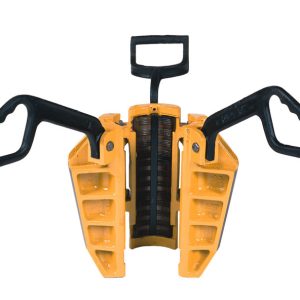
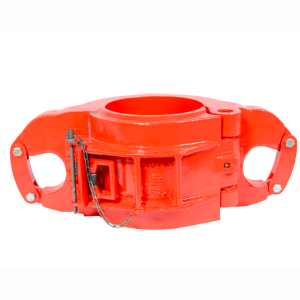
SGPE manufactures and supplies Casing Elevator equipment for lifting, holding, positioning and lowering casing during oil and gas drilling, casing running, well construction, workover and well servicing. The range includes SLX(CD)-DD Side Door Casing Elevators and SX Type Heavy-Duty Casing Elevators for different casing diameters, suspended loads and rig requirements.
Selected configurations cover approximately 2 3/8 to 30 in, with rated capacities from 65 to 500 short tons, depending on the model. These oilfield hoisting tools can support casing handling on land drilling rigs, offshore drilling units, jack-up rigs, fixed platforms, workover rigs and oilfield service units.
During casing running, the elevator connects to the rig hoisting system through elevator links. Crews use it to pick up casing joints, bring them toward well center, align the tubular for connection and control the growing casing string during lifting and lowering. The side-opening structure gives operators direct access to the pipe and suits repeated rig-floor handling.
For drilling contractors, casing running service companies and oilfield equipment buyers looking for an API 8C Casing Elevator, Side Door Casing Elevator, Oilfield Casing Elevator, Casing Running Elevator or heavy-duty casing lifting tool, SGPE can review the casing program and recommend a suitable SLX or SX configuration.
Email: info@sgpe.com
Tel / WhatsApp: +86 186-1599-5239
Casing Elevator Specifications and Product Overview
| Item | SGPE Supply Range / Description |
|---|---|
| Product | Casing Elevator |
| Product Category | Oilfield Hoisting Equipment / Casing Handling Equipment |
| Product Families | SLX(CD)-DD / SX Type |
| Main Design | Side Door / Side Opening |
| Main Function | Lift, hold, position and lower oilfield casing |
| Overall Size Coverage | Approx. 2 3/8–30 in, depending on model |
| Rated Capacity Range | 65–500 short tons |
| SLX Capacity Range | 65–350 short tons |
| SX Capacity Options | 350 / 500 short tons |
| Hoisting Connection | Elevator links |
| Rig Interface | Traveling equipment and rig hook system |
| Typical Casing Programs | Surface / intermediate / production / selected conductor casing |
| Rig Types | Land / offshore / jack-up / fixed platform / workover / service rig |
| Main Operations | Drilling / casing running / well construction / workover / casing recovery |
| SX Body | High-strength alloy steel |
| Standard Basis | Applicable API Spec 8C requirements |
| Main Selection Data | Casing OD / maximum string weight / capacity / rig / elevator links |
| Procurement Data | Quantity / destination / inspection / documentation / delivery requirement |
Important: The overall product-family range does not mean that every model handles every casing diameter. Each configuration has its own size and load limits. Always confirm casing OD, maximum suspended load, elevator links and rig hoisting capacity before ordering.
What Is a Casing Elevator?
A Casing Elevator is an oilfield hoisting tool used to lift and control casing during well construction and selected workover operations.
Elevator links connect the tool to the drilling rig hoisting system. The elevator moves with the traveling equipment while the crew raises, aligns, positions or lowers casing.
During a casing-running operation, individual joints are picked up, moved toward well center, connected to the string and progressively lowered into the wellbore. As the string grows, suspended weight increases. The selected lifting equipment must therefore match both the casing outside diameter and the actual load.
Unlike general industrial lifting devices, oilfield elevators work in environments where drilling mud, sand, moisture, vibration, impact and repeated load cycles are common. Offshore operations can also expose equipment to marine humidity and salt spray.
Accurate model selection, routine inspection and proper maintenance are therefore just as important as nominal lifting capacity.
How a Side Door Casing Elevator Works
A side-door elevator works as part of the drilling rig hoisting system rather than as a standalone lifting machine.
Operators open the body from the side and place it around the casing. After the door and locking mechanism are fully secured, the rig can apply load through the elevator links.
The links transfer the tubular load to the traveling system. The driller then controls lifting, positioning and lowering through the rig hoisting equipment.
During normal casing running, the tool supports joint pickup, movement toward well center, vertical positioning, connection preparation and controlled lowering into the wellbore.
The same basic lifting arrangement can also support selected casing pulling, recovery and repositioning during workover when tubular size and expected load remain within the approved operating range.
SGPE Casing Elevator Models
SGPE offers two main product families for different casing diameters and lifting requirements.
SLX(CD)-DD Side Door Casing Elevator
The SLX(CD)-DD Casing Elevator provides broad size coverage and several rated capacities for drilling, casing installation, workover and well servicing.
Its side-opening body lets crews position the elevator directly around the tubular, making it suitable for repeated handling during casing-running operations.
The SLX family provides rated capacities from 65 to 350 short tons.
SLX(CD)-DD Technical Parameters
| Model | Applicable Size Range | Rated Capacity |
|---|---|---|
| SLX-65 | 3 1/2–14 1/4 in | 65 short tons |
| SLX-100 | 2 3/8–5 3/4 in | 100 short tons |
| SLX-150 | 5 1/2–13 5/8 in | 150 short tons |
| SLX-250 | 5 1/2–30 in | 250 short tons |
| SLX-350 | 4 1/2–14 in | 350 short tons |
The SLX-65 and SLX-100 suit selected lower-load applications within their approved diameter ranges.
The SLX-150 provides a mid-range option for many casing-running jobs. For larger or heavier programs, the SLX-250 and SLX-350 provide higher rated capacities.
Capacity alone does not determine the correct model. Casing diameter, maximum string weight, elevator links and rig lifting arrangement must also match.
SX Type Heavy-Duty Casing Elevator
The SX Type Casing Elevator focuses on higher-capacity casing lifting.
Selected configurations provide 350 short ton and 500 short ton options. The SX series suits demanding casing-running projects when casing OD and maximum suspended load match the selected configuration.
The design combines a side-opening body, secure locking system and high-strength alloy steel structure. Standard opening sizes cover common casing programs, while selected customized openings can support project-specific requirements.
SX Type Technical Parameters
| Model | Size Range | Published Standard Sizes | Rated Capacity |
|---|---|---|---|
| SX7-16 | 7–16 in | 7, 9 5/8, 9 7/8, 10 3/4, 11 3/4, 12 3/4, 12 7/8, 13 3/8, 13 5/8, 14, 16 in | 350 / 500 short tons |
| SX18 5/8-20 | 18 5/8–20 in | 18 5/8, 20 in | 350 / 500 short tons |
Projects that require a 350 Ton Casing Elevator or 500 Ton Casing Elevator should specify both casing OD and maximum string weight.
A higher rated capacity does not automatically make one configuration suitable for every heavy casing string. Opening size, elevator links and rig arrangement must also match.
Casing Elevator Sizes and Rated Capacities
Across the SLX and SX ranges, selected models cover approximately 2 3/8 to 30 in.
Common oilfield casing sizes within the published ranges include 4 1/2 in, 5 in, 5 1/2 in, 7 in, 7 5/8 in, 8 5/8 in, 9 5/8 in, 9 7/8 in, 10 3/4 in, 11 3/4 in, 12 3/4 in, 13 3/8 in, 13 5/8 in, 14 in, 16 in, 18 5/8 in and 20 in.
Typical project inquiries may include a 9 5/8 inch casing elevator, 13 3/8 inch casing elevator, 18 5/8 inch casing elevator or 20 inch casing elevator. However, tubular diameter is only one selection factor. The correct model must also match maximum suspended load.
Selected SGPE configurations provide 65, 100, 150, 250, 350 and 500 short ton capacity classes.
Two wells can use the same casing size while creating very different loads because casing unit weight, string length and setting depth differ. Maximum string weight therefore remains one of the most important inputs during model selection.
SLX vs. SX Casing Elevator
| Selection Item | SLX(CD)-DD | SX Type |
|---|---|---|
| Capacity Range | 65–350 short tons | 350 / 500 short tons |
| Size Coverage | Approx. 2 3/8–30 in by model | 7–20 in |
| Main Positioning | Broad size and capacity coverage | Heavy-duty casing lifting |
| Side-Opening Design | Yes | Yes |
| 350 Ton Option | SLX-350 | Available |
| 500 Ton Option | — | Available |
| Opening Sizes | Model-specific | Standard and selected customized openings |
| Typical Applications | Drilling / casing running / workover / well servicing | Heavy casing running / drilling / workover |
| Selection Basis | OD + load + rig arrangement | OD + high load + rig arrangement |
A conventional casing program may fit an SLX configuration, while a heavier string may require an SX model.
Neither family is universally better. The correct choice depends on casing OD, suspended load, rig arrangement and elevator-link compatibility.
Key Features
Side-Opening Design for Rig-Floor Handling
The side-door structure gives crews direct access to the tubular.
Operators can place the elevator around the casing without passing the complete pipe through a closed body. This makes repeated engagement practical during long casing-running campaigns.
The same product type may also be described as a Side Opening Casing Elevator, Casing Side Door Elevator or Oilfield Side Door Elevator.
Heavy-Duty Construction for Oilfield Service
Rig-floor lifting equipment works through repeated load cycles under demanding field conditions.
Mud, moisture, sand, vibration and impact can affect load-bearing components over time. The SX family uses a high-strength alloy steel body for demanding casing-lifting applications.
Regardless of model, routine inspection remains essential for lifting equipment used on drilling and workover rigs.
Secure Closing and Locking System
The locking system keeps the elevator engaged around the casing while the string is being handled.
Because operators repeatedly open and close the side door, crews should inspect the latch, hinge area and locking components before use. Load should only be applied after the tool has fully engaged the tubular.
Elevator Link Compatibility
Elevator links connect the lifting tool to the rig hook and traveling system.
Casing OD, string weight, elevator capacity, link size, link rating and rig hoisting capacity should be considered as one load-transfer system.
Selecting an elevator only by tonnage can result in equipment mismatch.
API Spec 8C Casing Elevator
API Spec 8C covers drilling and production hoisting equipment, including casing elevators and elevator links.
SGPE manufactures its SLX(CD)-DD and SX Type ranges according to applicable API Spec 8C requirements.
When a project specifies an API 8C Casing Elevator, the applicable standard, inspection scope and documentation requirements should be defined during the inquiry stage.
| Requirement | Procurement Consideration |
|---|---|
| API Spec 8C | Relevant to drilling and production hoisting equipment |
| Elevator Links | Part of the related hoisting system |
| Inspection Documents | State required documents before order |
| Material Documentation | Request when required by the project |
| Third-Party Inspection | Define agency and scope |
| Customer Inspection | Define witness or hold points |
| Marking | Confirm project-specific requirements |
| API Certification / Monogram | Confirm separately when specifically required |
Manufacturing according to API Spec 8C requirements and holding a specific API Monogram or certification are not identical claims.
If a tender requires a specific certificate, license or Monogram, state that requirement before order confirmation.
Casing Elevator Applications in Oil & Gas Operations
A casing elevator may be used across several stages of well construction and selected well-service operations. The correct configuration depends on tubular size, suspended load, rig design and field conditions.
Application Matrix
| Application | Typical Operation | Main Selection Focus |
|---|---|---|
| Surface Casing | Large-diameter early well string | OD + load + rig capacity |
| Intermediate Casing | One or more intermediate strings | Complete casing schedule |
| Production Casing | Long major casing string | Maximum string weight |
| Selected Conductor Casing | Large tubular within approved range | OD + opening size |
| Land Drilling | Exploration / development wells | Rig + casing program |
| Offshore Drilling | Offshore well construction | Load + marine environment |
| Jack-Up Rig | Offshore exploration / development | Rig layout + casing OD |
| Fixed Platform | Drilling / workover | Platform rig configuration |
| Deep-Well Drilling | Longer and heavier strings | Maximum suspended load |
| Directional / Horizontal Wells | Multi-section well program | Full casing schedule |
| Workover | Pulling / repositioning casing | Existing tubular + rig |
| Casing Recovery | Recovering casing from well | Expected recovery load |
| Well Servicing | Selected casing handling | Service-rig capacity |
Surface, Intermediate and Production Casing
Surface casing often uses larger tubular diameters, so both pipe size and total string weight matter.
Intermediate casing programs may include several diameters in one well. A complete casing schedule helps determine whether one elevator can cover multiple strings or whether the rig requires more than one configuration.
Production casing can extend to substantial setting depths. In these applications, casing unit weight, total string length, maximum suspended load and rig hoisting capacity become especially important.
Selected 350 ton and 500 ton casing elevators can support demanding production casing programs when their approved size range, load rating and rig arrangement all match the project.
Land Drilling Rigs
SGPE casing handling equipment can support exploration drilling, development wells, vertical wells, directional wells, horizontal wells and deep onshore drilling.
Because a land rig may run several casing strings during one well, contractors should review the full casing program rather than assume that one elevator will cover every section.
For remote oilfield projects, accurate model selection before mobilization also helps reduce the risk of equipment mismatch in the field.
Offshore Drilling, Fixed Platforms and Jack-Up Rigs
An Offshore Casing Elevator can support casing running on offshore drilling units, fixed platforms and jack-up rigs when tubular size, load and hoisting arrangement match the selected model.
Typical applications include offshore exploration, appraisal wells, development drilling, surface casing, intermediate casing, production casing and selected workover operations.
Marine humidity and salt spray increase corrosion exposure. Offshore crews should therefore pay close attention to cleaning, lubrication, inspection and storage.
For jack-up or fixed-platform projects, include casing OD, maximum string weight, elevator-link information and rig layout in the RFQ.
Deep, Directional and Horizontal Wells
Deep wells can involve long casing strings and high suspended loads. In these projects, string weight matters as much as pipe diameter.
Directional and horizontal wells may also use several casing strings and complex hole sections. Well trajectory alone does not determine the elevator model, but it can create a more demanding casing program.
Providing the actual casing schedule gives a better basis for equipment selection than simply identifying the well as directional or horizontal.
Workover, Casing Recovery and Well Servicing
A Workover Casing Elevator can support selected operations where crews lift, pull, reposition or recover casing.
Typical applications include casing replacement, damaged casing removal, well rehabilitation, major well repair and selected recompletion work.
Recovery jobs can create different lifting conditions from new-well casing installation. Workover and service rigs may also use different hoisting arrangements from full-size drilling rigs.
For these projects, provide the existing casing size, expected lifting load and actual rig capacity before selecting equipment.
How to Select the Right Casing Elevator
Correct selection starts with the casing OD and maximum suspended string weight.
A shallow well and a deep well can use the same casing diameter while creating very different lifting loads. Pipe size alone therefore cannot determine the correct model.
Rated capacity must also match the rig hoisting system. Choosing the highest tonnage does not automatically provide a better solution because the elevator opening, elevator links and rig capacity must remain compatible.
The casing stage also matters. Surface, intermediate, production, workover and recovery programs can involve different tubular sizes and load conditions.
Rig type should be confirmed at the same time. Land rigs, offshore units, jack-up rigs, fixed platforms, workover rigs and service units can use different hoisting arrangements.
Where available, provide elevator-link size and rated capacity. Any special environmental, API, inspection or documentation requirements should also be included in the inquiry.
Selection Summary
| Project Requirement | Information to Provide |
|---|---|
| Casing Size | Exact OD |
| Maximum Load | Maximum suspended string weight |
| Required Capacity | Short-ton rating |
| Product Family | SLX / SX if specified |
| Casing Program | Surface / intermediate / production / workover |
| Rig Type | Land / offshore / jack-up / fixed platform / service |
| Elevator Links | Link size and rated capacity |
| Environment | Offshore / desert / cold / remote |
| Quantity | Required units |
| Destination | Port or project site |
| QA/QC | API / inspection / documentation requirements |
Casing Elevator vs. Other Casing Handling Equipment
A complete casing-running system uses several rig-floor tools, and each one performs a different function.
| Equipment | Main Function |
|---|---|
| Casing Elevator | Lifts, positions and lowers casing |
| Casing Spider | Supports casing around well center |
| Single Joint Elevator | Handles individual tubular joints |
| Casing Power Tong | Applies powered makeup / breakout torque |
| Casing Manual Tong | Applies or reacts torque mechanically |
| Casing Slips | Grip and support casing |
| Elevator Links | Connect the elevator to the hoisting system |
| Stabbing Guide | Helps align casing connections |
A Casing Spider normally remains around well center and supports the suspended casing string, while the elevator moves with the rig hoisting system.
A Single Joint Elevator handles one pipe joint during pickup or transfer. A standard casing elevator can carry the casing string according to its approved load and configuration.
A Tubing Elevator serves production tubing, while a Drill Pipe Elevator handles drill pipe during drilling and tripping. These products belong to the wider oilfield elevator category, but they should not be substituted without checking tubular type, size and rated load.
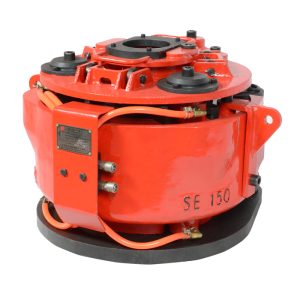
A Casing Power Tong performs a different job. It applies controlled torque to casing connections, while the elevator handles vertical movement and positioning.
Complete Casing Running Equipment Package
SGPE can support projects that require several complementary rig-floor tools.
| Equipment | Main Role |
|---|---|
| Casing Elevator | Lifting and lowering |
| Casing Spider | Suspending the casing string |
| Casing Slips | Gripping and support |
| Casing Power Tong | Powered makeup and breakout |
| Casing Manual Tong | Mechanical torque handling |
| Single Joint Elevator | Individual joint pickup |
| Elevator Links | Hoisting-system connection |
| Safety Clamp | Auxiliary gripping where applicable |
| Stabbing Guide | Connection alignment |
| Casing Bushing / Insert Bowl | Tubular support around well center |
This type of package can serve drilling contractors, casing running companies, oilfield service providers, rig manufacturers, EPC contractors and petroleum equipment distributors.
Sending the complete casing program allows SGPE to review several equipment requirements together instead of treating each tool as an isolated purchase.
Casing Elevator Manufacturer & Supplier
SGPE supplies casing elevators and related rig-floor handling equipment for drilling, casing running, workover and well-service projects.
For customers comparing a Casing Elevator Manufacturer, Casing Elevator Supplier, API 8C Casing Elevator Supplier or Oilfield Casing Handling Equipment Supplier, correct technical matching should come before price comparison.
SGPE offers SLX(CD)-DD and SX Type product families with selected capacities from 65 to 500 short tons and broad casing-size coverage.
For high-load applications, the SX series provides 350 and 500 short ton configurations, a high-strength alloy steel body and selected customized opening options.
SGPE can review casing OD, maximum string weight, required capacity, rig type, elevator-link data and field conditions before quotation.
Customers can order an individual replacement elevator or combine it with casing spiders, power tongs, manual tongs, slips, links and other equipment as part of a larger casing-running package.
Casing Elevator Price, Quotation and RFQ Information
There is no single Casing Elevator Price for every application because the final cost depends on the actual specification.
| Quotation Factor | Why It Matters |
|---|---|
| Product Series | SLX and SX use different configurations |
| Casing OD | Determines opening size |
| Rated Capacity | Defines the required load class |
| Quantity | Defines total order scope |
| Customized Opening | May change the SX configuration |
| API / Documentation | Can affect manufacturing and inspection scope |
| Third-Party Inspection | Adds project-specific inspection requirements |
| Delivery Destination | Affects freight and logistics |
| Required Schedule | Affects production and delivery planning |
Customers requesting a Casing Elevator quotation, comparing Casing Elevator suppliers or looking for a Casing Elevator for sale should provide the complete technical requirement rather than ask only for the price of a 350 ton or 500 ton unit.
For faster model selection and quotation, provide the following information.
| RFQ Item | Information Required |
|---|---|
| Casing Size | Exact OD or complete casing schedule |
| Maximum String Weight | Maximum suspended load |
| Required Capacity | Short-ton rating if known |
| Casing Program | Surface / intermediate / production / workover |
| Preferred Series | SLX / SX if specified |
| Rig Type | Land / offshore / jack-up / workover / service |
| Well Type | Oil / gas / vertical / directional / horizontal / deep |
| Elevator Links | Size and rated capacity |
| Quantity | Number of units |
| Project Location | Country / oilfield |
| Delivery Destination | Port or project site |
| Delivery Schedule | Required date if applicable |
| API Requirement | Applicable standard |
| Inspection | Customer / third-party requirement |
| Documentation | Project-specific quality and material documents |
If the project includes several casing strings, send the complete schedule so SGPE can review the different sizes and loads as one requirement.
Inspection and Maintenance
Regular inspection helps crews identify wear or damage before the next lifting cycle.
| Inspection Area | What to Check |
|---|---|
| Elevator Body | Cracks, deformation and abnormal wear |
| Side Door | Damage and alignment |
| Latch / Lock | Secure engagement and free movement |
| Hinge Area | Wear and visible damage |
| Load-Bearing Areas | Cracks or deformation |
| Link Contact Areas | Wear at load-transfer points |
| Pins | Wear or deformation |
| Casing Contact Areas | Abnormal wear |
| Offshore-Exposed Surfaces | Corrosion and salt deposits |
Before use, remove mud and debris that could hide visible defects. Confirm casing size, rated load and elevator-link compatibility before applying load.
After field operation, clean the tool and lubricate applicable moving parts according to maintenance requirements.
Offshore crews should monitor corrosion closely because salt and moisture can accelerate surface deterioration.
If inspection reveals cracks, significant deformation, severe wear or damaged locking components, remove the tool from lifting service and arrange qualified inspection before reuse.
Frequently Asked Questions About Casing Elevators
1. What is a Casing Elevator used for in oil and gas drilling?
A Casing Elevator is an oilfield hoisting tool used to lift, hold, position and lower casing during well construction. It connects to the rig hoisting system through elevator links and moves with the traveling equipment while crews handle the casing string.
Typical applications include surface casing, intermediate casing, production casing, casing running, well workover and selected casing recovery operations. Depending on the model and rated capacity, the equipment can work on land drilling rigs, offshore drilling units, jack-up rigs, fixed platforms and workover rigs.
The correct configuration should match the casing OD, maximum suspended string weight, elevator links and rig hoisting capacity.
2. What is a Side Door Casing Elevator?
A Side Door Casing Elevator has a body that opens from the side, allowing operators to position the tool directly around the casing. After the tubular is correctly engaged, the crew closes and secures the locking mechanism before applying load through the rig hoisting system.
This design suits repeated casing handling during drilling and casing-running operations because crews do not need to pass the entire tubular through a closed elevator body.
The same product type may also be described as a Side Opening Casing Elevator, Casing Side Door Elevator or Oilfield Side Door Elevator. SGPE offers side-opening SLX(CD)-DD and SX Type configurations for different casing sizes and lifting requirements.
3. Does SGPE supply API 8C Casing Elevators?
SGPE manufactures selected SLX(CD)-DD and SX Type Casing Elevators according to applicable API Spec 8C requirements for drilling and production hoisting equipment.
When a project specifies an API 8C Casing Elevator, customers should state the required standard, inspection scope, documentation, marking and any third-party inspection requirements during the inquiry stage.
Manufacturing according to applicable API Spec 8C requirements is not the same as claiming a specific API Monogram or certification. If a tender requires a particular certificate, license or Monogram, that requirement should be identified before order confirmation so SGPE can review the exact supply scope.
4. What casing sizes are available for SGPE Casing Elevators?
Across the SLX and SX product families, selected configurations cover approximately 2 3/8 to 30 in, depending on the model.
The SLX range offers several model-specific size ranges, while the SX family covers selected casing sizes from 7 to 20 in and can support selected customized opening requirements. Common project sizes include 7 in, 9 5/8 in, 13 3/8 in, 16 in, 18 5/8 in and 20 in.
A request for a 9 5/8 inch Casing Elevator or 13 3/8 inch Casing Elevator, for example, still requires load information because casing diameter alone does not determine the correct model. Buyers should provide both casing OD and maximum string weight.
5. What rated capacities are available?
Selected SGPE models provide rated capacities of 65, 100, 150, 250, 350 and 500 short tons.
The SLX Casing Elevator family covers capacities from 65 to 350 short tons, while selected SX Heavy-Duty Casing Elevator configurations provide 350 and 500 short ton options.
Required capacity depends on more than casing diameter. Two wells may use the same casing size but create very different suspended loads because casing unit weight, total string length and setting depth differ.
For land drilling, offshore casing running, deep wells or workover projects, buyers should provide the maximum expected string weight together with the casing OD and rig information before final model selection.
6. Does SGPE supply 350 Ton and 500 Ton Casing Elevators?
Yes. SGPE offers selected 350 Ton and 500 Ton Casing Elevator configurations for heavier casing-running requirements.
The SLX-350 provides a 350 short ton rating within its applicable casing-size range. Selected SX configurations are available with 350 and 500 short ton rated capacities for higher-load applications.
These heavy-duty models may suit production casing, deep-well casing programs, offshore drilling, jack-up rigs and selected workover projects when the tubular size and actual suspended load match the equipment.
For accurate selection, customers should provide the casing OD, maximum string weight, elevator-link information and rig hoisting capacity rather than choosing a model based only on tonnage.
7. How do I choose between an SLX and SX Casing Elevator?
The right choice depends on casing OD, suspended load, rig arrangement and elevator-link compatibility.
The SLX(CD)-DD Side Door Casing Elevator family offers broad model-specific size coverage with rated capacities from 65 to 350 short tons. It can suit many conventional casing-running, drilling, workover and well-service applications.
The SX Type Casing Elevator focuses on heavier 350 and 500 short ton requirements and covers selected sizes from 7 to 20 in. It is better suited to projects where the approved casing size and higher lifting capacity match the well program.
Neither product family is automatically better. SGPE can review the casing schedule and recommend a suitable configuration for the actual project.
8. Can SGPE Casing Elevators be used on offshore and jack-up rigs?
Selected configurations can support offshore drilling units, fixed platforms and jack-up rigs when casing size, suspended load, elevator links and rig hoisting arrangement match the selected equipment.
An Offshore Casing Elevator may be used during surface casing, intermediate casing, production casing and selected offshore workover operations. The exact model should be selected from the actual casing program rather than from the rig type alone.
Marine humidity and salt spray can increase corrosion exposure. Offshore crews should therefore pay close attention to cleaning, lubrication, inspection and storage.
For an offshore or jack-up project, the RFQ should include casing OD, maximum string weight, rig type, elevator-link information and any inspection or documentation requirements.
9. Can a Casing Elevator be used for workover and casing recovery?
Selected models can support workover, casing recovery, casing replacement, damaged casing removal and major well repair when the tubular size and lifting load remain within the approved equipment range.
A Workover Casing Elevator may be used to lift, pull, reposition or recover casing during selected well-service operations. However, recovery loads and rig arrangements can differ from those found during new-well casing installation.
Workover rigs and service units may also use different hoisting systems from full-size drilling rigs. Customers should therefore provide the existing casing OD, expected lifting load, rig capacity and elevator-link information so the application can be reviewed before model selection.
10. What is the difference between a Casing Elevator and a Casing Spider?
A Casing Elevator moves with the rig hoisting system and is used to lift, position and lower casing. A Casing Spider normally remains around well center and supports the suspended casing string during selected connection and handling stages.
The two tools perform different but complementary roles during casing running. The elevator controls vertical movement, while the spider provides support around the well center when required by the operating procedure.
A complete casing-running package may also include Casing Slips, Single Joint Elevators, Casing Power Tongs, Casing Manual Tongs, Elevator Links and Stabbing Guides.
Buyers should select each tool according to the casing size, load and rig configuration rather than treating them as interchangeable equipment.
11. How much does a Casing Elevator cost?
Casing Elevator price depends on the actual technical and commercial requirements of the project, so one generic price cannot accurately cover every configuration.
Important quotation factors include the SLX or SX product series, casing OD, rated capacity, quantity, customized opening requirements, API or documentation scope, third-party inspection and delivery destination.
For example, a 65 short ton SLX configuration and a 500 Ton SX Casing Elevator have very different technical requirements and should not be priced as the same product.
Customers looking for a Casing Elevator for sale or comparing Casing Elevator suppliers should send the complete specification so SGPE can prepare an appropriate model recommendation and project quotation.
12. What information should I send when requesting a Casing Elevator quotation?
For accurate model selection and pricing, customers should provide the casing OD, maximum casing string weight, required lifting capacity, rig type, elevator-link information and required quantity.
The inquiry should also identify whether the project involves surface, intermediate or production casing, as well as the project location, delivery destination and any applicable API 8C, inspection, documentation or third-party inspection requirements.
For projects involving several casing strings, sending the complete casing schedule allows SGPE to review the different diameters and loads together.
Based on the technical and project requirements provided, SGPE can recommend an appropriate SLX or SX Casing Elevator configuration and provide a corresponding quotation for review.
Request an API 8C Casing Elevator Quote from SGPE
SGPE supplies Casing Elevator equipment for oil and gas drilling, casing running, offshore operations, jack-up rigs, workover, casing recovery and well servicing.
The range includes SLX(CD)-DD Side Door Casing Elevators and SX Type Heavy-Duty Casing Elevators, with selected capacities from 65 to 500 short tons and product-family size coverage of approximately 2 3/8 to 30 in.
Whether your project requires a standard side-door model, a 350 Ton or 500 Ton Casing Elevator, or a configuration for offshore or workover service, SGPE can review your casing program and recommend a suitable solution.
For accurate model selection and pricing, please provide the casing OD, maximum string weight, required lifting capacity, rig type, elevator-link information, quantity, delivery destination and any API 8C, inspection or documentation requirements.
Email: info@sgpe.com
Tel / WhatsApp: +86 186-1599-5239