Description
High Pressure Acidizing Hose for Oilfield Acid Stimulation & Well Treatment
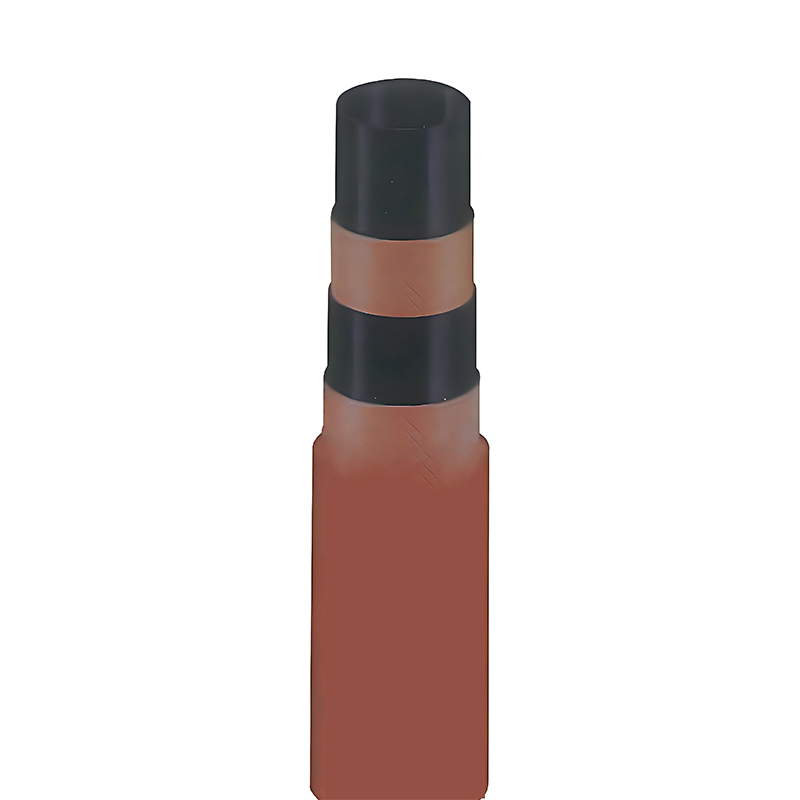
SGPE supplies High Pressure Acidizing Hose assemblies for oilfield acidizing, well stimulation, remedial treatment, workover and high-pressure pressure-pumping operations.
The hose provides a flexible pressure-containing connection between acidizing pumps, pump discharge manifolds, treating iron, stimulation manifolds and wellhead equipment. It accommodates controlled vibration, pressure pulsation and limited movement between mobile and fixed equipment while transferring acid-based treatment fluids through the surface pressure system.
Typical project configurations include 10,000 PSI and 15,000 PSI Acidizing Hose, custom hose I.D. and overall length, with end connections such as Fig. 1002, Fig. 1502 Hammer Union, high-pressure hubs and flanges.
Depending on the installation point and field terminology, the assembly may also be specified as an Oilfield Acidizing Hose, High Pressure Acid Hose, High Pressure Flexible Acidizing Hose, Acid Stimulation Hose, Acid Pump Hose, Acidizing Pump Discharge Hose, Well Stimulation Hose, Pressure Pumping Hose, High Pressure Treating Hose, Flexible Acidizing Line, HCl Acidizing Hose, Mud Acid Hose, Acid Frac Hose or Fig. 1502 Acidizing Hose.
Pressure rating alone does not determine whether a hose is suitable for a treatment program. Fluid chemistry, acid concentration, maximum temperature, pumping rate, hose bore, overall length, minimum bend radius, end connections and the service environment all influence the final configuration.
For replacement projects, customers can start with the existing hose nameplate, part number, dimensions, connection photographs, pump or manifold details and any available technical drawings.
Email: info@sgpe.com
Tel/Whatsapp: +86 186-1599-5239
Contact Us for a Quote
Product Overview
Oilfield acidizing is used to remove selected formation damage, mineral deposits and scale and to improve fluid communication between the reservoir and the wellbore.
A typical surface acidizing spread may follow this flow path:
Acid Storage / Blending Unit → High-Pressure Acidizing Pump → Pump Discharge Manifold → Flexible Acidizing Hose → Treating Iron → Stimulation Manifold → Wellhead / Frac Tree → Well
Much of the high-pressure flow path uses rigid treating iron. Flexible hose is introduced only where controlled movement is useful.
Truck-mounted pumps and skid-mounted stimulation equipment can generate vibration and pressure pulsation. Equipment locations may also vary slightly between rig-ups. At suitable interfaces, a flexible acidizing line allows controlled movement without forcing rigid flowline components into alignment.
Typical installation points include the acidizing pump discharge, pump-to-manifold connection, treating-line crossover, temporary stimulation package and selected wellhead-side treating lines.
The hose should not be used to correct severe equipment misalignment. Correct routing, adequate support and compliance with the approved minimum bend radius remain essential throughout installation and operation.
Technical Specifications
The following values provide a practical basis for RFQ preparation. Final dimensions and operating limits depend on the approved hose construction and project conditions.
| Technical Parameter | Typical Project Configuration |
|---|---|
| Product | High Pressure Acidizing Hose |
| Industry | Upstream Oil & Gas |
| Main Service | Acidizing / Well Stimulation / Pressure Pumping |
| Main Function | Flexible high-pressure treatment-fluid transfer |
| Typical Working Pressure | 10,000 PSI / 15,000 PSI |
| Metric Pressure Reference | Approx. 69.0 MPa / 103.5 MPa |
| Typical Hose I.D. | Approx. 2″, 2-1/2″, 3″, 4″, subject to approved design |
| Overall Assembly Length | Custom |
| Main Media | Oilfield acidizing and stimulation fluids |
| Inner Liner | Selected according to chemical compatibility |
| Reinforcement | Multi-layer high-tensile pressure reinforcement |
| Outer Cover | Oil-, abrasion- and weather-resistant construction |
| Common 10K Interface | Fig. 1002 or project-specific connection |
| Common 15K Interface | Fig. 1502 Hammer Union |
| Other End Connections | High-pressure hub / flange / mixed ends |
| End Arrangement | M × F / M × M / F × F / Mixed |
| Hose O.D. | Design-specific |
| Minimum Bend Radius | Design-specific |
| Assembly Weight | Design-specific |
| Maximum Fluid Temperature | According to approved liner and treatment chemistry |
| H₂S / Sour Service | Project-specific review |
| Installation | Onshore / offshore / well intervention |
| Pressure Testing | According to approved design and purchase specification |
| Identification | Product / serial marking according to agreed scope |
| Third-Party Inspection | Available when specified |
| Documentation | Datasheet, drawing and agreed inspection/test records |
The working-pressure rating applies to the complete hose assembly. A higher-rated hammer union or end fitting cannot increase the rating of a lower-rated hose body.
How to Select the Correct Acidizing Hose
A reliable selection begins with the actual operating conditions rather than a generic catalogue description.
Working pressure determines much of the reinforcement and fitting requirement. Hose I.D. affects fluid velocity and pressure loss. Overall length and bend radius determine whether the assembly can be routed without excessive bending, tension or side loading.
Acidizing service adds another critical factor: chemical compatibility.
| Selection Parameter | Information to Provide | Why It Matters |
|---|---|---|
| Acid Type | HCl / organic acid / mud acid / proprietary fluid | Chemical compatibility |
| Acid Concentration | Normal and maximum | Liner selection |
| Maximum Fluid Temperature | Maximum temperature at hose | Material capability |
| Corrosion Inhibitor | Product or formulation | Chemical-system review |
| Surfactant | Type / concentration | Compatibility |
| Mutual Solvent | Product information | Polymer compatibility |
| Diverter | Type / loading | Fluid properties |
| Iron-Control Additive | Treatment formulation | Complete fluid package |
| Scale-Control Chemical | Product information | Compatibility |
| Solids / Proppant | Type / concentration | Internal wear review |
| Maximum Pumping Rate | Customer flow data | Hose bore selection |
| Pump Pulsation | Pump information where available | Hose duty |
| H₂S / CO₂ | Actual service conditions | Metallic-component review |
| Installation | Onshore / offshore / workover / CT spread | Routing and protection |
For demanding chemical service, a complete treatment-fluid datasheet provides a stronger basis for material selection than a generic request for an “acid-resistant hose.”
10K & 15K Acidizing Hose Options
10K Acidizing Hose
A 10K High Pressure Acidizing Hose can serve selected well-treatment systems operating within a 10,000 PSI working-pressure envelope.
Typical duties include matrix acidizing, remedial stimulation, acid washing, scale-removal treatment, workover operations, acid-pump discharge and temporary wellhead treatment.
A typical RFQ may read:
3″ I.D. × 10,000 PSI WP × Fig. 1002 M/F × 30 ft OAL × HCl Matrix Acidizing Service
This description provides a useful starting point. Acid concentration, maximum temperature, pumping rate, treatment additives, end connections and installation geometry should then be confirmed before the final assembly is released.
15K Acidizing Hose
A 15K High Pressure Acidizing Hose serves more demanding pressure-pumping and well-stimulation systems.
Project RFQs may also use terms such as 15,000 PSI Acidizing Hose, 15K Acid Hose, 15K Well Stimulation Hose, 15K Pressure Pumping Hose or 15K Treating Hose.
Many 15K surface systems use Fig. 1502 interfaces on pumps, treating iron, plug valves, swivel joints, pup joints and stimulation manifolds.
A typical configuration is:
3″ I.D. × 15,000 PSI WP × 3″ Fig. 1502 Male × Female × 20 ft OAL
As working pressure increases, reinforcement requirements generally increase as well. Hose O.D., assembly weight, support points and minimum bend radius therefore become important layout considerations.
3 Inch 15K Fig. 1502 Acidizing Hose
A 3 Inch 15K Acidizing Hose is a common high-pressure stimulation requirement.
Related RFQ descriptions include 3 Inch 15000 PSI Acid Hose, 3 Inch Fig. 1502 Hose, 3 Inch 15K Pressure Pumping Hose and 3 Inch 15K Well Stimulation Hose.
The 3″ bore can support substantial treatment-fluid throughput while connecting with compatible Fig. 1502 pressure-pumping equipment.
| Typical RFQ Parameter | Example |
|---|---|
| Hose I.D. | 3″ |
| Working Pressure | 15,000 PSI |
| Overall Length | 20 ft |
| End A | 3″ Fig. 1502 Male |
| End B | 3″ Fig. 1502 Female |
| Application | High-Pressure Acidizing |
| Treatment Fluid | HCl-based system |
| Maximum Temperature | Customer to specify |
| Maximum Pumping Rate | Customer to specify |
| H₂S Requirement | Customer to specify |
| Quantity | Customer to specify |
Common Oilfield RFQ Configurations
Oilfield enquiries often begin with a short specification rather than a complete datasheet.
| Common RFQ Description | Typical Service |
|---|---|
| 2″ 10K Acidizing Hose | Compact well-service / acid-treatment line |
| 2-1/2″ 15K Acid Stimulation Hose | High-pressure stimulation package |
| 3″ 15K Fig. 1502 Acidizing Hose | Pumping / treating-line connection |
| 3″ 15K Acid Pump Discharge Hose | Stimulation-pump discharge |
| 3″ Fig. 1502 Well Stimulation Hose | Pump-to-manifold / treating line |
| 4″ High-Flow Acidizing Hose | Selected larger-bore stimulation service |
| Custom Mixed-End Acidizing Hose | Different upstream and downstream interfaces |
| Replacement Acidizing Hose | Existing fleet or MRO requirement |
These descriptions identify the general requirement, but final selection still depends on pressure, fluid chemistry, temperature, pumping rate, end connections and installation conditions.
Fig. 1502 Acidizing Hose for Pressure Pumping
A Fig. 1502 Acidizing Hose provides a flexible interface with compatible high-pressure surface equipment.
Typical mating equipment includes acidizing pumps, stimulation pumps, pump manifolds, treating iron, high-pressure plug valves, swivel joints, integral pup joints, stimulation manifolds, frac manifolds and wellhead treating equipment.
The union figure is only one part of the specification. Hose I.D., working pressure, overall length, treatment chemistry, maximum temperature, connection size and male/female orientation must also be confirmed.
A common project description may be:
3″ I.D. × 15K WP × Fig. 1502 M × F × 20 ft OAL
Always specify hose I.D. and end-connection size separately. They should not be assumed to be identical.
Hose Sizes, Flow Bore & Routing
Hose bore influences flow velocity, pressure loss, assembly weight and installation flexibility.
| Hose I.D. | Typical Project Context | Main Selection Focus |
|---|---|---|
| 2″ | Compact well-service or acid-treatment line | Flow, pressure, routing |
| 2-1/2″ | Selected acid stimulation service | Flow, pressure, bend radius |
| 3″ | Common high-pressure acidizing requirement | Pressure pumping |
| 3-1/2″ | Selected custom configurations | Design confirmation |
| 4″ | Larger-bore stimulation service | Flow and routing |
A larger bore may reduce fluid velocity and pressure loss, but it can also increase hose O.D., assembly weight and minimum bend radius.
For this reason, hose size should be selected from the actual pumping duty rather than nominal connection size alone.
Hose Construction
A high-pressure oilfield acid hose combines several functional layers into one pressure-containing assembly.
| Hose Component | Main Function | Selection Focus |
|---|---|---|
| Inner Liner | Contains treatment fluid | Chemistry and temperature |
| Pressure Reinforcement | Carries internal pressure load | Working pressure and bore |
| Bonding Layers | Integrate hose structure | Pressure cycling |
| Outer Cover | Protects hose externally | Oil, weather and abrasion |
| Coupling / Termination | Transfers hose loads | Pressure design |
| End Fitting | Connects field equipment | Figure, size and orientation |
| Optional External Protection | Adds mechanical protection | Rig-up / offshore environment |
| Identification | Supports traceability | Serial / project marking |
Acid-Compatible Inner Liner
The inner liner is in direct contact with the treatment fluid.
Material selection should consider acid type, concentration, maximum temperature, corrosion inhibitors, surfactants, mutual solvents, diverters and other chemicals used during the treatment program.
The term acid-resistant hose does not mean that one liner is suitable for every acid formulation.
Pressure Reinforcement
High-tensile reinforcement carries the mechanical load generated by internal pressure and helps maintain hose integrity during pressure cycling.
Higher pressure ratings and larger bore sizes normally require more substantial reinforcement. This can affect outside diameter, assembly weight and minimum bend radius.
Oilfield Outer Cover
Acidizing hose assemblies may be exposed to mud, oil, water, sand, sunlight, steel skid frames and repeated field handling.
The outer cover protects the pressure-bearing structure from external exposure and normal abrasion. Additional mechanical protection may be specified for demanding rig-up or offshore environments.
Acid Chemistry & Service Compatibility
Chemical compatibility is one of the main differences between an oilfield acid hose and a general high-pressure flexible line.
HCl Acidizing Hose
An HCl Acidizing Hose can support selected hydrochloric-acid-based stimulation programs when the approved materials suit the actual treatment-fluid system.
Typical applications include carbonate matrix acidizing, limestone and dolomite stimulation, wellbore acid washing, scale removal and remedial stimulation.
For an HCl job, provide acid concentration, maximum fluid temperature, corrosion inhibitor, additional treatment chemicals, pumping rate and expected exposure duration wherever possible.
Mud Acid & HCl/HF Service
Sandstone stimulation can involve more complex chemistry than conventional HCl treatment.
These requirements may be described as a Mud Acid Hose, HCl/HF Acidizing Hose, Sandstone Acidizing Hose or High Pressure Mud Acid Hose.
HCl concentration, HF concentration, maximum temperature, inhibitor package and other treatment additives should be reviewed together.
A hose suitable for one acid formulation should not automatically be transferred to another service without a compatibility review.
Organic Acid Service
Some well-treatment programs use formic acid, acetic acid or other organic-acid systems.
These fluids may have different compatibility characteristics from HCl-based treatments. The exact acid type, concentration, temperature and additive package should therefore be identified before material selection.
Acid Fracturing Service
An Acid Frac Hose may experience demanding chemical exposure and high mechanical loading at the same time.
Acid-fracturing can combine high working pressure, high flow rate, acid-based fluids and repeated pumping stages. Where solids or proppant are present, internal abrasion becomes an additional concern.
Acid-frac duty therefore requires both chemical-compatibility and wear-performance review.
Main Oilfield Applications
A High Pressure Acidizing Hose can support several stages of an oilfield stimulation or remedial-treatment program.
| Oilfield Application | Relevant Product Term | Main Selection Focus |
|---|---|---|
| Matrix Acidizing | Matrix Acidizing Hose | Chemistry + pressure |
| Carbonate Stimulation | HCl Acidizing Hose | Concentration + temperature |
| Sandstone Acidizing | Mud Acid Hose | Complete fluid chemistry |
| Acid Fracturing | Acid Frac Hose | Chemistry + internal wear |
| Remedial Stimulation | Well Stimulation Hose | Existing well layout |
| Acid Wash / Scale Removal | Acid Treatment Hose | Chemical compatibility |
| Workover | Well Service Hose | Routing + connections |
| Acid Pump Discharge | Acid Pump Hose | Pulsation + WP |
| Pump-to-Manifold | Pressure Pumping Hose | OAL + bend radius |
| Treating-Line Crossover | High Pressure Treating Hose | Interface compatibility |
| Wellhead Treating Line | Wellhead Stimulation Hose | Mating equipment |
| Coiled-Tubing Acid Job | CT / Well Intervention Hose | Surface package interface |
| Offshore Acidizing | Offshore Acidizing Hose | Environment + documentation |
| Sour-Well Stimulation | H₂S Acidizing Hose | Metallic-component review |
| Fleet MRO | Replacement Acidizing Hose | Dimensions + ends |
Acidizing Pump Discharge & Pump-to-Manifold Service
An Acidizing Pump Discharge Hose operates immediately downstream of the high-pressure stimulation pump.
This location can experience pump vibration, pressure pulsation and limited movement between the pump skid and downstream manifold.
A Pump-to-Manifold Acidizing Hose or Pressure Pumping Hose provides a controlled flexible transition between mobile pumping equipment and fixed or skid-mounted treating equipment.
Wellhead Stimulation
A Wellhead Stimulation Hose may connect temporary pressure-pumping equipment with fixed wellhead or frac-tree equipment.
The working pressure, bore and end connections must match the actual wellhead-side interface.
Workover & Well Intervention
Workover and intervention projects often use compact or temporary pressure-pumping spreads.
A Well Service Hose or Well Intervention Hose may be used at selected surface interfaces when the pressure rating, treatment fluid, temperature and installation layout are suitable.
High Pressure Treating Hose & Flexible Flowline Service
High-pressure stimulation systems normally use rigid treating iron across much of the surface flow path.
At selected engineered interfaces, a High Pressure Treating Hose, High Pressure Flowline Hose, Pressure Pumping Flexible Hose or Flexible Treating Line can accommodate controlled equipment movement and simplify transitions between mobile and fixed equipment.
Some replacement enquiries may also use the term Treating Iron Replacement Hose.
This does not mean that flexible hose can replace treating iron throughout the complete system. The approved pressure rating, bore, fluid service, bend radius, routing and operating procedure must support the selected flexible section.
Nominal PSI alone is not a sufficient basis for substitution.
Onshore, Offshore & Coiled-Tubing Service
Onshore Well Stimulation
Onshore stimulation spreads commonly use truck-mounted or skid-mounted pumps.
Equipment positions may change between jobs, so custom hose length and connection arrangements can help match selected interfaces while maintaining correct routing and bend radius.
Typical users include acidizing contractors, well-stimulation companies, pressure-pumping fleets and workover crews.
Offshore Acidizing Hose
An Offshore Acidizing Hose may operate on a fixed platform, jack-up rig, semi-submersible, drillship, offshore workover unit or intervention spread.
Offshore installations often have tighter routing and handling constraints. Deck space, hose support, external protection, saltwater exposure, lifting arrangements and documentation requirements may therefore need additional review.
For sour wells, relevant metallic pressure-containing parts may also require project-specific material evaluation.
Coiled-Tubing Acid Stimulation
Coiled-tubing stimulation packages may include separate chemical tanks, high-pressure pumps and treating manifolds.
A flexible hose can support selected surface interfaces where controlled movement is required.
Because CT packages differ between fleets, the pump, treating-manifold and wellhead connection details should be supplied with the enquiry.
Equipment Compatibility
The hose must match the surrounding pressure-pumping equipment mechanically and hydraulically.
| Equipment | Typical Interface | Information to Confirm |
|---|---|---|
| Acidizing Pump | Discharge connection | WP, flow, connection |
| Frac / Stimulation Pump | Discharge line | WP, flow, pulsation |
| Pump Manifold | Hammer union / hub | Size + pressure |
| Treating Iron | Hammer union | Figure + size |
| High Pressure Plug Valve | Flowline connection | WP + connection |
| Swivel Joint | Treating-line interface | WP + union |
| Integral Pup Joint | Flowline interface | Connection |
| Stimulation Manifold | Inlet / outlet | WP + size |
| Frac Manifold | Acid-frac interface | Fluid + pressure |
| Frac Tree | Wellhead treating line | WP + connection |
| Wellhead Equipment | Project-specific | Interface drawing |
| Coiled-Tubing Package | Treating manifold | Equipment data |
Matching the hammer-union figure alone does not guarantee compatibility. Bore, working pressure, overall length, orientation, fluid chemistry and routing also need to match.
End Connection Options
| End A | End B | Typical Use |
|---|---|---|
| Fig. 1002 | Fig. 1002 | Selected 10K well-service systems |
| Fig. 1502 Male | Fig. 1502 Female | Common 15K stimulation |
| Fig. 1502 | Fig. 1502 | High-pressure treating line |
| Fig. 1502 | High-Pressure Hub | Pump / manifold transition |
| Fig. 1502 | Flange | Temporary-to-fixed interface |
| Hub | Hub | OEM / skid package |
| Hub | Flange | Custom stimulation package |
| Flange | Flange | Fixed equipment interface |
Mixed-end configurations are useful in replacement and EPC projects where upstream and downstream equipment use different connection systems.
Specify End A and End B independently, including connection size and male/female orientation where applicable.
H₂S & Sour-Service Acidizing
Some acidizing and stimulation operations take place on wells containing hydrogen sulfide.
In these projects, metallic pressure-containing components require additional attention alongside the hose liner.
The review may cover end-fitting and coupling materials, connection components, seals where applicable and the customer’s sour-service specification.
Where required, relevant metallic components can be reviewed against project-defined ISO 15156 / NACE MR0175-related requirements.
A standard Fig. 1502 configuration should not automatically be assumed to meet every sour-service requirement. The actual H₂S conditions and project material requirements should be identified during the RFQ stage.
Acidizing Hose vs. High Pressure Frac Hose
Acidizing and fracturing hoses can share similar pressure classes, but their main service demands differ.
| Acidizing Hose | High Pressure Frac Hose |
|---|---|
| Chemical compatibility is a primary concern | Internal abrasion is often a primary concern |
| Matrix / remedial acidizing | Hydraulic fracturing |
| HCl / mud-acid treatment | Slickwater / gel / frac slurry |
| Acid concentration affects material selection | Proppant concentration affects internal wear |
| Chemical additives require review | Abrasive solids require wear review |
| Acid-frac duty combines both requirements | Acid duty requires separate chemistry review |
A hose used for acid-fracturing must satisfy both chemical and mechanical requirements.
Acidizing Hose vs. API 7K Cement Hose
| Acidizing Hose | API 7K Cement Hose |
|---|---|
| Acid-based treatment fluids | Cement slurry |
| Chemical compatibility is critical | Slurry handling is critical |
| Matrix / remedial acidizing | Primary cementing |
| Acid-fracturing | Squeeze / remedial cementing |
| Treatment additives influence selection | Cement solids influence wear |
A qualified cement-hose construction may support acidizing where the approved design and chemical compatibility allow it.
A cement hose should not automatically be used for acid service simply because the working-pressure class is similar.
API 7K FSL 0 & Acidizing Service
API Spec 7K covers defined high-pressure mud and cement hose equipment.
Where a qualified API 7K FSL 0 cement-hose construction forms the basis of a specific acidizing-service assembly, the construction should be reviewed against the actual treatment-fluid chemistry and operating conditions.
The final proposal should identify the applicable standard, FSL, working pressure, temperature envelope, end connections, test requirements and certification scope.
| Compliance Item | Project Confirmation |
|---|---|
| Applicable Standard | Confirm on final datasheet |
| API Spec 7K | Where applicable |
| FSL | Confirm required level |
| Working Pressure | Complete assembly rating |
| Acid Compatibility | Actual treatment-fluid review |
| Temperature | Approved operating envelope |
| End Connections | Purchase specification |
| Testing | Approved procedure |
| Certification Scope | Confirm before order |
SGPE does not use API 7K Acidizing Hose as a blanket description for every high-pressure acid-service assembly.
Custom High Pressure Acidizing Hose
A Custom High Pressure Acidizing Hose may be required when a standard assembly cannot match the treatment program or equipment layout.
Customisation can cover hose bore, overall length, End A and End B, Fig. 1002 or Fig. 1502 interfaces, hub connections, flanges and mixed-end arrangements.
Projects may also require acid-specific liner selection, offshore external protection, H₂S-related metallic components, special inspection or an expanded documentation package.
The final assembly should match the actual pressure-pumping system rather than a generic catalogue configuration.
Replacement High Pressure Acidizing Hose
A Replacement High Pressure Acidizing Hose must match the installed equipment and existing routing geometry.
| Existing Information | Why It Matters |
|---|---|
| Hose Nameplate | Identifies existing rating |
| Manufacturer / Part Number | Supports cross-reference |
| Original Drawing | Confirms dimensions |
| Hose I.D. | Confirms flow bore |
| Working Pressure | Confirms pressure class |
| Overall Length | Maintains equipment spacing |
| End A Photograph | Identifies first connection |
| End B Photograph | Identifies second connection |
| Hammer Union Figure | Confirms connection family |
| Connection Size | Confirms mating equipment |
| Male / Female Orientation | Prevents mismatch |
| Pump Model | Supports upstream review |
| Manifold Model | Supports downstream review |
| Acid Type | Supports liner selection |
| Maximum Temperature | Supports compatibility |
| Installation Photos | Shows actual routing |
When the original drawing is unavailable, a clear nameplate, verified dimensions and photographs of both ends normally provide enough information to begin technical review.
Inspection, Testing & Documentation
The inspection scope should be agreed before production when the project has specific witness or documentation requirements.
| Inspection / Document | Typical Purpose |
|---|---|
| Approved Datasheet | Confirms final specification |
| Assembly Drawing | Confirms dimensions and interfaces |
| End Connection Verification | Confirms mating equipment |
| Dimensional Inspection | Confirms I.D. and OAL |
| Visual Inspection | Checks finished condition |
| Hose Identification | Supports traceability |
| Metallic Material Records | Supports project requirements |
| Hydrostatic Pressure Test | Verifies completed assembly |
| Pressure-Test Report | Records test results |
| Final Inspection | Supports product release |
| Third-Party Inspection | Supports customer witness requirements |
| ITP Records | Supports contractual inspection |
| Final Documentation Package | Supports EPC / end-user dossier |
Third-party inspection and witness points should be identified during the RFQ stage so they can be included in the quotation and production plan.
Support for EPC, MRO & Stimulation Fleets
Different buyers start with different levels of technical information.
An EPC contractor may provide a complete datasheet, project specification and ITP. A stimulation contractor may start with pump and manifold connection details. A fleet operator may need several spare assemblies for preventive maintenance, while an MRO buyer may only have a nameplate and field photographs.
Technical review can begin with the information already available and focus on the parameters that still need confirmation.
Typical buyers include oil and gas operators, acidizing contractors, well-stimulation companies, pressure-pumping fleets, workover contractors, offshore service companies, EPC contractors, oilfield distributors and MRO procurement teams.
Related SGPE Pressure-Pumping Equipment
A High Pressure Acidizing Hose normally operates within a wider surface pressure-pumping system.
Related SGPE products include High Pressure Frac Hose, API 7K Cement Hose, Hammer Union, High Pressure Flowline Plug Valve, High Pressure Swivel Joint, Integral Straight Pup Joint, Treating Iron, Stimulation Manifolds and Wellhead Equipment.
For new packages, reviewing these interfaces together helps maintain compatible working-pressure classes, connection sizes and end configurations.
For replacement and MRO projects, customers can source only the required hose while retaining existing pumps, manifolds and flowline equipment.
Installation & Maintenance
Before rig-up, confirm the working pressure, hose I.D., overall length, end connections, orientation, routing, support arrangement and approved minimum bend radius.
The hose should follow a natural path. Avoid sharp bends immediately behind the end fittings, and do not twist the assembly during installation.
A flexible hose should not be forced to compensate for severe equipment misalignment. The outer cover should also remain clear of sharp steel edges and uncontrolled abrasion.
Before operation, inspect accessible hose surfaces, fittings and connection areas according to the operator’s approved inspection program.
After acid treatment, follow the flushing and handling procedure approved for the actual hose and treatment-fluid system.
Maintaining hose identification, inspection history, test records and service information also simplifies future MRO and replacement work.
High Pressure Acidizing Hose Price & Quotation
There is no single catalogue price that accurately represents every acidizing-hose configuration.
A High Pressure Acidizing Hose price depends on working pressure, hose bore, overall length, end connections, treatment chemistry, inspection scope and documentation requirements.
| Price Factor | Commercial Impact |
|---|---|
| Working Pressure | Reinforcement and fitting design |
| Hose I.D. | Hose construction |
| Overall Length | Material quantity |
| End Connections | Fitting configuration |
| Fig. 1502 Ends | High-pressure interface |
| Hub / Flange Ends | Machining scope |
| Acid Chemistry | Inner-liner selection |
| Maximum Temperature | Material selection |
| Solids / Proppant | Internal wear requirements |
| H₂S Requirement | Metallic-material controls |
| External Protection | Assembly scope |
| Pressure Testing | Testing scope |
| Third-Party Inspection | Inspection coordination |
| Documentation | Final dossier |
| Replacement Engineering | Interface review |
| Quantity | Production planning |
For an accurate 15K Acidizing Hose price, Fig. 1502 Acidizing Hose quotation, 3 Inch 15K Acid Hose price, Acid Pump Hose price or custom replacement hose quotation, provide the actual service data rather than requesting only a generic hose price.
Why Choose SGPE as Your High Pressure Acidizing Hose Supplier?
For buyers comparing a High Pressure Acidizing Hose manufacturer or supplier, the main question is not simply whether a hose can be produced at a particular PSI.
The assembly must fit the actual pressure-pumping system.
Technical review considers pumping rate, treatment-fluid chemistry, acid concentration, additives, maximum temperature, hose dimensions, bend radius, end connections, pump and manifold interfaces and the operating environment before the final configuration is released.
This approach supports individual replacement hoses, multiple matched assemblies, stimulation-fleet spare packages, offshore projects, EPC procurement and oilfield MRO requirements.
Replacement reviews can begin from nameplates, verified field dimensions, equipment information and installation photographs. Project orders can also include agreed dimensional inspection, pressure testing, technical documentation and third-party inspection.
For buyers sourcing a High Pressure Acidizing Hose manufacturer in China, 15K Acidizing Hose supplier, Fig. 1502 Acidizing Hose manufacturer, Oilfield Acidizing Hose supplier, custom acid hose manufacturer or replacement well-stimulation hose supplier, the objective remains the same: match the assembly to the real field system rather than a generic catalogue description.
SGPE supports international oilfield projects with technical clarification, custom configuration and export supply based on the approved project specification.
RFQ Data Sheet
The following information helps SGPE prepare an accurate technical proposal and commercial quotation.
| RFQ Item | Information to Provide |
|---|---|
| Product | High Pressure Acidizing Hose |
| Quantity | Required quantity |
| Application | Matrix acidizing / acid frac / workover / replacement |
| Working Pressure | 10K / 15K / other |
| Hose I.D. | Required bore |
| Overall Length | Finished OAL |
| End A | Complete designation |
| End B | Complete designation |
| End A Orientation | Male / Female / other |
| End B Orientation | Male / Female / other |
| Hammer Union Figure | Fig. 1002 / Fig. 1502 / other |
| Connection Size | Required size |
| Maximum Pumping Rate | Customer to specify |
| Acid Type | HCl / mud acid / organic / other |
| Acid Concentration | Normal / maximum |
| Corrosion Inhibitor | Where applicable |
| Surfactant / Solvent | Where applicable |
| Diverter / Additives | Where applicable |
| Solids / Proppant | Where applicable |
| Maximum Fluid Temperature | Required maximum |
| H₂S | Yes / No + details |
| CO₂ | Where applicable |
| Sour-Service Specification | Customer to specify |
| Bend Radius Constraint | Installation information |
| External Protection | Project requirement |
| Onshore / Offshore | Installation environment |
| Inspection | Customer / TPI |
| Pressure Test | Project requirement |
| Documentation | Required reports |
| Existing Hose Drawing | Replacement project |
| Existing Nameplate | Photograph |
| Existing Part Number | If available |
| Installation Photos | Both ends and connected equipment |
| Pump Model | Interface review |
| Manifold Model | Interface verification |
| Destination | Country / project |
If complete data is not yet available, start with the hose nameplate, hose I.D., working pressure, overall length and clear photographs of both end connections.
Frequently Asked Questions About High Pressure Acidizing Hoses
1. What is a High Pressure Acidizing Hose?
A High Pressure Acidizing Hose is a flexible pressure-containing hose assembly for oilfield acidizing, well stimulation, workover and high-pressure pressure-pumping systems. It transfers acid-based treatment fluids between acidizing pumps, pump discharge manifolds, treating iron, stimulation manifolds and wellhead equipment while accommodating controlled vibration, pressure pulsation and limited equipment movement.
Unlike a general chemical hose, an Oilfield Acidizing Hose must handle both high pressure and the actual treatment-fluid chemistry. Before selecting a hose, engineers should review the working pressure, acid type and concentration, maximum temperature, hose I.D., bend radius and end connections.
2. Where is a High Pressure Acidizing Hose typically used?
A High Pressure Acidizing Hose serves matrix acidizing, carbonate stimulation, sandstone acidizing, remedial stimulation, acid washing, scale removal, workover operations and selected acid-fracturing programs.
Typical installation points include the acidizing-pump discharge, pump-to-manifold connection, treating-line crossover and temporary wellhead stimulation line. The hose can connect a mobile pressure-pumping unit with treating iron, a stimulation manifold or wellhead equipment.
Operators also use selected configurations for offshore acidizing, well intervention and coiled-tubing stimulation packages where the surface pressure system requires a flexible high-pressure connection.
3. What pressure ratings are available for Acidizing Hose?
Common project requirements include 10K Acidizing Hose and 15K Acidizing Hose assemblies, with working pressures of approximately 10,000 PSI and 15,000 PSI.
A 10K configuration suits selected matrix-acidizing, remedial-treatment and workover operations. A 15K High Pressure Acidizing Hose serves more demanding well-stimulation and pressure-pumping systems and often connects with compatible Fig.1502 surface equipment.
Always evaluate the pressure rating of the complete assembly, including the hose body and end connections. A higher-rated hammer union does not increase the working pressure of a lower-rated hose body.
4. What hose sizes are commonly available for oilfield acidizing service?
Typical project enquiries involve approximately 2″, 2-1/2″, 3″ and 4″ hose I.D., depending on the required working pressure and approved hose construction.
Customers frequently specify a 3 Inch Acidizing Hose for high-pressure stimulation and pump-to-manifold service because the larger bore can support substantial treatment-fluid flow. Smaller bores often suit compact well-service or intervention packages, while selected high-flow stimulation spreads may require larger sizes.
Engineers should select the hose I.D. according to pumping rate, pressure loss, installation space, assembly weight and minimum bend radius rather than matching the hose bore only to the connection size.
5. What end connections can SGPE provide for High Pressure Acidizing Hose?
SGPE can configure High Pressure Acidizing Hose assemblies with Fig.1002, Fig.1502 Hammer Union, high-pressure hubs and flanges, depending on the pressure class and mating equipment.
A Fig.1502 Acidizing Hose commonly connects with high-pressure acidizing pumps, treating iron, plug valves, swivel joints, integral pup joints and stimulation manifolds. SGPE can also review mixed-end arrangements such as Fig.1502 × Hub or Fig.1502 × Flange for EPC, replacement and equipment-integration projects.
Customers should specify the hose I.D., connection size and male/female orientation separately so that both ends match the actual field equipment.
6. Can SGPE supply a 3 Inch 15K Fig.1502 Acidizing Hose?
Yes. SGPE can supply 3 Inch 15K Fig.1502 Acidizing Hose assemblies for high-pressure acidizing, well stimulation, pressure pumping and pump-discharge service.
A typical RFQ may specify a 3″ hose I.D., 15,000 PSI working pressure, 3″ Fig.1502 Male × Female connections and a custom overall length. Operators may install this configuration between an acidizing pump and discharge manifold, between a pump manifold and treating line, or at another approved flexible interface within the stimulation spread.
For technical review, provide the treatment-fluid chemistry, maximum temperature, pumping rate, H₂S conditions, installation layout and required quantity.
7. Can High Pressure Acidizing Hose handle HCl, mud acid or HCl/HF fluids?
Selected hose constructions can handle HCl acidizing and other oilfield acid-treatment fluids when the liner and relevant wetted components match the actual formulation.
For hydrochloric-acid service, SGPE reviews the acid concentration, maximum temperature, corrosion inhibitor and other treatment additives. Mud Acid Hose and HCl/HF Acidizing Hose applications require more detailed chemical data because sandstone stimulation may combine HCl and HF with surfactants, solvents, inhibitors and other additives.
Operators should not move a hose from one acid formulation to another without reviewing the new chemistry, even when both treatments use the same working pressure.
8. Can High Pressure Acidizing Hose be used for acid fracturing?
Yes, when the hose construction matches both the chemical and mechanical demands of the treatment program. In these applications, the assembly may also serve as an Acid Frac Hose.
Acid-fracturing can combine aggressive acid chemistry, high working pressure, high pumping rates, pressure pulsation and repeated treatment stages. If the treatment also contains solids or proppant, the hose must handle additional internal abrasion.
SGPE therefore reviews acid-frac service differently from conventional matrix acidizing. Customers should provide the fluid composition, maximum pressure, pumping rate, solids loading, temperature and expected duty cycle so that the hose selection addresses both chemical compatibility and internal wear.
9. Is High Pressure Acidizing Hose an API 7K product?
Not automatically. API Spec 7K covers defined high-pressure mud and cement hose equipment, so suppliers should not use the term API 7K Acidizing Hose as a blanket description for every acid-service assembly.
In some projects, a qualified API 7K FSL 0 cement-hose construction may form the basis of an acidizing-service hose. In that case, SGPE reviews the actual treatment-fluid chemistry, pressure, temperature and connection requirements against the applicable hose construction.
The final technical proposal should clearly state the applicable standard, FSL, complete assembly working pressure, temperature envelope, end connections, testing requirements and certification scope.
10. Can SGPE supply High Pressure Acidizing Hose for H₂S or sour-service wells?
Yes, subject to project-specific review. In sour-well stimulation, H₂S affects more than the acid-compatible liner. Engineers must also review metallic end fittings, couplings, connection components and other pressure-containing parts.
Where the project requires it, SGPE can review relevant metallic components against project-defined ISO 15156 / NACE MR0175-related requirements.
Customers should provide the H₂S conditions, maximum temperature, fluid chemistry and applicable material specification. A standard Fig.1502 connection does not automatically satisfy every sour-service requirement.
11. Can SGPE manufacture custom or replacement High Pressure Acidizing Hose assemblies?
Yes. SGPE supports Custom High Pressure Acidizing Hose and Replacement Acidizing Hose requirements for stimulation contractors, pressure-pumping fleets, offshore projects, EPC packages and oilfield MRO programs.
SGPE can review custom hose I.D., overall length, Fig.1002 or Fig.1502 connections, hubs, flanges and mixed-end arrangements. Projects may also require specific acid-compatible liners, offshore protection, H₂S-related material controls, pressure testing or third-party inspection.
For replacement projects, customers can provide the existing hose nameplate, manufacturer or part number, working pressure, verified dimensions, end-connection photographs, pump or manifold information and installation photos. These details allow SGPE to compare the new assembly with the existing field interface.
12. What information should I provide for a High Pressure Acidizing Hose price and quotation?
For an accurate High Pressure Acidizing Hose quotation, provide enough technical information for SGPE to match the hose to the actual pressure-pumping system rather than only stating a generic size and PSI rating.
The enquiry should include the working pressure, hose I.D., overall length, End A and End B connections, hammer-union figure where applicable, acid type and concentration, maximum fluid temperature, pumping rate, H₂S requirement and quantity. If the treatment uses corrosion inhibitors, surfactants, solvents, diverters, solids or proppant, include those details as well.
For replacement work, send the existing hose nameplate, part number, drawing and clear photographs of both ends whenever available. SGPE will review the service conditions and equipment interfaces, confirm a suitable hose configuration and provide the corresponding technical proposal and commercial quotation.
Request a High Pressure Acidizing Hose Quote from SGPE
SGPE supplies High Pressure Acidizing Hose assemblies for oilfield acidizing, well stimulation, pressure pumping, workover, offshore service and replacement projects. Typical configurations include 10K and 15K Acidizing Hose, Fig. 1502 Acidizing Hose, HCl and Mud Acid Hose, Acid Frac Hose, Well Stimulation Hose, and custom high-pressure hose assemblies.
For a new requirement, please provide the working pressure, hose I.D., overall length, end connections, acid type and concentration, maximum fluid temperature, pumping rate and quantity.
For replacement projects, send the existing hose nameplate, part number, dimensions, connection details and clear photographs of both ends whenever available.
Email: info@sgpe.com
Tel/Whatsapp: +86 186-1599-5239