Description
Hydraulic Elevator for Oilfield Drill Pipe Tripping, Casing Running, Tubing & Workover
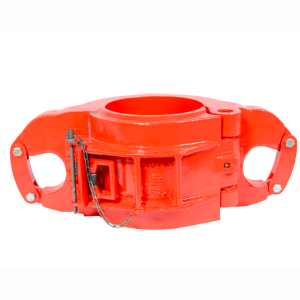
SGPE Hydraulic Elevator is a heavy-duty oilfield hoisting and tubular-handling tool for lifting, supporting and positioning drill pipe, casing, drill collars and production tubing during drilling, drill-string tripping, casing running, completion, workover and well-servicing operations.
The DDZH Hydraulic Elevator uses a split center-latch structure with hydraulic opening and closing, remote-control capability and interchangeable liners or inserts. This arrangement reduces repeated manual opening and closing during high-cycle tubular handling and allows one elevator body to cover several approved pipe sizes.
SGPE supplies DDZH-250 and DDZH-350 configurations with rated capacities of 250 and 350 short tons. Depending on the model and liner arrangement, the series covers selected 18° taper drill pipe, casing, drill collars and production tubing.
Typical applications include drill pipe tripping, stand handling, casing positioning, tubing running and pulling, drill collar lifting, BHA preparation, well completion, recompletion and production-well intervention. Suitable operating environments include land drilling rigs, offshore drilling units, jack-up rigs, workover rigs, pulling units and well-service equipment.
SGPE also supports model selection, hydraulic-interface review, liner and insert matching, replacement cross-reference, spare-parts enquiries, inspection requirements and project documentation. Drilling contractors, casing-running companies, workover contractors, oilfield service providers, EPC projects and international buyers can therefore select equipment around the actual tubular, load and rig program rather than a model number alone.
Email: info@sgpe.com
Tel / WhatsApp: +86 186-1599-5239
Product Short Description
SGPE Hydraulic Elevator is an oilfield tubular-handling tool for 18° taper drill pipe, casing, drill collars and production tubing. The DDZH series combines hydraulic opening and closing, remote operation, a split center-latch structure and interchangeable liners or inserts. DDZH-250 and DDZH-350 models provide rated capacities of 250 and 350 short tons for drilling, tripping, casing running, completion, offshore, workover and well-service operations.
DDZH Quick Specifications
| Parameter | Specification |
|---|---|
| Product Type | Oilfield Hydraulic Elevator |
| Series | DDZH |
| Main Models | DDZH-250 / DDZH-350 |
| Structure | Split-Type / Hydraulic Center Latch |
| Primary Function | Lift, support and position oilfield tubulars |
| Opening / Closing | Hydraulic |
| Remote Operation | Supported |
| Drill Pipe Profile | 18° taper drill pipe |
| Tubular Coverage | Drill pipe, casing, drill collars and production tubing |
| Rated Capacity | 250 / 350 short tons |
| Approx. Rated Load | 2,224 / 3,114 kN |
| Size Adjustment | Interchangeable liners or inserts |
| Typical Operations | Drilling, tripping, casing running, completion, workover and well servicing |
| Rig Types | Land, offshore, jack-up, workover and well-service rigs |
| Hydraulic Interface | Confirm for the selected configuration |
| Elevator Links | Confirm dimensions and rig compatibility |
| Applicable Requirements | According to project scope and applicable API Spec 8C requirements |
| Selection Basis | Tubular type, OD, lifting profile, capacity, rig and hydraulic interface |
Hydraulic pressure, flow, overall dimensions, net weight, link-eye dimensions, hose requirements and connection details can vary with the selected configuration. Confirm these parameters against approved technical documents before procurement or installation.
DDZH Technical Specifications
| Model | 18° Taper Drill Pipe | Casing | Drill Collar | Production Tubing | Rated Capacity | Approx. Load |
|---|---|---|---|---|---|---|
| DDZH-250 | 2 3/8–5 in | 4 1/2–5 in | 3 1/8–5 1/4 in | 2 3/8–4 1/2 in | 250 short tons | 2,224 kN |
| DDZH-350 | 2 3/8–6 5/8 in | 4 1/2–7 in | 3 1/8–6 3/4 in | 2 3/8–5 1/2 in | 350 short tons | 3,114 kN |
Pipe OD alone does not determine compatibility. Final selection must also consider tubular type, taper or lifting profile, required capacity, liner or insert configuration, elevator-link interface and operating conditions.
For replacement equipment, SGPE can review the existing manufacturer, model, nameplate, photographs, liner dimensions and available drawings before recommending a suitable configuration.
What Is a Hydraulic Elevator?
A hydraulic elevator forms part of the hoisting and tubular-handling system on a drilling rig, workover rig or well-service unit. It holds and positions compatible tubulars while the rig hoisting system raises, lowers or transfers the pipe string.
Traditional elevators rely more heavily on manual opening and closing. A hydraulic pipe elevator uses hydraulic power for these repeated functions, making it useful during drilling and well-service programs that involve frequent tubular movements.
During drilling, a DDZH configuration can support drill pipe running, pulling, stand handling and drill-string assembly. Suitable configurations can also handle casing during well construction, production tubing during completion and workover, and selected drill collars during BHA preparation.
Remote hydraulic operation allows the operator to control opening and closing from an appropriate working position rather than manually operating the elevator body during every cycle.
Oilfield buyers may also use terms such as oilfield hydraulic elevator, hydraulic drilling elevator, hydraulic tubular elevator, hydraulic center latch elevator, drill pipe elevator, remote control elevator or hydraulic power elevator. These terms do not always describe identical equipment. Technical comparison should focus on structure, tubular profile, rated capacity, liner system, hydraulic interface and control functions.
Key Features of the DDZH Series
Hydraulic Opening and Closing
The hydraulic system controls opening and closing during tubular-handling cycles. This reduces repeated manual operation when crews handle large numbers of pipe joints during drilling, casing running, completion or workover.
Hydraulic control is particularly useful during long tripping and tubing programs where the same operating cycle repeats throughout the job.
Remote-Control Operation
DDZH models support remote hydraulic control for opening and closing.
The system can support drill pipe tripping, casing positioning, tubing running, tubing pulling and drill collar handling where the rig arrangement allows remote operation.
Remote control does not automatically mean full automation. Projects that require PLC sequencing, powered tilting, position feedback, automatic interlocking or integration with automated pipe-handling equipment should specify those functions separately.
Split Center-Latch Design
The DDZH series uses a split center-latch structure.
With the correct liner or insert, one elevator body can cover several approved tubular sizes. Depending on the selected model, the same equipment family can handle drill pipe, casing, drill collars and production tubing within the published range.
This flexibility can simplify equipment planning when one rig program uses several approved tubular sizes.
Interchangeable Liners and Inserts
Liners or inserts match the elevator body to the required tubular diameter and lifting profile. Some suppliers also use the term bushing for related size-matching components.
A properly selected liner can expand tubular coverage and simplify spare-parts planning.
Nominal OD alone is not enough, however. Tubular type, taper, lifting profile, elevator model and rated capacity must also match the application.
DDZH-250 vs. DDZH-350
| Selection Point | DDZH-250 | DDZH-350 |
|---|---|---|
| Rated Capacity | 250 short tons | 350 short tons |
| Approx. Load | 2,224 kN | 3,114 kN |
| Max. 18° Drill Pipe OD | 5 in | 6 5/8 in |
| Max. Casing OD | 5 in | 7 in |
| Max. Drill Collar OD | 5 1/4 in | 6 3/4 in |
| Max. Tubing OD | 4 1/2 in | 5 1/2 in |
| Hydraulic Operation | Yes | Yes |
| Remote Control | Supported | Supported |
| Typical Selection | Common drilling and workover tubulars | Larger tubulars or higher-load programs |
The higher-capacity model is not automatically the better choice. Final selection should follow the actual pipe program, suspended load, lifting profile, liner arrangement, elevator links and hydraulic interface.
DDZH-250 Hydraulic Elevator
The DDZH-250 Hydraulic Elevator has a rated capacity of 250 short tons, approximately 2,224 kN, and is designed for common drilling, completion and workover tubular-handling programs.
Its published coverage includes 18° taper drill pipe up to 5 in, casing up to 5 in, drill collars up to 5 1/4 in and production tubing up to 4 1/2 in.
The DDZH-250 is a practical choice for projects where the required tubular sizes and suspended loads remain within the 250-ton range. With the correct liner or insert arrangement, it can support drill-string tripping, selected casing handling, tubing running and pulling, and drill collar handling without requiring the wider capacity of the DDZH-350.
Final selection should still confirm the tubular profile, liner configuration, elevator links and available hydraulic interface.
DDZH-350 Hydraulic Elevator
The DDZH-350 Hydraulic Elevator provides a rated capacity of 350 short tons, approximately 3,114 kN for larger tubulars and higher-load drilling or well-service programs.
Compared with the DDZH-250, it extends published coverage to 6 5/8 in drill pipe, 7 in casing, 6 3/4 in drill collars and 5 1/2 in production tubing.
The DDZH-350 is better suited to projects that require a wider tubular range or additional load capacity during drill-string tripping, casing running, completion, offshore drilling or workover operations. Interchangeable liners or inserts allow the elevator body to accommodate several approved tubular sizes within its operating range.
Before ordering, buyers should confirm the actual tubular program, lifting profile, required capacity, elevator-link interface and hydraulic-system requirements.
Applications by Tubular Type
Hydraulic Drill Pipe Elevator
The DDZH series supports selected 18° taper drill pipe during drilling and drill-string tripping. Its hydraulic opening and closing system is particularly useful where the elevator must cycle repeatedly during tripping in, tripping out and stand handling.
A compatible hydraulic drill pipe elevator can support drill pipe running, pulling, stand building, stand breakdown and drill-string assembly. It can also assist with pipe pickup and positioning as part of a mechanized rig-floor handling sequence.
For drill pipe applications, the lifting profile is as important as nominal OD. Projects requiring an 18° taper drill pipe elevator or hydraulic elevator for drill-string tripping should confirm the pipe profile, suspended load, liner or insert, elevator-link interface and available hydraulic system before final selection.
Hydraulic Casing Elevator
Selected DDZH configurations can support casing pickup, lifting and rig-floor positioning during well construction and selected workover operations.
A compatible hydraulic casing elevator may be used with approved surface, intermediate or production casing sizes where the tubular profile, rated load and liner arrangement match the selected DDZH model. Hydraulic operation can also reduce repeated manual opening and closing during casing-handling cycles.
Casing programs often vary significantly in diameter and lifting profile. For this reason, buyers should confirm the complete casing program rather than selecting equipment from one nominal size alone. Where the casing falls outside the DDZH operating range, SGPE can review a dedicated casing elevator solution.
Hydraulic Tubing Elevator
A hydraulic tubing elevator is especially relevant to completion, recompletion, workover and well-service operations where production tubing is repeatedly pulled, replaced and rerun.
Suitable DDZH configurations can support tubing running, tubing pulling, completion-string handling, tubing replacement, production-well repair, artificial-lift maintenance and selected well-intervention work. Remote hydraulic operation can be useful on workover rigs and pulling units where frequent handling cycles form a large part of the job.
For hydraulic tubing elevator for workover rig requirements, customers should provide the complete tubing-size program, lifting profile, required capacity, liner configuration and rig interface. This helps SGPE match the elevator to the actual running and pulling sequence rather than to tubing OD alone.
Hydraulic Drill Collar Elevator
Selected DDZH configurations can also handle drill collars during drilling, drill-string assembly and BHA preparation.
A compatible hydraulic drill collar elevator can assist with drill collar pickup, lifting and positioning before the component enters the drill string or bottom-hole assembly. This application can be particularly useful where drill collars must be handled repeatedly during BHA changes or drilling-tool preparation.
Drill collars require careful profile verification because their handling geometry may differ from standard drill pipe. Buyers should provide the actual drill collar OD, lifting profile, required load and available dimensional information so SGPE can review the correct elevator and liner arrangement.
Oil & Gas Industry Applications
Land Drilling & Drill-String Tripping
Land drilling rigs repeatedly handle drill pipe and drill collars throughout the well-construction program.
A suitable DDZH configuration can support tripping in, tripping out, stand handling, pipe pickup, drill collar movements and BHA preparation when the tubular dimensions and suspended load fall within the approved range.
Hydraulic operation becomes especially useful during long tripping sequences with repeated elevator cycles.
Deep, Directional, Horizontal & Extended-Reach Drilling
Deep, directional, horizontal and extended-reach wells can involve long drilling schedules and frequent drill-string trips.
Compatible configurations can support drill pipe handling, drill collar movements, BHA preparation and stand-building operations.
For these programs, evaluate the complete suspended load and hoisting arrangement rather than selecting an elevator only from nominal pipe diameter.
Casing Running & Well Construction
Suitable DDZH models can support selected casing during surface, intermediate and production casing programs.
The elevator can assist with casing pickup, lifting and rig-floor positioning before the joint enters the running sequence.
Because casing programs vary by diameter, connection design and lifting profile, customers should provide the actual tubular specification before ordering.
Offshore & Jack-Up Drilling
A compatible DDZH configuration can support tubular handling on offshore drilling units and jack-up rigs when the selected model matches the tubular size, load and rig interface.
Typical operations include drill pipe tripping, drill collar handling, selected casing work and completion tubing.
Offshore projects may also require additional NDT, material documentation, corrosion-protection requirements, third-party inspection or customer witness points. These requirements should be included in the RFQ.
Completion, Workover & Well Servicing
Workover rigs, pulling units and well-service rigs repeatedly pull, replace and rerun production tubing.
A compatible DDZH model can support tubing pulling, tubing running, tubing replacement, recompletion, production-well repair and artificial-lift maintenance.
For workover and well-service applications, provide the tubing sizes, lifting profile, required capacity and rig arrangement so SGPE can review the model and liner configuration.
Application & Selection Matrix
| Application | Typical Tubular | Main Selection Focus |
|---|---|---|
| Drill-String Tripping | Drill pipe | 18° profile, OD, capacity and cycle frequency |
| Land Drilling | Drill pipe / drill collars | Tubular range and hydraulic interface |
| Deep-Well Drilling | Drill pipe / drill collars | Suspended load and hoisting system |
| Directional / Horizontal Drilling | Drill pipe / BHA | Pipe profile and repeated trips |
| Extended-Reach Drilling | Drill string | Load, profile and rig system |
| Offshore / Jack-Up Drilling | Drill pipe / casing / DC | Interface, environment and documentation |
| Casing Running | Casing | OD, lifting profile and rated capacity |
| Well Completion | Production tubing | Tubing OD and liner selection |
| Workover / Recompletion | Tubing / selected casing | Frequent running and pulling |
| Well Servicing | Production tubing | Tubular range and rig interface |
| Well Intervention | Compatible tubing | Load and tubular specification |
| Artificial-Lift Maintenance | Tubing | Tubing size and workover program |
Rig Types & Mechanized Rig-Floor Integration
The DDZH series can support land drilling rigs, offshore drilling units, jack-up rigs, fixed offshore platforms, workover rigs, pulling units, well-service rigs and completion units when the selected configuration matches the tubular and hoisting program.
A remote-control DDZH elevator can also form part of a mechanized tubular-handling workflow.
Depending on rig layout, it may operate alongside the traveling block, elevator links, top drive, iron roughneck, drill pipe power tong, casing power tong, tubing power tong, hydraulic or pneumatic spider, power slips, automated catwalk and pipe-racking equipment.
Each rig uses a different arrangement. Projects that require top-drive integration, automatic sequencing, equipment interlocking or PLC communication should provide the required interfaces during technical clarification.
Hydraulic Elevator, Power Elevator & Automatic Elevator
The oilfield market uses terms such as hydraulic elevator, hydraulic power elevator, power elevator, remote control elevator and automatic hydraulic elevator for different levels of powered operation.
The DDZH series described here uses hydraulic power for opening and closing and supports remote operation.
Some automatic power elevators may add powered tilting, PLC sequencing, position feedback, automatic interlocking or direct communication with automated pipe-handling systems.
Buyers that require a highly automated solution should define the required functions instead of assuming that all powered elevators use the same operating system.
Hydraulic Center Latch vs. Hydraulic Side Door Elevator
| Feature | Hydraulic Center Latch | Hydraulic Side Door |
|---|---|---|
| Typical Reference | DDZH | CDZH-type equipment |
| Opening Arrangement | Split / center-latch | Side door |
| Powered Operation | Hydraulic | Depends on model |
| Tubular Coverage | Depends on model and liner | Depends on model |
| Replacement Review | Dimensions and interface required | Dimensions and interface required |
Center-latch and side-door elevators should not be treated as directly interchangeable.
A replacement review should compare rated capacity, body dimensions, elevator-link interface, tubular profile and hydraulic arrangement.
Hydraulic System & Rig Interface
| Item | Information to Provide |
|---|---|
| Hydraulic Power Source | Rig hydraulic system or dedicated HPU |
| Available Pressure | Actual operating pressure |
| Available Flow | Hydraulic flow |
| Connections | Fitting and connection type |
| Hoses | Required length and routing |
| Control Method | Local / remote |
| Elevator Links | Link dimensions and interface |
| Rig Installation | Hoisting and rig-floor arrangement |
| Top Drive Interface | State if required |
| Automation Interface | State signal / interlock requirements |
For replacement equipment, existing hydraulic-system data helps SGPE compare the proposed configuration with the current installation.
Do not assume pressure, flow, connection type or hose specification from the model designation alone. Confirm the final hydraulic data for the actual unit before installation.
API Spec 8C Requirements & Documentation
Projects that specify an API Spec 8C Hydraulic Elevator may require different manufacturing, testing, inspection and documentation scopes.
Customers should identify the applicable API Spec 8C edition and project requirements in the RFQ. The purchase specification should also state requirements for load-test records, material certificates, traceability, NDT, dimensional inspection and manufacturing documentation.
If a project requires third-party inspection, customer witness points, API Monogram status or another specific certification condition, state those requirements before production.
This allows SGPE to confirm the actual supply scope instead of assuming that every API-related order requires the same inspection and documentation package.
Construction & Main Components
A DDZH elevator typically includes the main elevator body, split-body structure, hinge assembly, latch and locking components, hydraulic actuator, hydraulic connections, control components, liners or inserts, pins, fasteners and wear components.
The selected configuration and approved manufacturing documents determine the exact materials, heat treatment, dimensions and inspection requirements.
How to Select the Right DDZH Elevator
Start with the tubular type, exact OD and lifting profile. For drill pipe, confirm whether the application uses an 18° taper.
Next, determine the required capacity from the actual tubular and well program. Do not choose a 250 Ton or 350 Ton model only because it accepts a particular pipe diameter.
After defining the load, identify every liner or insert required for the tubular program. Then confirm available hydraulic pressure, flow, hose connections, control method and elevator-link interface.
The final review should include the rig type, operating environment and documentation requirements. Offshore drilling, EPC contracts and operator-specific projects may require additional NDT, load testing, traceability or third-party inspection.
| Selection Item | Required Information |
|---|---|
| Tubular Type | Drill pipe / casing / drill collar / tubing |
| Tubular OD | Exact size or complete size range |
| Lifting Profile | 18° taper or other applicable profile |
| Rated Capacity | Required short tons / kN |
| Preferred Model | DDZH-250 / DDZH-350 / replacement |
| Liners / Inserts | Sizes and quantities |
| Rig Type | Land / offshore / jack-up / workover |
| Elevator Links | Existing dimensions |
| Hydraulic Supply | Pressure and flow |
| Hydraulic Connections | Hose and fitting details |
| Control Requirement | Local / remote |
| Automation Requirement | State separately if required |
| Inspection Scope | NDT / third party / witness |
| Documentation | Required certificates and reports |
| Quantity | Elevator bodies and spare parts |
| Destination | Country / port / project site |
Replacement Hydraulic Elevator, Spare Parts & Maintenance
Replacement & Cross-Reference Support
Many buyers need a replacement hydraulic elevator because an existing unit has become obsolete, damaged or difficult to source.
SGPE can review existing DDZH and other hydraulic elevator requirements when sufficient technical information is available.
For accurate cross-reference, provide the original manufacturer, model, nameplate and rated capacity together with the tubular range. Liner or bushing dimensions, elevator-body measurements, elevator-link dimensions and hydraulic data can also help confirm compatibility.
Photographs and drawings are particularly useful when manufacturers use similar model designations with different mechanical or hydraulic interfaces.
SGPE can review enquiries involving DDZH-250, DDZH-350 and selected DDZH-500, CDZH or CDZY reference requirements. Final compatibility should follow dimensional and technical review rather than model designation alone.
Hydraulic Elevator Spare Parts
SGPE can review spare-part requirements for compatible DDZH configurations.
Common requirements include hydraulic elevator liners, inserts, bushings, hinge pins, latch components, locking parts, hydraulic actuator components, seals, hoses, fittings, fasteners and other wear items.
Because parts can vary by model and production configuration, provide the equipment model, nameplate, photographs and available dimensions when requesting replacement components.
Inspection & Maintenance
Routine inspection should cover the elevator body, hinge, pins, latch, locking mechanism, liners and inserts.
The hydraulic actuator, hoses, fittings and connections should also be checked for visible damage or leakage. Loose fasteners, corrosion, deformation and abnormal wear require attention before the next lifting cycle.
Qualified personnel should perform critical repairs, NDT, load testing and major component replacement according to the applicable equipment and project requirements.
Hydraulic Elevator Manufacturer, Supplier & Project Support
Companies sourcing an oilfield hydraulic elevator manufacturer or supplier normally need more than a catalogue number.
The correct configuration depends on the model, tubular sizes, lifting profile, rated capacity, liner arrangement and available hydraulic system. Inspection, NDT, documentation, spare parts, export packing and delivery destination can also change the supply scope.
SGPE supports new-equipment and replacement enquiries for DDZH hydraulic elevators and can review project specifications before quotation.
For international procurement, customers can submit the tubular program, rig type, inspection requirements and destination so SGPE can prepare the equipment around the actual operating conditions.
Hydraulic Elevator Price, Cost & Quotation
A generic Hydraulic Elevator price rarely reflects the final project cost accurately.
Pricing depends on the selected DDZH model, rated capacity, tubular range, number of liners or inserts, hydraulic arrangement, spare-parts package and inspection requirements. Third-party inspection, documentation, export packing and delivery destination can also affect the commercial offer.
Buyers comparing a 250 Ton Hydraulic Elevator price, 350 Ton Hydraulic Elevator price, DDZH Hydraulic Elevator cost or oilfield hydraulic elevator for sale should provide the complete tubular and rig requirements.
SGPE can then prepare a technical configuration and commercial quotation based on the actual project rather than a generic list price.
Hydraulic Elevator RFQ Checklist
| RFQ Item | Information Required |
|---|---|
| Tubular Type | Drill pipe / casing / drill collar / tubing |
| Pipe Size | Exact OD or complete size range |
| Lifting Profile | 18° taper or other handling profile |
| Rated Capacity | Required short tons / kN |
| Preferred Model | DDZH-250 / DDZH-350 / replacement model |
| Rig Type | Land / offshore / jack-up / workover |
| Liners / Inserts | Sizes and quantities |
| Hydraulic Supply | Available pressure and flow |
| Connections | Hose and fitting requirements |
| Elevator Links | Dimensions and interface |
| Control | Local / remote / automation interface |
| Inspection | NDT / third party / witness |
| Documentation | Certificates and reports |
| Quantity | Elevator bodies and spare parts |
| Destination | Country / port / project site |
Providing this information helps SGPE review technical compatibility and prepare a more accurate quotation with fewer clarification cycles.
Frequently Asked Questions About Hydraulic Elevators
1. What is a Hydraulic Elevator used for in oil and gas operations?
A Hydraulic Elevator is used to lift, support and position compatible oilfield tubulars while the rig hoisting system raises, lowers or transfers the pipe string. Typical applications include drill-string tripping, drill pipe running and pulling, casing running, tubing handling, completion, workover and well servicing.
Depending on the model and liner configuration, an oilfield hydraulic elevator can handle selected drill pipe, casing, drill collars and production tubing. On land drilling rigs, offshore drilling units, jack-up rigs and workover rigs, hydraulic opening and closing can reduce repeated manual operation during high-cycle tubular-handling work.
2. What is a DDZH Hydraulic Elevator?
A DDZH Hydraulic Elevator is a split-type hydraulic center-latch elevator designed for oilfield tubular handling. The DDZH series uses hydraulic power for opening and closing and supports remote-control operation when connected to a suitable hydraulic system.
Interchangeable liners or inserts allow the elevator body to work with several approved tubular sizes. SGPE focuses on DDZH-250 and DDZH-350 configurations for selected 18° taper drill pipe, casing, drill collars and production tubing. The correct model depends on the tubular OD, lifting profile, required capacity, liner arrangement, elevator links and rig interface.
3. What tubulars can a DDZH Hydraulic Elevator handle?
Suitable DDZH configurations can handle selected 18° taper drill pipe, casing, drill collars and production tubing. During drilling operations, the elevator can support drill pipe tripping, stand handling and drill-string assembly. Compatible casing configurations can support selected casing-running work, while tubing configurations can be used during completion, recompletion and workover.
Selected DDZH models can also handle drill collars during pickup, lifting and BHA preparation. Because tubular profiles differ, buyers should confirm the actual OD, taper or lifting profile and required load rather than selecting an elevator from pipe diameter alone.
4. What rated capacities are available for DDZH Hydraulic Elevators?
SGPE focuses on the DDZH-250 Hydraulic Elevator and DDZH-350 Hydraulic Elevator, with rated capacities of 250 and 350 short tons, approximately 2,224 kN and 3,114 kN.
The DDZH-250 covers many common drilling, completion and workover tubular sizes, while the DDZH-350 provides a wider published tubular range and higher rated capacity. A larger elevator is not automatically the better choice. Model selection should follow the actual tubular program, suspended load, lifting profile, liner configuration, elevator-link interface and hydraulic system.
5. What pipe sizes can DDZH-250 and DDZH-350 Hydraulic Elevators handle?
The DDZH-250 covers selected 18° taper drill pipe from 2 3/8 to 5 in, casing from 4 1/2 to 5 in, drill collars from 3 1/8 to 5 1/4 in and production tubing from 2 3/8 to 4 1/2 in.
The DDZH-350 extends the published range to 2 3/8 to 6 5/8 in drill pipe, 4 1/2 to 7 in casing, 3 1/8 to 6 3/4 in drill collars and 2 3/8 to 5 1/2 in production tubing. Final compatibility must still be confirmed against the actual lifting profile, liner or insert and operating load.
6. Can one DDZH Hydraulic Elevator handle several tubular sizes?
Yes. A compatible DDZH elevator body can cover several approved tubular sizes by using the correct liners or inserts. Some oilfield equipment suppliers also use the term bushing for related size-matching components.
This arrangement can simplify equipment and spare-parts planning for drilling, casing-running and workover programs that use several pipe sizes. However, interchangeable liners do not make every tubular automatically compatible. Each size should be checked for tubular type, OD, taper or lifting profile, liner design, rated capacity and elevator model before the equipment enters service.
7. Is a Hydraulic Elevator the same as a Power Elevator or Automatic Elevator?
Not always. A Hydraulic Elevator uses hydraulic power for functions such as opening and closing. The DDZH series described on this page also supports remote hydraulic operation.
The terms power elevator, hydraulic power elevator, remote control elevator and automatic hydraulic elevator may describe equipment with different operating functions. Some automatic elevators can include powered tilting, PLC sequencing, position feedback, automatic interlocking or integration with automated pipe-handling systems. Buyers should therefore define the required functions clearly instead of assuming that every powered elevator provides the same level of automation.
8. Does the DDZH Hydraulic Elevator support remote-control operation?
Yes. DDZH configurations support remote hydraulic opening and closing when used with a suitable hydraulic supply and control arrangement.
Remote operation can be applied during drill pipe tripping, casing positioning, tubing running and pulling, drill collar handling and other repetitive tubular-handling operations. It can also support a more mechanized rig-floor workflow by reducing the need to operate the elevator body manually during every cycle. Before installation, the available hydraulic pressure, flow, hose arrangement, fittings and control method should be confirmed for the selected equipment.
9. Can DDZH Hydraulic Elevators be used on offshore, jack-up and workover rigs?
Yes, provided the selected elevator matches the tubular program, rated capacity, hydraulic system and rig interface. Suitable applications can include land drilling rigs, offshore drilling units, jack-up rigs, fixed offshore platforms, workover rigs, pulling units and well-service rigs.
On offshore and jack-up projects, the elevator can support drill pipe tripping, selected casing handling, drill collar movements and completion tubing. Workover and well-service applications can include tubing pulling, tubing running, recompletion, production-well repair and artificial-lift maintenance. Offshore projects may also specify additional NDT, documentation, corrosion-protection or third-party inspection requirements.
10. Can SGPE supply Hydraulic Elevators for API Spec 8C projects?
SGPE can review projects that specify applicable API Spec 8C requirements for hydraulic elevators and other oilfield hoisting equipment. The exact manufacturing, testing, inspection and documentation scope should be defined during the RFQ stage.
Customers should state the applicable API Spec 8C edition together with any requirements for load testing, NDT, material certificates, traceability, dimensional inspection, third-party inspection or customer witness points. If the project specifically requires API Monogram status or another certification condition, that requirement should also be stated before production so SGPE can confirm the applicable supply scope.
11. Can SGPE supply replacement Hydraulic Elevators, liners and spare parts?
Yes. SGPE can review replacement Hydraulic Elevator requirements as well as compatible liners, inserts, bushings and other spare parts for selected DDZH configurations.
For replacement or dimensional cross-reference projects, provide the existing manufacturer, model, nameplate, rated capacity and tubular range whenever possible. Photographs, drawings, liner dimensions, elevator-body measurements, elevator-link dimensions and hydraulic-system information can also help with technical comparison. Common spare-part enquiries may include liners, inserts, hinge pins, latch components, locking parts, hydraulic actuator components, seals, hoses, fittings and other wear items.
12. How much does a DDZH Hydraulic Elevator cost?
The price of a DDZH Hydraulic Elevator depends on more than the model number. A quotation can vary according to rated capacity, tubular range, liner or insert quantity, hydraulic configuration, spare-parts package, inspection scope, documentation requirements, order quantity and delivery destination.
For buyers comparing a 250 Ton Hydraulic Elevator price, 350 Ton Hydraulic Elevator price or replacement DDZH equipment, the best approach is to provide the complete tubular and rig program. SGPE can review the technical requirements, confirm a suitable DDZH configuration and prepare a corresponding commercial quotation based on the actual project scope.
Related Oilfield Handling Equipment
SGPE can also support Drill Pipe Elevators, Casing Elevators, Tubing Elevators, Drill Collar Elevators, Single Joint Elevators, Air Operated Elevators, Slip Type Elevators, DDZ Taper Elevators, Side Door Elevators and Elevator Links.
A broader tubular-handling package may include Rotary Slips, Casing Slips, Tubing Slips, Spiders, Safety Clamps, Manual Tongs, Power Tongs and Iron Roughnecks.
Where dedicated SGPE product pages already exist, each product name should link directly to the corresponding page.
Request an API 8C Hydraulic Elevator Quote from SGPE
Need a DDZH Hydraulic Elevator for drill pipe, casing, drill collars or production tubing?
SGPE can review projects that specify applicable API Spec 8C requirements and recommend a suitable configuration based on your tubular program, required capacity, rig type, lifting profile, hydraulic interface and liner or insert requirements.
For replacement equipment, SGPE can also review existing hydraulic elevators for dimensional and functional cross-reference. Providing the current manufacturer, model, nameplate, photographs, dimensions and hydraulic information can help improve the accuracy of the technical review.
To request a quotation, send us the tubular type, exact pipe sizes, required capacity, rig type, quantity, inspection scope, documentation requirements and delivery destination.
Email: info@sgpe.com
Tel / WhatsApp: +86 186-1599-5239