

Description
Non-Magnetic Integral Blade Stabilizer for Oilfield BHA and MWD/LWD Drilling
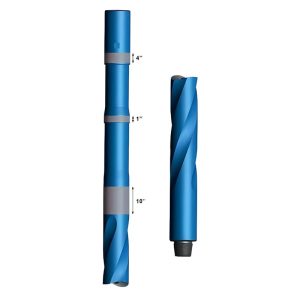
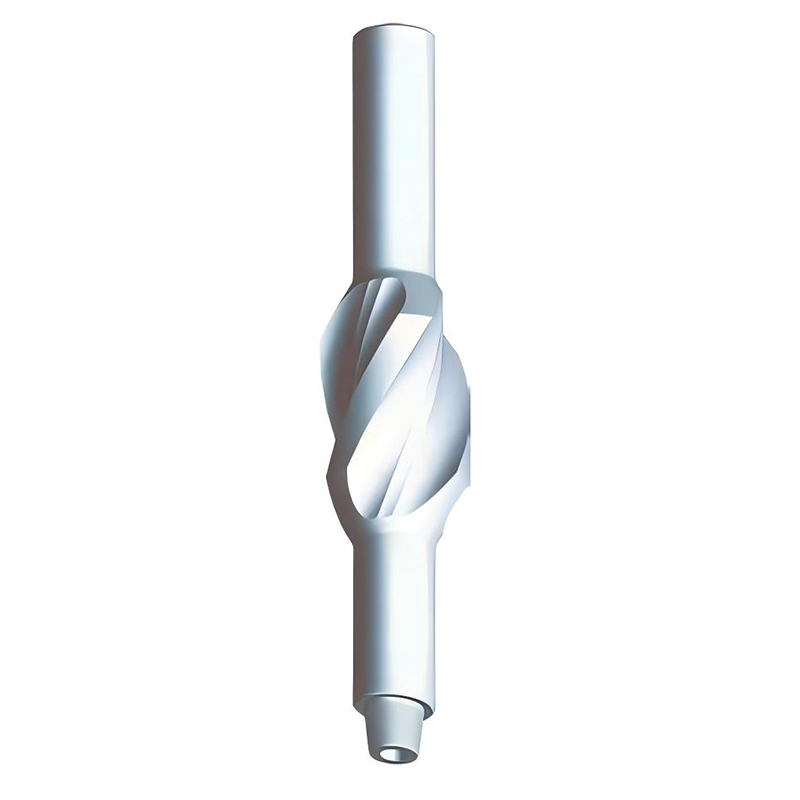
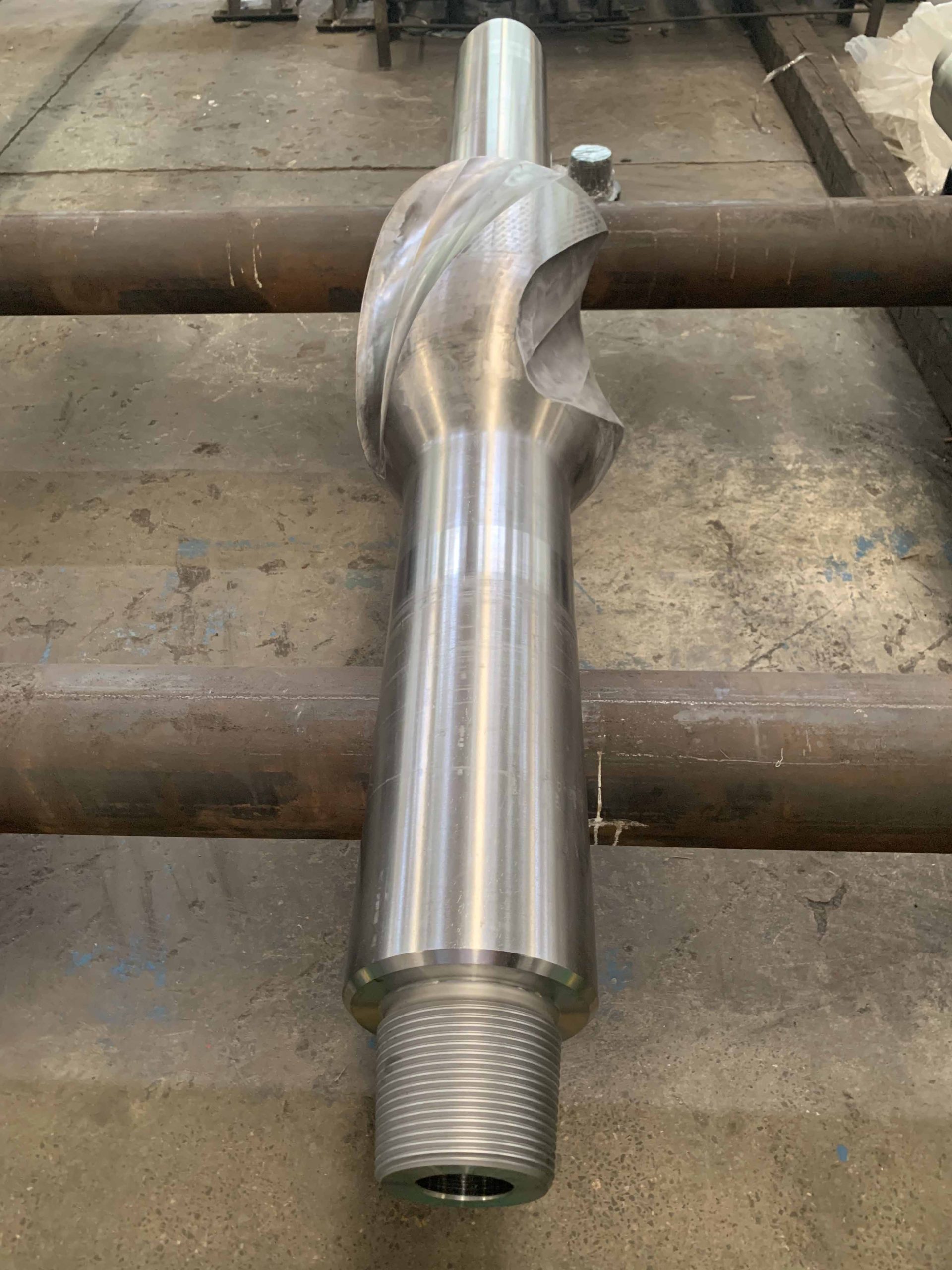
SGPE Non-Magnetic Integral Blade Stabilizer is a one-piece oilfield downhole stabilizer for directional drilling, horizontal drilling, high-angle wells, extended-reach wells and MWD/LWD drilling assemblies. It centralizes the bottom hole assembly, improves trajectory control, reduces drill string vibration and protects valuable downhole tools during oil and gas well drilling.
This product is also supplied as SGPE Non-Magnet Integral Blade Stabilizer in some oilfield tool specifications. Both names refer to the same non-magnetic drilling stabilizer used for BHA centralization, magnetic survey protection and wellbore stability in directional and horizontal drilling operations.
Modern well construction requires stable tool behavior, reliable survey data and a smoother wellbore. When the drill string runs close to MWD tools, LWD tools, magnetic survey instruments, non-magnetic drill collars, downhole motors or rotary steerable systems, engineers often select a non-magnetic BHA stabilizer to improve drilling stability without disturbing measurement accuracy.
SGPE manufactures this integral blade stabilizer from non-magnetic low carbon stainless steel. The tool combines one-piece blade construction, precision-machined connections and tungsten carbide hardfacing for demanding oilfield service. It can work near the bit or higher in the drill string. Near the bit, it improves bit control and supports the planned well path. Higher in the string, it centralizes drill collars, reduces borehole wall contact and supports smoother rotation.
SGPE offers custom blade OD, body OD, bore size, fishing neck length, crown length, blade taper angle, overall length, hardfacing type, blade profile and top and bottom connections. Send SGPE your hole size, well profile, connection requirements and formation details. Our team will recommend a suitable non-magnetic integral blade stabilizer for your drilling project.
What Is a Non-Magnetic Integral Blade Stabilizer?
A Non-Magnetic Integral Blade Stabilizer is a rotating downhole tool used to stabilize the bottom hole assembly during oil and gas well drilling. Its blades contact the borehole wall and keep the drilling assembly centered. This improves trajectory control, limits side movement and supports a cleaner wellbore profile.
The term integral blade means the stabilizer body and blades form one complete piece. This structure improves mechanical integrity and removes many weak points found in assembled stabilizer designs. With this one-piece construction, SGPE Integral Blade Stabilizer can handle torque, bending load, compression and impact in directional wells, horizontal wells and high-deviation drilling intervals.
The term non-magnetic describes the material properties of the tool. This feature matters in MWD and LWD drilling because measurement tools need a stable magnetic environment. A magnetic steel component near the survey section may disturb readings. A non-magnetic drilling stabilizer improves BHA centralization while protecting measurement reliability.
Why Oilfield Drilling Needs a Non-Magnetic Drilling Stabilizer
Directional wells, horizontal wells and extended-reach wells place high demands on drilling assembly stability. The drill string often faces side force, vibration, torque fluctuation and drag, especially in long tangent sections and horizontal laterals. Without proper stabilization, the assembly may lose directional control, wear faster and create an uneven wellbore.
SGPE Non-Magnetic Integral Blade Stabilizer improves drilling performance through stable centralization and controlled borehole contact. It reduces lateral shock, limits drill string vibration and protects downhole motors, rotary steerable tools, MWD tools, LWD tools, drill collars and drill pipe from unnecessary wear.
In measurement-sensitive BHA designs, the non-magnetic body provides another important advantage. It reduces magnetic interference near survey tools and gives the drilling team more reliable directional data. This benefit matters in reservoir navigation, horizontal shale wells, high-angle oil wells, gas wells and other drilling sections that require accurate well placement.
Main Oilfield Applications
SGPE Non-Magnetic Integral Blade Stabilizer serves drilling contractors, oilfield service companies, directional drilling companies, drilling tool rental companies, rig operators and oil and gas field development projects.
It suits onshore drilling operations where the drilling assembly needs stable centralization and dependable trajectory control. It also fits offshore well construction, where connection integrity, downhole reliability and tool stability matter. In directional wells, the stabilizer supports build, hold and tangent sections. In horizontal wells, it promotes smoother movement through long lateral intervals.
This non-magnetic stabilizer also works in MWD and LWD drilling assemblies. Engineers can place it near measurement tools that require magnetic compatibility. In high-deviation wells, it improves assembly behavior and reduces excessive side force. In wellbore conditioning operations, optional reamer and back-reamer features can remove tight spots, improve hole quality and reduce stuck pipe risk.
Typical applications include:
- Vertical oil wells
- Directional gas wells
- Horizontal shale wells
- Offshore development wells
- High-angle reservoir sections
- Sidetrack drilling
- Deep well drilling
- Extended-reach drilling
- MWD and LWD drilling assemblies
- Measurement-sensitive oilfield BHA designs
Technical Advantages of SGPE Non-Magnetic Integral Blade Stabilizer
SGPE builds this oilfield BHA stabilizer for strength, stability, magnetic compatibility and field adaptability.
The non-magnetic low carbon stainless steel body supports MWD and LWD drilling applications. It reduces magnetic interference near survey instruments and improves confidence in wellbore positioning.
The one-piece integral blade construction increases structural strength. The tool works under heavy drilling loads without relying on assembled blade sleeves.
The precision blade profile improves borehole contact and BHA centralization. Better centralization reduces vibration, drill string whirl and uneven wall contact.
The tungsten carbide hardfacing options improve wear resistance in different formations. SGPE offers HF1000, HF3000 and other hardfacing solutions for soft formations, abrasive formations, high-deviation wells and horizontal sections.
The API connection compatibility allows the stabilizer to match common oilfield BHA components. SGPE supplies NC, REG, double-shoulder and special connections according to customer requirements.
The custom manufacturing capability allows buyers to match the stabilizer to specific hole sizes, well profiles, BHA layouts and drilling objectives.
One-Piece Integral Blade Construction
The integral blade structure gives SGPE Non-Magnetic Integral Blade Stabilizer strong downhole performance. The one-piece design avoids separate sleeves and reduces assembly-related weak points. It also allows the stabilizer to withstand demanding drilling loads while maintaining stable blade geometry.
During drilling, the blades contact the borehole wall and centralize the bottom hole assembly. This improves bit stability, reduces side movement and supports the planned well path. At the same time, the stabilizer limits vibration transfer through the drill string and protects expensive downhole equipment.
SGPE offers straight blade and spiral blade configurations. Straight blade stabilizers provide strong contact support and simple geometry. Spiral blade stabilizers improve mud flow around the tool and support smoother rotation in many drilling conditions. Buyers can choose the blade style according to hole size, mud system, formation abrasiveness, well trajectory and BHA design.
For most oilfield BHA designs, 3-blade and 4-blade options cover common centralization needs. SGPE can recommend the blade number according to stabilizer OD, borehole condition and drilling objective.
Non-Magnetic Material for MWD and LWD Drilling
SGPE uses non-magnetic low carbon stainless steel for its Non-Magnetic Integral Blade Stabilizer. This material provides the magnetic compatibility and mechanical strength required for oilfield drilling. It allows the stabilizer to work close to MWD tools, LWD tools and other directional drilling instruments.
MWD and LWD tools monitor inclination, azimuth, toolface, gamma ray, resistivity and other downhole data. These readings guide the bit toward the target reservoir. However, magnetic interference from nearby steel tools may reduce survey accuracy. For this reason, non-magnetic BHA components play an important role in modern directional drilling.
A non-magnetic integral blade stabilizer improves drilling assembly stability without adding unwanted magnetic disturbance near the measurement section. Therefore, the drilling team can maintain better well placement, reduce correction runs and improve drilling confidence.
Hardfacing Options for Oilfield Drilling Formations
Hardfacing protects stabilizer blades from wear during oil and gas well drilling. Since the blades contact the borehole wall during rotation, they need strong resistance against abrasion, impact and friction. SGPE offers different hardfacing options to match formation type, drilling conditions and expected wear level.
HF1000 Hardfacing
HF1000 hardfacing uses crushed tungsten carbide retained in a nickel bronze matrix. The carbide grain structure provides strong wear resistance and stable surface protection. This option suits soft formations and general oilfield drilling applications where the stabilizer needs reliable blade protection without excessive aggressiveness.
HF1000 maintains blade OD, supports stable BHA centralization and reduces performance loss caused by blade wear. It works well in intervals where the formation does not create severe abrasion but still requires dependable tool life.
HF3000 Hardfacing
HF3000 hardfacing uses trapezoidal tungsten carbide inserts held in a sintered carbide nickel bronze matrix. This structure provides deeper carbide coverage and stronger wear resistance. It suits abrasive formations, high-deviation drilling and demanding horizontal well sections where the stabilizer faces heavy borehole contact.
In horizontal wells and extended-reach drilling sections, stabilizer blades may experience higher side force and longer sliding contact. HF3000 allows the tool to maintain its working diameter and extend service life in challenging oilfield conditions.
Custom Hardfacing Selection
SGPE can recommend suitable hardfacing according to the well plan. Buyers can provide formation type, hole size, mud type, expected interval and previous wear history. With these details, SGPE can select a practical hardfacing solution for the oilfield application.
Reamer and Back-Reamer Options for Wellbore Conditioning
Some drilling projects require stabilizers with reamer and back-reamer functions. SGPE can add cutting structures at both ends of the blades. This design supports bidirectional cutting when drilling in and pulling out.
During drilling, the reamer structure conditions the borehole wall, removes minor restrictions and improves hole smoothness. During tripping out, the back-reamer structure guides the tool through tight spots more easily. This feature can reduce hole shrinkage problems, lower stuck pipe risk and improve tripping efficiency.
Buyers often consider this option for unstable formations, swelling shale, high-angle intervals, long horizontal laterals and wells that need smoother casing running after drilling.
API Connections and Thread Protection
Connection quality plays a key role in oilfield drilling tools. The stabilizer must connect securely with non-magnetic drill collars, standard drill collars, subs, drilling jars, downhole motors or other BHA components. SGPE provides API connections and special connection options according to customer requirements.
Common connection options include NC23, NC26, NC38, NC46, NC50, 2 3/8 REG, 3 1/2 REG, 4 1/2 REG, 6 5/8 REG and 7 5/8 REG. SGPE can also machine double-shoulder connections and special connections when the drilling assembly requires higher torque capacity or specific compatibility.
SGPE can apply cold rolling, phosphating, copper plating, coating and thread protectors to improve thread surface quality and protect the connections during storage, transportation, rig handling and field operation.
Common Specifications of SGPE Non-Magnetic Integral Blade Stabilizer
The following common sizes support preliminary selection for oilfield BHA design. Final dimensions should match the well program, hole size, bit size, drill collar size, connection compatibility, drilling trajectory and formation condition.
Small Hole Non-Magnetic Integral Blade Stabilizer Sizes
This table covers small Non-Magnetic Integral Blade Stabilizer sizes for slim-hole drilling, directional drilling, near-bit stabilization and MWD/LWD BHA applications.
| Stabilizer OD | Body OD | Bore | Fishing Neck Length | Crown Length | Overall Length | Common Connection Options |
|---|---|---|---|---|---|---|
| 3 3/4 in / 95.3 mm | 3 1/8 in / 79.4 mm | 1 1/4 in / 31.8 mm | 26 in / 660 mm | 10 in / 254 mm | 58 in / 1480 mm | NC23, 2 3/8 REG |
| 4 1/2 in / 114.3 mm | 3 1/2 in / 88.9 mm | 1 1/2 in / 38.1 mm | 26 in / 660 mm | 10 in / 254 mm | 59 in / 1500 mm | NC26, 2 3/8 REG |
| 5 1/2 in / 139.7 mm | 4 3/4 in / 120.6 mm | 2 in / 50.8 mm | 30 in / 762 mm | 12 in / 305 mm | 68 in / 1730 mm | NC38, 3 1/2 REG |
| 6 in / 152.4 mm | 4 3/4 in / 120.6 mm | 2 in / 50.8 mm | 30 in / 762 mm | 12 in / 305 mm | 69 in / 1760 mm | NC38, 3 1/2 REG |
Medium Hole Non-Magnetic Integral Blade Stabilizer Sizes
This table covers medium Non-Magnetic Integral Blade Stabilizer sizes for directional wells, horizontal wells, oilfield BHA control, near-bit stabilizer applications and string stabilizer applications.
| Stabilizer OD | Body OD | Bore | Fishing Neck Length | Crown Length | Overall Length | Common Connection Options |
| 7 1/2 in / 190.5 mm | 6 1/2 in / 165.1 mm | 2 13/16 in / 71.4 mm | 30 in / 762 mm | 16 in / 406 mm | 72 in / 1830 mm | NC46, 4 1/2 REG |
| 7 7/8 in / 200 mm | 6 1/2 in / 165.1 mm | 2 13/16 in / 71.4 mm | 30 in / 762 mm | 16 in / 406 mm | 72 in / 1830 mm | NC46, 4 1/2 REG |
| 8 in / 203.2 mm | 6 3/4 in / 171 mm | 2 13/16 in / 71.4 mm | 30 in / 762 mm | 16 in / 406 mm | 73 in / 1860 mm | NC50, 4 1/2 REG |
| 8 1/2 in / 215 mm | 6 3/4 in / 171 mm | 2 13/16 in / 71.4 mm | 30 in / 762 mm | 16 in / 406 mm | 73 in / 1860 mm | NC50, 4 1/2 REG |
| 9 1/2 in / 241.3 mm | 6 3/4 in / 171 mm | 2 13/16 in / 71.4 mm | 30 in / 762 mm | 16 in / 406 mm | 75 in / 1900 mm | NC50, 4 1/2 REG |
| 12 in / 304.8 mm | 8 in / 203.2 mm | 2 13/16 in / 71.4 mm | 30 in / 762 mm | 18 in / 457 mm | 79 in / 2010 mm | 6 5/8 REG |
| 12 1/4 in / 311 mm | 8 in / 203.2 mm | 2 13/16 in / 71.4 mm | 30 in / 762 mm | 18 in / 457 mm | 79 in / 2010 mm | 6 5/8 REG |
Large Hole Non-Magnetic Integral Blade Stabilizer Sizes
This table covers large and extra-large Non-Magnetic Integral Blade Stabilizer sizes for large-hole drilling, offshore drilling, extended-reach wells, high-deviation wells and heavy-duty oilfield BHA stabilization.
| Stabilizer OD | Body OD | Bore | Fishing Neck Length | Crown Length | Overall Length | Common Connection Options |
| 14 3/4 in / 374 mm | 8 in / 203.2 mm | 2 13/16 in / 71.4 mm | 30 in / 762 mm | 18 in / 457 mm | 84 in / 2140 mm | 6 5/8 REG |
| 16 in / 406.4 mm | 9 1/2 in / 241.3 mm | 3 in / 76.2 mm | 30 in / 762 mm | 20 in / 508 mm | 85 in / 2160 mm | 7 5/8 REG |
| 17 1/2 in / 444 mm | 9 1/2 in / 241.3 mm | 3 in / 76.2 mm | 30 in / 762 mm | 20 in / 508 mm | 88 in / 2240 mm | 7 5/8 REG |
| 20 in / 508 mm | 9 1/2 in / 241.3 mm | 3 in / 76.2 mm | 30 in / 762 mm | 20 in / 508 mm | 92 in / 2340 mm | 7 5/8 REG |
| 24 in / 609.6 mm | 9 1/2 in / 241.3 mm | 3 in / 76.2 mm | 32 in / 813 mm | 20 in / 508 mm | 97 in / 2460 mm | 7 5/8 REG |
| 30 in / 762 mm | 9 1/2 in / 241.3 mm | 3 in / 76.2 mm | 34 in / 864 mm | 20 in / 508 mm | 107 in / 2720 mm | 7 5/8 REG |
| 36 in / 914 mm | 9 1/2 in / 241.3 mm | 3 in / 76.2 mm | 36 in / 914 mm | 20 in / 508 mm | 120 in / 3050 mm | 7 5/8 REG |
SGPE can customize other dimensions for specific oilfield drilling projects. Buyers can send the required hole size, BHA layout, top and bottom connections, drilling interval, formation condition and stabilizer position for technical confirmation.
Need a Custom Non-Magnetic Stabilizer for Your BHA?
SGPE can help confirm a suitable model when your drilling assembly requires a custom non-magnetic stabilizer. Please send the hole size, blade OD, body OD, bore size, connection type, blade style, hardfacing requirement and BHA position. SGPE will review the downhole environment and provide model selection support for your oilfield application.
Near-Bit Stabilizer for Petroleum Drilling
A near-bit stabilizer sits close to the drill bit in the BHA. In oil and gas well drilling, this position improves bit control and reduces unwanted bit movement. It also supports the planned trajectory in directional wells, high-angle wells and horizontal sections.
When drilling through reservoir targets or steering through complex formations, a near-bit stabilizer allows the bit to follow the required path more smoothly. This improves drilling accuracy and can reduce excessive correction runs. Better bit stability can also improve borehole quality and support later casing and completion operations.
SGPE provides Non-Magnetic Integral Blade Stabilizers for near-bit use when the BHA includes MWD tools, LWD tools, downhole motors or rotary steerable systems. The final design should match hole size, bit size, motor bend setting, directional plan and borehole condition.
String Stabilizer for Oilfield BHA Control
A string stabilizer sits higher in the drill string or bottom hole assembly. It centralizes drill collars, reduces borehole wall contact and supports smoother rotation. In oil and gas wells, string stabilizers control vibration and reduce bending stress on the drilling assembly.
This application matters in deep wells, deviated wells, horizontal wells and extended-reach drilling. These wells often create higher drag, side force and vibration. A properly positioned string stabilizer keeps the BHA more stable and protects drilling tools from unnecessary shock.
SGPE can help customers choose the right combination of near-bit and string stabilizers according to well profile, drilling objective and BHA design.
Oilfield BHA Compatibility
SGPE Non-Magnetic Integral Blade Stabilizer can work with many drilling BHA components, including non-magnetic drill collars, standard drill collars, drilling jars, shock subs, downhole motors, rotary steerable tools, MWD tools, LWD tools and other downhole drilling tools.
For directional drilling BHAs, the stabilizer improves centralization while maintaining a suitable environment for measurement tools. For rotary drilling assemblies, it improves borehole contact and reduces unstable tool movement. For high-angle and horizontal wells, it improves BHA behavior through difficult intervals.
Each drilling project has unique requirements. SGPE recommends confirming stabilizer placement during BHA design. Important factors include hole size, bit size, motor assembly, build rate, formation type, mud properties, expected torque and drag, and connection compatibility.
Manufacturing and Quality Focus
SGPE focuses on material quality, machining accuracy, thread quality and hardfacing reliability. The company manufactures the stabilizer body from non-magnetic low carbon stainless steel for oilfield directional drilling requirements. It controls critical dimensions such as blade OD, body OD, bore size, fishing neck length, crown length and overall length.
Thread processing also receives careful attention. SGPE can perform cold rolling on connections and provide surface protection such as phosphating or copper plating. In addition, the company supplies coating and thread protectors to protect connections during transportation and storage.
For blade protection, SGPE applies suitable tungsten carbide hardfacing according to the customer’s drilling environment. This improves wear resistance and maintains stabilizer performance in oilfield service.
Before delivery, SGPE checks main dimensions, connection details, blade condition and surface treatment. This quality focus allows customers to receive stabilizers that match the confirmed drilling requirements.
Custom Options from SGPE
SGPE supports customized Non-Magnetic Integral Blade Stabilizers for different oilfield drilling projects. Customers can specify required hole size or blade OD, body OD, bore size, number of blades, straight or spiral blade style, near-bit or string application, hardfacing type, top and bottom connection, fishing neck length, crown length, blade taper angle and overall length.
SGPE can also provide double-shoulder connections, special connections, SRG connection requirements, bored-for-float designs and reamer or back-reamer features. This flexibility allows drilling contractors and oilfield service companies to match the stabilizer to the actual well plan instead of forcing the BHA to fit a standard tool.
How to Select the Right Non-Magnetic Integral Blade Stabilizer
Correct stabilizer selection starts with the drilling plan. Buyers should confirm hole size, bit size, well type, drilling section, BHA layout and measurement tool position. Then they should decide whether the stabilizer will work as a near-bit stabilizer or a string stabilizer.
Formation conditions also matter. Soft formations may use HF1000 hardfacing, while abrasive formations and high-deviation intervals may require HF3000 or another heavy-duty hardfacing option. Connection compatibility also needs careful confirmation because the stabilizer must match the surrounding BHA components.
For MWD and LWD drilling, customers should confirm the non-magnetic requirement and the distance between the stabilizer and measurement tools. SGPE can review these details and recommend a practical design for the oilfield application.
Why Choose SGPE
SGPE supplies Non-Magnetic Integral Blade Stabilizers for petroleum drilling, directional drilling, horizontal drilling, MWD/LWD drilling and oilfield BHA control. The company offers non-magnetic material selection, one-piece integral blade construction, tungsten carbide hardfacing, API connection compatibility and flexible customization.
SGPE also supports buyers with model selection, dimensional confirmation, hardfacing recommendations and connection matching. Whether the project involves directional drilling, horizontal drilling, offshore drilling, onshore drilling, MWD drilling, LWD drilling or high-deviation well construction, SGPE can match the stabilizer to the actual BHA and drilling condition.
With both standard models and customized stabilizer solutions, SGPE helps drilling contractors, oilfield service companies, tool rental companies and rig operators choose a stabilizer that fits the actual well plan and downhole environment.
Ordering Information
To request a quotation for SGPE Non-Magnetic Integral Blade Stabilizer, please provide the required hole size or blade OD, body OD, bore size, number of blades, blade style, near-bit or string stabilizer application, hardfacing type, top and bottom connections, fishing neck length, crown length, overall length and any special connection requirements.
Please also share the drilling environment, such as well type, formation condition, MWD or LWD requirement, high-deviation interval, horizontal section length and expected wear condition.
After receiving the information, SGPE will review the oilfield application and provide model selection support, technical details and a competitive quotation.
Frequently Asked Questions About SGPE Non-Magnetic Integral Blade Stabilizer
1. What does a Non-Magnetic Integral Blade Stabilizer do in oil and gas well drilling?
A Non-Magnetic Integral Blade Stabilizer centralizes the bottom hole assembly during oil and gas well drilling. Its blades contact the borehole wall and guide the drilling assembly through the planned well path. The tool improves trajectory control, reduces drill string vibration and protects drill collars, MWD tools, LWD tools, downhole motors and rotary steerable systems.
Drilling teams often use this non-magnetic drilling stabilizer in directional wells, horizontal wells, high-angle wells and measurement-sensitive BHA designs.
2. Why do MWD and LWD drilling assemblies need a non-magnetic stabilizer?
MWD and LWD tools rely on accurate downhole measurement data, especially in directional wells and horizontal reservoir sections. A magnetic steel component near the measurement section may disturb survey readings and reduce drilling confidence. A non-magnetic BHA stabilizer improves centralization without adding magnetic interference.
SGPE Non-Magnetic Integral Blade Stabilizer uses non-magnetic low carbon stainless steel, so it can work close to MWD tools, LWD tools, magnetic survey instruments and non-magnetic drill collars.
3. What is the difference between a Non-Magnetic Integral Blade Stabilizer and a standard drilling stabilizer?
A standard drilling stabilizer mainly focuses on BHA centralization and vibration control. A Non-Magnetic Integral Blade Stabilizer adds magnetic compatibility for directional drilling and MWD/LWD operations. It supports stable wellbore contact while protecting survey accuracy near measurement tools.
SGPE also uses a one-piece integral blade structure, so the body and blades form a strong continuous component. This design allows the stabilizer to handle torque, bending load, compression and impact in demanding oilfield drilling conditions.
4. How does the integral blade design improve downhole drilling performance?
The integral blade design gives the stabilizer a strong one-piece structure. Since the body and blades form one complete component, the tool avoids sleeve movement and reduces weak points in the drilling assembly. This design improves mechanical strength and maintains a stable working diameter during drilling.
The blade profile also improves BHA centralization, reduces drill string whirl and supports smoother rotation. For directional drilling, horizontal drilling and high-deviation wells, this structure allows the bit to follow the planned well path more consistently.
5. When should drilling crews use a near-bit non-magnetic stabilizer?
Drilling crews often use a near-bit non-magnetic stabilizer when they need better bit control, smoother wellbore quality and more accurate trajectory response. A near-bit stabilizer sits close to the drill bit and reduces bit walk, lateral movement and unstable drilling behavior. This position works well in directional wells, horizontal sections, high-angle intervals and reservoir steering applications.
When the BHA includes MWD tools, LWD tools, downhole motors or rotary steerable systems, SGPE can recommend a suitable near-bit stabilizer design based on hole size, bit size, motor setting and well profile.
6. When should buyers choose a string stabilizer for oilfield BHA control?
A string stabilizer works higher in the drill string or bottom hole assembly. It centralizes drill collars, reduces borehole wall contact and controls vibration in deeper or more complex drilling sections. Buyers often choose a string stabilizer for deviated wells, horizontal wells, extended-reach wells and intervals with high torque and drag.
In these conditions, better BHA centralization can reduce bending stress, improve drilling smoothness and protect downhole tools. SGPE can match the string stabilizer size, blade style, hardfacing and connection type to the drilling plan.
7. Which hardfacing option should I choose, HF1000 or HF3000?
HF1000 and HF3000 suit different oilfield drilling formations. HF1000 uses crushed tungsten carbide in a nickel bronze matrix. It works well in soft formations and general drilling applications where the stabilizer needs reliable wear protection. HF3000 uses trapezoidal tungsten carbide inserts in a sintered carbide nickel bronze matrix.
It provides deeper carbide coverage and stronger wear resistance for abrasive formations, high-deviation wells and long horizontal sections. To choose the right hardfacing, buyers should consider formation abrasiveness, hole size, expected drilling interval, mud system, side force and previous stabilizer wear history.
8. Can SGPE customize the Non-Magnetic Integral Blade Stabilizer for a specific drilling program?
Yes. SGPE can customize Non-Magnetic Integral Blade Stabilizers according to the buyer’s oilfield BHA design. Common custom options include blade OD, body OD, bore size, fishing neck length, crown length, blade taper angle, overall length, straight or spiral blade profile, 3-blade or 4-blade structure, hardfacing type and top and bottom connections.
SGPE can also support reamer features, back-reamer features, double-shoulder connections, special threads, SRG connection requirements and bored-for-float designs. Buyers can send hole size, well type, BHA layout and formation details for technical confirmation.
9. What connection types does SGPE provide for non-magnetic drilling stabilizers?
SGPE can provide common oilfield drilling connections for Non-Magnetic Integral Blade Stabilizers, including NC23, NC26, NC38, NC46, NC50, 2 3/8 REG, 3 1/2 REG, 4 1/2 REG, 6 5/8 REG and 7 5/8 REG. SGPE can also machine double-shoulder connections and special connections when the drilling assembly requires higher torque capacity or specific compatibility.
In addition, thread protection options such as cold rolling, phosphating, copper plating, coating and thread protectors are available for storage, transportation and rig-site handling.
10. How do reamer and back-reamer options improve wellbore conditioning?
Reamer and back-reamer options improve wellbore condition during drilling and tripping operations. A reamer structure can clean minor restrictions, condition the borehole wall and improve hole smoothness while drilling ahead. A back-reamer structure can guide the tool through tight spots during pull-out operations.
This feature can reduce hole shrinkage problems, lower stuck pipe risk and improve tripping efficiency. Buyers often consider this option for unstable formations, swelling shale, high-angle intervals, long horizontal laterals and wells that need smoother casing running after drilling.
11. What information should I provide before ordering a custom non-magnetic BHA stabilizer?
To get a suitable quotation, buyers should provide hole size, required blade OD, body OD, bore size, blade style, number of blades, near-bit or string stabilizer position, hardfacing requirement and top and bottom connection types. It also helps to share well type, drilling interval, formation condition, MWD/LWD requirement, expected torque and drag, mud system and quantity.
With this information, SGPE can review the application and recommend a practical non-magnetic integral blade stabilizer for the drilling assembly.
12. Why choose SGPE for Non-Magnetic Integral Blade Stabilizers?
SGPE supplies Non-Magnetic Integral Blade Stabilizers for petroleum drilling, directional drilling, horizontal drilling, MWD/LWD drilling and oilfield BHA control. The company offers non-magnetic material selection, one-piece integral blade construction, tungsten carbide hardfacing, API connection compatibility and flexible customization.
SGPE also supports buyers with model selection, dimensional confirmation, hardfacing recommendations and connection matching. This allows drilling contractors, oilfield service companies, tool rental companies and rig operators to choose a stabilizer that fits the actual well plan and downhole environment.
Request a Quote from SGPE
If you need a Non-Magnetic Integral Blade Stabilizer, Non-Magnet Integral Blade Stabilizer, non-magnetic drilling stabilizer, oilfield BHA stabilizer, near-bit stabilizer, string stabilizer or integral blade stabilizer for directional drilling, horizontal drilling, MWD drilling or LWD drilling, SGPE can help you choose the right design.
E-Mail:
info@sgpe.com