Description
Pneumatic Spinning Wrench for Drill Pipe & Drill Collars on Drilling Rigs
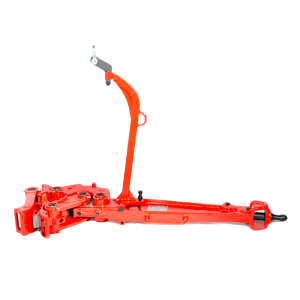
SGPE supplies Pneumatic Spinning Wrench equipment for fast drill pipe and drill collar spin-in and spin-out during oil and gas drilling operations.
The wrench uses compressed air, reduction gearing and friction drive rollers to rotate drilling tubulars in either direction. It handles the rapid spinning stage of a threaded connection, while a manual tong, power tong or another approved torque system normally handles final make-up and initial breakout torque.
This setup suits conventional drilling rigs that use separate equipment for spinning and torquing. It also gives drilling contractors a practical way to replace spinning rope, spinning chain or worn legacy spinner equipment without rebuilding the complete rig-floor handling system.
SGPE can review requirements for Q140-200 Pneumatic Spinning Wrench, Q254-250 Pneumatic Spinning Wrench, Pneumatic Safety Spinning Wrench, Drill Pipe Spinner, Drill Pipe/Drill Collar Spinner and selected SSW40 replacement projects.
Depending on the model and configuration, available gripping ranges can extend from approximately 2-7/8 in to 10 in. Typical Q-series equipment provides pneumatic clamping, adjustable gripping ranges, forward and reverse rotation, and spinning speeds up to approximately 120 rpm.
Common applications include land drilling rigs, offshore drilling units, jack-up rigs, drill-string tripping, stand building, drill-string assembly, drill collar handling and selected BHA preparation. The same equipment can also support rig refurbishment, brownfield upgrades, drilling contractor fleet renewal and oilfield EPC packages.
Oilfield buyers may also refer to this equipment as an Air Spinning Wrench, Drill Pipe Spinner, Drill Pipe Spinning Wrench, Air Pipe Spinner, Pneumatic Pipe Spinner, Oilfield Pipe Spinner, Rig Floor Spinning Wrench, Pneumatic Safety Spinning Wrench or Drill Collar Spinning Wrench.
For new equipment, replacement units or spare-parts requirements, SGPE can review the tubular program, actual gripping OD, tool-joint OD, available rig air pressure, airflow capacity, rig-floor space and suspension arrangement before quotation.
Email: info@sgpe.com
Tel / WhatsApp: +86 186-1599-5239
Pneumatic Spinning Wrench at a Glance
| Item | Typical Information |
|---|---|
| Main Function | Drill pipe / drill collar spin-in and spin-out |
| Power Source | Compressed Air |
| Main Models | Q140-200 / Q254-250 |
| Legacy Replacement Review | SSW40-type and other pneumatic spinners |
| Typical Pipe Range | Approx. 2-7/8–10 in depending on model |
| Rotation | Forward / Reverse |
| Maximum Reference Speed | Up to approx. 120 rpm |
| Main Tubulars | Drill Pipe / Selected Drill Collars |
| Typical Rig Types | Land / Offshore / Jack-Up |
| Main Applications | Tripping, stand building, drill-string assembly, BHA preparation |
| Supply Scope | New equipment / replacement / spare parts / project packages |
What Is a Pneumatic Spinning Wrench?
A Pneumatic Spinning Wrench is an air-powered rig-floor tool used to rotate drill pipe or drill collars quickly during threaded connection work.
Its main function is rapid spinning rather than final controlled torquing.
During make-up, the spinner rotates the pin into the box until the connection reaches the point where the torque equipment can complete final make-up.
During breakout, a power tong, manual tong or another suitable torque tool first loosens the connection. The spinner then rotates the released tubular until the threads separate.
This workflow supports repeated drill-string connections during tripping in, tripping out, drill pipe make-up, drill pipe breakout, stand building, drill-string assembly and drill collar handling.
A drilling contractor may call the equipment a Drill Pipe Spinner or Air Spinning Wrench, while another tender may specify a Pneumatic Pipe Spinner, Pneumatic Safety Spinning Wrench, Oilfield Pipe Spinner or Rig Floor Spinning Wrench.
These names describe closely related equipment, but they do not guarantee identical specifications. Buyers should compare the gripping range, air demand, spinning torque, roller arrangement, control system, suspension and overall dimensions before ordering.
Q140-200 vs. Q254-250 Pneumatic Spinning Wrench
| Selection Item | Q140-200 | Q254-250 |
|---|---|---|
| Main Application | Drill Pipe | Drill Pipe / Drill Collar |
| Common OD Range | 3-1/2–5-1/2 in | 3-1/2–10 in |
| Selected Extended Range | Down to approx. 2-7/8 in on some versions | Down to approx. 2-7/8 in on selected versions |
| Maximum Brake Torque | Approx. 2,000 N·m | Approx. 2,500 N·m |
| Maximum Spinning Speed | Approx. 90 rpm | Approx. 120 rpm |
| Typical Air Consumption | Approx. 10.3 m³/min | Approx. 15 m³/min |
| Typical Rig Type | Land / Offshore | Land / Offshore / Jack-Up |
| Typical Selection | Common drill pipe program | Wider drill pipe / drill collar program |
The Q140-200 Pneumatic Spinning Wrench can suit common drill pipe programs where a compact air operated drill pipe spinner is required.
The Q254-250 Pneumatic Spinning Wrench provides a wider gripping range and can support selected drill collars in addition to drill pipe.
Final selection should follow the actual gripping OD, tool-joint OD, required spinning speed, available airflow and rig-floor installation dimensions.
Technical Specifications
The following values provide a practical reference for common Q-series pneumatic spinning equipment.
| Parameter | Q140-200 | Q254-250 |
|---|---|---|
| Product Type | Pneumatic Spinning Wrench | Pneumatic Spinning Wrench |
| Industry | Oil & Gas Drilling | Oil & Gas Drilling |
| Power Source | Compressed Air | Compressed Air |
| Main Tubular | Drill Pipe | Drill Pipe / Drill Collar |
| Common OD Range | 3-1/2–5-1/2 in | 3-1/2–10 in |
| Metric Range | 88.9–139.7 mm | 88.9–254 mm |
| Selected Minimum OD | Approx. 2-7/8 in on some versions | Approx. 2-7/8 in on selected versions |
| Working Air Pressure | Approx. 0.5–0.9 MPa | Approx. 0.5–0.9 MPa |
| Working Pressure | Approx. 72–130 psi | Approx. 72–130 psi |
| Maximum Brake Torque | Approx. 2,000 N·m | Approx. 2,500 N·m |
| Approx. Torque | 1,475 ft·lbf | 1,840 ft·lbf |
| Spinning Speed | Approx. 0–90 rpm | Approx. 0–120 rpm |
| Air Consumption | Approx. 10.3 m³/min | Approx. 15 m³/min |
| Approx. Air Consumption | 360 CFM | 529 CFM |
| Rotation | Forward / Reverse | Forward / Reverse |
| Drive Principle | Friction Roller | Friction Roller |
| Pipe Size Adjustment | Adjustable | Adjustable |
| Clamping Method | Pneumatic | Pneumatic |
| Typical Drive Rollers | Multiple | Four on common configurations |
| Air Motor Arrangement | Configuration dependent | Twin motors on common configurations |
| Published Motor Reference | Configuration dependent | Approx. 8 hp × 2 on selected versions |
| Typical Motor Speed | Configuration dependent | Approx. 2,800 rpm |
| Published Overall Size | Approx. 1400 × 530 × 835 mm | Configuration dependent |
| Typical Q254 Footprint | — | Approx. 1250 × 570 mm |
| Approx. Weight | 378 kg / 833 lb | 440 kg / 970–971 lb |
| Main Operation | Drill Pipe Spin-In / Spin-Out | Drill Pipe / Drill Collar Spin-In / Spin-Out |
| Installation | Suspended Rig-Floor Tool | Suspended Rig-Floor Tool |
Different production generations can use different minimum gripping diameters, clamping systems and overall dimensions. Therefore, the confirmed SGPE quotation, technical datasheet and GA drawing should govern the final order.
Key Selection Parameters
Actual Gripping OD and Tool-Joint OD
Nominal drill pipe size does not always determine the correct spinner opening because the tool joint can have a larger OD than the pipe body.
For accurate model selection, provide the actual tool-joint OD, gripping OD or roller-contact diameter.
This is especially important when one drilling program uses several tool-joint sizes or when the same spinner must handle both drill pipe and drill collars.
Spinning Speed
Spinning speed affects how quickly the tool engages or separates threaded connections.
Actual operating speed can vary with tubular diameter, airflow, roller condition and load. A higher published rpm does not remove the need to check the available rig air supply.
Maximum Brake Torque
Brake torque represents the torque available for the spinning function.
It does not replace the final make-up torque required by the drill pipe, drill collar or connection specification.
Working Air Pressure and Airflow
The pneumatic motors and clamping system need sufficient pressure, but pressure alone does not guarantee full output.
The rig must also deliver enough air volume. Small hoses, restrictive couplings, long air lines or an undersized compressor can reduce spinner performance even when the pressure gauge shows a normal static reading.
Dimensions, Weight and Suspension
Overall dimensions and weight affect suspension capacity, rig-floor clearance, well-center access and replacement compatibility.
These factors become especially important during rig refurbishment, brownfield upgrades, drilling rig modernization and legacy Drill Pipe Spinner replacement, where the new unit must fit an existing installation.
Main Features
Fast Drill Pipe Spin-In and Spin-Out
Pneumatic motors drive the friction rollers at relatively high speed, allowing the wrench to handle the rapid-rotation stage of drill-string connection work.
This reduces repetitive manual spinning during tripping, stand building and drill-string assembly.
Forward and Reverse Rotation
Directional controls allow the operator to change rotation direction, so the same tool can support both thread engagement and thread separation.
Adjustable Tubular Range
The opening mechanism allows the spinner to handle different drill pipe or drill collar diameters within its approved range.
This gives drilling contractors more flexibility when one rig uses several tubular sizes during the same drilling program.
Friction-Roller Drive
Drive rollers grip the tubular surface and transfer rotational force through friction.
This design provides a mechanized alternative to traditional spinning-chain or spinning-rope methods.
Pneumatic Rig-Floor Power
The wrench uses compressed air from the drilling rig.
Where the rig already provides adequate pressure and airflow, the spinner does not require a separate hydraulic power unit.
Heavy-Duty Oilfield Construction
Typical assemblies include pneumatic motors, reduction gearboxes, drive rollers, roller shafts, bearings, control valves, clamping components and suspension hardware for repetitive rig-floor service.
Practical Rig Upgrade
A standalone Pneumatic Drill Pipe Spinner can suit older land rigs, offshore installations and jack-up rigs that need to replace worn spinning equipment without converting the complete rig floor to an iron roughneck.
This makes the tool useful for rig refurbishment, brownfield drilling upgrades, fleet renewal and replacement of obsolete pipe-spinning equipment.
How Does a Pneumatic Spinning Wrench Work?
The drilling rig suspends the wrench near the well center at the required working height.
The crew positions the spinner around the drill pipe or drill collar and aligns the rollers with the correct gripping area. The pneumatic clamping system then moves the rollers into contact with the tubular.
Compressed air powers the motors, while reduction gearing transfers motor output to the drive rollers.
During make-up, the operator selects the spin-in direction. The rollers rotate the tubular and advance the threaded connection. Once the connection reaches the required stage, the spinner stops and the appropriate torque equipment completes final make-up.
During breakout, the tong system first loosens the connection. The operator then reverses the spinner and rotates the tubular until the threads separate.
In this workflow, the spinner handles fast thread rotation while separate drill pipe make-up and breakout equipment handles the high-torque stage.
Oil & Gas Drilling Applications
| Application | Main Function | Typical Tubular | Selection Focus |
|---|---|---|---|
| Tripping In | Rapid spin-in | Drill Pipe | Speed + OD range |
| Tripping Out | Rapid spin-out | Drill Pipe | Reverse rotation |
| Stand Building | Repeated spinning | Drill Pipe | Duty cycle |
| Drill-String Assembly | Thread engagement | Drill Pipe / Drill Collar | Tubular range |
| Drill Collar Handling | Spin-in / spin-out | Drill Collar | Maximum opening |
| BHA Preparation | Connection support | Drill Collar / BHA | Gripping range |
| Onshore Drilling | Rig-floor pipe spinning | Drill Pipe | Air capacity |
| Offshore / Jack-Up | Drill-string connection work | Drill Pipe / Collar | Layout + interfaces |
| Directional / Horizontal Wells | Repeated connections | Drill Pipe | Reliability |
| Deep / Extended-Reach Wells | High connection count | Drill Pipe / Collar | Duty cycle |
| Rig Refurbishment | Replace legacy spinner | Existing program | Compatibility |
Land, Offshore and Jack-Up Drilling Rigs
A drill pipe spinner for drilling rigs can support land operations ranging from vertical wells to directional and horizontal drilling, as well as exploration, appraisal and development wells.
Offshore platforms and jack-up rigs can use similar equipment when the rig provides sufficient compressed-air capacity, working space and suitable suspension points.
Offshore projects usually require closer review of rig-floor layout, corrosion environment, pneumatic interfaces, inspection scope and documentation.
The spinner can work as part of a wider drilling rig pipe handling equipment package alongside Drill Pipe Power Tongs, Manual Tongs, Rotary Slips, Drill Pipe Slips, Drill Collar Slips, Elevators and Safety Clamps.
Directional, Horizontal, Deep and Extended-Reach Drilling
Long drilling programs can involve frequent drill-string handling and extended tripping sequences.
As the drill string becomes longer, the number of repeated connections increases. A reliable Drill Pipe Spinning Wrench can help crews handle the rapid spin-in and spin-out stage more efficiently.
For these projects, buyers should consider tubular range, available airflow, roller wear, maintenance access and spare-parts planning.
The spinner does not replace specialized torque procedures for BHA, MWD or LWD connections. Operators should use it only where the approved drilling procedure permits rapid spinning.
Drill Pipe Make-Up and Breakout
A Drill Pipe Spinner handles rapid pipe rotation during drill pipe make-up and breakout.
During tripping in, the spinner rotates the threaded connection together before the tong applies final torque. During tripping out, the tong first loosens the connection and the spinner then separates the threads.
The tool can also support stand building, drill-string assembly and connection work around the rotary table or well center.
For model selection, always provide the actual gripping OD because nominal drill pipe size alone may not represent the correct wrench opening.
Drill Collar and BHA Applications
Selected wider-range configurations can handle drill collars within their approved OD range.
Typical work includes drill collar spin-in, drill collar spin-out, drill-string assembly and BHA preparation. The spinner may also assist during BHA disassembly after the connection has passed through the correct breakout procedure.
Because drill collars usually have larger outside diameters than standard drill pipe, opening range and roller travel become critical selection factors.
For a Drill Collar Spinning Wrench inquiry, provide the drill collar OD, connection type, gripping position, required tubular range and available rig air data.
Models and Replacement Options
Q140-200 Pneumatic Spinning Wrench
The Q140-200 Pneumatic Spinning Wrench targets common drill pipe spinning requirements within the smaller Q-series range.
It commonly covers approximately 3-1/2 to 5-1/2 in, with selected versions extending lower depending on configuration. Typical reference values include approximately 2,000 N·m maximum brake torque, 90 rpm spinning speed and 10.3 m³/min air consumption.
The Q140-200 can suit drilling contractors looking for a compact air powered drill pipe spinner for land or offshore drilling rigs.
Q254-250 Pneumatic Spinning Wrench
The Q254-250 Pneumatic Spinning Wrench provides a wider gripping range for larger drill pipe and selected drill collars.
Common configurations cover approximately 3-1/2 to 10 in, while selected versions can extend the lower range. Typical reference values include approximately 2,500 N·m maximum brake torque, 120 rpm spinning speed and 15 m³/min air consumption.
This model can suit rigs that handle several drill-string sizes or need a drill pipe and drill collar spinner within the same equipment range.
Different production versions can use different overall heights, clamping systems and minimum pipe sizes. The final SGPE datasheet and GA drawing should govern the project.
SSW40 Pneumatic Safety Spinning Wrench Replacement
SGPE can review SSW40 Pneumatic Spinning Wrench Replacement requirements for existing drilling rigs.
Buyers may also search for an SSW40 Drill Pipe Spinner, SSW40 Pneumatic Safety Spinning Wrench, SSW40 replacement unit, SSW40 replacement parts or a replacement pneumatic safety spinner for an older rig.
| SSW40 Replacement Item | Typical Legacy Reference |
|---|---|
| Equipment | Pneumatic Safety Spinning Wrench |
| Tubular | Drill Pipe / Drill Collar |
| Common OD Range | Approx. 3-1/2–9-1/2 in |
| Metric Range | Approx. 89–241 mm |
| Rotation | Right / Left |
| Adjustment | Adjustable / self-adjusting depending on version |
| Power System | Pneumatic |
| Typical Air Accessories | Filter / Lubricator / Regulator |
For replacement matching, send the original manufacturer, model, serial number, nameplate photograph, tubular range, tool-joint OD, air pressure, airflow, dimensions, suspension arrangement and control photographs.
The SSW40 designation alone does not guarantee full interchangeability between different manufacturers or equipment generations.
Pneumatic Spinning Wrench vs. Other Rig-Floor Tools
Pneumatic Spinning Wrench vs. Spinning Chain
| Comparison | Pneumatic Spinner | Spinning Chain / Rope |
|---|---|---|
| Power | Pneumatic Motors | Manual / Conventional |
| Rotation | Forward / Reverse | Operator dependent |
| Pipe Contact | Friction Rollers | Chain / Rope |
| Adjustment | Adjustable | Manual setup |
| Repeated Cycles | Mechanized | Labor intensive |
| Main Role | Rapid spin-in / spin-out | Traditional spinning |
A powered spinner mechanizes the rapid-rotation stage and reduces manual spinning activity. Correct suspension, restraint, inspection and operator training remain essential.
Pneumatic Spinning Wrench vs. Drill Pipe Power Tong
| Function | Pneumatic Spinning Wrench | Drill Pipe Power Tong |
|---|---|---|
| High-Speed Pipe Rotation | Yes | Not primary function |
| Thread Engagement | Yes | Secondary |
| Thread Separation | Yes | Secondary |
| Final Make-Up Torque | Normally No | Yes |
| Initial Breakout Torque | Normally No | Yes |
| Main Purpose | Spinning | Torquing |
The spinner performs fast thread rotation. The power tong handles the higher-torque final make-up and initial breakout stages.
Many conventional drilling rigs use both tools together.
Pneumatic vs. Hydraulic Spinning Wrench
| Selection Factor | Pneumatic Spinner | Hydraulic Spinner |
|---|---|---|
| Power Source | Compressed Air | Hydraulic Power |
| Main Function | Spin-In / Spin-Out | Spin-In / Spin-Out |
| Typical Tubular | Drill Pipe / Collar | Drill Pipe / Collar |
| Rig Requirement | Air Pressure + Airflow | Hydraulic Pressure + Flow |
| Main Service Items | Air Motors, Valves, Filters | Hydraulic Motors, Hoses, Seals |
| Typical Selection Basis | Existing Rig Air System | Existing Hydraulic System |
A pneumatic spinner suits rigs with adequate compressed-air capacity. A hydraulic spinner may fit rigs that already have suitable hydraulic infrastructure.
Pneumatic Pipe Spinner vs. Iron Roughneck
An iron roughneck can combine spinning, gripping, backup, make-up torque and breakout torque in one mechanized system.
A standalone Rig Floor Spinning Wrench is simpler and can suit rigs that already use independent manual or powered tongs.
This arrangement remains relevant to conventional land rigs, offshore replacement projects, jack-up refurbishment and brownfield upgrades where a complete iron roughneck conversion is unnecessary.
Main Components
| Component | Main Function | Maintenance Focus |
|---|---|---|
| Pneumatic Motors | Generate rotary power | Lubrication / air quality |
| Reduction Gearbox | Reduce speed and transmit torque | Gear oil / gears / bearings |
| Drive Rollers | Rotate the tubular | Wear / contamination |
| Pressure Rollers | Maintain pipe contact | Surface condition / bearings |
| Roller Shafts | Support rollers | Alignment / wear |
| Bearings | Support rotating components | Lubrication / play |
| Adjustment Mechanism | Set wrench opening | Threads / free movement |
| Pneumatic Clamp | Apply gripping force | Seals / leakage |
| Directional Valve | Select rotation direction | Leakage / response |
| Air Filter | Remove contamination | Cleaning / replacement |
| Lubricator | Lubricate pneumatic system | Oil level |
| Regulator | Control air pressure | Pressure setting |
| Suspension Assembly | Position the tool | Cable / hanger inspection |
| Restraint / Backup | Control tool movement | Attachment condition |
Rig Air Supply Requirements
A pneumatic drill pipe spinner depends heavily on the capacity and condition of the drilling rig air system.
| Air-System Item | Information to Confirm | Why It Matters |
|---|---|---|
| Normal Air Pressure | MPa / bar / psi | Motor output |
| Pressure Under Load | MPa / bar / psi | Detects pressure drop |
| Available Airflow | m³/min / CFM | Motor capacity |
| Compressor Capacity | m³/min / CFM | Total rig demand |
| Main Air-Line ID | mm / in | Flow restriction |
| Flexible Hose ID | mm / in | Pressure loss |
| Hose Length | m / ft | Long runs increase loss |
| Connection Size | Specify | Flow capacity |
| Filter | Yes / No | Protects motors and valves |
| Lubricator | Yes / No | Supports motor lubrication |
| Moisture Separator | Yes / No | Controls water contamination |
| Other Air Consumers | Specify | Available system capacity |
Why Airflow Matters
A pneumatic motor needs both pressure and volume.
A rig can show the correct static pressure while still supplying too little airflow under load. Small hoses, long lines, restrictive couplings, contaminated filters or several pneumatic tools operating at the same time can reduce the air available to the spinner.
If an Air Pipe Spinner runs slowly or stalls, technicians should inspect the complete pneumatic supply path before assuming that the air motors or gearbox have failed.
How to Choose the Right Pneumatic Drill Pipe Spinner
Start with the tubular program. Confirm whether the wrench must handle drill pipe, drill collars or both.
Then provide the actual gripping diameter. Tool-joint OD often determines the required opening, so nominal drill pipe size alone is not enough.
If one spinner must cover several tubular sizes, list the complete minimum and maximum OD range.
Next, review the rig air system. Confirm normal working pressure, available airflow, compressor capacity, air-line ID and hose connection.
Installation data is equally important. Provide the available rig-floor space, suspension point, hanging height and required movement around the well center.
For a replacement Pneumatic Spinning Wrench, send the existing manufacturer, model, nameplate, dimensions and equipment photographs.
Finally, identify any GA drawing, functional test, third-party inspection or documentation requirements before quotation.
Replacement Pneumatic Spinning Wrench for Existing Rigs
SGPE can review replacement requirements for older land, offshore and jack-up drilling rigs.
This service can help when the original supplier no longer supports the equipment, the existing spinner has reached the end of its service life, or a drilling contractor wants to standardize equipment across several rigs.
| Replacement Information | Data Required |
|---|---|
| Existing Model | Q140 / Q254 / SSW40 / Other |
| Original Manufacturer | If Known |
| Serial Number | If Available |
| Nameplate | Clear Photograph |
| Drill Pipe OD Range | Minimum / Maximum |
| Tool-Joint OD | Actual Gripping OD |
| Drill Collar OD | If Applicable |
| Air Pressure | MPa / bar / psi |
| Air Flow | m³/min / CFM |
| Air Hose Size | ID / Connection |
| Existing Dimensions | L × W × H |
| Existing Weight | If Available |
| Suspension | Photos / Dimensions |
| Controls | Photograph / Diagram |
| Rig Type | Land / Offshore / Jack-Up |
| Quantity | Units |
| Spare Parts | Yes / No |
| Destination | Country / Project |
Clear photographs with reference measurements can significantly improve compatibility review.
This information is especially useful for legacy drill pipe spinner replacement, obsolete pneumatic spinning wrench replacement, drilling rig refurbishment, brownfield retrofit and fleet standardization projects.
Pneumatic Spinning Wrench Spare Parts
SGPE can review Pneumatic Spinning Wrench Spare Parts requirements for compatible Q-series, SSW-type and other pneumatic spinning equipment.
| Spare-Part Group | Typical Items |
|---|---|
| Roller System | Drive rollers, pressure rollers, shafts, bearings |
| Air Motor System | Air motors, motor repair kits, blades |
| Gear Train | Gears, pinions, shafts, gearbox parts |
| Pneumatic Controls | Directional valves, control valves, quick-release valves |
| Air Supply | Hoses, fittings, filters, regulators, lubricators |
| Clamping System | Seals, air springs, cylinders, springs |
| Adjustment System | Screws, pins, bushings |
| Structural Parts | Brackets, fasteners |
| Suspension | Hangers and suspension components |
| Service Kits | Seal kits and repair kits |
For spare-parts quotation, provide the manufacturer, model, serial number and existing part number whenever possible.
If the original part number is unavailable, send clear photographs and key dimensions. This is particularly useful for legacy spinning wrench parts, obsolete Drill Pipe Spinner parts, replacement rollers, pneumatic motor parts and drilling rig refurbishment projects.
Maintenance and Rig-Floor Safety
Preventive Maintenance
| Maintenance Area | Recommended Check |
|---|---|
| Drive Rollers | Wear, damage, mud, oil and grease |
| Pressure Rollers | Surface condition and alignment |
| Roller Bearings | Noise, heat and play |
| Roller Shafts | Wear and alignment |
| Air Motors | Lubrication and abnormal noise |
| Air Hoses | Leakage and damage |
| Pneumatic Fittings | Leakage and restriction |
| Air Filter | Dirt and contamination |
| Lubricator | Oil level and adjustment |
| Gearbox | Oil condition, noise and backlash |
| Adjustment Mechanism | Thread condition and free movement |
| Controls | Clamp, release, forward and reverse |
| Suspension | Cable, hanger and attachment |
| Restraint Line | Condition and attachment |
Drilling contractors should follow the maintenance intervals and lubricant requirements specified for the actual supplied equipment.
Regular inspection becomes especially important where drilling mud, moisture, vibration and repeated connection cycles can affect rollers, pneumatic components and mechanical fasteners.
Rig-Floor Safety
Only trained drilling personnel should operate the spinner.
Before use, verify the tubular setting, roller position, suspension condition, restraint arrangement, air pressure, airflow and control functions.
The operator should confirm correct thread alignment before applying powered rotation, while personnel remain clear of rotating components and the possible movement path of the wrench.
A spinner should not replace equipment designed for final controlled connection torque unless the approved equipment design and drilling procedure specifically allow it.
Standards, Inspection and Project Documentation
Older drilling equipment documents sometimes associate spinning wrenches with API Spec 7K. However, standards, certification scope and purchaser requirements can vary by edition and project specification.
Buyers should therefore provide the exact standard number, edition, tender clause, inspection requirement, certification wording and third-party inspection requirement during the RFQ stage.
Avoid relying only on generic wording such as “API 7K Certified Pneumatic Spinning Wrench” without confirming the exact project requirement.
Depending on the confirmed supply scope, project documentation can include:
| Document | Typical Purpose |
|---|---|
| Product Datasheet | Technical parameters |
| GA Drawing | Dimensions and interfaces |
| Technical Specification | Final configuration |
| O&M Manual | Operation and maintenance |
| Factory Inspection Record | Quality documentation |
| Functional Test Record | Operating verification |
| Spare-Parts List | Maintenance planning |
| Recommended Spare List | Critical-spares planning |
| Packing List | Shipment control |
| Equipment Identification | Traceability |
| Material Documents | When applicable |
| Third-Party Inspection | When agreed |
| Export Packing Documents | International shipment |
Mandatory testing and documentation requirements should appear in the RFQ so SGPE can review them before order confirmation.
Why Choose SGPE as a Pneumatic Spinning Wrench Supplier?
SGPE reviews the actual drilling application rather than quoting equipment only from a model number.
The technical review can consider drill pipe OD, tool-joint OD, drill collar OD, minimum and maximum gripping range, spinning speed, torque requirement, rig air pressure, available airflow, compressor capacity and air-line size.
For replacement projects, SGPE can also review existing equipment dimensions, rig-floor space, suspension arrangements, controls and field photographs. This helps reduce common purchasing problems such as choosing the wrong pipe range, underestimating air demand or ordering equipment that does not fit the existing rig.
SGPE can support drilling contractors, oilfield service companies, rig builders, drilling equipment distributors and oilfield EPC companies with new equipment, replacement units, critical spares and project documentation.
Typical requirements can include Drill Pipe Spinner replacement, Q140-200 Spinning Wrench, Q254-250 Spinning Wrench, SSW40 replacement, Air Spinning Wrench spare parts and complete rig-floor handling equipment packages.
Related SGPE products can include Drill Pipe Manual Tongs, Drill Pipe Power Tongs, Rotary Slips, Drill Pipe Slips, Drill Collar Slips, Elevators and Safety Clamps. Together, these products can form part of a broader oilfield tubular handling equipment package.
Pneumatic Spinning Wrench Price, Supplier and RFQ Information
Buyers looking for a Pneumatic Spinning Wrench supplier, Drill Pipe Spinner supplier, Air Spinning Wrench price, Pneumatic Spinning Wrench for sale, Pneumatic Spinning Wrench spare parts, Q140-200 quotation or Q254-250 Spinning Wrench quote should compare more than the model designation.
The final price depends on tubular range, configuration, quantity, spare-parts package, inspection scope, documentation and replacement-matching requirements.
For an accurate quotation, provide:
| RFQ Item | Required Information |
|---|---|
| Product | Pneumatic Spinning Wrench |
| Application | Drilling / Tripping / Replacement |
| Tubular Type | Drill Pipe / Drill Collar / Both |
| Pipe Body OD | ___ in / mm |
| Tool-Joint OD | ___ in / mm |
| Minimum Gripping OD | ___ in / mm |
| Maximum Gripping OD | ___ in / mm |
| Preferred Model | Q140-200 / Q254-250 / SSW40 / Other |
| Existing Manufacturer | ___ |
| Required Speed | ___ rpm |
| Required Spinning Torque | ___ N·m |
| Rig Air Pressure | ___ MPa / bar / psi |
| Available Air Flow | ___ m³/min / CFM |
| Compressor Capacity | ___ |
| Air Hose ID | ___ |
| Air Connection | ___ |
| Rig Type | Land / Offshore / Jack-Up |
| Available Rig-Floor Space | ___ |
| Suspension Available | Yes / No |
| Existing Dimensions | ___ |
| Ambient Temperature | ___ |
| Quantity | ___ units |
| Spare Parts | Yes / No |
| Inspection | ___ |
| Documentation | ___ |
| Destination Country | ___ |
For an existing rig replacement, include photographs of the current wrench, nameplate, controls, suspension point and air connections.
Frequently Asked Questions About Pneumatic Spinning Wrenches
1. What is a Pneumatic Spinning Wrench used for on an oil and gas drilling rig?
A Pneumatic Spinning Wrench is an air-powered rig-floor tool used for rapid drill pipe and drill collar spin-in and spin-out during threaded connection work. Drilling crews commonly use it during tripping, stand building, drill-string assembly, drill pipe make-up and breakout sequences, and selected BHA preparation operations.
The spinner quickly rotates the tubular after the connection is aligned or loosened, while a manual tong, drill pipe power tong or another approved torque system normally performs final make-up and initial breakout torque. This separation of spinning and torquing functions makes the equipment suitable for conventional land rigs, offshore drilling units and jack-up rigs that use independent rig-floor connection tools.
2. Is a Pneumatic Spinning Wrench the same as a Drill Pipe Spinner or Air Spinning Wrench?
In many drilling equipment catalogs, tenders and replacement inquiries, Pneumatic Spinning Wrench, Drill Pipe Spinner, Air Spinning Wrench, Pneumatic Pipe Spinner and Rig Floor Spinning Wrench describe closely related types of air-powered pipe-spinning equipment. The terminology can vary between drilling contractors, rig builders and equipment suppliers.
However, the product name alone does not guarantee that two units are interchangeable. Buyers should also compare the approved gripping range, tool-joint OD, spinning speed, brake torque, air pressure, airflow requirement, roller arrangement, suspension system and overall dimensions. For replacement projects, the existing model, nameplate and installation photographs are particularly useful when matching older oilfield pipe-spinning equipment.
3. What drill pipe sizes can a Pneumatic Spinning Wrench handle?
The available pipe range depends on the selected model and configuration. A Q140-200 Pneumatic Spinning Wrench commonly covers approximately 3-1/2 to 5-1/2 in, while selected versions may extend down to around 2-7/8 in. A Q254-250 Pneumatic Spinning Wrench commonly covers approximately 3-1/2 to 10 in, with selected configurations extending to approximately 2-7/8 to 10 in.
Nominal drill pipe size should not be the only selection factor because the tool joint may have a larger outside diameter than the pipe body. For accurate model selection, SGPE recommends providing the actual tool-joint OD, gripping OD and complete minimum-to-maximum tubular range.
4. Can a Pneumatic Pipe Spinner be used for drill collars and BHA operations?
Selected wider-range configurations can handle drill collars within their approved gripping range. Typical applications can include drill collar spin-in and spin-out, drill-string assembly, BHA preparation and selected BHA disassembly after the connection has passed through the correct breakout procedure.
Because drill collars normally have larger outside diameters than standard drill pipe, the required opening range, roller travel and actual gripping position need careful review. A Q254-250 Pneumatic Spinning Wrench generally offers a wider tubular range than the smaller Q140-class equipment and can therefore suit some mixed drill pipe and drill collar programs.
For BHA-related inquiries, provide the drill collar OD, connection type, gripping position and available rig air data.
5. What is the difference between Q140-200 and Q254-250 Pneumatic Spinning Wrenches?
The main differences between the Q140-200 and Q254-250 Pneumatic Spinning Wrench involve tubular range, spinning speed, brake torque and air consumption. The Q140-200 typically suits common drill pipe programs and provides approximately 2,000 N·m maximum brake torque, up to 90 rpm spinning speed and around 10.3 m³/min air consumption.
The Q254-250 provides a wider gripping range for larger drill pipe and selected drill collars, with typical reference values of approximately 2,500 N·m maximum brake torque, up to 120 rpm and around 15 m³/min air consumption. Final selection should also consider tool-joint OD, available airflow, suspension arrangement and rig-floor installation space rather than choosing only by model number.
6. What air pressure and airflow does an Air Spinning Wrench require?
Typical Q-series Air Spinning Wrench configurations operate at approximately 0.5–0.9 MPa, or 72–130 psi. Reference air consumption is around 10.3 m³/min or 360 CFM for the Q140-200 and approximately 15 m³/min or 529 CFM for the Q254-250. Air pressure alone is not enough to confirm that the rig can operate the spinner correctly.
The pneumatic motors also need sufficient airflow under load. Long hoses, small air-line diameters, restrictive couplings, contaminated filters or several pneumatic tools operating at the same time can reduce available flow. For new installations or rig refurbishment projects, SGPE recommends checking compressor capacity, pressure under load, hose ID, line length and connection size.
7. Does a Drill Pipe Spinner apply final make-up or breakout torque?
A Drill Pipe Spinner normally handles rapid thread rotation rather than the final controlled torque of the connection. During make-up, the spinner rotates the pin into the box until the connection reaches the stage where a manual tong, drill pipe power tong or another approved torque system completes final make-up.
During breakout, the torque equipment normally loosens the connection first, after which the spinner rapidly rotates the tubular until the threads separate. This is why conventional drilling rigs often use a Pneumatic Spinning Wrench and Drill Pipe Power Tong together. The spinner improves the speed of the rotation stage, while the tong handles the higher-torque portion of the connection procedure.
8. Can SGPE review an SSW40 Pneumatic Spinning Wrench replacement?
Yes. SGPE can review SSW40 Pneumatic Spinning Wrench replacement requirements for older land rigs, offshore drilling units, jack-up rigs and rig refurbishment projects. Because the SSW40 designation alone does not guarantee full interchangeability between different manufacturers or equipment generations, replacement selection should be based on the actual existing installation.
Useful information includes the original manufacturer, model, serial number, nameplate photograph, drill pipe and drill collar range, tool-joint OD, working air pressure, available airflow, hose size, overall dimensions, suspension arrangement and control photographs. Existing spare-part numbers can also help with cross-referencing. This approach is useful when the original equipment is obsolete or the previous supplier no longer supports the unit.
9. Can a Pneumatic Spinning Wrench be used on land rigs, offshore rigs and jack-up rigs?
A Pneumatic Spinning Wrench can support land drilling rigs, offshore drilling units and jack-up rigs when the installation provides adequate compressed-air capacity, suitable suspension points and enough working space around the well center. On land rigs, the equipment can support vertical, directional and horizontal drilling as well as routine tripping and stand-building operations.
Offshore and jack-up applications may require closer review of rig-floor layout, pneumatic interfaces, corrosion environment, suspension arrangements, inspection requirements and project documentation. The spinner can also work as part of a broader drilling rig pipe handling equipment package together with manual tongs, drill pipe power tongs, slips, elevators and other approved rig-floor handling tools.
10. Should I choose a pneumatic or hydraulic spinning wrench for my drilling rig?
The choice between a Pneumatic Spinning Wrench and a hydraulic spinning wrench depends mainly on the existing rig power system, available installation space and maintenance requirements. A pneumatic spinner is a practical option where the rig already has sufficient compressed-air pressure and airflow, while a hydraulic spinner may be more suitable where an appropriate hydraulic power system is already available.
The final decision should not be based only on the drive type. Buyers should also compare tubular range, required spinning speed, maintenance capability, available hoses and connections, rig-floor layout and replacement compatibility. For brownfield upgrades or older drilling rigs, using the existing power infrastructure can simplify installation and reduce unnecessary changes to the rig-floor system.
11. What Pneumatic Spinning Wrench spare parts should a drilling contractor keep in stock?
A practical Pneumatic Spinning Wrench spare-parts package should reflect the actual model, operating frequency and drilling location. Common wear and service items can include drive rollers, pressure rollers, bearings, roller shafts, air motor repair components, gears, pneumatic valves, hoses, seals, filters, regulators, lubricators, pins, bushings and suspension components.
Rigs operating in remote fields or offshore locations may require a larger critical-spares package because replacement logistics can take longer. For Q-series, SSW-type or legacy spinner parts, SGPE can review the existing manufacturer, model, serial number and part number. When a part number is unavailable, clear photographs and key dimensions can help with compatibility review and replacement-part identification.
12. What affects Pneumatic Spinning Wrench price, and what information is needed for a quotation?
The Pneumatic Spinning Wrench price depends on the required model, gripping range, equipment configuration, quantity, spare-parts package, inspection scope, documentation and any legacy replacement requirements.
For an accurate quotation, provide the tubular type, pipe body OD, actual tool-joint or gripping OD, minimum and maximum tubular range, required spinning speed, rig air pressure, available airflow, compressor capacity, rig type and required quantity. For replacement equipment, the existing manufacturer, model, nameplate, overall dimensions, suspension arrangement and photographs are also helpful.
Based on the operating conditions and technical information supplied, SGPE can review the application, recommend a suitable Q140-200, Q254-250 or replacement configuration, and provide the corresponding technical proposal and quotation.
Get a Pneumatic Spinning Wrench Quote
SGPE can support requirements for Pneumatic Spinning Wrench, Q140-200, Q254-250, SSW40 replacement equipment, Drill Pipe Spinners and compatible spare parts for oil and gas drilling operations.
Our equipment can support land rigs, offshore drilling units and jack-up rigs for drill pipe and drill collar spin-in and spin-out during tripping, stand building, drill-string assembly and selected BHA operations. SGPE can also review legacy equipment replacement, rig refurbishment and drilling contractor fleet upgrade projects.
For accurate model selection, please provide your tubular OD, tool-joint OD, required gripping range, rig air pressure, available airflow, rig type, quantity and any existing equipment information.
Email: info@sgpe.com
Tel / WhatsApp: +86 186-1599-5239