Description
Single Joint Elevator for Casing & Tubing Running, Drill Pipe Pickup and Workover
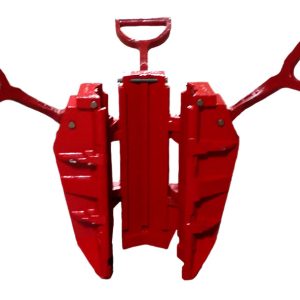
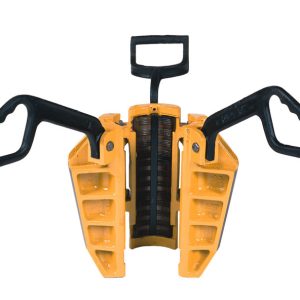
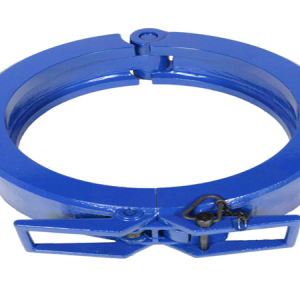
SGPE Single Joint Elevator is an oilfield auxiliary hoisting tool for lifting, transferring, aligning and positioning individual joints of casing, production tubing and selected drill pipe during drilling, casing running, tubing running, well completion, workover and well servicing.
Unlike a main casing, tubing or drill pipe elevator that supports a suspended tubular string, an auxiliary elevator handles one joint at a time. Rig crews use it to move pipe from the pipe rack or catwalk through the V-door to the rig floor and well center before connection, running or pulling.
Common industry names include Auxiliary Elevator, SJ Elevator and SP Elevator. Depending on the application, buyers may also use terms such as Pipe Pickup Elevator, Single Pipe Elevator, Casing Pickup Elevator, Tubing Pickup Elevator, Drill Pipe Pickup Elevator and Tubular Handling Elevator.
SGPE supplies SJ and SP Single Joint Elevators for different tubular sizes and load-bearing profiles. The SP range includes SP50, SP120 and SP180 5 Ton Single Joint Elevators, while SJ configurations cover a wider range of casing and tubing diameters.
SGPE can also review replacement enquiries involving industry references such as SP5°, SP12°, SP18° and SJX-5, subject to dimensional, connection and application confirmation.
Typical customers include drilling contractors, casing-running service companies, completion contractors, workover companies, well-service providers, offshore drilling contractors, oilfield rental fleets and petroleum equipment distributors.
Depending on the selected configuration and order scope, SGPE can supply Single Joint Elevators according to applicable API Spec 8C requirements for drilling and production hoisting equipment.
Email: info@sgpe.com
Tel / WhatsApp: +86 186-1599-5239
Single Joint Elevator Product Overview
| Item | Specification |
|---|---|
| Product Name | Single Joint Elevator |
| Common Names | Auxiliary Elevator, SJ Elevator, SP Elevator |
| Product Category | Oilfield Hoisting Tool / Tubular Handling Equipment |
| Main SGPE Families | SJ Single Joint Elevator, SP Single Joint Elevator |
| SP Models | SP50, SP120, SP180 |
| Industry Search / Replacement Terms | SP5°, SP12°, SP18°, SJX-5 |
| Main Tubulars | Casing, production tubing and selected drill pipe |
| Primary Function | Lift, transfer, align and position one tubular joint |
| SP Rated Load | 5 short tons |
| SP Pipe OD Coverage | 2 3/8–10 3/4 in depending on model |
| SJ Pipe Diameter Coverage | Approx. 2 3/8–36 in depending on configuration |
| SP Material | High-strength alloy steel |
| Applicable Standard | Applicable API Spec 8C requirements |
| Main Operations | Drilling, casing running, tubing running, completion, workover and well servicing |
| Rig Applications | Land rigs, offshore units, jack-up rigs, workover rigs, pulling units and well-service rigs |
| Handling Route | Pipe rack, catwalk, V-door, rig floor and well center |
| Selection Basis | Pipe OD, connection geometry, shoulder profile, joint weight, capacity and application |
| Replacement Support | Model, nameplate, drawing, photographs and dimensional cross-reference |
| Inspection / Documentation | According to confirmed project requirements |
What Is a Single Joint Elevator?
A Single Joint Elevator provides a controlled lifting point for one tubular joint during rig-floor and pipe-handling operations.
A casing, tubing or drill pipe joint may move from the pipe rack to the catwalk, through the V-door and onto the rig floor before crews position it at the well center. The auxiliary elevator supports the tubular during part of this handling sequence.
Depending on the tubular design, the elevator may engage below a casing coupling, tubing coupling, external upset, collar or suitable tapered tool-joint shoulder. The rig hoisting or pipe-handling system then raises the elevator and tubular together.
A main Casing Elevator, Tubing Elevator or Drill Pipe Elevator performs a different job. It normally supports the suspended tubular string during running, pulling or tripping, while the single-joint tool handles an individual pipe before connection or after disconnection.
During casing running, for example, the main casing elevator can support the suspended casing string while a Single Joint Casing Elevator helps bring the next joint from the handling area toward the well center. During tubing workover, an auxiliary elevator can help transfer disconnected production tubing between the well center and tubing rack.
This distinction is important when selecting oilfield handling equipment. The correct elevator should match the actual lifting duty, tubular geometry, load-bearing profile and required capacity rather than nominal pipe size alone.
SJ, SP and Common Single Joint Elevator Models
The oilfield market uses several single-joint elevator families. Because model names and body designs vary by manufacturer, cross-reference information should guide technical review rather than imply automatic interchangeability.
| Type / Model | Pipe Size Reference | Capacity Reference | Typical Application |
|---|---|---|---|
| SJ Single Joint Elevator | Approx. 2 3/8–36 in | Confirm selected SGPE configuration | Casing and tubing handling |
| SP50 | 2 3/8–10 3/4 in | 5 short tons | Broad tubing, casing and selected tapered-shoulder applications |
| SP120 | 2 3/8–4 1/2 in | 5 short tons | Smaller tubing and selected tubulars |
| SP180 | 2 7/8–6 5/8 in | 5 short tons | Medium tubing and selected drill pipe |
SGPE also reviews replacement requirements involving SP5°, SP12°, SP18° and SJX-5. Final compatibility should follow the actual pipe dimensions, connection geometry, shoulder profile and load-bearing arrangement.
SJ Single Joint Elevator / SJ Auxiliary Elevator
The SJ Single Joint Elevator, also known as an SJ Auxiliary Elevator, mainly supports individual casing and tubing handling during drilling, casing running, well construction, cementing preparation, workover and well servicing.
The SJ family covers a broad diameter range, making it useful for casing programs where tubular sizes change as drilling progresses through different well sections.
Typical SJ applications include picking up casing from the pipe rack, transferring individual joints toward the V-door and rig floor, positioning casing at the well center and supporting casing-running preparation. Suitable configurations can also handle individual tubing joints during approved completion, workover and well-service operations.
SGPE publishes an overall SJ pipe-diameter range of approximately 2 3/8 to 36 in (60.3–914.4 mm) depending on configuration.
Final body geometry, rated capacity and tubular compatibility should follow the approved SGPE technical drawing, product nameplate and project quotation.
This is especially important for large-diameter casing, non-standard tubular connections, conductor-related handling and replacement SJ Elevator requirements.
SP Single Joint Elevator / 5 Ton Auxiliary Elevator
The SP Single Joint Elevator provides a compact solution for handling individual tubing, casing and selected drill pipe with compatible tapered load-bearing shoulders.
SGPE supplies SP50, SP120 and SP180 models. All three have a published rated load of 5 short tons, while each model covers a different tubular OD range.
SP configurations use high-strength alloy steel and support repeated pipe pickup, transfer and alignment during drilling, casing-running work, completion, workover and well-service operations.
SP Single Joint Elevator Technical Parameters
| Model | Applicable Pipe OD | Metric Range | Rated Load |
|---|---|---|---|
| SP50 | 2 3/8–10 3/4 in | 60.3–273.1 mm | 5 short tons |
| SP120 | 2 3/8–4 1/2 in | 60.3–114.3 mm | 5 short tons |
| SP180 | 2 7/8–6 5/8 in | 73.0–168.3 mm | 5 short tons |
These models are relevant to buyers looking for a 5 Ton Single Joint Elevator, SP Auxiliary Elevator, 5 Ton Pipe Pickup Elevator or compact rig-floor pipe handling tool.
Pipe OD alone does not confirm suitability. The coupling, upset, tool joint or tapered load-bearing shoulder must also match the elevator.
SP5°, SP12°, SP18° and SJX-5 Replacement Support
Oilfield equipment catalogs do not always use the same model terminology. Common industry search and replacement references include SP5°, SP12°, SP18° and SJX-5.
| Industry Reference | Typical Published Pipe Range | Common Capacity Reference | SGPE Enquiry Type |
|---|---|---|---|
| SP5° | 2 3/8–10 3/4 in | 5 short tons | Replacement / dimensional review |
| SP12° | 2 3/8–4 1/2 in | 5 short tons | Replacement / dimensional review |
| SP18° | 2 7/8–6 5/8 in | 5 short tons | Replacement / dimensional review |
| SJX-5 | Approx. 2 3/8–14 in across several size bands | 5 short tons | Replacement / project-specific review |
These references do not guarantee direct interchangeability with SGPE equipment.
For a replacement enquiry, customers should provide the original manufacturer, model, pipe dimensions, shoulder or connection geometry, rated capacity, nameplate and clear photographs. SGPE can then review the actual load-bearing profile and recommend an appropriate configuration.
Single Joint Elevator for Casing Running
A Single Joint Casing Elevator helps drilling and casing-running crews move individual casing joints before they become part of the suspended casing string.
A typical handling sequence begins on the casing rack. The joint moves toward the catwalk and V-door, reaches the rig floor and then moves into position at the well center for connection.
This process can support surface casing, intermediate casing and production casing programs. Because pipe diameter, coupling dimensions, connection design and single-joint weight may differ between casing strings, the selected elevator must match the actual tubular configuration.
Single-joint handling also supports casing-running preparation before cementing. The tool does not perform cement pumping; instead, it helps crews move and position casing while building the string.
For a Single Joint Elevator for casing running, buyers should provide the casing OD, coupling OD, connection type, single-joint weight and required lifting capacity.
Single Joint Elevator for Tubing Running and Workover
A Single Joint Tubing Elevator supports individual production tubing handling during well completion, production operations and workover.
During tubing running, each joint moves from the tubing rack toward the rig or work floor before crews position it at the well center for connection. During pulling operations, crews reverse the sequence as they disconnect individual tubing joints and transfer them away from the well.
Suitable configurations can support production tubing installation, completion-string preparation, recompletion, tubing pulling, tubing replacement, tubing inspection, downhole pump service and artificial-lift maintenance.
Connection geometry matters because NU, EU and premium tubing connections can use different coupling and upset dimensions. Buyers should therefore provide the actual connection information together with tubing OD.
On workover rigs, pulling units and well-service rigs, compact auxiliary elevators are especially useful where crews repeatedly handle individual tubing joints within limited rig-floor space.
Single Joint Elevator for Drill Pipe Pickup
Selected SP configurations can handle individual drill pipe joints when the elevator matches the tool-joint OD and tapered load-bearing shoulder.
Typical duties include drill pipe pickup, pipe rack-to-catwalk transfer, catwalk-to-rig-floor movement, single-joint positioning and drill-string preparation.
Because the drill pipe tool joint differs from the pipe body, nominal drill pipe OD alone does not provide enough information for reliable model selection.
For a Single Joint Drill Pipe Elevator, buyers should provide the drill pipe OD, tool-joint OD, connection type, shoulder profile or taper, single-joint weight and required lifting capacity.
Land, Offshore and Jack-Up Rig Applications
Single-joint tubular handling is common on both land and offshore rigs.
On land drilling rigs, auxiliary elevators can support casing transfer, drill pipe pickup, tubing installation and casing-running preparation.
Offshore applications can include fixed platforms, jack-up rigs, offshore drilling units and offshore workover operations. Suitable configurations can support casing running, tubing installation, selected drill pipe handling, completion and workover.
Offshore projects may also require additional material traceability, corrosion-protection provisions, inspection records, third-party witnessing or project-specific documentation. These requirements should be identified during the RFQ stage so the equipment and documentation package can be reviewed together.
Pipe Rack, Catwalk, V-Door and Rig-Floor Handling
Individual tubulars often pass through several handling positions before joining the string.
| Handling Position | Typical Task |
|---|---|
| Pipe Rack | Prepare and pick up casing, tubing or drill pipe |
| Catwalk | Move the tubular toward the rig |
| V-Door | Guide the joint between the catwalk and rig floor |
| Rig Floor | Lift, transfer, align and position the tubular |
| Well Center | Position the joint before connection |
| Pulling Operation | Transfer disconnected tubing away from the well |
| Workover Rack | Receive and organize pulled tubing |
This workflow also explains industry terms such as Pipe Pickup Elevator, Oilfield Pipe Lifting Tool, Casing Pickup Tool, Tubing Pickup Elevator, Drill Pipe Pickup Elevator, Rig Floor Pipe Handling Equipment and Tubular Transfer Equipment.
How a Single Joint Elevator Works
The crew first positions the elevator around the approved lifting section of the tubular.
The operator closes and secures the tool so it engages the correct load-bearing profile. Depending on the pipe design, this profile may sit below a casing coupling, tubing coupling, external upset or tapered drill pipe shoulder.
The rig hoisting or pipe-handling system then raises the elevator and tubular together, while crew members guide the joint toward the rig floor, well center or another required handling position.
Once the tubular reaches a safe supported position and the load transfers according to the operating procedure, the operator releases the elevator.
The lifting sequence is straightforward, but correct dimensional matching is critical. Operators should never use an elevator that does not match the tubular and approved load-bearing profile.
How to Select the Correct Single Joint Elevator
The correct model depends on the actual tubular and lifting geometry rather than nominal pipe size alone.
A reliable technical review should consider the tubular type, actual pipe OD, coupling or tool-joint dimensions, connection geometry, shoulder profile, joint weight, required lifting capacity and rig environment.
| Parameter | Information to Provide | Why It Matters |
|---|---|---|
| Tubular Type | Casing, tubing or drill pipe | Defines basic handling geometry |
| Nominal Pipe Size | Tubular designation | Provides initial size reference |
| Actual Pipe OD | Inches or millimeters | Confirms body clearance |
| Coupling OD | Casing or tubing coupling diameter | Identifies supporting geometry |
| Tool-Joint OD | Drill pipe tool-joint diameter | Required for drill pipe selection |
| Connection Type | NU, EU, premium or drill pipe connection | Defines connection geometry |
| Upset Dimensions | OD and profile | Important for tubing |
| Shoulder Profile / Angle | Drawing or dimensions | Important for tapered SP applications |
| Single-Joint Weight | Actual or calculated | Supports load selection |
| Required Capacity | Project lifting requirement | Confirms capacity class |
| Tubular Length | Joint length | Helps review handling arrangement |
| Rig Type | Land, offshore, jack-up, workover or service rig | Defines operating environment |
| Inspection Scope | Customer or third-party requirements | Defines QA scope |
| Documentation Scope | Material, NDT and inspection records | Defines delivery package |
| Replacement Reference | Brand, model, nameplate, drawing and photos | Supports dimensional cross-reference |
A tubular may physically fit inside an elevator but still fail to match the correct lifting shoulder. For this reason, buyers should confirm the actual pipe OD and load-bearing connection geometry together.
Single Joint Elevator Model Selection Guide
| Application | Typical Tubular | Starting Family | Key Selection Data |
|---|---|---|---|
| Casing Running | Casing | SJ / suitable SP | Casing OD, coupling OD, joint weight |
| Large Casing Handling | Casing | SJ | OD, connection geometry, required capacity |
| Tubing Running | Production tubing | SJ / SP | Tubing OD, coupling or upset |
| Well Completion | Completion tubing | SP / suitable SJ | OD and connection geometry |
| Drill Pipe Pickup | Drill pipe | Suitable SP | Pipe OD, tool-joint OD and taper |
| Workover / Pulling Unit | Production tubing | SJ / SP | Tubing OD, connection and rig type |
| Offshore / Jack-Up | Casing / tubing / drill pipe | Project-selected SJ / SP | Dimensions and project documentation |
| SJX-5 Replacement | Project-specific tubular | Cross-reference review | Existing dimensions and nameplate |
| Legacy Elevator Replacement | Project-specific | Cross-reference review | Model, drawing, photos and nameplate |
Key Features and Benefits
| Feature | Customer Benefit |
|---|---|
| Dedicated Single-Joint Handling | Supports controlled pickup, transfer, alignment and positioning |
| SJ and SP Product Families | Covers different casing, tubing and selected drill pipe requirements |
| Broad SJ Diameter Coverage | Supports a wide range of casing and tubing sizes |
| 5 Ton SP Series | Provides defined 5-short-ton capacity for SP50, SP120 and SP180 |
| High-Strength Alloy Steel SP Construction | Supports repeated oilfield handling cycles |
| Tapered-Shoulder SP Applications | Matches compatible tubing, casing and selected drill pipe profiles |
| Compact Rig-Floor Use | Suits drilling, completion, workover and well-service operations |
| Application-Based Selection | Considers load-bearing geometry rather than nominal OD alone |
| Replacement Support | Helps buyers replace legacy or mixed-fleet elevators |
| Project Documentation Support | Allows customers to define inspection and documentation requirements |
API Spec 8C and Project Documentation
API Spec 8C covers drilling and production hoisting equipment.
Depending on the selected configuration and order scope, SGPE can supply Single Joint Elevators according to applicable API Spec 8C requirements.
Project documentation may include material traceability, material certificates, NDT records, dimensional inspection records, load-related documentation, third-party inspection, customer witness inspection or tender-specific records.
Buyers should define these requirements during the quotation stage so SGPE can review the equipment configuration and documentation package together.
Any specific API certification, monogram or additional documentation should match the confirmed quotation and order scope.
Inspection and Maintenance
A Single Joint Elevator is a load-bearing oilfield tool and should remain part of the rig’s regular inspection and maintenance program.
Before use, operators should inspect the elevator body, lifting points, load-bearing surfaces, hinges, latch components, pins, bushings, locking parts and tubular-contact areas. They should look for cracks, corrosion, deformation, excessive wear, loose components or abnormal movement.
Operators should also confirm that the selected elevator matches the actual tubular and lifting profile before applying load.
After field operations, crews should remove drilling mud, oil, sand, scale and other contaminants and lubricate applicable moving parts according to the equipment maintenance requirements.
If the elevator experiences overload, severe impact, visible deformation or suspected cracking, it should be removed from lifting service until qualified inspection confirms its condition.
Never exceed the rated capacity shown on the approved product nameplate.
Replacement Single Joint Elevators and Spare Parts
Oilfield fleets often contain equipment from several manufacturers and product generations. Buyers may therefore need a replacement even when the original model is no longer available.
SGPE can review requirements for replacement Single Joint Elevators, SJ Elevator replacements, SP Elevator replacements, SJX-5 replacements and SP5°, SP12° or SP18° replacement enquiries.
For an accurate dimensional cross-reference, customers should provide the original manufacturer, model number, rated capacity, pipe size, coupling or tool-joint dimensions, shoulder profile, nameplate, photographs and any available drawings.
A model name alone does not guarantee interchangeability.
Depending on the elevator design, spare-part requirements may include latch components, pins, bushings, retainers, springs and locking parts. For Single Joint Elevator spare parts, provide the model, serial number or nameplate information together with clear photographs.
Why Choose SGPE?
SGPE supplies oilfield tubular-handling equipment for drilling, casing running, tubing operations, completion, workover and well servicing.
Rather than selecting an elevator only by nominal pipe size, SGPE can review the complete tubular specification, connection geometry, lifting requirement, rig environment and project documentation before recommending a configuration.
This approach is useful for projects involving multiple casing sizes, NU and EU tubing, premium connections, drill pipe tool joints, large-diameter casing, offshore operations, workover rigs and mixed equipment fleets.
SGPE can also review replacement requirements using existing nameplates, technical drawings, photographs and dimensional data.
For customers sourcing a broader rig-floor package, SGPE can supply related casing, tubing, drill pipe and tong equipment from the same oilfield handling portfolio.
Related Oilfield Handling Equipment
A Single Joint Elevator normally works as part of a wider tubular-handling system.
Casing-running operations may also require a Casing Elevator, while production tubing programs commonly use a Tubing Elevator. Drill-string operations may require a Drill Pipe Elevator or Drill Collar Elevator, and artificial-lift operations can use a Sucker Rod Elevator.
Depending on the rig and tubular program, related rig-floor equipment can also include Slip Type Elevators, Side Door Elevators, Center Latch Elevators, Drill Pipe Manual Tongs, Casing Manual Tongs, Tubing Manual Tongs, Casing Power Tongs, Tubing Power Tongs, Iron Roughnecks and Pneumatic Spinning Wrenches.
Together, these tools support tubular pickup, lifting, running, pulling, positioning, make-up and breakout throughout drilling, completion and workover operations.
Single Joint Elevator Manufacturer, Supplier, Price and RFQ Support
SGPE supplies Single Joint Elevators for new drilling projects, replacement requirements and tubular-handling equipment packages.
Buyers looking for a Single Joint Elevator manufacturer, Single Joint Elevator supplier, Auxiliary Elevator supplier, API 8C Single Joint Elevator, 5 Ton Single Joint Elevator, Single Joint Elevator for sale, SJ Elevator price, SP Elevator price or replacement Single Joint Elevator normally need a project-specific quotation.
Final pricing can depend on the selected model, tubular dimensions, connection geometry, rated capacity, quantity, inspection scope, documentation package and delivery destination.
Single Joint Elevator RFQ Checklist
| RFQ Item | Information to Send |
|---|---|
| Tubular Type | Casing, tubing or drill pipe |
| Pipe Size | Nominal size and actual OD |
| Connection Type | NU, EU, premium, coupling or drill pipe connection |
| Coupling / Tool-Joint OD | Actual diameter |
| Shoulder Geometry | Angle, profile and critical dimensions |
| Existing Model | SJ, SP50, SP120, SP180, SP5°, SP12°, SP18°, SJX-5 or other |
| Single-Joint Weight | Actual or calculated |
| Required Capacity | Project lifting requirement |
| Quantity | Required units |
| Rig Type | Land, offshore, jack-up, workover or well-service rig |
| Application | Drilling, casing running, tubing running, completion or workover |
| Inspection Requirements | Customer or third-party requirements |
| Documentation | Material, NDT or tender documentation |
| Destination | Country, port or project location |
For replacement equipment, customers should also provide the original nameplate, clear photographs and any available dimensional drawing.
Frequently Asked Questions About Single Joint Elevators
1. What is a Single Joint Elevator used for?
A Single Joint Elevator is an auxiliary oilfield hoisting tool used to lift, transfer, align and position one tubular joint at a time. Rig crews commonly use it to handle individual casing, production tubing and selected drill pipe during drilling, casing running, tubing running, well completion, workover and well servicing.
Typical movements include transferring a joint from the pipe rack or catwalk through the V-door to the rig floor and well center. Unlike a main string elevator, which supports the suspended tubular string, a Single Joint Elevator focuses on individual pipe pickup and positioning.
2. What is the difference between a Single Joint Elevator and a main string elevator?
A Single Joint Elevator handles one individual tubular joint, while a main Casing Elevator, Tubing Elevator or Drill Pipe Elevator supports the suspended string during running, pulling or tripping operations. During casing running, for example, the main casing elevator supports the casing string while a Single Joint Casing Elevator helps move the next joint toward the well center.
During tubing workover, an auxiliary elevator can transfer disconnected production tubing toward the tubing rack. Choosing between these tools depends on the lifting duty, tubular geometry, load-bearing profile and required capacity.
3. What is the difference between an SJ and SP Single Joint Elevator?
An SJ Single Joint Elevator mainly supports casing and tubing across a broad diameter range and is commonly used for casing pickup, tubing handling and well-construction operations. An SP Single Joint Elevator is a compact auxiliary elevator designed for selected casing, tubing and drill pipe with compatible tapered load-bearing shoulders.
SGPE supplies SP50, SP120 and SP180 models, each with different pipe OD coverage. The correct choice between an SJ Elevator and SP Elevator depends on the tubular OD, coupling or tool-joint dimensions, connection geometry, shoulder profile, single-joint weight and actual field application.
4. What sizes do SP50, SP120 and SP180 Single Joint Elevators handle?
SGPE offers three main 5 Ton SP Single Joint Elevator models. The SP50 covers pipe OD from 2 3/8 to 10 3/4 in, the SP120 covers 2 3/8 to 4 1/2 in, and the SP180 covers 2 7/8 to 6 5/8 in. All three models have a published rated load of 5 short tons.
However, pipe size alone does not confirm suitability. Buyers should also verify the coupling, upset, tool-joint OD or tapered shoulder that carries the lifting load before selecting an SP Auxiliary Elevator.
5. What is a 5 Ton Single Joint Elevator?
A 5 Ton Single Joint Elevator is an auxiliary tubular-handling elevator with a rated lifting capacity of 5 short tons. SGPE SP50, SP120 and SP180 Single Joint Elevators belong to this capacity class. These elevators are used for individual pipe pickup, transfer and positioning rather than for supporting an entire suspended tubular string.
Typical applications include casing-running preparation, production tubing handling, selected drill pipe pickup, rig-floor transfer and workover operations. Rated capacity is only one part of model selection, because the actual tubular OD, connection geometry and load-bearing shoulder must also match the elevator.
6. Can a Single Joint Elevator handle casing during casing-running operations?
Yes. A suitable Single Joint Casing Elevator can handle individual surface, intermediate and production casing joints during casing-running operations. The elevator can help move casing from the pipe rack or catwalk toward the V-door, rig floor and well center before crews connect the joint to the casing string.
It can also support casing-handling preparation before cementing, although the elevator itself does not perform cement pumping. For correct selection, buyers should provide the casing OD, coupling OD, connection type, single-joint weight and required lifting capacity, especially for large-diameter or non-standard casing programs.
7. Can a Single Joint Elevator be used for production tubing and workover operations?
Yes. A Single Joint Tubing Elevator can support production tubing running, tubing pulling, well completion, recompletion, tubing replacement, downhole pump service and other workover or well-service operations. On workover rigs, pulling units and well-service rigs, crews may repeatedly move individual tubing joints between the well center, work floor and tubing rack.
Because tubing may use NU, EU or premium connections, buyers should confirm the tubing OD together with the coupling or upset dimensions. Correct connection geometry is especially important when selecting an auxiliary elevator for repeated tubing-handling cycles.
8. Can an SP Single Joint Elevator handle drill pipe?
Selected SP Single Joint Elevator configurations can handle individual drill pipe joints when the tool correctly matches the drill pipe tool-joint OD and tapered load-bearing shoulder. Typical applications include drill pipe pickup from the rack or catwalk, transfer toward the rig floor, single-joint positioning and drill-string preparation.
Because the drill pipe tool joint is larger and geometrically different from the pipe body, nominal drill pipe OD alone is not enough for model selection. Buyers should provide the drill pipe OD, tool-joint OD, connection type, shoulder profile or taper, single-joint weight and required lifting capacity.
9. Can Single Joint Elevators be used on offshore, jack-up and workover rigs?
Yes. Suitable Single Joint Elevators can support tubular handling on land drilling rigs, fixed offshore platforms, jack-up rigs, offshore drilling units, workover rigs, pulling units and well-service rigs. Offshore applications may include casing transfer, tubing installation, selected drill pipe pickup, completion and offshore workover.
Because offshore projects often have additional QA and documentation requirements, buyers should identify any requirements for material traceability, corrosion protection, NDT records, dimensional inspection, third-party witnessing or project-specific documentation during the quotation stage.
10. How do I select the correct Single Joint Elevator for my tubular program?
Selecting the correct Single Joint Elevator requires more than checking nominal pipe size. Buyers should confirm the tubular type, actual pipe OD, coupling or tool-joint OD, connection type, upset dimensions, shoulder profile, single-joint weight, required lifting capacity and rig application.
For tubing, NU, EU or premium connection geometry can affect compatibility, while drill pipe applications require careful review of the tool-joint and tapered shoulder. A tubular may physically fit inside an elevator but still fail to match the correct load-bearing profile, so SGPE recommends reviewing the actual connection and lifting geometry before model selection.
11. Can SGPE supply replacement Single Joint Elevators for SP5°, SP12°, SP18° or SJX-5 models?
SGPE can review replacement Single Joint Elevator enquiries involving industry references such as SP5°, SP12°, SP18° and SJX-5. These model names should not be treated as automatic equivalents because dimensions, body geometry, latches and load-bearing profiles can vary between manufacturers.
For an accurate dimensional cross-reference, buyers should provide the original manufacturer, model number, rated capacity, tubular size, coupling or tool-joint dimensions, shoulder geometry, nameplate, photographs and any available drawings. SGPE can then compare the existing equipment with a suitable SJ or SP configuration and review related spare-parts requirements when applicable.
12. Does SGPE supply API 8C Single Joint Elevators, and what information is required for a quotation?
Depending on the selected configuration and order scope, SGPE can supply Single Joint Elevators according to applicable API Spec 8C requirements for drilling and production hoisting equipment. Project documentation may include material certificates, traceability records, NDT documentation, dimensional inspection, load-related records, third-party inspection or customer witness requirements.
For an accurate quotation, provide the tubular type, pipe OD, coupling or tool-joint dimensions, connection profile, shoulder geometry, single-joint weight, required capacity, quantity, rig type and destination. For replacement equipment, nameplate details, photographs and dimensional drawings are also helpful. Based on this information, SGPE can review the required configuration and prepare a corresponding quotation for the project.
Request a Quote for Single Joint Elevator
Looking for a Single Joint Elevator for casing, tubing or drill pipe handling?
SGPE supplies SJ Single Joint Elevators and SP50, SP120 and SP180 5 Ton Single Joint Elevators for drilling, casing running, tubing running, well completion, drill pipe pickup, workover, pulling-unit service, offshore drilling and jack-up rig applications.
In addition to new equipment, SGPE can review replacement Single Joint Elevator requirements and dimensional cross-reference enquiries for existing or legacy models.
For an accurate technical review, please provide your tubular type, pipe OD, coupling or tool-joint dimensions, connection type, shoulder profile, single-joint weight, required lifting capacity, quantity, rig type and delivery destination. For replacement equipment, nameplate details, photographs and available drawings are also helpful.
Email: info@sgpe.com
Tel / WhatsApp: +86 186-1599-5239