Description
Solids Control Hydrocyclone for Oilfield Drilling Mud Desander, Desilter & Mud Cleaner Systems
SGPE manufactures Solids Control Hydrocyclone equipment for oil and gas drilling fluid systems. Our hydrocyclone cones remove sand, silt and unwanted drilled solids from circulating mud and operate as key separation components in drilling mud desanders, desilters and mud cleaners.
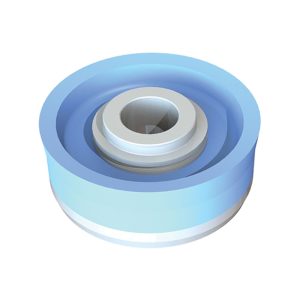
The range includes 4-inch desilter hydrocyclones, 10-inch desander hydrocyclones, polyurethane hydrocyclone cones, replacement hydrocyclone parts and custom multi-cone manifolds. Other cone sizes, apex configurations, vortex finders, feed connections and manifold layouts can be matched to the drilling program and existing solids control equipment.
A drilling mud hydrocyclone uses centrifugal force to classify solids. There is no motor, gearbox or rotating mechanism inside the cone. The feed pump supplies the hydraulic energy required for separation, giving the hydrocyclone a compact footprint and relatively simple rig-site maintenance.
SGPE supplies oilfield hydrocyclone separators for land rigs, offshore platforms, jack-up rigs, semi-submersibles, drillships, high-ROP drilling, directional and horizontal wells, extended-reach wells, deep and HPHT wells, workover operations and closed-loop mud systems.
For a new drilling fluid package, SGPE can supply an individual cone or a complete hydrocyclone manifold. For retrofit and maintenance work, we can review existing dimensions, drawings and photographs before recommending a replacement hydrocyclone cone, aftermarket spare part or replacement manifold.
Send us your cone size, drilling mud flow rate, mud density, viscosity, feed conditions and existing equipment details for technical selection and quotation.
Email: info@sgpe.com
Tel / WhatsApp: +86 186-1599-5239
Solids Control Hydrocyclone at a Glance
| Item | Typical Configuration |
|---|---|
| Product | Solids Control Hydrocyclone |
| Industry | Oil & Gas Drilling |
| Main Duty | Sand, Silt & Drilled-Solids Separation |
| Main Types | Desander / Desilter / Mud Cleaner Hydrocyclone |
| Common Desilter Cone | 4 in. / 101.6 mm |
| Common Desander Cone | 10 in. / 254 mm |
| Other Cone Sizes | 5 in., 8 in., 12 in. or Customized |
| Cone Material | Wear-Resistant Polyurethane |
| Separation Principle | Centrifugal Classification |
| Typical Feed Head Reference | Approx. 75 ft / 22.9 m |
| Drilling Fluids | WBM / OBM / SBM |
| Mud Systems | Weighted / Unweighted |
| Supply Form | Individual Cone / Manifold / Multi-Cone Cluster |
| Replacement Cones | Available |
| Aftermarket Spare Parts | Available |
| Custom Manifold | Available |
| Rig Applications | Land / Offshore / Workover |
Note: Final capacity, cut point and separation performance depend on hydrocyclone geometry, drilling fluid properties, solids loading, feed head and the approved project configuration.
How a Drilling Mud Hydrocyclone Works
When drilling mud returns from the wellbore, the shale shaker removes the larger drill cuttings first. Smaller sand and silt particles can still pass through the shaker screens and remain in circulation.
As these solids build up, they can increase mud viscosity, alter rheology, increase dilution requirements and accelerate wear on pumps and downstream solids control equipment.
A drilling fluid hydrocyclone separator handles the next stage of solids removal.
A centrifugal pump sends drilling mud into the cone through a tangential inlet. The incoming fluid develops a high-speed rotating flow. Larger and denser particles move toward the outer wall, travel downward through the cone and leave through the apex as solids-rich underflow.
The lower-solids liquid moves toward the center, reverses direction and forms an upward inner vortex. It then exits through the overflow and returns to the active mud system or moves to another treatment stage.
A common oilfield solids control sequence is:
Well Return → Shale Shaker → Vacuum Degasser → Desander → Desilter / Mud Cleaner → Decanter Centrifuge → Active Mud Tanks
Each machine handles a different part of the solids load. A hydrocyclone therefore works as one stage in a complete drilling fluid solids control system rather than replacing the shaker, mud cleaner or centrifuge.
Oilfield Hydrocyclone Types
| Hydrocyclone Type | Typical Size | Main Duty | Typical Installation |
|---|---|---|---|
| Desilter Hydrocyclone | 4 in. | Fine Silt-Size Solids | Drilling Mud Desilter |
| High-Capacity Desilter Cone | 4–5 in. | Fine Solids Control | Desilter / Mud Cleaner |
| Compact Desander Cone | 8 in. | Coarser Drilled Solids | Compact Desander |
| Desander Hydrocyclone | 10 in. | Sand-Size Solids | Drilling Mud Desander |
| Large Desander Cone | 12 in. | High-Flow Coarse Solids Removal | High-Capacity Mud System |
| Mud Cleaner Hydrocyclone | Project-Specific | Concentrate Solids before Fine Screening | Mud Cleaner |
| Replacement Hydrocyclone Cone | Customized | Replace Worn Existing Cones | Retrofit / Maintenance |
| Hydrocyclone Manifold | Multi-Cone | Combined Treatment Capacity | Complete Solids Control Package |
The 4-inch desilter cone and 10-inch desander cone remain two of the most widely used configurations in drilling-fluid solids control.
Cone diameter alone does not determine the correct configuration. Mud flow, density, viscosity, solids loading, feed head, particle characteristics and available installation space all influence final selection.
4-Inch Desilter Hydrocyclone for Fine Solids Removal
The 4-inch desilter hydrocyclone, also called a 4-inch desilter cone or drilling mud desilter cyclone, targets finer silt-size solids after the shale shaker and desander stages.
Its smaller internal diameter creates strong centrifugal action for fine-particle classification. Because each cone handles less fluid than a larger desander cone, drilling mud desilters normally use several 4-inch cones in parallel on a common manifold.
This configuration fits drilling mud desilters, mud cleaners and WBM, OBM or SBM systems. It also suits high-ROP drilling, directional and horizontal wells, extended-reach drilling, deep wells and offshore drilling-fluid packages.
Published oilfield designs vary. A commonly referenced separation range for 4-inch desilter cones is approximately 20–74 μm, while some designs may extend into a finer range depending on internal geometry and operating conditions.
High-capacity 4-inch designs may process around 80 gpm or 18.2 m³/h per cone at approximately 75 ft of feed head.
These figures provide preliminary guidance only. Mud density, viscosity, solids loading, apex size and cone geometry can change actual capacity and separation performance.
10-Inch Desander Hydrocyclone for Sand-Size Solids
The 10-inch desander hydrocyclone, also known as a 10-inch desander cone or drilling mud desander cyclone, provides secondary solids separation after the primary shale shaker.
Its larger diameter allows each cone to process more drilling fluid than a typical desilter cone while targeting a coarser particle range.
10-inch desander cones commonly serve land drilling rigs, offshore platforms, jack-ups, semi-submersibles and drillships. They are also suitable for large surface-hole sections, high-ROP drilling, high-flow mud systems, directional wells, horizontal wells and drilling-mud recycling.
A common industry reference for 10-inch desander hydrocyclones is approximately 40–100 μm, with some designs processing around 500 gpm or 113.6 m³/h per cone at approximately 75 ft of feed head.
Removing abrasive sand-size solids at this stage reduces the solids load reaching downstream desilters, mud cleaners and decanter centrifuges.
Desander Hydrocyclone vs. Desilter Hydrocyclone
| Comparison | Desander Hydrocyclone | Desilter Hydrocyclone |
|---|---|---|
| Common Cone Size | 10 in. | 4 in. |
| Approx. Diameter | 254 mm | 101.6 mm |
| Typical Size Range | 8–12 in. | 4–5 in. |
| Main Solids Range | Sand-Size Solids | Silt-Size and Finer Solids |
| Separation Reference | Approx. 40–100 μm | Approx. 20–74 μm* |
| Flow Reference | Approx. 500 gpm/cone | Approx. 80 gpm/cone |
| Typical System Position | After Shale Shaker | After Desander |
| Typical Equipment | Drilling Mud Desander | Drilling Mud Desilter |
| Cone Quantity | Usually Fewer | Usually More |
| Mud Cleaner Integration | Possible | Common |
| Main Purpose | Higher Flow / Coarser Separation | Finer Solids Separation |
*Actual fine-solids separation varies with cone design, mud properties and hydraulic conditions.
A larger hydrocyclone does not automatically provide better separation. Each cone should operate within the flow and particle range that matches its position in the drilling-fluid process.
Hydrocyclone Feed Head, Pressure and Mud Density
Hydrocyclone performance depends strongly on hydraulic conditions.
Manufacturers often describe operating conditions in feed head because pressure at a given head changes with fluid density.
A feed head of 75 ft equals approximately 22.9 m of liquid head. With water, this corresponds to roughly 32.5 psi, 2.24 bar or 0.224 MPa. Denser drilling mud produces higher pressure at the same head.
| Fluid Specific Gravity | Approx. Pressure at 75 ft | bar | MPa |
|---|---|---|---|
| 1.00 | 32.5 psi | 2.24 | 0.224 |
| 1.20 | 39.0 psi | 2.69 | 0.269 |
| 1.50 | 48.8 psi | 3.36 | 0.336 |
| 1.80 | 58.5 psi | 4.04 | 0.404 |
For this reason, SGPE reviews mud density, feed head, pump capacity and manifold losses together rather than selecting a drilling mud hydrocyclone from one pressure value alone.
Correct hydraulic matching helps maintain a stable vortex and underflow pattern while limiting unnecessary erosion.
Solids Control Hydrocyclone Technical Specifications
| Parameter | Typical Configuration / Option |
|---|---|
| Product Name | Solids Control Hydrocyclone |
| Alternative Names | Drilling Mud Hydrocyclone / Drilling Fluid Hydrocyclone / Oilfield Hydrocyclone Separator |
| Product Form | Individual Cone / Manifold / Hydrocyclone Cluster |
| Main Service | Drilling Fluid Solids Control |
| Separation Principle | Centrifugal Classification |
| Main Types | Desander / Desilter / Mud Cleaner Hydrocyclone |
| Common Sizes | 4 in., 5 in., 8 in., 10 in., 12 in. |
| Common Desilter Size | 4 in. / 101.6 mm |
| Common Desander Size | 10 in. / 254 mm |
| Typical 4-in. Separation Reference | Approx. 20–74 μm, Design-Dependent |
| Typical 10-in. Separation Reference | Approx. 40–100 μm |
| Typical 4-in. Flow Reference | Approx. 80 gpm / 18.2 m³/h per cone |
| Typical 10-in. Flow Reference | Approx. 500 gpm / 113.6 m³/h per cone |
| Typical Feed Head | Approx. 75 ft / 22.9 m |
| Cone Material | Wear-Resistant Polyurethane |
| Optional Wear Protection | Ceramic / Enhanced Wear Inserts |
| Feed Inlet | Tangential |
| Feed Source | Centrifugal Pump |
| Underflow | Replaceable / Adjustable Apex |
| Overflow | Project-Specific |
| Vortex Finder | Replaceable or Integrated |
| Apex Insert | Replaceable / Multiple Openings |
| Manifold Material | Carbon Steel / Project-Specific |
| Manifold Arrangement | Vertical / Inline / Customized |
| Individual Cone Isolation | Optional |
| Connections | Flanged / Grooved / Union / Customized |
| Drilling Fluid | WBM / OBM / SBM |
| Mud System | Weighted / Unweighted |
| Installation | Desander / Desilter / Mud Cleaner / Shale Shaker / Mud Tank |
| Rig Application | Land / Offshore / Workover |
| Cone Quantity | According to Required Flow |
| Desander Arrangement | 1–3 Cones or Customized |
| Desilter Arrangement | Multi-Cone |
| Mounting | Frame / Skid / Mud Cleaner / Shaker |
| Frame Dimensions | Customized |
| Connection Orientation | Customized |
| Replacement Service | Available |
| Retrofit Support | Available |
| Spare Parts | Cone / Apex / Vortex Finder / Valve / Clamp / Wear Components |
| Third-Party Inspection | Available When Required |
| Documentation | Drawings / Inspection Records / Packing Documents |
Hydrocyclone Components, PU Cones and Wear Parts
| Component | Main Function |
|---|---|
| Tangential Feed Inlet | Creates Rotational Drilling-Mud Flow |
| Cylindrical Section | Establishes the Initial Vortex |
| Conical Section | Directs Solids toward the Apex |
| Apex | Controls Solids-Rich Underflow |
| Vortex Finder | Controls Upward Liquid Flow |
| Overflow Outlet | Returns Treated Mud to the System |
| PU Cone Body | Provides the Main Wear-Resistant Flow Path |
| Isolation Valve | Allows Individual Cone Maintenance |
| Feed Manifold | Distributes Mud to Multiple Cones |
| Support Frame | Mounts the Hydrocyclone Assembly |
SGPE commonly supplies polyurethane hydrocyclone cones, also called PU hydrocyclones, for abrasive drilling mud service.
Polyurethane combines abrasion resistance, corrosion resistance, low weight and stable molded geometry. These properties suit drilling mud because sand, cuttings and weighting material travel through the cone at relatively high velocity.
For more severe service, available options can include ceramic wear inserts, replaceable apexes, replaceable vortex finders and reinforced feed sections.
SGPE can also supply hydrocyclone spare parts such as PU replacement cones, apex components, vortex finders, clamps, valves and related manifold items.
This modular arrangement allows worn components to be replaced without automatically replacing the complete hydrocyclone manifold.
What Affects Hydrocyclone Separation Efficiency?
Several operating variables influence hydrocyclone performance.
Mud density changes both hydraulic pressure and centrifugal behavior. The same cone can perform differently in lightweight water-based mud and high-density weighted drilling mud.
Mud viscosity affects fine-particle separation. As viscosity increases, smaller particles remain suspended more easily and may follow the liquid into the overflow.
The hydrocyclone also needs sufficient feed head to establish a stable vortex. Too little head weakens separation, while excessive hydraulic loading can accelerate wear and disturb the underflow pattern.
Solids loading becomes especially important during high-ROP drilling and large surface-hole sections. If the active cones cannot discharge solids fast enough, roping can occur.
Particle size, density and shape also influence classification. Larger and denser particles generally separate more easily than very fine or low-density solids.
Finally, the apex opening, vortex finder and cone geometry control the internal flow pattern and discharge. Reliable selection therefore requires actual mud data and hydraulic conditions rather than nominal cone diameter alone.
Custom Hydrocyclone Manifolds and Retrofit Configurations
Large drilling rigs normally need several hydrocyclone cones to handle the full mud circulation rate. These cones operate in parallel on a common feed manifold.
A drilling mud desander may use one, two or three 10-inch cones. A desilter typically uses more smaller cones, with configurations such as 8, 10, 12, 16 or 20 cones. Final cone quantity should follow actual mud flow and required treatment capacity.
SGPE can supply a custom hydrocyclone manifold for drilling mud systems with project-specific cone quantity, feed-line size, connection orientation, support frame and individual isolation valves.
Individual isolation valves allow one cone to be removed for cleaning, inspection or replacement while other cones remain available when the manifold arrangement permits. They also make it easier to adjust active treatment capacity as the circulating flow changes.
Feed and overflow connections can use flanged, grooved, union or project-specific interfaces. Manifold layouts can be vertical, inline or customized.
For offshore and retrofit projects, SGPE can review GA drawings, skid layouts, installation dimensions, maintenance access and piping orientation before finalizing the configuration.
The hydrocyclone assembly can mount on a drilling mud desander, drilling mud desilter, mud cleaner, shale shaker, mud tank or dedicated solids control skid.
Hydrocyclones for WBM, OBM, SBM and Weighted Mud
| Drilling Fluid | Hydrocyclone Duty | Main Consideration | Typical Arrangement |
|---|---|---|---|
| WBM | Remove Sand and Silt | Flow / Viscosity / Solids Load | Desander + Desilter |
| OBM | Remove Solids while Recovering Fluid | Fluid Value / Mud Loss | Hydrocyclone + Mud Cleaner |
| SBM | Solids Control and Fluid Recovery | Waste Reduction | Mud Cleaner |
| Weighted Mud | Remove Drilled Solids while Limiting Weighting-Material Loss | Barite Recovery | Mud Cleaner + Centrifuge |
In water-based mud, hydrocyclones normally remove sand and silt after the primary shale shaker.
For oil-based mud and synthetic-based mud, drilling-fluid recovery often carries more economic importance. A mud cleaner can recover additional usable fluid from hydrocyclone underflow before solids leave the active mud system.
Weighted mud requires more careful process selection because the underflow may contain useful barite together with unwanted drilled solids. In these systems, the hydrocyclone, mud cleaner and downstream decanter centrifuge should work as one coordinated treatment process.
Mud Cleaner Hydrocyclones and Drilling Fluid Recovery
A mud cleaner hydrocyclone concentrates drilled solids before the underflow reaches a fine-screen shaker.
Instead of sending the hydrocyclone underflow directly to waste, the mud cleaner directs it onto a vibrating screen. The screen recovers additional drilling fluid while rejecting unwanted solids.
This arrangement is especially useful for OBM, SBM and weighted mud, where unnecessary fluid or barite loss can increase operating cost.
Mud cleaner hydrocyclones also fit offshore, deepwater and closed-loop drilling systems where drilling-fluid recovery and lower waste volumes carry greater operational value.
Solids Control Hydrocyclone Applications
| Application | Hydrocyclone Role | Typical Configuration |
|---|---|---|
| Land Drilling Rig | Secondary / Tertiary Solids Removal | Desander + Desilter |
| Offshore Platform | High Throughput with Limited Space | Compact Multi-Cone Manifold |
| Jack-Up Rig | Continuous Mud Treatment | Desander / Desilter |
| Semi-Submersible | Process Large Circulating Mud Volumes | Multi-Cone System |
| Drillship | Integrated Deepwater Mud Processing | Desander + Mud Cleaner |
| Large Surface Hole | Remove High Coarse-Solids Load | High-Flow Desander |
| High-ROP Drilling | Handle Rapid Solids Generation | Increased Active Cone Capacity |
| Directional / Horizontal Well | Control Recirculated Fine Solids | Desander + Desilter |
| Extended-Reach Well | Protect Mud Properties over Long Circulation Paths | Staged Solids Control |
| Deep / HPHT Well | Limit Low-Gravity Solids Accumulation | Staged Solids Control |
| Workover | Selected Fluid Conditioning | Compact Hydrocyclone Package |
| Closed-Loop Drilling | Fluid Recovery and Waste Reduction | Hydrocyclone + Mud Cleaner + Centrifuge |
| Mud Recycling | Recondition Mud before Reuse | Desander / Desilter |
On land drilling rigs, desander and desilter cones provide secondary and tertiary separation after the shale shaker. High-ROP drilling may require more active cones because drilled-solids generation can rise rapidly even when pump flow stays similar.
For offshore and deepwater drilling, deck space, piping orientation and maintenance access become important design factors. Compact multi-cone manifolds help increase treatment capacity without adding unnecessary footprint.
In directional, horizontal and extended-reach wells, smaller drilled solids can stay in circulation for longer periods. Effective secondary and tertiary solids control helps limit the accumulation of particles that pass through shaker screens.
For deep and HPHT wells, hydrocyclones reduce drilled-solids loading before the mud reaches finer treatment equipment and support a more controlled overall mud program.
Hydrocyclone vs. Other Oilfield Solids Control Equipment
| Equipment | Separation Method | Main Duty | Typical Stage |
|---|---|---|---|
| Shale Shaker | Screen Separation | Larger Drill Cuttings | Primary |
| Desander Hydrocyclone | Centrifugal Classification | Sand-Size Solids | Secondary |
| Desilter Hydrocyclone | Centrifugal Classification | Fine Silt-Size Solids | Tertiary |
| Mud Cleaner | Hydrocyclone + Fine Screen | Fluid / Weighting-Material Recovery | Secondary / Tertiary |
| Decanter Centrifuge | High-Speed Centrifugal Separation | Fine Low-Gravity Solids | Fine Solids Control |
No single solids control machine removes every particle size efficiently. A well-designed drilling-fluid system uses each separation method within the range where it performs best.
How to Select the Right Solids Control Hydrocyclone
For a new Solids Control Hydrocyclone quotation, first confirm the normal and maximum drilling mud circulation rates. Total flow helps determine both cone size and cone quantity.
Next, identify whether the project requires a desander hydrocyclone, desilter hydrocyclone, mud cleaner cone, replacement hydrocyclone or complete manifold assembly.
Mud properties are equally important. Confirm whether the system uses WBM, OBM or SBM and whether the fluid is weighted or unweighted. Mud density affects feed pressure, while viscosity influences fine-solids separation.
Expected solids loading should also be considered, especially during high-ROP drilling and large-diameter surface-hole sections.
Whenever possible, provide the feed pump model, available head or pump curve. Connection sizes, available installation space and existing GA drawings also help confirm the mechanical arrangement.
The most reliable hydrocyclone selection combines hydraulic data, mud properties and installation dimensions rather than relying on nominal cone diameter alone.
For preliminary selection, send SGPE the flow rate, mud weight, viscosity, feed head and required cone size.
Replacement Hydrocyclone Cones and Aftermarket Parts
SGPE supplies replacement hydrocyclone cones and aftermarket hydrocyclone parts for existing drilling mud desanders, desilters and mud cleaners when the mechanical dimensions and hydraulic duty match.
Nominal cone diameter alone does not confirm interchangeability. Two 4-inch or 10-inch hydrocyclones may have different lengths, feed inlets, overflow outlets, apex designs, clamps or mounting interfaces.
For a replacement inquiry, provide the existing cone diameter, overall length, inlet and overflow dimensions, apex size, mounting details, clamp type, equipment manufacturer and model.
Clear photographs and drawings help compare the interfaces more accurately. Operating flow and feed conditions also matter because the replacement cone should match both the physical connection and hydraulic duty.
After review, SGPE can recommend a replacement desander cone, replacement desilter cone, mud cleaner cone, PU hydrocyclone replacement or complete replacement manifold.
Hydrocyclone Operation, Roping and Maintenance
| Operating Condition | Possible Cause | Recommended Check |
|---|---|---|
| Normal Cone-Shaped Spray | Normal Solids Discharge | Continue Routine Monitoring |
| Rope-Like Underflow | High Solids Load / Restricted Apex | Check Apex and Solids Loading |
| No Underflow | Blocked Apex or Feed Inlet | Clean and Inspect |
| Weak Discharge | Low Feed Head | Check Pump and Valves |
| Excessive Liquid Underflow | Large or Worn Apex | Inspect Apex Condition |
| High Solids in Overflow | Low Head / Cone Wear / Overload | Review Hydraulics and Cone Condition |
| Uneven Cone Performance | Poor Manifold Distribution | Inspect Valves and Individual Inlets |
| Frequent Plugging | Excessive Coarse Solids | Check Upstream Shaker Performance |
| Rapid Cone Wear | High Velocity / Abrasive Mud | Review Feed Conditions and Wear Protection |
A correctly operating hydrocyclone normally produces a controlled spray from the apex.
A narrow rope-like discharge can indicate excessive solids loading, a restricted apex, insufficient feed head, feed blockage or high mud viscosity. When roping occurs, separation efficiency can fall and more unwanted solids may return through the overflow.
Routine inspection should cover the tangential inlet, PU cone body, apex, vortex finder, clamps, isolation valves, manifold connections and support components.
Changes in underflow spray, overflow quality or cone-to-cone performance often provide early signs of wear, blockage or hydraulic problems.
For rigs that need to reduce downtime, SGPE can supply PU replacement cones, apex components, vortex finders, valves, clamps and other hydrocyclone spare parts according to the equipment configuration.
Quality Control, Inspection and Documentation
SGPE can inspect hydrocyclone cones and manifolds according to the purchase order and approved technical requirements.
Inspection can cover material verification, visual examination and dimensional checks of the cone body, feed inlet, overflow, apex and vortex finder.
For manifold assemblies, inspection can also include fabrication, fit-up, connection dimensions, individual valve operation and welding where applicable.
When specified, the manifold can undergo leakage or pressure testing. Coating, nameplate and packing inspection can also form part of final release.
Project-specific drawings, inspection records and shipping documents are available according to the agreed documentation scope.
When independent verification is required, SGPE can coordinate third-party inspection through SGS, BV, TÜV, DNV or ABS.
API RP 13C and Drilling Fluid Hydrocyclones
Buyers sometimes ask for an API 13C hydrocyclone or whether an individual cone carries an API certificate.
API RP 13C relates to Drilling Fluid Processing Systems Evaluation and solids-control equipment performance. It should not automatically be treated as an individual API Monogram specification for every hydrocyclone cone.
For hydrocyclone procurement, the more useful technical questions concern treatment capacity, cone diameter, target solids range, feed conditions, mud properties, apex and vortex-finder design, wear material, manifold layout and rig compatibility.
When a tender references API RP 13C, SGPE can review the applicable requirement during technical clarification.
Why Choose SGPE as Your Solids Control Hydrocyclone Manufacturer?
SGPE focuses on oil and gas drilling fluid solids control, including desander, desilter and mud-cleaner hydrocyclone applications.
As a drilling mud hydrocyclone manufacturer and supplier, we support both new equipment and maintenance projects. The supply scope can range from one PU replacement cone to a complete custom manifold with multiple hydrocyclones, isolation valves, support frame and project-specific connections.
The core range includes 4-inch desilter cones and 10-inch desander cones, while other sizes can be reviewed according to project requirements. Wear-resistant polyurethane suits common drilling-mud service, and enhanced wear options can support more abrasive operating conditions.
For retrofit and aftermarket projects, customers can send measured dimensions, drawings and photographs before production. This allows us to review the actual installation interface instead of assuming that all cones with the same nominal diameter are interchangeable.
SGPE also supplies related oilfield solids control equipment, including drilling shale shakers, mud desanders, desilters, mud cleaners, decanter centrifuges, centrifugal pumps, vacuum degassers, mud agitators, mud guns, mud tanks, drill cuttings screw conveyors and vertical cuttings dryers.
This allows drilling contractors, rig manufacturers, oilfield service companies, EPC contractors and petroleum-equipment distributors to source individual components or coordinate a broader solids-control package.
Information Required for a Hydrocyclone Quotation
| Required Information | Customer Data |
|---|---|
| Product Type | Desander / Desilter / Mud Cleaner / Replacement |
| Cone Size | 4 in. / 10 in. / Other |
| Quantity | |
| Normal Mud Flow Rate | |
| Maximum Mud Flow Rate | |
| Mud Type | WBM / OBM / SBM |
| Weighted / Unweighted | |
| Mud Density / Mud Weight | |
| Mud Viscosity | |
| Solids Loading | |
| Target Separation Range | |
| Available Feed Head | |
| Feed Pressure | |
| Feed Pump Model / Data | |
| Feed Connection | |
| Overflow Connection | |
| Apex Requirement | |
| Cone Quantity | |
| Existing Manufacturer | |
| Existing Equipment Model | |
| Manifold Dimensions | |
| Available Installation Space | |
| Land / Offshore Rig | |
| New Build / Replacement | |
| Inspection Requirement | |
| Documentation Requirement | |
| Destination Country |
If complete technical data is not available, send clear photographs, an existing GA drawing or measured installation dimensions. These details provide a practical starting point for technical review.
Related Drilling Fluid Solids Control Equipment
A hydrocyclone normally works within a broader drilling-fluid processing system.
The Drilling Mud Desander uses larger hydrocyclone cones for secondary sand-size solids removal, while the Drilling Mud Desilter uses smaller cones for finer silt-size separation.
A Mud Cleaner combines hydrocyclones with a fine-screen shaker to recover additional drilling fluid from the underflow.
Upstream, the Drilling Shale Shaker removes larger drill cuttings. Downstream, a Drilling Mud Decanter Centrifuge controls finer low-gravity solids and supports selected barite-recovery duties.
The Drilling Mud Centrifugal Pump supplies the flow and hydraulic head required by the hydrocyclone manifold.
These related products should link to their dedicated SGPE pages to build a complete drilling fluid solids control equipment content cluster.
Frequently Asked Questions About Solids Control Hydrocyclones
1. What is a Solids Control Hydrocyclone?
A Solids Control Hydrocyclone is a centrifugal separator used in oil and gas drilling to remove sand, silt and unwanted drilled solids from circulating drilling mud. It is widely installed in drilling mud desanders, desilters and mud cleaners as part of the secondary and tertiary solids control process.
After the shale shaker removes larger drill cuttings, smaller particles can remain in the mud. A hydrocyclone uses centrifugal force to separate these finer solids before the drilling fluid returns to the active mud system or moves to downstream treatment equipment such as a mud cleaner or decanter centrifuge.
Typical applications include land drilling rigs, offshore platforms, jack-up rigs, drillships, high-ROP wells, directional wells and closed-loop drilling-fluid systems.
2. How does a drilling mud hydrocyclone work?
A drilling mud hydrocyclone works by sending drilling fluid through a tangential inlet at sufficient flow and feed head. The incoming mud forms a high-speed rotating vortex inside the cone.
Larger and denser solids move toward the outer wall and travel downward to the apex as solids-rich underflow. Meanwhile, the lower-solids liquid moves toward the center, reverses direction and exits through the overflow.
The hydrocyclone itself has no internal motor or rotating mechanical assembly. The centrifugal pump provides the hydraulic energy required for separation. Feed head, mud density, viscosity, solids loading, apex opening and cone geometry all affect actual performance.
3. What is the difference between a desander hydrocyclone and a desilter hydrocyclone?
A desander hydrocyclone normally uses a larger cone and targets coarser sand-size solids. A 10-inch desander hydrocyclone is one of the most common configurations in drilling mud desanders and is often installed after the shale shaker for secondary solids removal.
A desilter hydrocyclone normally uses smaller 4-inch or 5-inch cones and targets finer silt-size particles. Because each smaller cone handles less flow, drilling mud desilters usually use several cones in parallel on a common manifold.
In a typical solids control system, the desander treats the coarser solids first, while the desilter provides finer separation before the mud reaches a mud cleaner, centrifuge or active tank system.
4. Should I choose a 4-inch or 10-inch hydrocyclone?
A 4-inch hydrocyclone is commonly used as a desilter cone for fine-solids removal, while a 10-inch hydrocyclone is more commonly used in drilling mud desanders for higher-flow, coarser-solids separation.
The correct choice depends on more than cone diameter. SGPE also considers the required mud flow rate, mud density, viscosity, solids concentration, available feed head, target particle range, number of active cones and available installation space.
For land rigs, offshore rigs, high-ROP drilling and retrofit projects, the final configuration should match both the hydraulic duty and the existing solids control layout rather than relying on cone size alone.
5. What particle size can a drilling mud hydrocyclone remove?
There is no single cut point that applies to every drilling fluid hydrocyclone because separation performance changes with cone design, mud properties and operating conditions.
As general industry references, 4-inch desilter cones often target fine solids in approximately the 20–74 μm range, while some designs can reach a finer range under suitable conditions. 10-inch desander hydrocyclones commonly work around the 40–100 μm range.
Mud viscosity, density, feed head, particle density, apex size, vortex-finder design and solids loading all influence the actual separation result. For this reason, published ranges should be treated as selection references rather than fixed guaranteed cut points.
6. How much flow can a 4-inch or 10-inch hydrocyclone handle?
Hydrocyclone capacity depends on cone geometry, feed head, mud properties and manufacturer design.
As general industry references, some 4-inch desilter hydrocyclones handle around 80 gpm or 18.2 m³/h per cone, while some 10-inch desander hydrocyclones process around 500 gpm or 113.6 m³/h per cone at suitable hydraulic conditions.
A complete drilling mud desilter normally uses several 4-inch cones in parallel, while a desander may use one, two or three larger cones depending on total system flow. High-flow land rigs, offshore platforms and high-ROP drilling programs may require additional active cones to maintain the required treatment capacity.
Final SGPE capacity should always follow the approved project configuration and operating data.
7. Can hydrocyclones process WBM, OBM, SBM and weighted drilling mud?
Yes. Solids Control Hydrocyclones can be configured for water-based mud, oil-based mud and synthetic-based mud when the cone design and hydraulic conditions suit the drilling fluid.
In WBM systems, hydrocyclones mainly remove sand and silt after the primary shaker stage. In OBM and SBM systems, fluid recovery becomes more important because the drilling fluid has greater economic value. A mud cleaner can therefore process hydrocyclone underflow on a fine screen to recover more usable fluid.
Weighted mud requires additional attention because the underflow may contain valuable barite together with unwanted drilled solids. In these applications, the hydrocyclone, mud cleaner and decanter centrifuge should work as a coordinated solids control process.
8. What feed pressure does a drilling mud hydrocyclone need?
Hydrocyclone operating conditions are often described by feed head rather than one universal pressure value because drilling-fluid density affects the relationship between head and pressure.
For example, a feed head of approximately 75 ft or 22.9 m corresponds to about 32.5 psi for water, but the pressure increases as mud specific gravity rises.
A hydrocyclone needs sufficient feed energy to maintain a stable vortex and proper underflow pattern. Low feed head can reduce separation efficiency, while excessive hydraulic loading can increase erosion and disturb cone performance.
For technical selection, SGPE reviews feed head, mud weight, pump flow, pump performance and manifold pressure losses together.
9. What factors affect hydrocyclone separation efficiency?
The efficiency of a drilling mud hydrocyclone separator depends on several operating and design variables.
Mud density and viscosity influence how easily solids separate from the liquid phase. High viscosity can make fine-particle separation more difficult. Feed head and flow rate determine whether the cone develops a stable internal vortex, while excessive solids loading can cause roping or overload.
Particle size, particle density, apex opening, vortex-finder geometry and internal cone condition also affect separation. On high-ROP wells, large surface-hole sections and offshore drilling systems, solids loading can change quickly, so active cone capacity and pump conditions should be monitored during operation.
10. What causes a hydrocyclone to rope?
Hydrocyclone roping occurs when the normal cone-shaped underflow changes into a narrow, rope-like stream.
Common causes include excessive solids loading, a restricted or blocked apex, insufficient feed head, inlet blockage, high mud viscosity or an unsuitable active cone configuration. Roping reduces separation efficiency and can allow more unwanted solids to return through the overflow.
Operators should first check the apex, feed pressure, pump performance and individual cone inlets. They should then review solids loading, mud properties and manifold distribution. High-ROP drilling and large-hole sections may require more active cones if solids generation increases significantly.
11. Can SGPE supply replacement hydrocyclone cones and aftermarket parts?
Yes. SGPE can supply replacement hydrocyclone cones, PU desilter cones, desander cones, apex components, vortex finders, valves, clamps and other aftermarket hydrocyclone parts for existing drilling mud desanders, desilters and mud cleaners.
Nominal cone diameter alone does not guarantee interchangeability. Two 4-inch or 10-inch hydrocyclones may use different overall lengths, inlet dimensions, overflow connections, apex designs, clamp arrangements or mounting interfaces.
For a replacement project, please provide the existing cone size, equipment manufacturer and model, key dimensions, connection details, clear photographs and available drawings. SGPE can review both the physical interface and hydraulic duty before recommending a compatible replacement configuration.
12. Is a Solids Control Hydrocyclone API RP 13C certified?
An individual Solids Control Hydrocyclone should not automatically be described as “API RP 13C certified.”
API RP 13C addresses Drilling Fluid Processing Systems Evaluation and provides an industry framework for evaluating solids control equipment and drilling-fluid processing systems. It is not an individual API Monogram specification applied to every hydrocyclone cone.
For hydrocyclone procurement, buyers should focus on treatment capacity, cone diameter, particle separation range, feed conditions, mud properties, apex and vortex-finder design, wear material, manifold configuration and rig compatibility.
When an oilfield tender or drilling project references API RP 13C, SGPE can review the applicable technical requirement during quotation and technical clarification.
Request a Solids Control Hydrocyclone Quote
Looking for a reliable Solids Control Hydrocyclone manufacturer for a drilling mud desander, desilter, mud cleaner or retrofit project?
SGPE supplies 4-inch desilter cones, 10-inch desander hydrocyclones, polyurethane hydrocyclone cones, replacement parts and custom multi-cone manifolds for land and offshore drilling-fluid systems.
To help us select the right configuration, please provide the required cone size and quantity, normal and maximum mud flow, drilling-fluid type, mud density, viscosity, feed head, pump data and connection requirements.
For replacement or aftermarket projects, you can also send the existing equipment model, key dimensions, drawings and clear photographs. These details allow us to check the mechanical interface and hydraulic duty before confirming compatibility.
Email: info@sgpe.com
Tel / WhatsApp: +86 186-1599-5239