Description
Sucker Rod Elevator for Rod Pulling, Rod Running & Oil Well Workover | API 8C
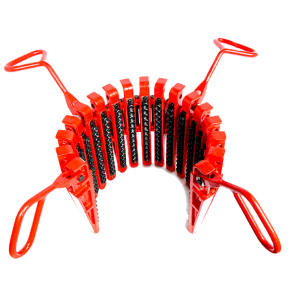
The SGPE Sucker Rod Elevator is an oilfield hoisting tool for lifting, holding and positioning sucker rods during oil well workover, sucker rod pulling, rod running, rod pump maintenance, artificial lift service and production well intervention.
SGPE offers SRE20 and SRE25 models for rod-pumped production wells. The SRE20 provides a rated capacity of 20 short tons and covers published working sizes from 1/2 to 1-1/2 in. The SRE25 provides a rated capacity of 25 short tons for 5/8, 3/4, 7/8 and 1 in working sizes.
During well servicing, the elevator works with the hoisting system on a workover rig, pulling unit or well service rig. It supports the rod while crews pull the string, inspect or replace rods, service the downhole pump and run the string back into the well.
SGPE manufactures the SRE Series according to API Spec 8C requirements for drilling and production hoisting equipment.
The range serves oilfield operators, workover contractors, artificial lift service companies, well service providers, equipment distributors and project procurement teams sourcing an API 8C Sucker Rod Elevator, sucker rod lifting tool, rod handling elevator, workover rod elevator, rod pulling elevator or well service rod elevator.
Email: info@sgpe.com
Tel / WhatsApp: +86 186-1599-5239
Technical Overview
| Parameter | Specification |
|---|---|
| Product Name | Sucker Rod Elevator |
| Series | SRE Series |
| Models | SRE20, SRE25 |
| Equipment Category | Oilfield handling tools / production hoisting equipment |
| Rated Capacity | 20 short tons / 25 short tons |
| Overall Published Working Range | 1/2 to 1-1/2 in, depending on model |
| SRE20 Working Sizes | 1/2, 5/8, 3/4, 7/8, 1, 1-1/8, 1-1/4, 1-1/2 in |
| SRE25 Working Sizes | 5/8, 3/4, 7/8, 1 in |
| Standard Reference | API Spec 8C |
| Primary Function | Lift, hold and position sucker rods |
| Main Operations | Rod pulling, rod running, workover and well servicing |
| Typical Well Type | Rod-pumped production wells |
| Artificial Lift System | Sucker rod pumping / beam pumping |
| Typical Rig Equipment | Workover rig, pulling unit, well service rig |
| Typical Service Work | Rod pump repair, rod replacement, rod inspection and production maintenance |
| Selection Basis | Working size, rated capacity, rig configuration and service conditions |
SGPE confirms project-specific information such as overall dimensions, unit weight, exact material specification, heat-treatment details, inspection scope and equipment marking in the final quotation or approved technical datasheet.
SRE20 & SRE25 Sucker Rod Elevator Specifications
| Model | Applicable Working Size | Rated Capacity |
|---|---|---|
| SRE20 | 1/2 in | 20 short tons |
| SRE20 | 5/8 in | 20 short tons |
| SRE20 | 3/4 in | 20 short tons |
| SRE20 | 7/8 in | 20 short tons |
| SRE20 | 1 in | 20 short tons |
| SRE20 | 1-1/8 in | 20 short tons |
| SRE20 | 1-1/4 in | 20 short tons |
| SRE20 | 1-1/2 in | 20 short tons |
| SRE25 | 5/8 in | 25 short tons |
| SRE25 | 3/4 in | 25 short tons |
| SRE25 | 7/8 in | 25 short tons |
| SRE25 | 1 in | 25 short tons |
The SRE20 20 Ton Sucker Rod Elevator offers the wider published working range. It suits contractors that support several rod programs or maintain equipment for different production wells.
The SRE25 25 Ton Sucker Rod Elevator provides higher rated capacity for selected 5/8, 3/4, 7/8 and 1 in requirements.
Before ordering, confirm the working size and required rated capacity. The rod-string program, rig setup, hoisting arrangement and approved field procedure should also form part of the final selection.
SRE20 vs. SRE25
| Selection Item | SRE20 | SRE25 |
|---|---|---|
| Rated Capacity | 20 short tons | 25 short tons |
| 1/2 in | Yes | — |
| 5/8 in | Yes | Yes |
| 3/4 in | Yes | Yes |
| 7/8 in | Yes | Yes |
| 1 in | Yes | Yes |
| 1-1/8 in | Yes | — |
| 1-1/4 in | Yes | — |
| 1-1/2 in | Yes | — |
| Main Advantage | Wider working-size range | Higher capacity for selected sizes |
| Typical Use | Multi-size service programs | Defined higher-capacity applications |
For 5/8, 3/4, 7/8 and 1 in requirements, both models appear in the published range. Select the model according to the required rated load and field conditions.
For 1/2, 1-1/8, 1-1/4 and 1-1/2 in applications, SGPE lists the SRE20.
What Is a Sucker Rod Elevator and How Does It Work?
A Sucker Rod Elevator is a dedicated oilfield lifting device used during production-well servicing and workover.
In a conventional sucker rod pumping system, the rod string transfers mechanical motion from the surface pumping unit to the downhole rod pump. Rods, couplings, rod guides and pump components may require inspection, repair or replacement during the life of the well.
When service work begins, crews often need to pull part or all of the rod string. The elevator works with the rig hoisting system and supports each rod while the crew lifts, positions, disconnects or reinstalls the string.
During sucker rod pulling, the workover rig raises the string and brings each rod into the working position. After inspection, repair or pump service, crews reverse the process and run the rods back into the well.
Because a single workover can involve many repeated lifting cycles, correctly selected sucker rod handling equipment helps crews maintain a consistent rod-handling workflow.
Depending on regional or purchasing terminology, buyers may also refer to the product as a sucker rod lifting tool, rod handling elevator, rod lifter, oilfield rod elevator, workover rod elevator, rod pulling elevator or well service rod elevator.
Key Features of the SRE Series
API Spec 8C Reference
SGPE manufactures the SRE Series according to API Spec 8C requirements for drilling and production hoisting equipment.
This gives operators, contractors and procurement teams a recognized technical reference when evaluating sucker rod elevators and related production hoisting equipment.
If a project specifies a particular API edition, certification requirement, inspection package, equipment marking or third-party inspection, state those requirements in the RFQ for confirmation.
20 and 25 Short Ton Capacity Options
The SRE20 provides 20 short tons of rated capacity, while the SRE25 provides 25 short tons for selected working sizes.
These configurations address requirements for both a 20 ton Sucker Rod Elevator and a 25 ton Sucker Rod Elevator.
Broad Working-Size Coverage
Across the SRE Series, the published range extends from 1/2 to 1-1/2 in, depending on model.
This gives workover and well service contractors flexibility when supporting different rod programs.
Designed for Repeated Well-Service Handling
Rod pulling and running involve repeated lifting, positioning and transfer. The SRE Series works as part of the workover or service-unit hoisting system during these operations.
Oilfield Applications
The SRE Series supports the main rod-handling stages of oil well workover, production well service and artificial lift maintenance.
| Application | Typical Role | Rig / Unit |
|---|---|---|
| Sucker Rod Pulling | Holds and positions rods during removal | Workover rig / pulling unit |
| Sucker Rod Running | Supports rods during reinstallation | Workover rig / well service rig |
| Oil Well Workover | Supports repeated rod handling | Workover rig |
| Rod Pump Maintenance | Helps remove rods before pump access | Workover / service unit |
| Artificial Lift Maintenance | Supports rod handling during repair | Workover / service rig |
| Rod Replacement | Supports removal and reinstallation | Pulling unit |
| Rod-String Inspection | Allows crews to pull rods for inspection | Workover rig |
| Production Well Intervention | Assists rod removal during repair | Workover rig |
| Production Restoration | Supports rod reinstallation after repair | Well service rig |
| Pumpjack Maintenance | Supports rod handling during pump service | Pulling / service unit |
| Mature Field Workover | Supports recurring maintenance programs | Workover fleet |
The same applications also make the equipment relevant to buyers sourcing rod pulling equipment, sucker rod handling equipment, oilfield workover tools, production hoisting equipment, artificial lift service tools and well service equipment.
Sucker Rod Elevator for Workover Rigs & Well Service
Oil well workover is one of the main operating environments for this equipment.
When a rod-pumped well develops a rod, pump or artificial lift problem, crews may need to remove part or all of the rod string before reaching downhole equipment.
The rig raises the string while the elevator supports each rod. After inspection, repair or replacement, crews use the same rod-handling workflow during reinstallation.
Typical programs include rod pump repair, sucker rod inspection, rod replacement, coupling inspection, artificial lift troubleshooting and production restoration.
For this reason, purchasing teams may also search for a sucker rod elevator for workover rig, workover rod elevator, well service rod elevator, oilfield rod lifting equipment or production well service tool.
Rod Pulling, Rod Running & Rod Replacement
Crews pull sucker rods when they need to inspect the string, reach the downhole pump or replace worn components.
Common reasons include pump failure, rod wear, fatigue, corrosion, coupling problems, scheduled inspection and production troubleshooting.
The elevator supports each rod during removal and again when the string returns to the well.
Correct size matching matters because crews repeat this handling cycle throughout the job.
Contractors that perform frequent service work may therefore include the elevator within a broader package of rod pulling tools, sucker rod running equipment, workover rod handling tools and well servicing equipment.
Rod Pump & Artificial Lift Maintenance
Rod-pumped wells use the sucker rod string to transfer motion from the surface pumping system to the downhole pump.
When the pump requires inspection, repair or replacement, crews normally remove the rod string first. The elevator supports rod handling while the crew accesses the pump.
Typical jobs include downhole pump inspection, pump replacement, rod-string repair, sucker rod replacement, coupling inspection and artificial lift troubleshooting.
This makes the SRE Series relevant to procurement requirements for rod pump maintenance equipment, sucker rod pump service tools, artificial lift workover equipment, pumpjack maintenance equipment and oilfield well service tools.
Pumpjack, Beam-Pumped & Mature Oilfield Applications
Pumpjack and beam pumping systems use sucker rods to transfer motion from surface equipment to the downhole pump.
When these wells require maintenance, crews typically bring a workover rig, pulling unit or well service unit to the location. The rod elevator then becomes part of the hoisting and handling arrangement.
Typical operating environments include conventional onshore oilfields, mature producing fields, pumpjack sites, beam-pumped wells, remote production areas and artificial lift maintenance bases.
Mature fields often require recurring pump changes, rod inspections and corrective workovers. Service contractors may therefore keep several elevator sizes available for different well programs.
Compatible Workover Rigs & Well Service Units
| Rig / Unit | Typical Rod Operations |
|---|---|
| Workover Rig | Rod pulling, rod running, pump repair and well intervention |
| Pulling Unit | Routine rod pulling, rod replacement and pump service |
| Well Service Rig | Rod running, production maintenance and artificial lift service |
| Mobile Service Unit | Maintenance across multiple production wells |
| Production Maintenance Unit | Scheduled field maintenance and repair |
These units service existing production wells rather than perform the original drilling operation.
Because contractors move between wells with different rod programs, confirm the working size and rated capacity before each job.
Role in a Sucker Rod Pumping System
| System Component | Main Function | Relation to Rod Handling |
|---|---|---|
| Surface Pumping Unit / Pumpjack | Drives the artificial lift system | No direct elevator function |
| Polished Rod | Transfers motion through the wellhead | Uses its own handling procedure |
| Stuffing Box | Seals around the polished rod | Wellhead component |
| Sucker Rod String | Transfers motion downhole | Primary component handled by the elevator |
| Rod Couplings | Connect rod sections | Part of the handling sequence |
| Production Tubing | Provides the production conduit | Requires tubing-handling equipment |
| Downhole Rod Pump | Lifts produced fluids | Access often requires rod-string removal |
The elevator does not operate during normal production. Crews use it when the well enters a maintenance, repair or workover phase.
Size & Model Selection Guide
| Requirement | Recommended Direction |
|---|---|
| Widest published working range | SRE20 |
| 1/2 in requirement | SRE20 |
| 5/8 in at 20 short tons | SRE20 |
| 5/8 in at 25 short tons | SRE25 |
| 3/4 in at 20 short tons | SRE20 |
| 3/4 in at 25 short tons | SRE25 |
| 7/8 in at 20 short tons | SRE20 |
| 7/8 in at 25 short tons | SRE25 |
| 1 in at 20 short tons | SRE20 |
| 1 in at 25 short tons | SRE25 |
| 1-1/8 in requirement | SRE20 |
| 1-1/4 in requirement | SRE20 |
| 1-1/2 in requirement | SRE20 |
| Several sizes for a service fleet | Review SRE20/SRE25 combination |
| Project-specific inspection | Include requirements in the RFQ |
How to Select the Right Sucker Rod Elevator
Confirm the Working Size
Start with the actual size required by the service job. Never select a model from rated capacity alone.
Check the Required Rated Capacity
Choose between the 20-short-ton and 25-short-ton options according to the approved lifting requirement and field conditions.
Review the Rod-String Program
Useful information includes working size, rod-string configuration, well depth, pump depth, tapered rod program, workover scope and artificial lift arrangement.
Check the Rig Configuration
The elevator forms part of a complete hoisting system. Review the workover rig, pulling unit, service rig, travelling equipment and rod-handling procedure before ordering.
Consider Service Frequency
Daily rod-handling work creates different inspection and maintenance demands from occasional planned workovers. Service frequency should form part of the equipment-management plan.
Define Documentation Requirements
Operators, EPC contractors and project buyers may require inspection records, testing documents, equipment marking, traceability information or third-party inspection. State these requirements in the RFQ.
Technical Data & Documents to Confirm Before Order
| Parameter / Document | Status |
|---|---|
| SRE20 / SRE25 Model | Published |
| Applicable Working Size | Published |
| 20 / 25 Short Ton Rated Capacity | Published |
| API Spec 8C Reference | Published |
| Exact Contractual API Edition | Confirm for project |
| Overall Dimensions | Confirm for selected configuration |
| Unit Weight | Confirm for selected configuration |
| Exact Material Specification | Confirm before order |
| Heat-Treatment Requirement | Confirm before order |
| Inspection Scope | Define in RFQ |
| Load-Test Documentation | Confirm project requirement |
| NDT Documentation | Confirm if required |
| Equipment Marking | Confirm contractual requirement |
| Traceability Documentation | Confirm project requirement |
| Third-Party Inspection | State in RFQ |
| Packing Requirement | Confirm for destination and project |
| Shipping Documentation | Confirm with purchase order |
This distinction helps engineering and procurement teams separate published product data from project-specific requirements.
Sucker Rod Elevator vs. Other Oilfield Elevators
| Elevator Type | Component Handled | Main Operation | Typical Stage |
|---|---|---|---|
| Sucker Rod Elevator | Sucker rods | Rod pulling / running | Production & workover |
| Tubing Elevator | Production tubing | Tubing pulling / running | Completion & workover |
| Casing Elevator | Casing | Casing running | Well construction |
| Drill Pipe Elevator | Drill pipe | Drill-string lifting / tripping | Drilling |
A workover crew may use both a rod elevator and a Tubing Elevator during the same job. For example, crews may remove the sucker rod string before pulling the production tubing.
The tools are complementary, but they are not interchangeable. Match each lifting tool to the handled component, working size and rated capacity.
Inspection & Maintenance
Oilfield hoisting equipment experiences repeated mechanical loading, so crews should inspect the elevator before every service job.
| Inspection Point | What to Check |
|---|---|
| Working Size | Confirm compatibility with the intended rod |
| Equipment Identification | Verify model and rated-capacity marking |
| Load-Bearing Areas | Look for visible damage or deformation |
| Operating Mechanism | Confirm smooth and complete operation |
| Latching / Retaining Components | Check condition and proper function |
| Wear Areas | Look for excessive wear |
| Visible Surfaces | Check for cracking or other damage |
| Contamination | Remove oil, mud, sand, scale and debris |
Crews should keep the equipment clean because crude oil residue, production fluids, sand, scale, mud, rust and grease can hide damage or interfere with moving components.
Maintain working parts according to the applicable instructions and the operator’s lifting-equipment program. Inspection intervals should reflect service frequency, workover duty and actual field conditions.
If the equipment shows excessive wear, visible damage or abnormal operation, remove it from service and follow the approved inspection and repair procedure.
Related Sucker Rod & Workover Equipment
A Sucker Rod Elevator normally forms part of a broader oilfield well service package.
During rod work, crews may also use sucker rod hooks, sucker rod wrenches and other rod handling tools. If the workover includes production tubing, the equipment package may also require Tubing Elevators, Tubing Slips and Tubing Tongs.
The complete operation also depends on the workover rig hoisting system and suitable wellhead service equipment.
These related product names also provide natural internal-link opportunities across SGPE’s workover, tubular-handling and oilfield hoisting equipment pages.
Sucker Rod Elevator Manufacturer & Supplier
Oilfield procurement teams often search for a Sucker Rod Elevator manufacturer or supplier when preparing replacement orders, workover packages or service-rig inventories.
SGPE supplies SRE20 and SRE25 models for oilfield production, workover, well servicing and artificial lift maintenance.
Before quotation, buyers can provide the required working size, rated capacity, quantity, rig application and documentation requirements. SGPE can then review the proposed configuration against the stated application.
This purchasing process suits oilfield operators buying replacement equipment, workover contractors equipping service fleets, distributors building regional inventory and EPC teams sourcing oilfield handling equipment.
Sucker Rod Elevator Price, Quotation & Bulk Orders
The final Sucker Rod Elevator price can vary with the selected model, working size, quantity, documentation package, inspection requirements, packing and project conditions.
Buyers requesting an SRE20 price, SRE25 price, Sucker Rod Elevator quotation or Sucker Rod Elevator for sale should therefore provide the actual technical requirement rather than asking for pricing from the product name alone.
Fleet buyers can provide the required sizes and quantities for each rig. Oilfield equipment distributors can provide common sizes for their target market and expected stocking quantities.
SGPE can also review bulk orders, distributor purchasing, replacement orders and petroleum project procurement together with inspection, documentation and packing requirements.
Ordering Information
For a faster and more accurate quotation, provide the following information:
| RFQ Item | Information to Provide |
|---|---|
| Product | Sucker Rod Elevator |
| Model | SRE20 / SRE25 / To be selected |
| Working Size | Required diameter |
| Rated Capacity | 20 or 25 short tons |
| Quantity | Number of units |
| Application | Rod pulling, rod running, workover, pump service, etc. |
| Rig Type | Workover rig, pulling unit or well service rig |
| Rod-String Information | Provide relevant details where required |
| Well / Field Conditions | Provide relevant conditions for review |
| Standard Requirement | State the project specification |
| Inspection Requirement | Customer / third-party requirements |
| Documentation | Required certificates or test records |
| Destination | Country / project location |
| Packing Requirement | State special project requirements |
Clear RFQ information allows SGPE to review the model and project configuration before preparing the quotation.
Procurement Support from SGPE
SGPE can review the model, working size, rated capacity, application, rig information, quantity and documentation requirements before quotation.
This helps oilfield operators, workover contractors, well service companies, artificial lift specialists, distributors and EPC procurement teams identify a suitable SRE20 or SRE25 configuration for the stated field program.
The same review can support requirements for an API 8C Sucker Rod Elevator, workover rod elevator, rod pulling equipment, oilfield rod lifting tool or well service rod handling equipment.
Frequently Asked Questions About Sucker Rod Elevators
1. What is a Sucker Rod Elevator used for?
A Sucker Rod Elevator is an oilfield hoisting and rod-handling tool used to lift, hold and position sucker rods during oil well workover, sucker rod pulling, rod running and production well servicing. It works with the hoisting system on a workover rig, pulling unit or well service rig while crews remove or reinstall the sucker rod string.
Typical applications include rod inspection, sucker rod replacement, coupling inspection, downhole rod pump repair, artificial lift troubleshooting and production restoration. The elevator is especially relevant to rod-pumped production wells where crews need to access the downhole pump or service the rod string. Because a workover may involve many repeated lifting cycles, selecting the correct working size and rated capacity is important for the overall rod-handling program.
2. What Sucker Rod Elevator models does SGPE supply?
SGPE supplies SRE20 and SRE25 Sucker Rod Elevators for oilfield workover and well service applications. The SRE20 provides a rated capacity of 20 short tons, while the SRE25 provides 25 short tons for selected working sizes.
The SRE20 covers the wider published working range and is suitable for contractors that support different sucker rod programs across multiple production wells. The SRE25 offers a higher rated capacity for 5/8, 3/4, 7/8 and 1 in requirements.
Both models can be used as part of a rod-handling system on workover rigs, pulling units and well service rigs. Final model selection should consider the required working size, rated capacity, rig configuration and actual field conditions rather than capacity alone.
3. What working sizes does the SRE20 Sucker Rod Elevator cover?
The SRE20 Sucker Rod Elevator covers published working sizes of 1/2, 5/8, 3/4, 7/8, 1, 1-1/8, 1-1/4 and 1-1/2 in and has a rated capacity of 20 short tons.
Its broader working range makes it suitable for workover contractors, well service companies and service-rig fleets that may handle several rod programs. Typical applications include sucker rod pulling, rod running, rod-string inspection, rod replacement and rod pump maintenance on producing wells.
Before ordering an SRE20, buyers should confirm the required working size, service conditions and hoisting arrangement. Where a project includes specific inspection, marking, documentation or third-party inspection requirements, these details should also be included in the RFQ so SGPE can review the requested configuration.
4. What working sizes does the SRE25 Sucker Rod Elevator cover?
The SRE25 Sucker Rod Elevator provides a rated capacity of 25 short tons and covers published working sizes of 5/8, 3/4, 7/8 and 1 in.
It is intended for applications where the required working size falls within this range and the approved lifting requirement calls for the higher 25-short-ton capacity. Typical operating environments include workover rigs, pulling units and well service rigs performing sucker rod pulling, rod running, pump service and production-well maintenance.
The SRE25 should not be selected simply because it has a higher rated capacity. The working size must also match the field requirement. Buyers should therefore confirm both the handled size and required load before placing an order or requesting a quotation.
5. What is the difference between SRE20 and SRE25 Sucker Rod Elevators?
The main differences between SRE20 and SRE25 are rated capacity and published working-size coverage. The SRE20 provides 20 short tons of rated capacity and covers sizes from 1/2 to 1-1/2 in, while the SRE25 provides 25 short tons for 5/8, 3/4, 7/8 and 1 in applications.
For 5/8, 3/4, 7/8 and 1 in requirements, both models appear in the SGPE range, so the final choice depends on the approved load requirement and operating conditions. For 1/2, 1-1/8, 1-1/4 and 1-1/2 in requirements, SGPE lists the SRE20.
Workover contractors and fleet operators should also consider the rod program, service frequency, rig setup and project documentation requirements when choosing between the two models.
6. Does API Spec 8C apply to the SGPE Sucker Rod Elevator?
SGPE manufactures the SRE Series according to API Spec 8C requirements for drilling and production hoisting equipment. This provides a technical reference for operators, workover contractors, well service companies and procurement teams evaluating sucker rod lifting and handling equipment.
For project procurement, buyers should clearly state any contractual requirements related to the applicable API edition, inspection, testing, equipment marking, traceability or third-party inspection. These requirements may vary between operators, regions and projects.
If your purchase specification requires particular certification or documentation, include those details in the RFQ so SGPE can confirm what applies to the offered SRE20 or SRE25 configuration. The product should not be described as “API certified” or “API monogrammed” unless the relevant certification status has been specifically confirmed.
7. How do I choose the correct Sucker Rod Elevator for a workover job?
Start by confirming the required working size and then determine whether the job requires a 20-short-ton or 25-short-ton rated capacity. The elevator must match the handled component and the approved lifting requirement, so model selection should never rely on rated capacity alone.
The rod-string program also matters. Information such as well depth, pump depth, tapered rod configuration, workover scope and artificial lift arrangement can help define the service requirement. The workover rig, pulling unit or well service rig configuration should also be reviewed because the elevator operates as part of a complete hoisting system.
For fleet or project purchases, buyers should also consider service frequency, inspection requirements, documentation and spare-equipment planning before selecting SRE20, SRE25 or a combination of both models.
8. Can a Sucker Rod Elevator be used on workover rigs, pulling units and well service rigs?
Yes. Workover rigs, pulling units and well service rigs are the main operating environments for this type of sucker rod handling equipment.
During a typical workover, the rig hoisting system raises the sucker rod string while the elevator supports and positions each rod for removal. After rod inspection, replacement or downhole pump service, crews use the same type of handling equipment while running the string back into the well.
These operations are common in production well maintenance, artificial lift service, pumpjack well repair and mature oilfield workover programs. Because different service units may work on wells with different rod programs, the working size and rated capacity should be confirmed before each job rather than assuming one elevator configuration will suit every well.
9. Can the Sucker Rod Elevator be used for rod pump and artificial lift maintenance?
Yes. A Sucker Rod Elevator is commonly used during rod pump maintenance and artificial lift service because crews often need to remove the sucker rod string before they can access the downhole pump.
Typical service work includes downhole pump inspection, pump replacement, rod-string repair, sucker rod replacement, coupling inspection and artificial lift troubleshooting. After maintenance is complete, the elevator supports the rods again while crews reinstall the string.
This makes the equipment relevant to pumpjack wells, beam-pumped wells, mature producing fields and other rod-pumped production wells. Artificial lift service companies and workover contractors may therefore include the elevator as part of a broader package of rod pulling tools, rod handling equipment and well service equipment.
10. What is the difference between a Sucker Rod Elevator and a Tubing Elevator?
A Sucker Rod Elevator is designed to handle sucker rods, while a Tubing Elevator handles production tubing. The two tools may be used during the same well intervention, but they perform different jobs and are not interchangeable.
For example, during a major workover, crews may first pull the sucker rod string to access the downhole pump. If the repair program also requires tubing removal, the crew may then use a Tubing Elevator together with Tubing Slips and Tubing Tongs to handle the production tubing.
This distinction is important when selecting oilfield hoisting equipment because each tool must match the handled component, working size and rated load. Workover contractors should therefore prepare the rod-handling and tubing-handling equipment packages separately for the planned service program.
11. How should crews inspect and maintain a Sucker Rod Elevator?
Before each workover or well service job, crews should confirm the correct working size and inspect the elevator for visible wear, deformation, cracking, damage or abnormal operation. The load-bearing areas, operating mechanism and latching or retaining components should be checked carefully before the equipment enters service.
Oil, production fluids, sand, scale, mud, rust and grease should be removed because contamination can hide damage or interfere with moving components. Maintenance should follow the applicable operating instructions and the operator’s lifting-equipment inspection program.
Inspection frequency should reflect actual service conditions. A rod elevator used every day by a workover fleet may require more frequent inspection than equipment used only during planned production-well interventions. If excessive wear or damage is found, the equipment should be removed from service and handled according to the approved inspection and repair procedure.
12. What information should I provide when requesting a Sucker Rod Elevator quotation?
For an accurate Sucker Rod Elevator quotation, provide the required model if known, working size, rated capacity, quantity, application and rig type. Information about whether the equipment will be used for rod pulling, rod running, pump repair, artificial lift maintenance or general oil well workover can also help SGPE review the requirement.
Buyers should also provide the destination and any project-specific requirements related to inspection, testing, equipment marking, traceability, packing, documentation or third-party inspection. Fleet operators can include the sizes and quantities required for each rig, while distributors may provide their common stocking sizes and expected order quantity.
After reviewing the technical and commercial requirements, SGPE can help confirm the suitable SRE20 or SRE25 configuration and provide a corresponding quotation based on the requested specification, quantity and project conditions.
Request a Quote for Sucker Rod Elevator
Looking for a reliable Sucker Rod Elevator manufacturer or supplier for oil well workover, rod pulling, rod running, rod pump maintenance or artificial lift service?
SGPE supplies SRE20 and SRE25 Sucker Rod Elevators for workover rigs, pulling units and well service operations, with different working sizes and rated capacities available for various rod-handling requirements.
For an accurate quotation, please provide the required model, working size, rated capacity, quantity, application, rig type, destination and project documentation requirements. If your project requires specific inspection, testing, marking, traceability, packing or third-party inspection, please include these details in your inquiry.
Email: info@sgpe.com
Tel / WhatsApp: +86 186-1599-5239