Description
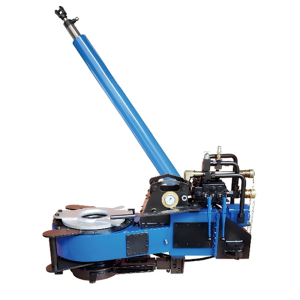
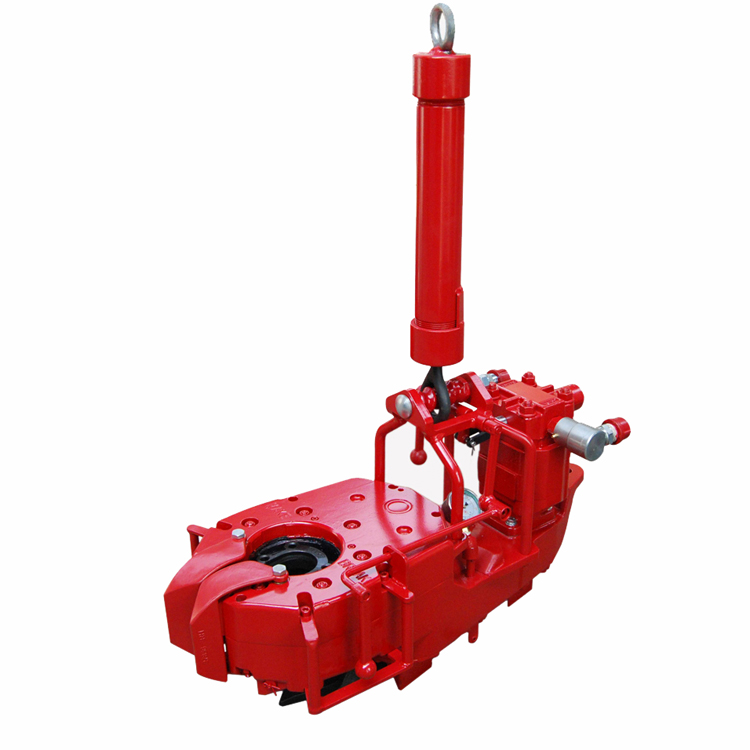
Sucker Rod Power Tong for Oilfield Workover, Rod Running & Rod Pulling
SGPE Sucker Rod Power Tong provides controlled make-up and break-out of sucker rod connections during oilfield workover, rod running, rod pulling, rod pump maintenance and artificial lift service.
The hydraulic drive combines fast thread spinning with strong low-speed torque. This helps workover crews move efficiently through repeated rod connections while maintaining better control during final make-up and difficult break-out.
SGPE supplies Hydraulic Sucker Rod Power Tong configurations for common rod sizes from 5/8 in. to 1-1/8 in. The range includes XQ29-series tongs, hydraulic backup tong packages, interchangeable jaws and dies, hydraulic accessories and configurations matched to different workover rigs or hydraulic power units.
Depending on local oilfield terminology, buyers may also use terms such as Hydraulic Sucker Rod Tong, Oilfield Rod Power Tong, Workover Power Tong, Well Service Power Tong or Hydraulic Rod Tong.
Typical users include oilfield service companies, well servicing contractors, workover operators, artificial lift service providers, oil producers, EPC contractors and petroleum equipment distributors.
Email: info@sgpe.com
Tel / WhatsApp: +86 186-1599-5239
Sucker Rod Power Tong at a Glance
| Parameter | Typical Configuration |
|---|---|
| Product | Sucker Rod Power Tong |
| Related Terms | Hydraulic Sucker Rod Tong / Oilfield Rod Power Tong / Workover Power Tong |
| Main Function | Sucker rod make-up and break-out |
| Rod Range | 5/8″–1-1/8″ |
| Available Series | XQ29-1.8 / XQ29-2.6 / YQ48 / project-specific |
| Drive | Hydraulic |
| Tong Design | Open-head / side-entry |
| Operating Modes | High-speed spinning + low-speed high torque |
| Rated Hydraulic Pressure | Approx. 10 MPa / 1,450 psi for common XQ29 models |
| Hydraulic Flow | Approx. 65–80 L/min / 17–21 GPM depending on model |
| Rated Low-Gear Torque | Approx. 1,800–2,600 N·m depending on model |
| Maximum Low-Speed Torque | Up to approx. 2,800 N·m depending on configuration |
| High-Speed Rotation | Approx. 98–104 rpm depending on model |
| Hydraulic Source | Workover rig hydraulic system or independent HPU |
| Backup Tong | Available according to order scope |
| Jaws / Dies | Match required sucker rod sizes |
| Torque Control | Project-specific option |
| Spare Parts | Jaws, dies, inserts, seals, hoses and selected wear parts |
| Typical Worksite | Workover rig / pulling unit / mobile well service unit |
Final specifications depend on the selected model and approved SGPE technical datasheet.
What Is a Sucker Rod Power Tong?
A Sucker Rod Power Tong is a hydraulic oilfield handling tool that grips and rotates threaded sucker rod connections during workover and well servicing.
Rod-pumped wells can contain many threaded connections. When crews pull or run a rod string, each joint must be loosened or tightened at surface. A hydraulic rod tong reduces repetitive manual wrench work and gives crews a faster, more consistent way to handle these connections.
Unlike casing, drill pipe or standard tubing power tongs, a sucker rod tong works with smaller diameters and torque ranges suited to rod-pumped artificial lift systems.
A typical system combines a master tong, backup tong, hydraulic drive and interchangeable gripping components. The master tong rotates the joint while the backup tong holds the opposite side. Hydraulic controls manage speed and torque, while correctly sized jaws or dies provide secure gripping.
This compact arrangement suits routine producing-well service, rod pump workover and higher-frequency well servicing operations.
SGPE Hydraulic Sucker Rod Power Tong Range
SGPE offers several configurations so buyers can match the tong to the actual rod size, torque requirement and available hydraulic supply.
| Model / Series | Rod Range | Typical Duty | Hydraulic Demand | Main Selection Point |
|---|---|---|---|---|
| XQ29-1.8 | 5/8″–1-1/8″ | Routine sucker rod workover | Approx. 10 MPa / 65 L/min | Compact design and lower flow demand |
| XQ29-2.6 | 5/8″–1-1/8″ | Medium/heavier rod workover | Approx. 10 MPa / 80 L/min | Higher low-speed torque |
| YQ48 Series | Configuration dependent | Rod handling / well service | Model dependent | Application-specific configuration |
| Custom Package | Project dependent | Fleet or project service | According to selected equipment | Backup tong, jaws, HPU and accessories matched to project |
For frequent sucker rod running and pulling, rotational speed and available hydraulic flow affect the connection cycle. For mature producing wells, tight joints or difficult break-out, low-speed torque generally becomes more important.
The range includes dedicated XQ29-1.8 Hydraulic Sucker Rod Power Tong and XQ29-2.6 Hydraulic Sucker Rod Power Tong configurations for projects that already specify a model.
XQ29 Sucker Rod Power Tong Technical Specifications
| Parameter | XQ29-1.8 | XQ29-2.6 |
|---|---|---|
| Product Type | Hydraulic Sucker Rod Power Tong | Hydraulic Sucker Rod Power Tong |
| Design | Open-head | Open-head |
| Sucker Rod Range | 5/8″–1-1/8″ | 5/8″–1-1/8″ |
| Approx. Metric Range | 16–29 mm | 16–29 mm |
| Small Tubing Capability | Ø48–60 mm | Confirm by configuration |
| High-Gear Rated Torque | 700 N·m / 516 ft-lbs | 1,000 N·m / 738 ft-lbs |
| Low-Gear Rated Torque | 1,800 N·m / 1,328 ft-lbs | 2,600 N·m / 1,918 ft-lbs |
| Maximum Low-Speed Torque* | Approx. 2,300 N·m / 1,700 ft-lbs | Approx. 2,800 N·m / 2,065 ft-lbs |
| High-Gear Speed | Approx. 104 rpm | Approx. 98 rpm |
| Low-Gear Speed | Approx. 40 rpm | Approx. 32 rpm |
| Rated Hydraulic Pressure | 10 MPa / 1,450 psi | 10 MPa / 1,450 psi |
| Maximum Torque Pressure* | Approx. 12.5 MPa / 1,700 psi | Approx. 11 MPa / 1,600 psi |
| Recommended Oil Flow | 65 L/min / 17 GPM | 80 L/min / 21 GPM |
| Overall Dimensions | Approx. 543 × 334 × 404 mm | Approx. 670 × 383 × 490 mm |
| Approx. Weight | 105 kg / 231 lbs | Approx. 100 kg / 220 lbs |
| Hydraulic Source | Workover rig or HPU | Workover rig or HPU |
| Backup Tong | Available | Available |
| Replaceable Jaws / Dies | Yes | Yes |
| Two-Speed Operation | Yes | Yes |
*Maximum values apply to the corresponding approved configuration and operating pressure.
Production versions may differ in backup arrangement, accessories or project-specific details. The approved quotation, model-specific technical datasheet and GA drawing control the final contractual specification.
XQ29-1.8 vs. XQ29-2.6: Which Model Fits the Job?
The XQ29-1.8 suits routine rod workover where compact size and moderate hydraulic flow matter. It is a practical choice for contractors that regularly run or pull sucker rods and have approximately 65 L/min hydraulic flow available.
The XQ29-2.6 provides more low-speed torque and gives crews additional margin when breaking out tight or long-service connections. It is particularly useful where difficult break-out or heavier workover duty matters more than minimum hydraulic demand.
| Workover Requirement | XQ29-1.8 | XQ29-2.6 |
|---|---|---|
| Routine sucker rod service | Strong match | Suitable |
| Frequent rod running | Strong match | Strong match |
| Lower available hydraulic flow | Better match | Higher flow required |
| 65 L/min hydraulic supply | Typical match | Below typical rated flow |
| 80 L/min hydraulic supply | Can suit with proper control | Typical match |
| Difficult break-out | Moderate torque | Higher torque |
| Long-service rod connections | Application dependent | More torque margin |
| Rated Low-Gear Torque | 1,800 N·m | 2,600 N·m |
| High-Speed Rotation | Approx. 104 rpm | Approx. 98 rpm |
The model number alone should not determine the final choice. Rod size, required make-up torque, expected break-out demand, hydraulic pressure and available oil flow all matter.
5/8 to 1-1/8 Inch Sucker Rod Tong Sizes
Common XQ29 configurations handle sucker rods from 5/8 inch to 1-1/8 inch.
| Nominal Rod Size | Approx. Metric Size | Typical Oilfield Service |
|---|---|---|
| 5/8″ | 16 mm | Lighter rod strings and selected wells |
| 3/4″ | 19 mm | Beam pumping and routine rod pump service |
| 7/8″ | 22 mm | Common sucker rod strings |
| 1″ | 25 mm | Higher-load artificial lift service |
| 1-1/8″ | Approx. 29 mm class | Heavy-duty rod strings |
Each diameter requires compatible gripping components. The jaw, die or insert should match the actual connection geometry rather than nominal rod size alone.
For contractors handling several rod sizes, SGPE can supply additional Sucker Rod Tong Jaw Sets and Dies so the supported tong platform can cover several rod sizes within its rated range.
How a Hydraulic Sucker Rod Power Tong Works
A sucker rod connection requires different tong performance during different stages of the operating cycle.
| Operating Stage | Required Performance | Main Function |
|---|---|---|
| Positioning | Open-head access | Move tong around rod from the side |
| Initial Make-Up | High-speed rotation | Spin thread quickly |
| Final Make-Up | Low-speed higher torque | Tighten connection |
| Initial Break-Out | Low-speed higher torque | Release tight connection |
| Thread Release | High-speed rotation | Spin joint apart |
| Tong Removal | Open-head access | Move tong away from rod |
During free spinning, speed matters most because the connection carries little resistance. As the joint approaches final make-up, the tong shifts the emphasis toward controlled torque. The same principle works in reverse during break-out, where strong low-speed torque releases the connection before high-speed rotation spins it apart.
This two-speed operating principle gives crews a practical balance between fast thread handling and controlled connection torque.
Oilfield Applications of Sucker Rod Power Tong
The equipment supports routine producing-well service, artificial lift maintenance and workover operations where crews repeatedly make up or break out sucker rod connections.
Sucker Rod Running and Pulling
During sucker rod running, the tong spins each connection quickly before applying final make-up torque. During rod pulling, it first releases the joint and then spins the connection apart.
A complete rod string can contain many joints, so even a small reduction in connection cycle time can improve overall workover efficiency.
Rod Pump and Artificial Lift Service
Retrieving a conventional downhole rod pump normally requires crews to pull the sucker rod string first. After pump repair or replacement, the rods return to the well.
For this reason, a Hydraulic Sucker Rod Tong fits naturally into rod pump replacement, artificial lift maintenance, rod inspection and coupling repair operations.
Beam Pumping and Mature Well Workover
Beam pumping wells may require rod work because of wear, coupling damage, corrosion, pump problems or planned maintenance.
Older producing wells can also contain connections that have remained downhole for long periods. When break-out becomes harder, low-speed torque, hydraulic pressure, backup tong stability and jaw condition become increasingly important.
Mobile Workover and Pulling Units
The open-head design allows side entry around the sucker rod, making the equipment practical on workover rigs, pulling units and truck-mounted well service units where working space around the wellhead may be limited.
The compact side-entry arrangement also helps crews reposition the tong quickly during repetitive rod running and pulling.
Open-Head Sucker Rod Tong for Workover Rigs
An open-head sucker rod tong does not require the complete rod to pass through a closed tong body.
Instead, the operator moves the tong sideways around the connection. This design reduces positioning time during repetitive rod work and suits the restricted working area found on many workover rigs and mobile well service units.
The side-entry layout also makes it easier to remove and reposition the tong after each connection cycle.
Hydraulic Sucker Rod Tong with Backup Tong
A hydraulic backup tong holds the opposite side of the rod connection while the master tong rotates. This limits unwanted movement and gives the operator better control during both make-up and break-out.
Depending on the order scope, SGPE can supply the master power tong together with a hydraulic backup tong, matching jaws and dies, hydraulic hoses, quick couplings, pressure indication, torque-control components and field spare parts.
For projects where crews already have compatible backup equipment or hydraulic accessories, the master tong can also be supplied separately. When requesting a quotation, specify whether the requirement is for the tong only or for a complete Hydraulic Sucker Rod Tong with Backup Tong package.
Hydraulic Power Unit and Workover Rig Compatibility
The hydraulic source directly affects tong performance.
Hydraulic pressure mainly influences torque, while hydraulic oil flow mainly influences rotational speed.
A hydraulic system may provide enough pressure to produce the required break-out torque but still rotate the tong too slowly if the available oil flow is below the model requirement.
| Hydraulic Requirement | XQ29-1.8 | XQ29-2.6 |
|---|---|---|
| Rated Pressure | 10 MPa / 1,450 psi | 10 MPa / 1,450 psi |
| Recommended Flow | Approx. 65 L/min / 17 GPM | Approx. 80 L/min / 21 GPM |
| High-Speed Rotation | Approx. 104 rpm | Approx. 98 rpm |
| Low-Speed Rotation | Approx. 40 rpm | Approx. 32 rpm |
| Hydraulic Source | Workover rig or HPU | Workover rig or HPU |
An existing workover rig can power the tong when its pressure, flow and hydraulic connections match the selected model.
Before ordering, provide the working pressure, maximum pressure, rated oil flow, supply and return hose sizes, hydraulic connection type and required hose length. If the rig cannot provide suitable hydraulic output, SGPE can configure the equipment for use with an independent Hydraulic Power Unit for Sucker Rod Power Tong.
Sucker Rod Make-Up and Break-Out Torque
Correct make-up torque helps maintain connection reliability through repeated pumping cycles.
Too little torque may contribute to loose joints, while excessive torque can place unnecessary stress on sucker rod threads and couplings. For this reason, tong selection should consider both routine make-up torque and the higher torque that may be required during break-out.
Hydraulic pressure has a direct influence on tong torque output. Depending on the project, the system can also use pressure indication, pressure regulation and other torque-control components to support the operator during connection make-up.
If the sucker rod manufacturer, well operator or workover procedure specifies a target torque, include that value during the inquiry so SGPE can review the appropriate configuration.
Sucker Rod Tong Jaws, Dies and Inserts
Jaws, dies and inserts directly contact the sucker rod, so correct gripping geometry plays an important role in tong performance.
A worn or incorrectly sized gripping part can allow the rod to slip, reduce connection control or damage the contact surface. Each rod size should therefore use a matching jaw or die set.
| Rod Size | Typical Gripping Requirement |
|---|---|
| 5/8″ | Matching 5/8″ jaw / die set |
| 3/4″ | Matching 3/4″ jaw / die set |
| 7/8″ | Matching 7/8″ jaw / die set |
| 1″ | Matching 1″ jaw / die set |
| 1-1/8″ | Matching 1-1/8″ jaw / die set |
A contractor handling several rod sizes can use different gripping sets when the selected tong model covers the required diameter range.
Replacement Sucker Rod Tong Parts & Spare Parts
Existing workover fleets often need replacement gripping or hydraulic components before they need a complete new tong.
SGPE can support inquiries for Sucker Rod Tong replacement parts when technical compatibility can be confirmed. Common field requirements include jaw sets, dies, inserts, hydraulic seals, hoses, quick couplings, selected hydraulic motor components, control valve parts, bearings, pins, springs and other routine wear components.
For replacement-part inquiries, provide the tong model, sucker rod size and existing part number where available. Clear photographs and key dimensions are also useful, while hydraulic components should include port, thread or fitting details.
Because parts from different XQ29 versions may not interchange directly, compatibility should be confirmed before production. For remote or continuous workover service, a project-specific Sucker Rod Power Tong Spare Parts Kit can help reduce downtime when wear components need replacement.
Sucker Rod Power Tong vs. Tubing Power Tong
Both tools use hydraulic power, but they handle different oilfield connections.
| Comparison | Sucker Rod Power Tong | Tubing Power Tong |
|---|---|---|
| Main Component | Sucker rod | Production tubing |
| Typical Size Range | 5/8″–1-1/8″ rods | Commonly 2-3/8″ and larger |
| Torque Requirement | Lower | Higher |
| Tool Size | More compact | Generally larger |
| Main Operation | Rod running / pulling | Tubing running / pulling |
| Typical Worksite | Production well / workover rig | Workover / completion site |
| Gripping Components | Rod jaws / dies | Tubing jaws / dies |
| Typical Service | Rod pump / artificial lift | Tubing string service |
A Tubing Power Tong should not automatically replace a dedicated rod tong because sucker rod diameter, gripping geometry, torque and rotational-speed requirements differ.
For rod pump maintenance and artificial lift service, a dedicated Hydraulic Sucker Rod Tong provides gripping and operating characteristics that more closely match sucker rod connections.
Small Tubing Capability
Some XQ29-1.8 configurations can also handle selected Ø48–60 mm small tubing when fitted with suitable gripping components.
If a project requires both sucker rod and small tubing service, provide the exact tubing OD and connection details. SGPE can then check whether the selected tong and jaw configuration suit both operating requirements.
Sucker Rod Power Tong Price and Quotation
There is no single fixed Sucker Rod Power Tong price because the final quotation depends on the selected model, rod size range and complete supply scope.
The XQ29-1.8 and XQ29-2.6 have different torque and hydraulic-flow requirements. The quotation may also change when a project requires a backup tong, independent HPU, additional jaw sets, longer hydraulic hoses, special quick couplings, torque-control components or a field spare-parts package.
Inspection and documentation requirements can also affect the supply scope, especially when a project calls for FAT, third-party inspection, ITP or MDR documentation.
For this reason, the lowest equipment price does not always represent the best field solution. Correct hydraulic matching, gripping components and accessories are just as important as the tong itself.
For an accurate quotation, provide the operating conditions, hydraulic data, required quantity and final destination.
How to Select the Right Sucker Rod Power Tong
The correct model depends on the complete workover requirement rather than maximum torque alone.
Start with the sucker rod size or size range, because this determines the required jaws and dies. Then confirm the expected make-up and break-out torque, especially if the equipment will work on mature wells or long-service rod connections.
Hydraulic pressure and oil flow also need to match the tong. Pressure mainly affects torque output, while oil flow influences rotation speed and therefore connection cycle time.
The existing workover rig or HPU should also be checked for hose sizes, hydraulic connections and available flow. If several rod sizes will be handled, include the full size range so the correct gripping package can be prepared.
For routine sucker rod running and general well service, the XQ29-1.8 combines approximately 104 rpm high-speed rotation, 1,800 N·m rated low-gear torque and 65 L/min oil flow.
Where higher break-out torque is required, the XQ29-2.6 provides approximately 2,600 N·m rated low-gear torque and uses approximately 80 L/min hydraulic flow.
Inspection, Testing and Project Documentation
Before shipment, the agreed inspection scope can cover workmanship, principal dimensions, ordered jaw or die sizes and hydraulic function. The tong can also be checked in both high-speed and low-speed operating modes, while hydraulic hoses, fittings and connections can be inspected for leakage.
SGPE can also verify the agreed accessories and spare parts before packing so that the shipment matches the confirmed supply scope.
Project documentation may include the technical datasheet, GA or dimensional information where applicable, packing list, inspection records, operation and maintenance information, spare-parts information and product photographs.
If the project requires FAT, third-party inspection, ITP, MDR or other project-specific documentation, state the requirement during the RFQ stage so the applicable inspection and document scope can be confirmed before order placement.
Sucker Rod Power Tong Manufacturer & Supplier
SGPE supplies Sucker Rod Power Tongs and oilfield workover equipment to oil producers, oilfield service companies, well servicing contractors, artificial lift service providers, EPC contractors and petroleum equipment distributors.
Selecting a Sucker Rod Power Tong manufacturer or supplier involves more than comparing maximum torque or purchase price. The equipment should also match the rod sizes, connection torque, hydraulic pressure, available oil flow, existing HPU, backup tong arrangement, gripping components and rig layout.
SGPE can review these operating conditions before final configuration and can support matching jaws, dies, selected hydraulic components and field spare packages where technical compatibility can be confirmed.
Related workover and well service equipment includes Tubing Power Tongs, Hydraulic Power Tongs, Oilfield Elevators, Slips, Spiders and Sucker Rod Handling Tools.
Information Required for Sucker Rod Power Tong Selection
For a reliable technical proposal, start by providing the sucker rod size or complete size range, together with the required make-up torque and expected break-out torque if known.
SGPE also needs the available hydraulic working pressure and oil flow. If the tong will connect to an existing workover rig or HPU, provide the equipment model where available, plus the supply and return hose sizes, hydraulic connection type and required hose length.
Please also confirm whether the project requires a backup tong, additional jaw or die sets, torque-control components, an independent HPU or a field spare-parts package.
Finally, provide the required quantity and destination. If some operating information is not yet available, the rod size, workover application and known hydraulic data are normally enough for an initial configuration review.
Frequently Asked Questions About Sucker Rod Power Tongs
1. What is a Sucker Rod Power Tong used for?
A Sucker Rod Power Tong makes up and breaks out threaded sucker rod connections during oilfield workover and well servicing. Typical applications include sucker rod running and pulling, rod pump replacement, beam pumping well maintenance, rod inspection, coupling repair and artificial lift service.
Its hydraulic drive provides fast spinning in high gear and higher torque in low gear. This combination helps crews handle repeated rod connections efficiently during routine producing-well maintenance and workover operations.
2. What sucker rod sizes can SGPE Hydraulic Sucker Rod Tongs handle?
Common SGPE XQ29-series Hydraulic Sucker Rod Tongs handle sucker rods from 5/8 in. to 1-1/8 in., including common 3/4 in., 7/8 in. and 1 in. rod sizes used in beam pumping and rod-pumped artificial lift systems.
Each rod diameter requires the correct jaw, die or gripping insert. When a workover contractor services several rod sizes, SGPE can provide additional gripping sets so the same supported tong configuration can cover multiple rod sizes within its rated range.
3. What is the difference between the XQ29-1.8 and XQ29-2.6 Sucker Rod Power Tongs?
The XQ29-1.8 Hydraulic Sucker Rod Power Tong suits routine rod running and workover where compact size and lower hydraulic flow are important. It provides approximately 1,800 N·m rated low-gear torque, about 104 rpm high-speed rotation and typically requires around 65 L/min hydraulic flow.
The XQ29-2.6 provides approximately 2,600 N·m rated low-gear torque with around 80 L/min flow. Its higher low-speed torque makes it useful when crews expect difficult break-out, long-service rod connections or heavier workover duty.
Final selection should also consider rod size, hydraulic pressure and actual field conditions.
4. Can a Sucker Rod Power Tong operate from an existing workover rig hydraulic system?
Yes. A Sucker Rod Power Tong for workover rigs can normally operate from the existing hydraulic system when the available pressure, oil flow and connections match the selected tong.
Common XQ29 configurations use approximately 10 MPa / 1,450 psi rated hydraulic pressure, while flow requirements differ by model. Pressure mainly affects torque, whereas oil flow mainly affects rotational speed.
Before ordering, provide the rig pressure, flow rate, supply and return hose sizes, connection type and required hose length so compatibility can be checked.
5. What hydraulic pressure and oil flow do XQ29 Sucker Rod Power Tongs require?
Common XQ29 models operate at approximately 10 MPa / 1,450 psi rated hydraulic pressure.
The XQ29-1.8 typically uses about 65 L/min / 17 GPM, while the XQ29-2.6 uses approximately 80 L/min / 21 GPM.
A hydraulic system with adequate pressure but insufficient oil flow may still produce the required torque while rotating more slowly than expected. This matters especially during high-frequency sucker rod running and pulling, where cycle time affects overall workover efficiency.
6. Can SGPE supply a Hydraulic Sucker Rod Tong with a backup tong?
Yes. SGPE can supply a Hydraulic Sucker Rod Tong with Backup Tong as a complete workover package.
The master tong rotates the sucker rod connection while the backup tong holds the opposite side, helping reduce unwanted movement during make-up and break-out.
Depending on the supply scope, the package can also include matching jaws and dies, hydraulic hoses, fittings, quick couplings, pressure indication, torque-control components and recommended field spare parts. This arrangement is particularly useful for repetitive rod work on workover rigs and mobile well service units.
7. Can one Sucker Rod Tong handle several sucker rod sizes?
Yes, provided that the selected tong model covers the required range and the correct gripping components are installed.
XQ29 configurations can handle common 5/8 in. to 1-1/8 in. sucker rods by changing the appropriate jaw, die or insert set.
This makes a multi-size configuration useful for oilfield service companies and workover contractors that maintain different rod-pumped wells with one service fleet. Provide the complete rod size range during the RFQ stage so SGPE can recommend the correct gripping package.
8. Which Sucker Rod Power Tong is suitable for difficult break-out and mature wells?
Difficult break-out usually requires more low-speed torque, particularly when sucker rod connections have remained downhole for long periods or are being serviced in mature producing wells.
The XQ29-2.6 provides approximately 2,600 N·m rated low-gear torque, compared with approximately 1,800 N·m for the XQ29-1.8. This gives the XQ29-2.6 additional torque margin for more demanding workover conditions.
However, final selection should also consider rod size, connection condition, available hydraulic pressure, oil flow, backup tong stability and required operating speed.
9. Can a Hydraulic Sucker Rod Tong control make-up torque?
A Hydraulic Sucker Rod Tong can support controlled make-up through suitable hydraulic pressure regulation, pressure indication and project-specific torque-control components.
Correct make-up torque matters because insufficient torque may allow a connection to loosen, while excessive torque can place unnecessary stress on sucker rod threads and couplings.
If the sucker rod manufacturer, well operator or workover procedure specifies a target make-up torque, provide that value during the inquiry so SGPE can review the required tong and control configuration.
10. What is the difference between a Sucker Rod Power Tong and a Tubing Power Tong?
A Sucker Rod Power Tong handles sucker rod connections, while a Tubing Power Tong handles production tubing.
Sucker rods have smaller diameters and different gripping geometry, torque and rotational-speed requirements. A dedicated rod tong therefore provides a better match for sucker rod running, pulling, rod pump replacement and artificial lift maintenance.
Tubing power tongs normally handle larger tubular sizes and higher torque requirements, so the two tools should not be treated as direct substitutes simply because both use hydraulic drive.
11. What replacement parts and spare parts are recommended for a Sucker Rod Power Tong?
Common Sucker Rod Power Tong spare parts include jaws, dies, inserts, hydraulic seals, hoses, quick couplings, bearings, pins, springs and selected hydraulic motor or control valve components.
The most useful spare package depends on the tong model, operating frequency, rod sizes and how quickly replacement parts can reach the worksite.
For remote oilfield or continuous workover operations, keeping critical gripping and hydraulic wear parts on site can reduce downtime. For replacement-part inquiries, provide the tong model, rod size, existing part number where available, photographs and key dimensions.
12. What information should I provide for a Sucker Rod Power Tong quotation?
For an accurate Sucker Rod Power Tong quotation, provide the sucker rod size or complete size range, required make-up and break-out torque, hydraulic working pressure, available oil flow, workover application, existing rig or HPU information, backup tong requirement, required jaw or die sizes, quantity and destination.
If the tong will connect to an existing hydraulic system, also provide hose sizes and connection details.
With this information, SGPE can review the operating conditions and recommend an appropriate XQ29-1.8, XQ29-2.6, YQ48 or project-specific Hydraulic Sucker Rod Tong package together with suitable gripping components, hydraulic accessories and spare parts where required.
Request a Quote for Sucker Rod Power Tong
If you are sourcing a Sucker Rod Power Tong for oilfield workover, sucker rod running and pulling, rod pump maintenance or artificial lift service, SGPE can help select a suitable configuration based on your actual operating conditions.
For quotation, provide the sucker rod size or size range, required make-up and break-out torque, hydraulic working pressure and oil flow, existing workover rig or HPU information, backup tong requirement, required jaw or die sizes, quantity and destination. You may also include spare-parts, hose-connection or project-documentation requirements.
Email: info@sgpe.com
Tel / WhatsApp: +86 186-1599-5239