Description
Tubing Manual Tong for Oilfield Workover, Tubing Running & Well Servicing
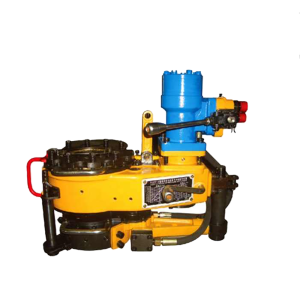
SGPE Tubing Manual Tong is a mechanical oilfield rig floor tool for making up and breaking out threaded production tubing connections during tubing running, tubing pulling, workover, well completion, well servicing, production maintenance and well intervention.
Also known as a Manual Tubing Tong, Tubing Hand Tong, Oilfield Tubing Tong, Workover Tubing Tong, Tubing Make-Up Tong, Tubing Breakout Tong, Manual Pipe Tong, Oilfield Hand Tong or Manual Rig Tong, it grips an approved section of the tubing body, coupling or connection and converts mechanical line pull into rotational torque.
SGPE offers Type MS, Type LF, Type C, Workover Manual Tong and Type WWB Manual Tong configurations for different tubing diameters, connection torques and well-service programs. Depending on the model and installed jaw arrangement, the tubing-focused range covers approximately 1.900 to 10-3/4 in, with model torque ratings from approximately 8.8 to 48 kN·m.
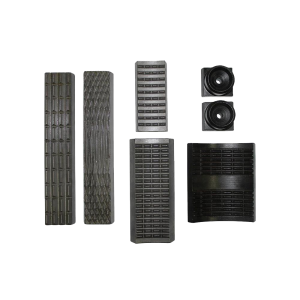
Interchangeable lug jaws, latch jaws, hinge jaws and tong dies allow selected tong bodies to cover several approved gripping diameters. SGPE can also supply multi-size jaw packages, replacement tong dies, hinge pins, latch components, springs, hanger parts and routine maintenance spares.
Typical users include oil and gas operators, workover contractors, well-service companies, completion service providers, drilling contractors, offshore operators, rig builders, EPC contractors, rental companies and oilfield equipment distributors.
For fast technical selection and Tubing Manual Tong pricing, provide the tubing size, tubing body OD, coupling OD, actual gripping OD, connection type, make-up torque, expected breakout torque and quantity.
Email: info@sgpe.com
Tel / WhatsApp: +86 186-1599-5239
Tubing Manual Tong Quick Selection Guide
| Item | Typical SGPE Supply |
|---|---|
| Product Name | Tubing Manual Tong |
| Common Names | Manual Tubing Tong, Tubing Hand Tong, Workover Tubing Tong, Manual Pipe Tong |
| Related Oilfield Terms | Oilfield Manual Tong, Oilfield Hand Tong, Rig Floor Tong, Well Service Tong |
| Main Function | Make-up and breakout of threaded tubing connections |
| Main Applications | Tubing running, tubing pulling, workover, completion and well servicing |
| Main Models | Type MS, Type LF, Type C, Workover Manual Tong, Type WWB |
| Tubing-Focused Size Range | Approx. 1.900–10-3/4 in, depending on model and jaw |
| Model Torque Range | Approx. 8.8–48 kN·m |
| Operating Principle | Mechanical gripping and torque transfer |
| Operating Method | Rig catline, pull line or approved mechanical pulling arrangement |
| Integral Hydraulic Drive | Not required |
| Main Gripping Components | Lug jaw, latch jaw, hinge jaw and tong dies |
| Key Selection Data | Gripping OD, coupling OD, connection type and torque |
| Typical Locations | Workover rigs, well-service units, completion sites and suitable offshore facilities |
| Common Spare Parts | Jaws, tong dies, pins, springs, latch parts and retaining hardware |
| Standard Reference | API Spec 7K requirements according to confirmed model and supply scope |
Tubing Manual Tong Product Overview
A Tubing Manual Tong gives rig crews a mechanical way to grip production tubing and apply torque to threaded connections.
During tubing running or pulling, the crew positions the tong around the approved tonging area. The installed dies grip the tubing body, coupling or specified connection section. A rig catline, pull line or another approved pulling arrangement then acts on the tong lever.
The lever converts line pull into rotational torque. During make-up, the tong rotates the connection in the tightening direction. During breakout, the pulling direction reverses to loosen the connection.
Unlike a hydraulic Tubing Power Tong, a manual tubing tong has no integral hydraulic motor and does not need its own hydraulic power unit. Its simpler mechanical layout remains useful on conventional workover rigs, mobile well-service units, remote production sites and rigs that require dependable backup equipment.
Typical jobs include production tubing installation, tubing retrieval, oil and gas well workover, tubing leak repair, downhole pump service, artificial-lift maintenance, recompletion and production restoration.
Correct tong selection depends on more than nominal tubing size. The tubing body, coupling and approved tonging area may have different outside diameters. Make-up and breakout torque also vary with the connection design and operating program.
For most projects, the key selection data are:
Actual gripping OD + connection type + make-up torque + breakout torque + jaw arrangement + rig conditions
This approach gives a more reliable result than choosing a Manual Tubing Tong from nominal pipe size alone.
Key Features of SGPE Tubing Manual Tongs
API 7K-Oriented Manual Tong Range
Manual tongs fall within the scope of API Spec 7K Drilling and Well Servicing Equipment.
The final supply depends on the selected tong model, purchase specification and project requirements. Some orders may also require specific marking, material records, dimensional inspection, magnetic particle inspection or third-party inspection.
Include these requirements in the RFQ so they can be incorporated into the agreed technical scope.
Multiple Models for Different Tubing Programs
Production wells use different tubing diameters, coupling sizes and threaded connections.
Type MS mainly serves smaller tubing and lighter well-service duties. Type LF covers many conventional production tubing and workover programs. Type C offers a broader diameter and torque range. Workover and WWB configurations provide additional flexibility when one service fleet handles several tubing programs.
Interchangeable Tubing Tong Jaws
Selected models use interchangeable lug jaws, latch jaws, hinge jaws, long jaws, short jaws and tong dies.
The correct jaw arrangement matches the tong to the actual gripping diameter. Where the approved configuration permits, one tong body can cover several tubing sizes by changing the jaw package.
This can reduce equipment duplication and simplify spare-parts planning for workover contractors, service companies and rental fleets.
Mechanical Tubing Make-Up and Breakout
The manual tong uses mechanical rig pulling force rather than an integral hydraulic drive.
It therefore provides a practical Tubing Make-Up Tong, Tubing Breakout Tong and Manual Pipe Tong for suitable tubing connection work during workover, completion and well servicing.
Replaceable Wear Components
Tong dies, jaw contact surfaces, hinge pins, latch pins, springs and retaining parts gradually wear during normal field service.
Replacing these components when required helps maintain gripping performance and extends the working life of the tong.
Built for Oilfield Working Conditions
Manual tubing tongs may operate around drilling mud, completion fluids, crude oil, produced water, brine, sand, vibration, mechanical impact, outdoor weather and marine exposure.
Coating, inspection, documentation, packing and spare-parts requirements can be adjusted to suit the actual onshore or offshore project.
Tubing Manual Tong Technical Specifications
Core Specifications, Size Range & Operating Data
SGPE Tubing Manual Tong configurations cover different production tubing sizes, connection torques and well-service requirements. Model and jaw selection should always follow the actual gripping diameter and required make-up or breakout torque.
| Parameter | Typical SGPE Supply |
|---|---|
| Product Name | Tubing Manual Tong |
| Alternative Names | Manual Tubing Tong, Tubing Hand Tong, Workover Tubing Tong |
| Other Industry Terms | Manual Pipe Tong, Oilfield Hand Tong, Manual Rig Tong, Rig Floor Tong |
| Functional Terms | Tubing Make-Up Tong, Tubing Breakout Tong, Pipe Make-Up and Break-Out Tong |
| Product Category | Oilfield Manual Tong / Rig Floor Tool / Well-Servicing Equipment |
| Main Function | Make-up and breakout of threaded tubing connections |
| Applicable Tubulars | Production tubing, workover tubing, completion strings and selected service tubulars |
| Main Applications | Tubing running, pulling, workover, completion, intervention and production maintenance |
| Main Models | Type MS, Type LF, Type C, Workover Manual Tong and Type WWB |
| Family Size Range | Approx. 1.900–10-3/4 in depending on model and jaw |
| Model Torque Range | Approx. 8.8–48 kN·m |
| Operating Principle | Mechanical gripping and torque transfer |
| Operating Method | Rig catline, pull line or approved mechanical pulling arrangement |
| Integral Hydraulic Drive | Not required |
| Integral Electric Drive | Not required |
Important: The figures above describe the complete product family. One tong body or jaw set does not cover every listed diameter or torque value.
Tubing Manual Tong Construction, Jaws, Inspection & Supply Options
The final Manual Tubing Tong configuration depends on the selected tong body, gripping OD, jaw package and project requirements. SGPE can also match spare parts, inspection documents, coating and packing to the agreed supply scope.
| Parameter | Typical SGPE Supply |
|---|---|
| Construction | Steel construction according to confirmed model specification |
| Gripping System | Interchangeable jaws and replaceable tong dies |
| Jaw Types | Lug jaw, latch jaw, hinge jaw and model-specific combinations |
| Tong Dies | Replaceable dies matched to tong model and gripping OD |
| Lever | Standard or model-specific arrangement |
| Suspension | Hanger eye, suspension ring or rig-specific support |
| Snub / Restraint Arrangement | According to rig layout and approved operating procedure |
| Surface Protection | Oilfield coating or project-specific paint system |
| Operating Environment | Onshore and suitable offshore oil and gas operations |
| Inspection Options | Visual, dimensional, hardness, MPI, assembly and functional checks |
| Documentation Options | COC, MTC, dimensional report, MPI report and O&M documentation as specified |
| Spare Parts | Jaws, dies, pins, springs, latch parts, lever parts and retaining hardware |
| Packing | Export plywood case or seaworthy wooden case |
| Custom Supply | Jaw package, marking, coating, documentation and operating spares |
Final working range and allowable torque must follow the confirmed tong model and applicable jaw/torque chart.
Tubing Manual Tong Models, Size Range & Torque
| Manual Tong Model | Typical Gripping Range | Typical Maximum Torque | Main Application |
|---|---|---|---|
| Type MS Manual Tong | 1.900–6-1/8 in | 8.8 kN·m / 6,500 ft-lb | Small production tubing and light well service |
| Type LF Manual Tong | 2-3/8–8-5/8 in* | 21.7 kN·m / 16,000 ft-lb* | Production tubing, completion and workover |
| Type C Manual Tong | 2-3/8–10-3/4 in | 47.5 kN·m / 35,000 ft-lb | Tubing, workover and broader tubular service |
| Q2-3/8–10-3/4-35 Workover Manual Tong | 2-3/8–10-3/4 in | 35 kN·m | Workover rigs and well-service units |
| Q2-3/8–10-3/4-48 WWB Manual Tong | 2-3/8–10-3/4 in | Up to 48 kN·m | Workover, tubing and general well servicing |
*LF configurations can vary. Confirm the exact model, jaw package and rated working range before ordering.
Maximum model torque does not automatically apply to every gripping diameter. The installed jaw and actual working range can change the allowable torque.
Type MS Manual Tong
The Type MS Manual Tong covers approximately 1.900 to 6-1/8 in and provides torque up to approximately 8.8 kN·m / 6,500 ft-lb.
Its compact range suits smaller production tubing and lighter well-service work, including tubing running, tubing pulling, light workover, tubing-string repair and downhole pump service.
Type MS is a practical choice when the gripping diameter and required connection torque remain within its approved range.
Type LF Manual Tong
The Type LF Manual Tong serves many conventional production tubing, completion and workover programs.
The referenced family range covers approximately 2-3/8 to 8-5/8 in, with torque up to approximately 21.7 kN·m / 16,000 ft-lb.
Typical work includes production tubing installation, tubing pulling, completion, recompletion, artificial-lift service, pump maintenance and general well intervention.
Where one rig handles several tubing or coupling diameters, provide the complete size program so the jaw package and tong body can be reviewed together.
Type C Manual Tong
The Type C Manual Tong covers approximately 2-3/8 to 10-3/4 in and reaches approximately 47.5 kN·m / 35,000 ft-lb in the referenced configuration.
Its broader range suits production tubing, workover strings, completion strings, tubing replacement and selected larger service tubulars.
For workover companies that need a wider-range Manual Pipe Tong, Type C combines broad size coverage with straightforward mechanical operation.
Q2-3/8–10-3/4-35 Workover Manual Tong
The Q2-3/8–10-3/4-35 Workover Manual Tong covers approximately 2-3/8 to 10-3/4 in with rated torque of 35 kN·m.
It suits workover rigs and well-service units that handle production tubing during pulling, rerunning, completion repair, artificial-lift maintenance, pump replacement and production restoration.
Its broad working range also suits contractors that move between different tubing programs.
Q2-3/8–10-3/4-48 WWB Manual Tong
The Q2-3/8–10-3/4-48 WWB Manual Tong covers approximately 2-3/8 to 10-3/4 in.
Selected working ranges provide torque up to 48 kN·m. The WWB configuration suits multi-size tubing programs, workover rigs, well-service units and general rig-floor connection work.
Because allowable torque can change with the installed jaw range, final selection should follow the confirmed jaw and torque chart.
Oilfield Applications of Tubing Manual Tongs
A Tubing Manual Tong can support several stages of a production well’s operating life. The correct model depends on the actual tubular dimensions, connection torque and rig arrangement.
| Oilfield Application | Typical Tong Options | Main Selection Data |
|---|---|---|
| Production tubing running | MS, LF, C | Tubing OD, coupling OD, connection and make-up torque |
| Tubing connection make-up | MS, LF, C | Gripping OD and make-up torque |
| Tubing pulling | LF, C, Workover, WWB | Gripping OD and expected breakout torque |
| Tubing breakout | LF, C, Workover, WWB | Connection, gripping location and breakout torque |
| Routine well servicing | MS, LF, Workover | Size range and rig layout |
| Oil and gas well workover | LF, C, Workover, WWB | Tubular range and connection torque |
| Well completion | MS, LF, C | Connection type and make-up torque |
| Recompletion | LF, C, Workover | Existing and new tubing programs |
| Downhole pump service | MS, LF, Workover | Tubing OD, coupling OD and breakout requirement |
| Artificial-lift maintenance | LF, C, Workover | Tubing program and service scope |
| Tubing leak repair | LF, C, Workover | Existing tubing and connection data |
| Production restoration | LF, C, Workover, WWB | Size range and field conditions |
| Offshore well servicing | Project-specific selection | Size, torque, coating, clearance and documentation |
| Tubing Power Tong backup | Based on tubing program | Size range, torque and pulling arrangement |
Production Tubing Running and Connection Make-Up
During completion or workover, crews connect individual tubing joints to build the production string.
The manual tong grips an approved section of the tubing or coupling while the rig pulling system supplies the force needed for connection make-up.
For a Manual Tong for Production Tubing, provide the nominal tubing size, body OD, coupling OD, actual gripping OD, connection type and required make-up torque.
The gripping diameter matters because it may differ from the nominal tubing OD.
Tubing Pulling and Breakout During Workover
Workover crews often pull tubing before repairing downhole equipment or restoring well integrity.
A Tubing Breakout Tong helps release threaded connections as the tubing string comes out of the well.
Tubing retrieval may form part of leak repair, corrosion inspection, scale removal, packer service, downhole pump replacement, artificial-lift maintenance, completion repair or recompletion.
Connections that have remained downhole for extended periods can require different breakout torque from their original make-up value. Include the expected breakout requirement whenever possible.
Workover Rigs and Well-Service Units
A Workover Tubing Tong supports repeated connection work during oil and gas well repair.
Crews may pull tubing, rerun repaired joints, replace damaged tubulars, service completion equipment, change downhole pumps or return a well to production.
Mobile well-service units can also use manual tongs for suitable tubing work. Because the tong has no integral hydraulic drive, it fits operations that already use an approved mechanical pulling arrangement.
This makes the equipment relevant to buyers looking for a Manual Tong for Workover Rig, Workover Rig Tubing Tong, Well Service Tong or Mechanical Tubing Tong.
Well Completion and Recompletion
Completion crews install production tubing before the well enters normal production.
A Tubing Manual Tong for Well Completion can support suitable threaded connections when its gripping range and torque capacity match the connection requirements.
Recompletion may involve retrieving an existing production string and installing another completion configuration. The same tong family can support connection breakout and make-up when the selected model and jaws match the tubing program.
For premium connections, confirm both the approved tonging area and required connection torque before choosing the tool.
Artificial-Lift, Pump and Tubing Repair
Artificial-lift maintenance often requires crews to remove production tubing before servicing downhole equipment.
The crew breaks out the tubing connections during retrieval and makes them up again when rerunning the string.
Manual tubing tongs can also support tubing leak repair, tubing-string replacement and selected well-integrity work when the gripping diameter and required torque remain within the approved configuration.
Mature and Remote Oilfields
Mature producing fields often require frequent workover and production maintenance, while remote oilfields may have limited support infrastructure.
The straightforward mechanical arrangement of a Tubing Manual Tong makes it useful for selected mobile workover campaigns, desert fields, isolated production wells and mature-field maintenance programs.
Offshore Workover and Well Servicing
Suitable configurations can also support selected offshore tubing, workover and well-service operations.
Offshore buyers should review more than tubing size. Rig-floor clearance, suspension, pull-line capacity, corrosion protection, inspection requirements, documentation and spare-parts planning can all affect the final package.
| Offshore Project Item | Information to Confirm |
|---|---|
| Rig Floor Space | Lever swing and operating clearance |
| Suspension | Hanger and balance arrangement |
| Pull-Line System | Pulling force and attachment point |
| Corrosion Protection | Project coating requirement |
| Tubing Program | Body OD, coupling OD and gripping OD |
| Make-Up Torque | Connection requirement |
| Breakout Torque | Workover requirement |
| Inspection | Project-specific inspection scope |
| Documentation | MTC, MPI, COC and other required records |
| Spare Parts | Operating and critical spare package |
| Packing | Seaworthy export packing where required |
Backup Manual Tong for Tubing Power Tong Operations
Hydraulic Tubing Power Tongs provide faster operation during repetitive tubing running. Even so, many workover fleets keep a manual tong for contingency service.
A backup manual tong can support suitable connection work while the power tong undergoes inspection, maintenance or hydraulic repair.
Before changing to the manual tool, confirm that the tong, jaw, hanger, pulling system and operating procedure can handle the required connection load.
How Does a Tubing Manual Tong Work?
A manual tubing tong converts mechanical line pull into rotational torque.
The crew first installs the correct jaw and tong dies for the gripping diameter. The operator then positions the tong around the approved tubing or coupling area and closes the latch.
Once the dies establish a secure grip, the rig catline or pull line applies force to the lever. That force passes through the tong body and jaw system to rotate the threaded connection.
During make-up, the tong turns the connection in the tightening direction. During breakout, the pulling direction reverses.
The resulting torque depends on the applied line force, effective lever length, pull-line angle, tong configuration, installed jaw and gripping diameter.
The tong, jaw, hanger, pull line and related load-carrying components must all remain within their approved ratings.
How to Select the Correct Tubing Manual Tong
Tubing size is only the starting point.
The coupling can be larger than the tubing body, while API and premium connections may use different outside dimensions and torque values. Selecting a tong from nominal pipe size alone can therefore lead to the wrong jaw or insufficient torque capacity.
| Selection Data | Why It Matters |
|---|---|
| Nominal Tubing Size | Identifies the tubing family |
| Tubing Body OD | Confirms actual pipe-body diameter |
| Coupling OD | Helps determine required jaw opening |
| Actual Gripping OD | Determines tong and jaw compatibility |
| Gripping Location | Confirms where the tong contacts the tubular |
| Connection Type | Identifies connection geometry and torque requirement |
| Make-Up Torque | Determines required tightening capacity |
| Expected Breakout Torque | Helps define workover load |
| Complete Size Range | Defines the required jaw package |
| Rig Floor Clearance | Confirms lever and pull-line operating space |
| Rig Type | Helps define suspension and operating arrangement |
| Operating Environment | Identifies onshore or offshore requirements |
For most projects, the key selection formula is:
Gripping OD + connection type + make-up torque + breakout torque + rig conditions
A tong can close around a connection and still be unsuitable if its rated torque is too low. Likewise, choosing a larger tong will not correct an incompatible jaw arrangement.
For multi-well workover fleets, provide all required tubing and coupling diameters so the tong body and jaw package can be reviewed as one system.
Tubing Manual Tong Jaws, Tong Dies & Spare Parts
The jaw system controls how the tong fits different tubing and coupling diameters.
Changing tubing size may require more than a different tong die. Depending on the model, crews may also need another lug jaw, latch jaw, hinge jaw or approved jaw position.
| Component | Main Function | Main Selection Factor |
|---|---|---|
| Lug Jaw | Changes approved gripping range | Actual gripping OD |
| Latch Jaw | Closes and secures the tong | Model and target diameter |
| Hinge Jaw | Extends range on selected models | Model-specific configuration |
| Long Jaw | Supports grip and load transfer | Tong design |
| Short Jaw | Supports closing and reaction | Tong design |
| Tong Die | Provides direct gripping contact | Gripping OD, die condition and model |
| Hinge Pin | Connects moving sections | Correct model and dimensions |
| Latch Pin | Supports the latch system | Model compatibility |
| Spring / Plunger | Supports mechanical movement | Existing component configuration |
A larger jaw arrangement can have a different torque rating from a smaller configuration. Crews should therefore use the applicable jaw and torque chart.
Multi-Size Tubing Tong Jaw Packages
Workover companies often service wells with several tubing sizes.
Where the approved tong design permits, one tong body can work with several jaw packages. This reduces duplicate equipment and gives workover, well-service and rental fleets more flexibility.
A project package may include the complete tong, primary and secondary jaw sets, replacement tong dies, hinge pins, springs and routine maintenance hardware.
Replacement Tubing Tong Dies
Tong dies make direct contact with the tubing or coupling and naturally wear during service.
Crews should inspect both the gripping teeth and seating surfaces. Excessive wear can reduce grip, increase slipping and create uneven contact.
For replacement Tubing Tong Dies, provide the tong model, jaw number, gripping OD, die dimensions and clear photographs.
Common Tubing Manual Tong Spare Parts
| Spare Part | Typical Purpose |
|---|---|
| Lug Jaw | Size conversion |
| Latch Jaw | Gripping and latch repair |
| Hinge Jaw | Range adjustment on selected models |
| Long Jaw | Replacement gripping component |
| Short Jaw | Replacement reaction component |
| Tong Dies | Routine wear replacement |
| Hinge Pin | Moving-joint repair |
| Latch Pin | Latch-system repair |
| Springs | Jaw and latch maintenance |
| Plunger | Mechanical maintenance |
| Hanger Component | Suspension repair |
| Lever Component | Lever-system replacement |
| Retaining Hardware | Field repair |
| Complete Jaw Set | Multi-size workover programs |
| Maintenance Kit | Planned overhaul and remote-field stock |
For existing equipment, send the manufacturer, model, nameplate, jaw number, part number, gripping OD and photographs whenever possible.
Tubing Manual Tong vs. Tubing Power Tong
Both tools make up and break out tubing connections, but their operating systems and typical use cases differ.
| Comparison | Tubing Manual Tong | Tubing Power Tong |
|---|---|---|
| Drive Method | Mechanical pulling system | Hydraulic drive |
| Hydraulic Motor | Not required | Required |
| Dedicated Hydraulic Power | Not required for tong drive | Normally required |
| Hydraulic Hoses | Not required for tong drive | Required |
| Operating Speed | Lower | Higher |
| Mechanical Complexity | Lower | Higher |
| Maintenance | Mainly mechanical | Mechanical and hydraulic |
| Repetitive Tubing Running | Suitable for conventional or lower-frequency work | Better suited to high-frequency operations |
| Workover Service | Common | Common where faster operation matters |
| Remote Field Use | Practical with an approved pulling arrangement | Depends on hydraulic package |
| Backup Role | Well suited | Usually primary equipment |
| Torque-Control Options | Depend on rig arrangement | More integrated options available |
| Typical Investment | Generally lower | Generally higher |
A Tubing Power Tong normally improves productivity when crews repeatedly run tubing. A manual tong uses simpler mechanics and remains useful for conventional workover, remote-field service and backup duty.
Many workover fleets therefore keep both types.
Inspection, Maintenance & Project Documentation
Routine inspection helps maintain predictable grip and mechanical operation.
Before use, check the tong body, jaws, tong dies, latch, hinge pins, latch pins, hanger, pull-line attachment and lever. The tong should show no unacceptable cracks or deformation, and the installed jaw should match the required gripping diameter.
Inspect the tong dies for excessive wear or damaged teeth. Make sure the latch closes smoothly and all pins and retainers remain secure. The operator should also verify sufficient rig-floor clearance for lever movement and use only the approved tonging area.
Stop the operation if the tong slips, fails to latch correctly or shows visible damage.
A manual tong is a connection tool and should not be used as a pipe-hoisting device.
| Inspection / Document | Typical Scope |
|---|---|
| Visual Inspection | Surface condition and workmanship |
| Dimensional Inspection | Tong body, jaws, pins and critical dimensions |
| Material Verification | According to agreed project scope |
| Hardness Check | When specified |
| Magnetic Particle Inspection | Agreed load-carrying components |
| Assembly Inspection | Jaw movement, latch operation and component fit |
| Functional Check | Mechanical movement and operating function |
| Product Marking Review | Model, rating and identification |
| Certificate of Conformity | When included in the order |
| Material Test Certificate | For agreed components |
| Dimensional Report | When specified |
| Hardness Report | When specified |
| MPI Report | When specified |
| Jaw / Torque Chart | According to confirmed configuration |
| O&M Documentation | According to agreed supply scope |
| Spare-Parts List | Available as required |
| Packing Photos | Available when specified |
| Third-Party Inspection | Coordination when required |
Any API-related marking or Monogram requirement should match the applicable manufacturing and licensing scope of the confirmed supply.
Replacement Tubing Manual Tong for Existing Workover Equipment
Replacing an older manual tong does not always require the original drawing or a complete parts book.
When documentation is incomplete, clear photographs, nameplate information and critical dimensions can provide enough information for an initial compatibility review.
| Existing Equipment Data | Information to Send |
|---|---|
| Manufacturer | Existing brand if known |
| Model | Nameplate model |
| Serial Number | If available |
| Existing Jaw | Jaw number or marking |
| Tong Die | Part number or dimensions |
| Tubing Size | Current tubing program |
| Coupling OD | Actual connection diameter |
| Gripping OD | Actual tong contact diameter |
| Make-Up Torque | Required tightening torque |
| Breakout Torque | Expected release torque |
| Photographs | Complete tong, jaws, latch, lever and nameplate |
| Dimensions | Critical measurements if original documents are unavailable |
The review can determine whether the project needs a complete Replacement Tubing Manual Tong, another jaw package, replacement tong dies or individual spare parts.
This service is especially useful for mature rigs, brownfield workover fleets and older equipment where original part numbers may no longer be easy to identify.
Tubing Manual Tong Manufacturer, Supplier & Project Support
A Tubing Manual Tong Manufacturer or Supplier should match the tool to the actual tubing connection and operating program rather than quote against nominal pipe size alone.
SGPE reviews tubing dimensions, gripping location, connection type, make-up and breakout torque, jaw configuration and rig conditions before final technical selection.
For new workover rigs and well-service units, the supply can combine complete manual tongs with jaw sets, tong dies and operating spares.
Existing rigs may only need a replacement tong, another jaw package or individual wear parts. Nameplate photographs, field measurements and the current tubing program help define the required scope.
Rental fleets and oilfield distributors can also build multi-size stock packages around common tong bodies, jaw sets and replacement parts.
| Buyer / User | Typical Requirement |
|---|---|
| Oil & Gas Operator | Production well maintenance and intervention |
| Workover Contractor | Tubing pulling, rerunning and well repair |
| Well-Service Company | Mobile tubing connection work |
| Completion Company | Production tubing installation and make-up |
| Drilling Contractor | Rig-floor backup and suitable tubing work |
| Offshore Operator | Platform well servicing and workover |
| Rig Manufacturer | New rig equipment package |
| Equipment Rental Company | Multi-size tong and jaw inventory |
| EPC Contractor | Project-specific equipment package |
| Oilfield Distributor | Complete tongs, replacement jaws and spare parts |
When comparing Tubing Manual Tong prices, compare the complete supply scope rather than the tong body alone. Required jaws, tong dies, spare parts, inspection records, coating, documentation and packing can all affect the final quotation.
Related Oilfield Tong Equipment
Tubing Manual Tongs form one part of a broader rig-floor tubular handling system.
Projects with frequent production tubing operations may also use a Tubing Power Tong. Drilling programs may require a Drill Pipe Manual Tong for tool-joint make-up and breakout, while casing-running operations may use a Casing Manual Tong.
SGPE also supplies a broader API 7K Manual Tong range for tubing, drill pipe, casing, workover and well-service applications.
These related equipment families allow drilling contractors, workover companies and EPC buyers to match the tong type to the actual tubular and operating program.
Information Required for Tubing Manual Tong Price & RFQ
A complete RFQ allows faster technical selection and reduces quotation revisions.
| RFQ Item | Information Required |
|---|---|
| Application | Tubing running / pulling / workover / completion / well service |
| Tubular Type | Production tubing / workover tubing |
| Nominal Size | Tubing designation |
| Tubing Body OD | Actual OD |
| Coupling OD | Actual connection OD |
| Gripping OD | Exact tong gripping diameter |
| Gripping Area | Pipe body / coupling / approved connection section |
| Connection Type | API or premium connection |
| Make-Up Torque | Required tightening torque |
| Breakout Torque | Expected workover torque |
| Required Size Range | All required diameters |
| Preferred Model | If already known |
| Quantity | Number of complete tongs |
| Additional Jaw Sets | Additional gripping ranges |
| Spare Parts | Tong dies, pins, springs and maintenance parts |
| Rig Type | Workover rig / well-service unit / completion rig |
| Operating Environment | Onshore / offshore |
| Inspection | Required inspection scope |
| Documentation | MTC / MPI / COC / project-specific documents |
| Packing | Export / seaworthy |
| Destination | Country / project location |
For an initial Tubing Manual Tong quote, start with:
Tubing size + coupling OD + gripping OD + connection type + make-up torque + breakout torque + quantity
Frequently Asked Questions About Tubing Manual Tongs
1. What is a Tubing Manual Tong and what is it used for?
A Tubing Manual Tong is a mechanical oilfield rig floor tool used to make up and break out threaded production tubing connections. It grips an approved section of the tubing body, coupling or connection and converts mechanical line pull into rotational torque.
Typical applications include production tubing running, tubing pulling, oil and gas well workover, well completion, recompletion, well servicing, production maintenance and well intervention. It can also support tubing leak repair, downhole pump service, artificial-lift maintenance and production restoration.
The same type of equipment may also be described as a Manual Tubing Tong, Tubing Hand Tong, Workover Tubing Tong, Manual Pipe Tong, Tubing Make-Up Tong, Tubing Breakout Tong, Oilfield Hand Tong or Manual Rig Tong.
2. Which SGPE manual tong models are suitable for production tubing?
SGPE tubing-oriented manual tong options include Type MS, Type LF, Type C, Workover Manual Tong and Type WWB Manual Tong.
Type MS is mainly used for smaller tubing and lighter well-service work. Type LF covers many conventional production tubing, completion and workover programs. Type C offers a broader gripping and torque range, while Workover and WWB configurations suit service fleets that handle several tubing sizes or different well-maintenance programs.
The correct model should not be selected from nominal tubing size alone. The actual gripping OD, coupling OD, connection type, make-up torque, breakout torque and installed jaw arrangement should all be reviewed before final selection.
3. What tubing size range can the Tubing Manual Tong family cover?
Depending on the selected model and jaw configuration, SGPE tubing-focused manual tong configurations cover approximately 1.900 to 10-3/4 in.
This is a family range rather than the working range of one individual tong body or jaw set. A Type MS Manual Tong, for example, serves a different range from a Type C, Workover or WWB configuration.
For production tubing running or workover service, buyers should provide the tubing body OD, coupling OD and actual gripping diameter. These dimensions help determine whether the tong should grip the pipe body, coupling or another approved tonging area and which jaw package is required.
4. What torque range is available for a Tubing Manual Tong?
Tubing-oriented SGPE manual tong configurations offer model torque ratings from approximately 8.8 to 48 kN·m, depending on the selected tong body and jaw arrangement.
Type MS is intended for lighter connection work, while Type C, Workover and WWB configurations support higher-torque tubing and well-service applications. However, the maximum torque rating of a tong model does not automatically apply to every gripping diameter.
For accurate selection, the required make-up torque and expected breakout torque should be checked against the applicable jaw and torque chart. This is especially important during workover, where connections that have remained downhole for a long period may require different breakout torque from their original make-up value.
5. Why are coupling OD and gripping OD important when selecting a Manual Tubing Tong?
The nominal tubing size does not always match the diameter that the tong actually grips.
A production tubing coupling is normally larger than the tubing body, and some premium or project-specific connections can have different outside dimensions or approved tonging areas. For this reason, choosing a Manual Tubing Tong only by nominal pipe size can result in an incorrect jaw arrangement or insufficient gripping capacity.
The actual gripping OD determines which jaw set and tong die arrangement can close correctly around the tubular. Coupling OD is also important when the tong operates on or near the connection. Accurate dimensions therefore improve jaw matching, torque selection and overall equipment compatibility.
6. Can one Manual Tubing Tong handle several tubing sizes?
Selected manual tong models can cover several approved tubing or coupling diameters by changing the jaw configuration.
Depending on the tong design, the required change may involve the lug jaw, latch jaw, hinge jaw, long jaw, short jaw or tong dies. This makes multi-size jaw packages useful for workover contractors, well-service companies and rental fleets that move between different tubing programs.
A jaw change can also affect allowable torque, so size coverage and torque capacity should be reviewed together. For a multi-size package, provide the complete tubing program rather than only the largest and smallest sizes. SGPE can then review the tong body and jaw combinations as one operating system.
7. Can SGPE supply an API 7K-oriented Manual Tong for tubing and workover applications?
Manual tongs fall within the scope of API Spec 7K Drilling and Well Servicing Equipment. SGPE can supply API 7K-oriented manual tong configurations according to the confirmed model, project specification and agreed supply scope.
For oilfield workover, well servicing or completion projects, buyers may also request specific inspection and documentation requirements. Depending on the order, these can include dimensional inspection, magnetic particle inspection, hardness checks, material records, COC, MTC, MPI reports or third-party inspection.
Any API-related marking, documentation or Monogram requirement should be confirmed against the applicable manufacturing and licensing scope of the ordered equipment before supply.
8. Is a Tubing Manual Tong suitable for workover rigs and well-service units?
Yes. Workover rigs and well-service units are among the main applications for manual tubing tongs.
During workover, crews may pull an existing production string, break out tubing connections, replace damaged joints, service downhole pumps, repair artificial-lift equipment or rerun the tubing after maintenance. Manual tongs can support these operations when the selected model, jaw package and torque rating match the actual tubing program.
Because the tong has no integral hydraulic drive, it can also suit mobile well-service equipment and remote production locations that already use an approved mechanical pulling arrangement. This makes it useful as a Workover Tubing Tong, Well Service Tong or Manual Tong for Workover Rig.
9. Can a Tubing Manual Tong be used for offshore workover and well servicing?
Suitable configurations can support selected offshore workover, platform well servicing and tubing maintenance operations.
Offshore selection involves more than tubing diameter and torque. Buyers should also consider rig-floor clearance, lever swing, suspension arrangement, pull-line capacity, corrosion protection, project inspection requirements, documentation, spare-parts planning and seaworthy packing where required.
For offshore projects, it is useful to provide the rig type, tubing program, gripping OD, make-up and breakout torque, available operating space and required inspection documents. SGPE can then review whether the selected manual tong configuration is appropriate for the intended offshore working conditions.
10. What is the difference between a Tubing Manual Tong and a Tubing Power Tong?
A Tubing Manual Tong uses mechanical pulling force from the rig to generate torque, while a Tubing Power Tong uses a hydraulic drive to rotate tubing connections.
Power tongs are generally better suited to high-frequency tubing running where faster operation and more integrated torque-control functions are important. Manual tongs have simpler mechanical construction and do not require an integral hydraulic motor or dedicated tong-drive hydraulic system.
For conventional workover, remote-field maintenance, lower-frequency tubing connection work or contingency service, a manual tong can remain a practical solution. Many workover and well-service fleets therefore use a Tubing Power Tong as the primary tool while keeping a manual tong available as backup equipment.
11. Can SGPE supply Tubing Tong Jaws, Tong Dies and replacement spare parts?
Yes. SGPE can supply Tubing Tong Jaws, Tubing Tong Dies and other replacement parts for applicable manual tong models.
Available items can include lug jaws, latch jaws, hinge jaws, long jaws, short jaws, tong dies, hinge pins, latch pins, springs, plungers, hanger components, lever parts, retaining hardware and complete jaw sets.
For an existing tong, provide the manufacturer, model, nameplate information, jaw number, gripping OD and part number where available. If original records are incomplete, clear photographs and critical dimensions can help with the initial compatibility review. This is particularly useful for mature rigs, older workover fleets and replacement-equipment projects where original spare-part information may no longer be readily available.
12. What information should I provide for a Tubing Manual Tong price or quotation?
For an accurate Tubing Manual Tong price or quotation, provide the tubing size, tubing body OD, coupling OD, actual gripping OD, connection type, required make-up torque, expected breakout torque and quantity.
It is also helpful to identify whether the tong will be used for tubing running, tubing pulling, workover, completion, well servicing, artificial-lift maintenance or offshore operations. If several tubing sizes will be handled, include the complete size range so the required jaw package can be reviewed at the same time.
Inspection requirements, documentation, coating, spare parts, export packing and destination can also affect the final supply scope. After reviewing the technical and project information, SGPE can recommend a suitable tong configuration and provide the corresponding technical and commercial quotation.
Request a Tubing Manual Tong Quote
SGPE supplies Tubing Manual Tongs for production tubing running, pulling, connection make-up and breakout, oil and gas well workover, well completion, well servicing, artificial-lift maintenance and production well repair.
Available configurations include Type MS, Type LF, Type C, Q2-3/8–10-3/4-35 Workover Manual Tong and Q2-3/8–10-3/4-48 WWB Manual Tong. Depending on your tubing program, SGPE can also provide multi-size jaw packages, Tubing Tong Jaws, Tubing Tong Dies, replacement components and operating spare parts.
For accurate model selection, please send the tubing size, tubing body OD, coupling OD, actual gripping OD, connection type, make-up torque, expected breakout torque, required quantity and application conditions. If inspection, documentation, special coating, seaworthy packing or additional spare parts are required, include them in your enquiry.
Email: info@sgpe.com
Tel / WhatsApp: +86 186-1599-5239