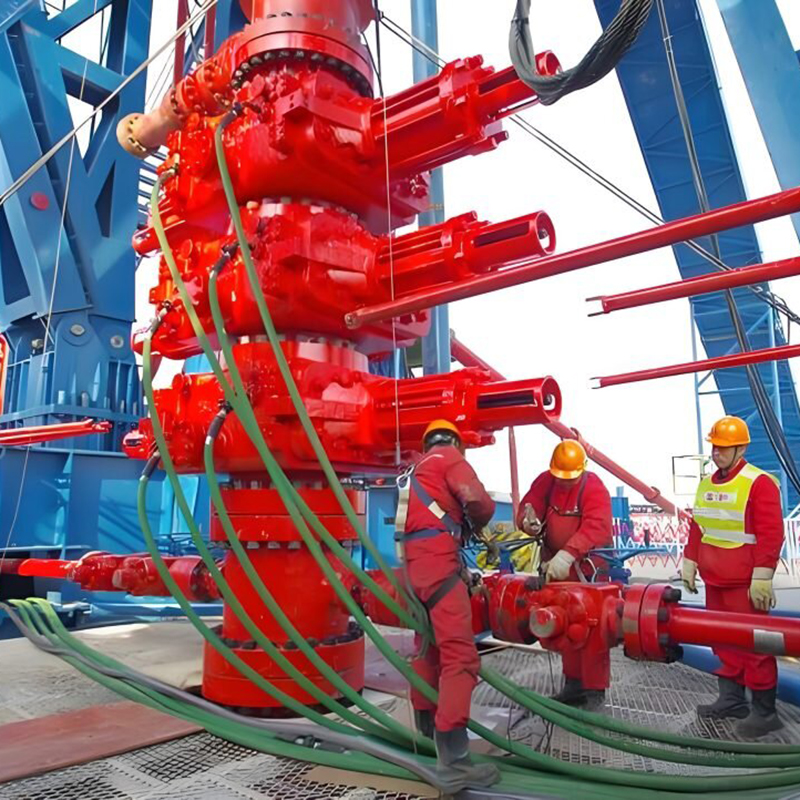
Description
API 16D BOP Control Hose for Surface BOP, Accumulator & Well Control Systems
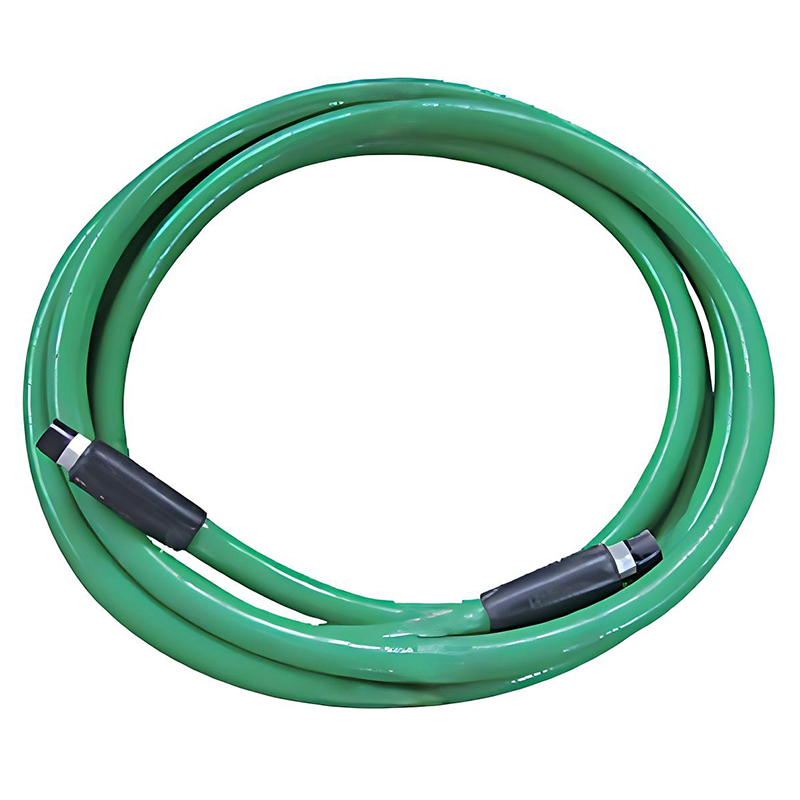
SGPE supplies API 16D BOP Control Hose assemblies for high-pressure hydraulic control circuits used with surface blowout preventers, BOP accumulator units and related well control equipment.
The hose carries hydraulic control fluid between the BOP control unit, accumulator system, hydraulic control manifold and surface BOP stack. It provides the flexible hydraulic connection required to operate annular BOPs, ram preventers, shear rams and selected hydraulically actuated well control valves.
Because a BOP Control Hose works within a safety-critical well control system, pressure rating alone does not determine the correct assembly. Hose I.D., hydraulic flow, fire resistance, overall length, minimum bend radius, end connections, control-fluid compatibility, routing and external protection all affect selection.
Typical project configurations include a 5,000 PSI / 34.5 MPa hose working-pressure rating, hose I.D.s from 1/2″ to 2″, fire-resistant construction, multiple high-tensile steel-wire reinforcement layers, an oil-resistant inner tube, optional stainless-steel armor, custom overall lengths and project-specific hydraulic fittings.
In field specifications and procurement RFQs, the same assembly may also be described as an API 16D BOP Hose, BOP Hydraulic Hose, Blowout Preventer Control Hose, BOP Hydraulic Control Hose, Surface BOP Control Hose, Fire-Resistant BOP Hose, BOP Stack Control Hose, BOP Accumulator Hose, Remote BOP Control Hose, Well Control Hydraulic Hose or Armored BOP Hose.
SGPE supports single replacement hoses, matched hose sets, complete BOP Control Hose Bundles, spare packages and custom assemblies for land drilling rigs, offshore surface well control systems, jack-up rigs, workover units, rig refurbishment, EPC projects and oilfield MRO programs.
Email: info@sgpe.com
Tel / WhatsApp: +86 186-1599-5239
API 16D BOP Control Hose Product Overview
An API 16D BOP Control Hose is a flexible high-pressure hydraulic control line used within a blowout preventer or applicable diverter control system.
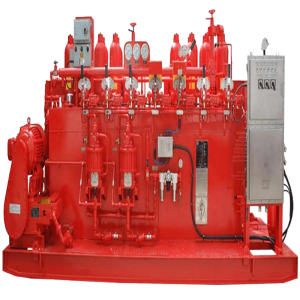
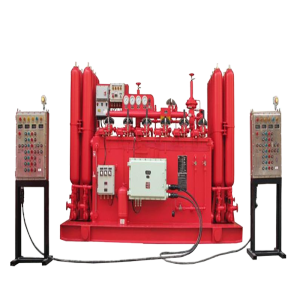
The BOP accumulator stores hydraulic energy, while the control manifold directs pressure toward the required well control function. When an operator selects a function, hydraulic control fluid travels through the corresponding line and reaches the actuator on the BOP stack.
Separate circuits may operate annular preventers, pipe rams, variable bore rams, blind rams, shear rams and blind shear rams. Depending on the control-system design, hydraulic locks, failsafe valves and other well control functions may also use flexible hydraulic lines.
API Spec 16D addresses control systems for drilling well control and diverter equipment. Therefore, a BOP hose should be selected as part of the complete hydraulic control system rather than treated as a generic high-pressure hydraulic hose.
An API 16D BOP Hose carries hydraulic control fluid rather than drilling mud, kill fluid or well fluid during normal service. This distinguishes it from an API 16C choke and kill hose, which forms part of the high-pressure process-fluid path.
For replacement projects, matching only the PSI rating is not enough. The replacement assembly should also match the hydraulic bore, installed length, fitting geometry, bend radius and flow requirement of the existing circuit.
API 16D BOP Control Hose Technical Specifications
| Technical Parameter | Typical Project / Supply Reference |
|---|---|
| Product Name | API 16D BOP Control Hose |
| Product Type | Fire-resistant high-pressure hydraulic control hose |
| Reference Standard | Applicable API Spec 16D requirements and project specification |
| Main Service | Surface BOP and well control hydraulic circuits |
| Common Hose Working-Pressure Rating | 5,000 PSI / 34.5 MPa |
| Typical Hydrostatic Test Reference | 7,500 PSI / 51.7 MPa for selected 5K configurations |
| Typical Minimum Burst Reference | 15,000 PSI / 103.4 MPa for selected hose constructions |
| Hose I.D. | 1/2″, 3/4″, 1″, 1-1/2″, 2″ |
| Fire-Resistance Reference | Approx. 704°C / 1300°F for minimum 5 minutes at rated working pressure for applicable configurations |
| Inner Tube | Oil-resistant NBR / compatible synthetic rubber |
| Reinforcement | Multiple high-tensile spiral steel-wire layers |
| Outer Construction | Fire-, heat-, oil-, weather- and abrasion-resistant synthetic rubber |
| External Protection | Stainless-steel armor available |
| Typical Temperature Reference | Approx. -40°C to +100°C where approved construction supports it |
| Hydraulic Medium | Compatible BOP control fluid |
| Overall Length | Custom / project-specific |
| Minimum Bend Radius | Depends on hose I.D. and approved construction |
| End Connections | NPT, JIC, SAE hydraulic and project-specific connections |
| Fitting Orientation | Straight, 45°, 90° or mixed where applicable |
| Typical Installation | Surface BOP hydraulic control circuits |
| Rig Types | Land rigs, offshore platforms, jack-up rigs and workover units |
| Supply Scope | Single hose, matched set, hose bundle, spare package or replacement assembly |
| Inspection & Documentation | According to agreed PO and project requirements |
Technical Note: These values are common project and supply references rather than universal API-fixed hose dimensions. Final pressure data, minimum bend radius, temperature capability, fittings and documentation follow the approved hose construction and project specification.
5000 PSI BOP Control Hose Pressure Data
A 5000 PSI BOP Control Hose provides pressure capability for selected high-pressure BOP hydraulic control circuits.
| Pressure Parameter | PSI | MPa | Approx. Bar |
|---|---|---|---|
| Rated Hose Working Pressure | 5,000 PSI | 34.5 MPa | 345 bar |
| Typical Hydrostatic Test Reference | 7,500 PSI | 51.7 MPa | 517 bar |
| Typical Minimum Burst Reference | 15,000 PSI | 103.4 MPa | 1,034 bar |
Working pressure defines the hose’s intended pressure capability. Hydrostatic testing verifies pressure integrity under the approved test procedure, while minimum burst pressure is a design reference rather than an operating pressure.
Hose Rating vs. BOP System Operating Pressure
A 5,000 PSI hose rating does not mean every function in the BOP control system operates at 5,000 PSI.
Many surface BOP control systems use a lower regulated main hydraulic pressure, commonly around 3,000 PSI, while selected shear or project-specific high-pressure circuits may require higher pressure capability.
The hose rating should therefore match the actual hydraulic circuit, BOP operator requirement and approved system design.
Instead of specifying only “API 16D BOP Hose, 5000 PSI,” a more useful RFQ would be:
API 16D BOP Control Hose, 1″ I.D., 5000 PSI WP, 15 m OAL, 1″ NPT Male × 1″ NPT Male, stainless-steel armored, Qty: 6 PCS.
This gives SGPE enough information to begin checking pressure class, hydraulic bore, installed length and connection interfaces.
API 16D Fire-Resistant BOP Hose
Fire resistance is one of the main differences between a purpose-selected API 16D Fire-Resistant BOP Hose and an ordinary industrial hydraulic hose.
BOP control lines often run through exposed areas around the wellhead and surface BOP stack. During an emergency, these lines may need to retain hydraulic pressure while nearby equipment is exposed to intense heat or flame.
For applicable API 16D configurations, a commonly referenced fire condition is approximately 1300°F / 704°C for a minimum of 5 minutes while the hose contains its rated working pressure.
Fire performance depends on the complete hose assembly. The inner tube contains the hydraulic medium, steel-wire reinforcement supports internal pressure, and fire-resistant construction helps protect the pressure-bearing layers. Ferrules, couplings and end fittings also form part of the pressure-containing assembly.
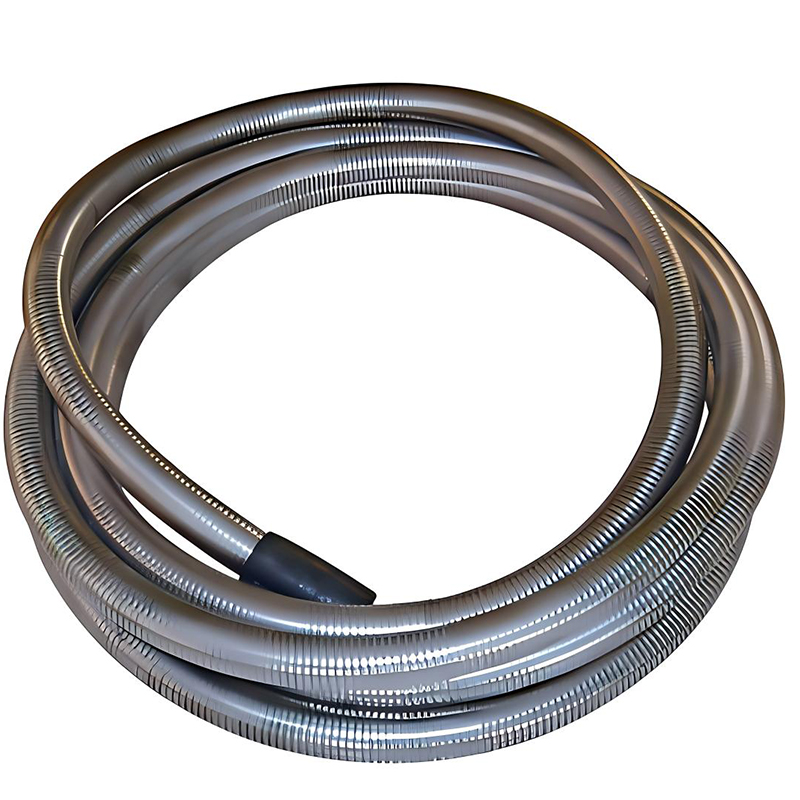
Where the hose runs close to steelwork or faces repeated handling, stainless-steel armor can provide additional protection against abrasion, impact and mechanical contact.
Projects requiring a specific fire-test report, witnessed test, third-party inspection record or customer-approved documentation package should identify that requirement during the RFQ stage so the compliance scope can be reviewed before production.
API 16D BOP Control Hose Sizes & Bend Radius
The following values provide practical references for common 5000 PSI BOP Hydraulic Hose requirements.
| Hose I.D. | Nominal I.D. | Working Pressure | Test Reference | Min. Burst Reference | Typical Bend Radius Reference |
|---|---|---|---|---|---|
| 1/2″ | 12.7 mm | 5,000 PSI | 7,500 PSI | 15,000 PSI | 300 mm |
| 3/4″ | 19.1 mm | 5,000 PSI | 7,500 PSI | 15,000 PSI | 400 mm |
| 1″ | 25.4 mm | 5,000 PSI | 7,500 PSI | 15,000 PSI | 500 mm |
| 1-1/2″ | 38.1 mm | 5,000 PSI | 7,500 PSI | 15,000 PSI | 700 mm |
| 2″ | 50.8 mm | 5,000 PSI | 7,500 PSI | 15,000 PSI | 800 mm |
These bend-radius values are project references rather than universal API dimensions. Final values depend on the approved hose construction, reinforcement, armor and fitting arrangement.
Hose I.D. also affects hydraulic response. Smaller 1/2″ and 3/4″ lines suit compact control circuits, while a 1 Inch 5000 PSI BOP Control Hose is a common surface well control requirement. Larger 1-1/2″ and 2″ hoses provide more flow area but require additional routing space and a greater minimum bend radius.
A larger hose is not automatically better. An oversized line increases internal fluid volume, while an undersized line can restrict flow and slow actuator response. The correct bore should match the actual BOP function and hydraulic circuit.
API 16D BOP Hose Construction
Oil-Resistant Inner Tube
The inner tube carries BOP hydraulic control fluid. Typical configurations use oil-resistant NBR or another compatible synthetic rubber compound.
Where a control system uses a special hydraulic medium, the fluid specification should be checked before confirming the hose construction.
High-Tensile Steel-Wire Reinforcement
Multiple high-tensile spiral steel-wire layers provide the strength required for high-pressure hydraulic service while retaining enough flexibility for installation around the wellhead and BOP stack.
Fire- and Heat-Resistant Outer Construction
The outer construction helps protect pressure-bearing layers from heat and flame while also resisting hydraulic oil, drilling mud, water, ozone, weather, washdown and mechanical abrasion.
Stainless-Steel Armored BOP Hose
A Stainless-Steel Armored BOP Hose provides additional mechanical protection where the hose runs close to BOP structures, steel framework or other equipment.
Armor is commonly considered for exposed BOP stack routing, offshore and jack-up installations, high-contact steel areas and applications involving frequent rig-up and rig-down. For well-protected stationary routing, the need for armor can be reviewed according to the actual installation.
Armor can reduce external wear, but it does not correct poor routing. The hose still needs sufficient clearance, proper support and an acceptable minimum bend radius.
API 16D BOP Control Hose End Connections
SGPE can configure Custom BOP Hydraulic Hose Assemblies with different fittings according to the actual control-system interface.
Common requirements include NPT male or female fittings, JIC connections, SAE hydraulic connections, hydraulic flange interfaces and project-specific adapters. Straight fittings suit many installations, while 45° and 90° connections can simplify routing where installation space is limited.
End A and End B may use different interfaces. For example, a hose could use a 1″ NPT Male straight fitting on End A and a 1″ NPT Male 90° elbow on End B.
For a Replacement BOP Control Hose, photographs of both fittings, together with the hose marking, overall length and connection measurements, can often resolve most initial interface questions.
Where API 16D BOP Control Hoses Are Used
Different BOP functions normally use separate hydraulic circuits, so one surface BOP stack can require several control hoses.
An Annular BOP Control Hose connects the hydraulic control manifold with the annular preventer’s opening and closing circuits. The line must provide sufficient hydraulic flow while matching system pressure, overall length, connection size and routing geometry. Depending on rig terminology, it may also be specified as an Annular BOP Hydraulic Hose, Annular Preventer Control Hose, Annular BOP Opening Hose or Annular BOP Closing Hose.
A Ram BOP Control Hose supplies hydraulic pressure to pipe ram, variable bore ram, blind ram or shear ram actuators. Shear functions can require significant hydraulic pressure and fluid volume, so a Shear Ram Hydraulic Control Hose needs the correct bore, pressure rating, line length, connection size and routing arrangement.
A BOP Accumulator Hose provides a flexible hydraulic connection within the accumulator and control system where the equipment arrangement uses hose rather than rigid piping. The same assembly may also be described as a BOP Accumulator Hydraulic Hose, Accumulator Skid Hose, BOP Control Unit Hose or BOP Control Manifold Hose.
A Remote BOP Control Hose is used where a hydraulic function requires longer routing between the control point and well control equipment. On longer runs, hose I.D. and overall length become increasingly important because both can influence pressure loss and actuator response.
Surface well control packages may also use flexible hydraulic hoses to operate choke line valves, kill line valves, failsafe valves and isolation valves. API Spec 16D also addresses diverter control systems, so a Diverter Control Hose can form part of an applicable diverter hydraulic circuit.
Land, Offshore, Workover & Project Applications
API 16D BOP control hoses are used across a wide range of surface well control applications, and the operating environment often affects hose construction just as much as the hydraulic function itself.
On land drilling rigs, flexible BOP hydraulic hoses are commonly installed around the wellhead and BOP stack where rigid tubing is difficult to route. Applications include exploration and development drilling, mobile rigs, desert drilling, BOP control-system upgrades and workover operations.
For offshore platforms and jack-up rigs, an Offshore BOP Control Hose may face high humidity, salt-laden atmosphere, repeated washdown, steel contact, vibration and restricted routing space. Exposed offshore installations may therefore benefit from a Stainless-Steel Armored Fire-Resistant BOP Hose for additional mechanical protection.
Workover and well intervention equipment frequently moves between wells, so its hydraulic hoses may experience repeated installation, removal, transport and storage. In these applications, correct overall length, bend radius, abrasion protection and fitting condition become especially important.
SGPE also supports BOP hose requirements for BOP test packages, rig refurbishment, brownfield upgrades, EPC well control packages and oilfield MRO projects. For a new installation, the hydraulic schematic and hose schedule usually provide the best starting point. For an existing rig, hose markings, dimensions and field photographs can often support the initial technical review.
Important: Subsea MUX BOP umbilicals use a different control architecture and require separate technical evaluation.
API 16D BOP Control Hose Selection Guide
Selecting the correct BOP Hydraulic Hose Assembly starts with the actual hydraulic circuit rather than the product name alone.
The review should confirm the maximum required control pressure, hydraulic flow, hose I.D. and installed routing distance. End A and End B should be identified by size, connection type, gender and fitting angle, while available installation clearance should be checked against the minimum bend radius.
The operating environment also matters. Fire-resistance requirements, hydraulic-fluid compatibility, minimum and maximum temperatures, offshore exposure, repeated handling and the need for stainless-steel armor can all affect the final hose construction.
Finally, the BOP function should be identified as clearly as possible. An annular circuit, ram function, shear circuit, accumulator connection, hydraulic valve or diverter line may have different hydraulic and installation requirements.
For replacement work, matching the original pressure rating is therefore only the first step. The new assembly should also match the hydraulic bore, installed length, fitting geometry and routing.
API 16D BOP Control Hose Supply Scope
SGPE supports both individual replacement requirements and complete well control projects.
A customer may require a single hose to replace a damaged assembly, several matched hoses for one BOP stack, or a complete BOP Control Hose Bundle covering multiple hydraulic functions between the control unit and the BOP.
SGPE can also prepare replacement hose packages for rig refurbishment and oilfield MRO, spare hose packages for drilling-contractor inventory, complete hose sets for new BOP accumulator or control-unit packages, and project-specific hose schedules for EPC well control packages.
For a complete BOP Control Hose Bundle, the RFQ should identify the BOP stack arrangement, controlled functions, hose I.D.s, pressure ratings, overall lengths, end connections and hose-identification requirements.
Reviewing multiple lines as one package can simplify interface checks and help maintain consistent hose identification throughout the control system.
Replacement API 16D BOP Control Hose
Replacement enquiries often begin without the original hose drawing or complete technical datasheet.
A new assembly can have the same 5,000 PSI hose rating as the existing line and still fail to fit or perform correctly if its hydraulic bore, overall length, fitting configuration or bend radius differs.
The most useful starting information includes the existing hose marking, hose I.D., working pressure, overall length, End A and End B connections, fitting orientation and external armor. An existing part number, BOP control-unit model, hydraulic drawing or clear field photographs can further improve replacement identification.
SGPE supports Replacement BOP Hydraulic Hose Assemblies for active drilling rigs, legacy equipment, offshore maintenance, workover units, rental fleets, brownfield projects and oilfield MRO programs.
If several hoses belong to the same control system, the complete hose schedule can be reviewed as one replacement package rather than treating each line separately.
Custom API 16D BOP Control Hose Assemblies
SGPE can configure Custom API 16D BOP Hose Assemblies around the actual well control system rather than forcing every application into one catalogue configuration.
Customization can include hose I.D., overall length, End A and End B connections, straight or angled fittings, stainless-steel armor, hose identification, inspection requirements and project documentation.
This allows SGPE to support new BOP packages as well as Custom BOP Hydraulic Hose, Replacement BOP Control Hose, Custom-Length BOP Hose, Offshore Armored BOP Hose, BOP Accumulator Hose and complete BOP Control Hose Bundle requirements.
Hydraulic Fluid & Environmental Selection
The hose construction should be compatible with both the hydraulic medium and the operating environment.
Standard BOP hydraulic fluids, water-glycol control fluids and other special hydraulic media may require different compatibility reviews. For non-standard fluids, the fluid specification should be provided before the hose material is confirmed.
Ambient conditions also affect selection. Low-temperature projects require adequate hose flexibility, while high-temperature and desert applications require appropriate heat and weather resistance. Offshore environments can increase the need for external armor, while hoses installed around exposed BOP structures may require specific fire-resistance performance.
Typical project configurations may operate around -40°C to +100°C, subject to the approved hose construction.
For special fluids or extreme temperatures, provide the hydraulic-medium and environmental data during the RFQ stage.
API 16D BOP Control Hose vs. Standard Hydraulic Hose
A standard industrial hydraulic hose can have the same nominal pressure rating as a BOP control hose, but that does not automatically make it suitable for well control service.
An API 16D BOP Control Hose is selected for a safety-critical hydraulic control application around the wellhead and BOP stack. Depending on the project, selection may need to consider fire resistance, control-fluid compatibility, routing, external armor, specific hose identification and project documentation.
A general industrial hydraulic hose is normally selected for machinery or conventional hydraulic service and may not be designed for the same fire exposure or well control environment.
For this reason, a 5000 PSI industrial hydraulic hose does not automatically qualify as a 5000 PSI BOP Control Hose. The complete application determines suitability.
API 16D BOP Control Hose vs. API 16C Choke and Kill Hose
An API 16D BOP Control Hose and an API 16C Choke and Kill Hose perform very different functions.
The API 16D hose carries hydraulic control fluid between the BOP control system and hydraulically operated well control equipment. It normally uses a smaller hydraulic bore and forms part of the control circuit.
An API 16C choke and kill hose transfers high-pressure drilling mud, kill fluid or well fluid between the BOP or drilling spool and the choke or kill manifold. It therefore forms part of the process-fluid path and is typically designed for much larger fluid-transfer requirements.
In practical terms, API 16D relates to hydraulic control, while API 16C relates to high-pressure choke and kill fluid transfer. The two hose types are not interchangeable.
API 16D BOP Control Hose Testing & Documentation
SGPE can coordinate inspection and documentation according to the approved purchase specification.
Typical inspection activities include visual examination of the hose cover, armor, fittings and workmanship; dimensional checks of hose I.D., overall length and fitting arrangement; verification of end connection size and orientation; and hydrostatic pressure testing according to the approved hose specification.
Where required by the project, documentation can also include hose identification and traceability records, technical datasheets, assembly drawings, pressure-test reports, fire-test documentation, dimensional inspection records, third-party inspection records and a final project document package.
Selected 5K hose configurations may use a 7,500 PSI hydrostatic test reference, subject to the approved hose specification.
Routine replacement work may need a relatively simple documentation package, while EPC projects can require additional identification records, inspection plans, third-party witnessing and vendor documentation.
SGPE reviews the QA and documentation scope during quotation so the agreed requirements can follow the purchase order from the beginning.
API 16D BOP Control Hose for EPC, Drilling Contractors & Oilfield MRO
EPC companies often purchase several BOP hoses under one hose schedule rather than ordering each line separately. A project RFQ may include a hydraulic schematic, controlled-function list, technical specification, Inspection and Test Plan and vendor-document requirements.
SGPE can review these requirements together with the wider surface BOP control package.
Drilling contractors commonly require Replacement BOP Hoses, BOP Spare Hose Packages or complete BOP Hose Sets for planned maintenance, accumulator upgrades, BOP stack overhaul, offshore maintenance or emergency replacement.
Oilfield MRO enquiries often begin with less information. Where the original drawing is unavailable, hose markings, photographs, overall length and both end fittings provide a practical starting point for replacement identification.
Why Choose SGPE as an API 16D BOP Control Hose Supplier?
SGPE treats every API 16D BOP Control Hose as part of the complete surface well control system rather than as a standalone hydraulic component.
Our technical team reviews the BOP function, working pressure, hydraulic flow, hose I.D., overall length, end fittings, minimum bend radius, routing and operating environment before confirming the hose configuration. This approach helps avoid selecting a hose simply because its PSI rating appears suitable.
SGPE supports requirements ranging from a single Replacement BOP Control Hose to matched hose assemblies, complete BOP Control Hose Bundles, drilling-contractor spare packages and EPC well control hose sets.
For older rigs, brownfield upgrades and oilfield MRO projects, our team can identify replacement requirements from hose markings, field photographs, existing part numbers, hydraulic drawings, BOP control-unit information and measured dimensions, even when the original supplier documentation is unavailable.
SGPE also supplies related surface well control equipment, which allows our team to coordinate hose interfaces with BOP control units, accumulator systems, ram BOPs and choke and kill equipment when the project requires a broader well control package.
According to the agreed project scope, SGPE can also arrange pressure testing, dimensional inspection, hose identification, fire-test documentation, third-party inspection and final project documentation to support technical approval and delivery.
Related Surface Well Control Equipment
An API 16D BOP Control Hose normally operates as one part of a wider surface well control system rather than as an isolated component.
SGPE also supplies related equipment including API 16D BOP Control Units, BOP Accumulator Units, API 16A Ram BOPs, annular BOP equipment, hydraulic HCR valves, API 16C Choke and Kill Hoses, choke manifolds, kill manifolds and drilling spools.
The API 16D hose carries hydraulic control pressure, while these related products perform pressure-control, actuation or process-fluid functions elsewhere in the well control system.
API 16D BOP Control Hose Price & Quotation Factors
An API 16D BOP Control Hose price depends on the complete technical configuration rather than pressure rating alone.
Hose I.D. and overall length affect both hydraulic capacity and material requirements, while End A and End B connections, fitting orientation and stainless-steel armor affect the final assembly configuration.
Temperature requirements, fire-test requirements, replacement matching, inspection scope and documentation requirements can also influence the quotation. For hose bundles and project packages, the number of hydraulic lines and total quantity should also be confirmed.
For an accurate 5000 PSI BOP Hydraulic Hose quotation, Custom BOP Hose quote or Replacement BOP Hose quotation, provide the actual hose specification rather than requesting only a generic unit price.
API 16D BOP Control Hose RFQ Data
For a new project, the most important quotation information includes the required quantity, BOP function, rig type, working pressure, hose I.D., overall length and End A / End B connection details.
The RFQ should also identify any fire-resistance requirement, stainless-steel armor, hydraulic fluid, operating temperature, hose routing, hose-identification requirement, inspection scope and project-documentation requirement.
For replacement work, provide the existing hose marking and part number where available, together with photographs of the hose and both fittings. The BOP control-unit model or hydraulic drawing can also help establish the function of the existing line.
If a complete specification is unavailable, start with the hose photograph, hose marking, hose I.D., working pressure, overall length, End A, End B and required quantity. SGPE can review the remaining technical points before preparing the quotation.
Frequently Asked Questions About API 16D BOP Control Hoses
1. What is an API 16D BOP Control Hose?
An API 16D BOP Control Hose is a flexible high-pressure hydraulic line used in surface blowout preventer and well control systems. It carries hydraulic control fluid between the BOP control unit, accumulator system, hydraulic control manifold and hydraulic actuators on the BOP stack.
Depending on the control-system design, the hose can operate an annular BOP, pipe ram, variable bore ram, blind ram, shear ram or selected hydraulic well control valves. Field specifications may also describe the same product as a BOP Hydraulic Hose, Blowout Preventer Control Hose, BOP Hydraulic Control Hose or Surface BOP Control Hose.
2. What is a BOP Hydraulic Hose used for on a drilling rig?
A BOP Hydraulic Hose transfers hydraulic control pressure from the accumulator or control manifold to the actuator that performs a specific well control function.
A surface BOP stack normally uses separate hydraulic circuits for annular opening and closing, ram BOP operation, shear ram functions, accumulator connections and hydraulically actuated valves. Each circuit can require a different hose bore, working pressure, overall length and routing arrangement.
For this reason, a drilling rig often uses several BOP Control Hose assemblies rather than one standard hose throughout the system. Typical applications include land rigs, offshore platforms, jack-up rigs, workover units and well intervention equipment.
3. Does every BOP control circuit operate at 5000 PSI?
No. A 5000 PSI BOP Control Hose describes the pressure capability of the hose assembly; it does not mean that every hydraulic function in the BOP control system operates at 5,000 PSI.
Many surface BOP control systems use a lower regulated pressure for normal functions, while selected shear or project-specific high-pressure circuits may require higher pressure capability.
The hose rating should therefore match the actual BOP control-unit design, actuator requirement and hydraulic circuit. SGPE recommends confirming the working pressure together with the BOP function, hose I.D., overall length and end connections before selecting the hose.
4. What sizes are commonly used for API 16D BOP Control Hoses?
Common API 16D BOP Control Hose sizes include 1/2″, 3/4″, 1″, 1-1/2″ and 2″ I.D.
The correct hose size depends on hydraulic flow, actuator volume, hose length and the function the circuit controls. Smaller hoses often suit compact hydraulic circuits, while larger bore hoses can support applications that require greater fluid volume.
A larger hose does not automatically improve performance. An oversized line increases internal fluid volume, while an undersized hose can restrict flow and slow hydraulic response. For replacement projects, the original approved hose bore usually provides the best starting point.
5. Is an API 16D BOP Control Hose fire resistant?
Applicable API 16D Fire-Resistant BOP Hose configurations use fire-resistant construction for exposed well control applications where the hydraulic line may need to retain pressure during heat or flame exposure.
A commonly referenced fire condition is approximately 704°C / 1300°F for at least five minutes while the hose contains its rated working pressure, subject to the approved hose construction and project requirement.
The complete hose assembly determines fire performance. The inner tube, steel-wire reinforcement, outer construction, ferrules and end fittings all contribute to the assembly’s ability to maintain pressure.
If your project requires a specific fire-test report, witnessed test or third-party inspection record, include that requirement in the RFQ so SGPE can review the documentation scope before production.
6. What is the difference between an API 16D BOP Hose and an API 16C Choke and Kill Hose?
An API 16D BOP Hose and an API 16C Choke and Kill Hose perform different functions within the well control system.
The API 16D hose carries hydraulic control fluid between the BOP control system and equipment such as annular preventers, ram BOPs, shear rams and selected hydraulic valves.
An API 16C choke and kill hose transfers high-pressure drilling mud, kill fluid or well fluid between the BOP or drilling spool and the choke or kill manifold.
In practical terms, API 16D relates to hydraulic control, while API 16C relates to high-pressure process-fluid transfer. The two hose types are not interchangeable.
7. Can a standard 5000 PSI hydraulic hose replace an API 16D BOP Control Hose?
Not automatically.
A standard industrial hydraulic hose may carry the same nominal pressure rating, but a Replacement BOP Control Hose must also suit the actual well control application.
The replacement should match the required fire resistance, hydraulic-fluid compatibility, hose I.D., minimum bend radius, end connections, fitting orientation, routing and external protection.
A hose that matches only the 5,000 PSI rating may still have the wrong bore, length or fitting geometry for the existing BOP control circuit. SGPE therefore reviews the complete hose specification rather than pressure rating alone.
8. What end connections are available for API 16D BOP Hydraulic Hoses?
SGPE can supply NPT, JIC, SAE hydraulic, flange and project-specific end connections for API 16D BOP Hydraulic Hose assemblies.
Straight, 45° and 90° fittings can suit different routing requirements, and End A and End B can use different connection types where the equipment interfaces require it.
For replacement projects, clear photographs of both fittings, together with connection dimensions, hose markings and overall length, can help SGPE identify the required interface more accurately.
9. When should a stainless-steel armored BOP Hose be used?
A Stainless-Steel Armored BOP Hose suits installations where the hydraulic line faces repeated abrasion, equipment contact or handling around the BOP stack.
Offshore platforms, jack-up rigs, exposed surface BOP routing, high-contact steel areas and frequently handled workover equipment can all benefit from additional mechanical protection.
The armor helps reduce external wear, but it does not correct poor routing. Even an armored hose still needs sufficient clearance, proper support and an acceptable minimum bend radius to avoid unnecessary mechanical stress.
10. Can SGPE supply a complete BOP Control Hose Bundle?
Yes. SGPE can supply individual hoses, matched hose sets, spare hose packages and complete BOP Control Hose Bundles for surface well control systems.
A complete bundle can include separate hydraulic lines for annular BOP opening and closing, ram BOP functions, shear ram circuits, accumulator connections, remote control functions and hydraulically actuated well control valves.
For a BOP hose bundle quotation, provide the BOP stack arrangement, controlled functions, hose I.D.s, working pressures, overall lengths, end connections and hose-identification requirements.
Reviewing all lines as one package helps simplify interface checks and maintain consistent identification across the BOP control system.
11. Can SGPE supply a Replacement BOP Control Hose without the original drawing?
Yes. Many Replacement BOP Hydraulic Hose enquiries start without the original assembly drawing or complete technical datasheet.
The existing hose marking, hose I.D., working pressure, overall length, End A and End B connections, fitting orientation and field photographs usually provide enough information to begin the technical review.
An existing part number, BOP control-unit model or hydraulic drawing can further help SGPE identify the hose function and replacement configuration.
SGPE supports replacement hose requirements for active drilling rigs, legacy well control equipment, offshore maintenance, workover units, brownfield upgrades, rental fleets and oilfield MRO projects.
12. What information should I provide for an API 16D BOP Control Hose quotation?
For an accurate API 16D BOP Control Hose quotation, provide the hose I.D., working pressure, overall length, End A and End B connection details, quantity and the BOP function the hose will serve.
It also helps to identify the installation environment, such as a land rig, offshore platform, jack-up rig, workover unit or other surface well control package.
Where applicable, include fire-resistance requirements, stainless-steel armor, hydraulic-fluid type, operating temperature, inspection scope and project-documentation requirements.
For replacement projects, existing hose markings, photographs, drawings or part numbers can speed up the technical review. Based on the available information, SGPE can confirm the hose configuration and prepare the corresponding technical and commercial quotation.
Request an API 16D BOP Control Hose Quote from SGPE
Looking for an API 16D BOP Control Hose, 5000 PSI BOP Hydraulic Hose, Fire-Resistant BOP Hose, replacement assembly or complete BOP hose package?
SGPE supplies custom and replacement hose assemblies for annular BOPs, ram and shear ram circuits, accumulator units, remote control lines and other surface well control applications, with optional stainless-steel armor, custom lengths and project-specific end connections.
For quotation, please send the available hose I.D., working pressure, overall length, End A / End B connections, quantity and application details. Existing hose markings, drawings or field photographs are also helpful for replacement projects.
Email: info@sgpe.com
Tel / WhatsApp: +86 186-1599-5239