Description
Oilfield Drill Pipe Drift, Casing Drift & Tubing Drift for ID Inspection
Oilfield Drill Pipe Drift, Casing Drift and Tubing Drift
SGPE supplies precision-machined drill pipe drift, casing drift, tubing drift, Heavy Weight Drill Pipe (HWDP) drift and drill collar drift for oilfield tubular ID inspection. These tools help drilling contractors, workover crews, well service companies and petroleum pipe yards check the bore of casing, tubing, drill pipe, HWDP and drill collars before wellsite use.
In drilling, completion, production, workover and well intervention jobs, the internal condition of tubular goods directly affects tool passage, running efficiency and site safety. Dents, scale buildup, ovality, deformation and bore restrictions may stop downhole tools, delay rig activity and increase service cost. A correctly sized drift mandrel helps crews confirm usable ID before a pipe joint goes to the rig floor or enters the well.
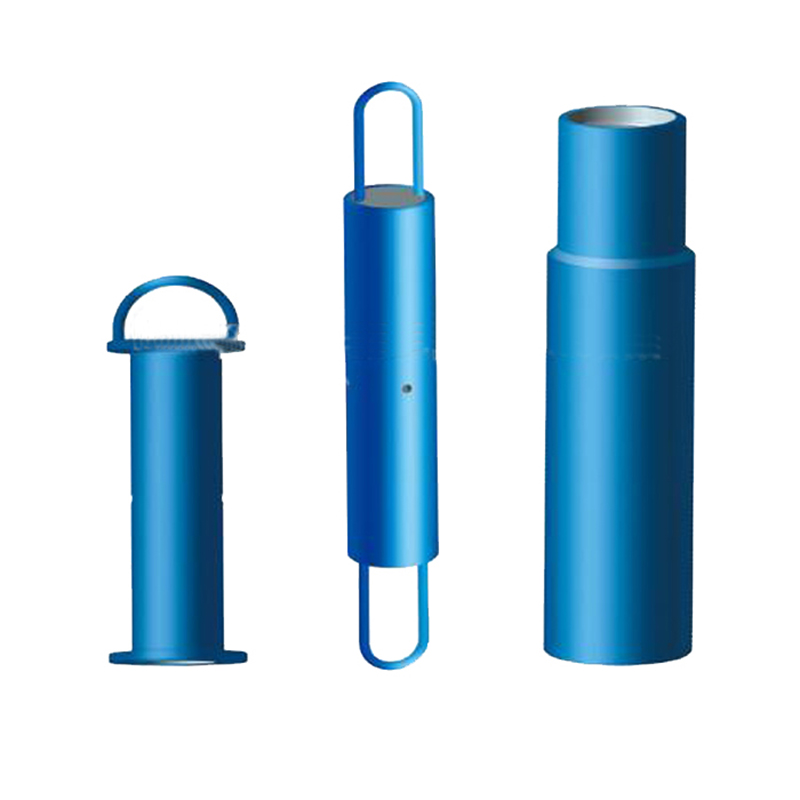
SGPE offers a practical range of oilfield drift tools, including sub type casing drift, bail type casing drift, double bail tubing drift, double bail drill pipe drift, HWDP drift and drill collar drift. These products support casing running, tubing preparation, drill string inspection, pipe yard acceptance and downhole tool clearance checking.
For faster selection, send SGPE your pipe type, pipe size, pipe weight, nominal ID, required drift diameter, connection type and quantity. Our team will help you confirm the right drift tool for your project.
Quick Navigation
Use this page to review Casing Drift, Tubing Drift, Drill Pipe Drift, Heavy Weight Drill Pipe Drift, Drill Collar Drift, Selection Guide, Custom Drift Tools, Request a Quote and FAQ.
What Is an Oilfield Drift Tool?
An oilfield drift tool checks the internal diameter of petroleum tubular goods. It passes through the pipe bore and confirms whether the tubular has enough clearance for packers, plugs, pumps, gauges, survey tools, fishing tools and other downhole equipment.
Buyers may also search for this product as a pipe drift tool, drift mandrel, drift gauge, pipe ID gauge, casing drift mandrel, tubing drift mandrel, drill pipe drift gauge, bore checking tool or tubular ID inspection tool. These terms describe the same function: the tool verifies usable bore before drilling, completion, production, workover or well intervention service.
Crews use drift tools before running casing strings, tubing strings, drill pipe, HWDP and drill collars. They also use them before sending downhole tools into the well. This simple inspection step helps identify restricted joints early, improves tubular preparation and reduces avoidable wellsite delays.
Why Drift Inspection Matters
A drift tool gives crews a quick and reliable way to check bore clearance before pipe enters service. It also helps identify tubular problems before they affect drilling, completion, production or workover operations.
SGPE drift tools help crews check casing, tubing and drill pipe ID against the required drift size. They also help detect dents, deformation, scale buildup, ovality and internal restrictions. When a pipe has already deformed, a properly sized drift gauge can confirm the usable bore and support better inspection decisions.
Before field operation, drift inspection helps reduce stuck-tool risk, improve pipe yard acceptance and prepare tubulars with more confidence. For drilling contractors, workover companies, oilfield service providers and petroleum tubular suppliers, this simple check remains an important quality control step.
SGPE Oilfield Drift Tool Product Range
| Product Type | Main Oilfield Use |
|---|---|
| Casing Drift, Sub Type | Casing ID inspection during casing running, drilling preparation and workover jobs |
| Casing Drift, Bail Type | Casing bore checking for tubular acceptance, pipe yard inspection and well service preparation |
| Tubing Drift, Double Bail Type | Tubing ID inspection before production, artificial lift, workover and downhole pump operation |
| Drill Pipe Drift, Double Bail Type | Drill pipe bore checking before drilling, workover and well intervention |
| Heavy Weight Drill Pipe Drift | HWDP ID checking before drilling string assembly |
| Drill Collar Drift | Drill collar bore inspection before bottom hole assembly preparation |
Main Features of SGPE Drift Tools
SGPE builds drift tools for practical oilfield use. Each tool has a simple structure, stable gauge body and accurate drift size for tubular inspection.
These tools help crews check the ID of casing, tubing, drill pipe, HWDP and drill collars with reliable dimensional accuracy. They suit drilling, completion, production, workover and well intervention operations, where internal clearance plays an important role in tool passage and job efficiency.
SGPE offers sizes for common petroleum tubular specifications and provides different structures, including sub type, bail type and double bail type designs. For tubing and drill pipe inspection, crews can choose manual drifting options for pipe yards, workover sites and tubular preparation areas.
For casing drift tools, SGPE can provide threaded connection options for use with drill strings. Customers can also request custom drift O.D., tool length and connection according to pipe data, well program and project requirements.
Casing Drift for Oilfield Casing ID Inspection
SGPE supplies casing drift tools for oil and gas well casing inspection. These tools help operators check casing inside diameter before casing running, cementing preparation, completion, workover and downhole tool operation.
A casing drift confirms whether the casing bore allows the required tool string or assembly to pass through. It also helps crews identify casing deformation, dents, scale buildup and internal restrictions before the job starts. As a result, oilfield teams can prepare casing strings with more confidence and reduce the risk of tool-passage problems during field operation.
SGPE provides two common casing drift options for different wellsite requirements: Sub Type Casing Drift and Bail Type Casing Drift. The sub type casing drift suits jobs that require threaded connection and better running control, while the bail type casing drift offers easier handling for routine casing ID inspection, casing acceptance checking and workover preparation.
Sub Type Casing Drift
The Sub Type Casing Drift has threaded connections on both ends. The upper connection can connect with the drill string, while the lower connection remains available for job requirements. This structure gives crews better running control during casing ID inspection and wellbore clearance checking.
SGPE supplies common connections such as NC26, NC31 and NC38. Customers can select the drift O.D., tool length and thread connection according to casing size, pipe weight and well program.
Sub Type Casing Drift Specifications
| Casing Size | Drift O.D. | Tool Length | Upper Connection | Lower Connection |
|---|---|---|---|---|
| 4 1/2 in | 92–95 mm | 500 mm | NC26 | NC26 |
| 5 in | 102–107 mm | 500 mm | NC26 | NC26 |
| 5 1/2 in | 114–118 mm | 500 mm | NC31 | NC31 |
| 5 3/4 in | 119–128 mm | 500 mm | NC31 | NC31 |
| 6 5/8 in | 136–148 mm | 500 mm | NC31 | NC31 |
| 7 in | 146–158 mm | 500 mm | NC38 | NC38 |
Bail Type Casing Drift
The Bail Type Casing Drift uses a gauge plate and connecting rod to check casing bore. Oilfield crews choose this structure when they need an easy-handling casing ID checking tool for pipe yard inspection, casing acceptance or workover preparation.
Compared with a threaded sub type casing drift, the bail type design suits routine casing drift inspection when the job does not require drill string connection.
Bail Type Casing Drift Specifications
| Casing Size | Tool Length | Minimum Drift Diameter |
|---|---|---|
| 4 1/2 in | 152 mm | d – 3.18 mm |
| 5 in | 152 mm | d – 3.18 mm |
| 5 1/2 in | 152 mm | d – 3.18 mm |
| 6 5/8 in | 152 mm | d – 3.18 mm |
| 7 in | 152 mm | d – 3.18 mm |
| 7 5/8 in | 152 mm | d – 3.18 mm |
| 8 5/8 in | 152 mm | d – 3.18 mm |
| 9 5/8 in | 305 mm | d – 3.97 mm |
| 10 3/4 in | 305 mm | d – 3.97 mm |
| 11 3/4 in | 305 mm | d – 3.97 mm |
| 13 3/8 in | 305 mm | d – 3.97 mm |
| 16 in | 305 mm | d – 4.76 mm |
| 18 5/8 in | 305 mm | d – 4.76 mm |
| 20 in | 305 mm | d – 4.76 mm |
Note: “d” means the pipe nominal inside diameter or specified inside diameter. SGPE can confirm the final casing drift diameter according to casing size, pipe weight, well program and inspection requirement.
Tubing Drift – Double Bail Type Drift
The Double Bail Tubing Drift checks the ID of oilfield tubing before production, workover, artificial lift, well intervention and downhole pump operations. It helps confirm that pumps, plugs, packers, gauges and other tools can pass through the tubing bore.
Crews usually operate this tubing drift on the ground at tubing preparation areas, workover sites or petroleum pipe yards. The drift gauge uses a long cylindrical body, and both ends can use sucker rod thread for easy manual handling.
By drifting tubing before the string enters the well, crews can find restricted joints early and reduce costly field delays.
Tubing Drift Specifications
| Tubing Size | Tool Length | Minimum Drift Diameter |
|---|---|---|
| 2 3/8 in | 500 mm | d – 2.38 mm |
| 2 7/8 in | 500 mm | d – 2.38 mm |
| 3 1/2 in | 500 mm | d – 3.18 mm |
| 4 in | 600 mm | d – 3.18 mm |
Drill Pipe Drift – Double Bail Type Drift
The Double Bail Drill Pipe Drift checks the bore of drill pipe for oil and gas drilling, workover and well intervention. It confirms whether the drill pipe ID provides enough clearance for drilling tools, survey instruments, fishing tools and other downhole assemblies.
Crews normally use a drill pipe drift on the ground before drill pipe goes to the rig floor or enters active service. This step helps identify undersized, deformed or restricted drill pipe before it affects drilling performance.
SGPE drill pipe drift tools support efficient tubular preparation and help reduce non-productive time caused by unexpected bore restrictions.
Drill Pipe Drift Specifications
| Applicable Pipe Size | Drill Pipe Specification | Tool Length | Minimum Drift Diameter |
|---|---|---|---|
| All sizes | ≤ 3 1/2 in | 500 mm | d – 3.18 mm |
| All sizes | ≥ 4 in | 600 mm | d – 3.18 mm |
Heavy Weight Drill Pipe Drift – Double Bail Type Drift
SGPE supplies Heavy Weight Drill Pipe Drift tools for HWDP internal diameter inspection. Heavy weight drill pipe works under demanding downhole conditions, so crews need to verify its bore before drilling string assembly.
The HWDP drift helps confirm tool passage, detect internal restrictions and prepare the drilling string for field operation. It suits drilling contractors, workover companies and oilfield service teams that need reliable pipe ID inspection.
Heavy Weight Drill Pipe Drift Specifications
| Applicable Specification | Tool Length | Reference Drift Diameter |
|---|---|---|
| All sizes | 600 mm | d – 6.35 mm / d – 2.38 mm |
Note: SGPE confirms the final HWDP drift diameter before production according to pipe ID, inspection standard, customer drawing and project requirement.
Drill Collar Drift – Double Bail Type Drift
The Drill Collar Drift checks the ID of drill collars used in oil and gas bottom hole assemblies. Drill collars carry heavy loads during drilling, so bore inspection helps ensure safe tool passage and reliable BHA preparation.
SGPE drill collar drift tools help drilling teams inspect drill collars before bottom hole assembly makeup. This inspection supports smoother drilling operations and reduces problems caused by bore restrictions.
Drill Collar Drift Specifications
| Drill Collar Specification | Tool Length | Reference Drift Diameter |
|---|---|---|
| All sizes | 600 mm | d – 3.18 mm / d – 2.38 mm |
Note: SGPE can confirm the final drill collar drift size according to drill collar ID, bore condition, inspection requirement and customer specification.
Oilfield Applications
SGPE drift tools support tubular ID inspection in upstream oil and gas operations. They help crews check casing, tubing, drill pipe, HWDP and drill collars before the tubulars enter field service.
Oilfield crews use SGPE casing drift tools to inspect casing ID before casing running, completion and workover operations. They use tubing drift tools to check tubing bore before production, artificial lift, downhole pump operation and workover service. For drilling jobs, crews use drill pipe drift tools to verify drill pipe bore before drilling or well intervention, while HWDP drift and drill collar drift tools help confirm clearance before drilling string assembly and BHA preparation.
These tools also support downhole tool clearance checking, tubular acceptance inspection at petroleum pipe yards, rig-site pipe preparation for drilling contractors and well service tool passage verification. They suit common field environments such as drilling rigs, workover units, casing running sites, tubing preparation areas, pipe yards and well intervention operations.
How to Select the Correct Oilfield Drift Tool
To select the correct drift tool, start with the tubular type and field operation. Then confirm the nominal pipe size, pipe weight, actual inside diameter and required drift allowance. For sub type casing drift, also confirm the upper and lower thread connection.
A complete selection request usually includes pipe type, nominal pipe size, pipe weight or wall thickness, pipe inside diameter, required minimum drift diameter, tool length, tool structure, thread connection, order quantity and technical standard. For special oilfield projects, SGPE can manufacture drift tools according to customer drawings, pipe data or project specifications.
If you are not sure which drift size to choose, send SGPE your tubular data. Our team can help review the pipe ID, required drift diameter and connection details before production.
Why Choose SGPE Oilfield Drift Tools?
SGPE understands the needs of oilfield buyers, drilling contractors, workover teams and well service companies. We supply drift tools that match common petroleum tubular sizes and support practical field operation in pipe yards, rig sites and well service environments.
SGPE provides a complete drift tool range for casing, tubing, drill pipe, HWDP and drill collars. Customers can choose custom drift diameters according to pipe ID and project requirements. For casing drift tools, SGPE can supply NC26, NC31, NC38 and other connection options. For manual tubular inspection, we also provide double bail structures that suit ground operation and field preparation work.
Before shipment, SGPE checks key dimensions to help customers receive the correct tool for their inspection needs. We also provide export packing for international projects and offer technical support for drift size selection. With practical product options and responsive communication, SGPE helps customers choose the right drift mandrel or drift gauge according to pipe type, nominal size, inside diameter, connection and working condition.
Quality Control
SGPE controls key dimensions during production. Our team checks drift O.D., tool length, gauge body size, thread connection and surface condition before shipment.
For wellsite operation, size accuracy matters. An incorrect drift diameter may cause wrong inspection results, field delays or extra workover cost. Therefore, SGPE focuses on dimensional accuracy, connection quality and field usability.
Custom Drift Tool Options
SGPE supports custom drift tool requirements for different oilfield projects. Customers can request a special drift diameter, tool length, connection type or tool structure according to pipe data, inspection requirements and working conditions.
For casing drift tools, SGPE can provide sub type or bail type structures and support common connections such as NC26, NC31, NC38 or other project-required threads. For tubing drift, drill pipe drift, HWDP drift and drill collar drift, SGPE can also provide double bail structures for manual drifting. If the project requires sucker rod thread options for tubing drift or a project-based drift diameter according to pipe ID, our team can review the technical details and recommend a suitable solution.
SGPE can manufacture custom drift tools according to customer drawings, pipe specifications or inspection standards. For accurate production, please send the pipe size, pipe weight, nominal ID, required drift diameter and technical drawing if available.
Packaging and Delivery
SGPE provides secure export packing for drill pipe drift, casing drift, tubing drift, HWDP drift and drill collar drift. We arrange packing according to product size, order quantity and transportation requirements.
For project orders, regular procurement or urgent field replacement demand, SGPE supports clear technical communication before shipment.
Request a Quote for Oilfield Drift Tools
Looking for a reliable drill pipe drift, casing drift, tubing drift, heavy weight drill pipe drift or drill collar drift supplier for oil and gas operations?
Send SGPE your drift tool requirement for fast selection and quotation. To help our team recommend the correct oilfield drift tool, please provide the pipe type, such as casing, tubing, drill pipe, HWDP or drill collar. You can also include the pipe size, pipe weight, nominal ID or specified inside diameter, and required drift diameter.
For a more accurate quotation, please tell us whether you need a sub type drift, bail type drift or double bail type drift. If the tool requires a thread connection, please include the connection type as well. The order quantity, required delivery time, drawing or technical standard will also help SGPE confirm the suitable specification and prepare the quotation more efficiently.
E-Mail:
info@sgpe.com
FAQ: Oilfield Drill Pipe Drift, Casing Drift and Tubing Drift
1. What does an oilfield drift tool do?
An oilfield drift tool checks the internal diameter of casing, tubing, drill pipe, heavy weight drill pipe and drill collars. The tool passes through the bore and confirms enough clearance for downhole tools, packers, plugs, pumps, gauges, survey instruments and fishing tools.
Buyers may also call it a pipe drift tool, drift mandrel, drift gauge, pipe ID gauge, casing drift mandrel, tubing drift mandrel or drill pipe drift gauge.
2. Why do crews drift casing, tubing and drill pipe before wellsite operations?
Crews drift casing, tubing and drill pipe to find bore restrictions before tubulars enter field service. Dents, scale, ovality, deformation, damaged ends and internal buildup can block downhole tools and delay the job.
A simple drift inspection helps crews separate restricted joints early. As a result, drilling contractors, workover teams and oilfield pipe yards can reduce stuck-tool risk and improve tubular acceptance inspection.
3. What is the difference between a drill pipe drift, casing drift and tubing drift?
A drill pipe drift checks drill pipe bore before drilling, workover or well intervention. It helps confirm clearance for drilling tools, survey instruments and fishing tools.
A casing drift checks casing ID before casing running, completion, workover or well service. A tubing drift checks oilfield tubing before production, artificial lift, downhole pump operation or workover service. Each drift type follows the pipe size, nominal ID, tool length and required drift diameter.
4. What is a sub type casing drift?
A sub type casing drift has threaded connections on both ends. The upper end connects with the drill string, while the lower end remains available for job requirements. This design gives crews better control during casing ID inspection and wellbore clearance checking.
SGPE supplies sub type casing drift tools with common connections such as NC26, NC31 and NC38.
5. What is a bail type casing drift?
A bail type casing drift uses a gauge plate and connecting rod to check casing bore. Oilfield crews use this type for pipe yard inspection, casing acceptance and workover preparation.
This design offers easier handling when the job does not require drill string connection. It suits routine casing drift inspection before crews run downhole tools through the casing.
6. What is a double bail drift for tubing or drill pipe?
A double bail drift checks tubing, drill pipe, HWDP or drill collar ID during ground operation. The tool normally uses a long cylindrical gauge body. For tubing drift, both ends can use sucker rod thread for easier manual handling.
Oilfield pipe yards and workover teams use double bail drift tools to verify bore clearance before they send tubulars to the wellsite.
7. How do I choose the correct drift diameter?
Start with the pipe type, nominal size, pipe weight and specified inside diameter. Then check the required drift allowance for casing, tubing, drill pipe, HWDP or drill collar.
Common drift formulas include d – 2.38 mm, d – 3.18 mm, d – 3.97 mm, d – 4.76 mm and d – 6.35 mm. For accurate selection, send SGPE the pipe data and inspection requirement.
8. What does “d – 3.18 mm” or “d – 2.38 mm” mean?
In a drift table, “d” means the pipe nominal inside diameter or specified inside diameter. The value after “d -” shows the required reduction from that ID.
For example, if the specified pipe ID is 100 mm and the formula is d – 3.18 mm, the minimum drift diameter equals 96.82 mm. This calculation helps buyers confirm the correct drift gauge size before ordering.
9. Can one drift tool fit different casing, tubing or drill pipe sizes?
One drift tool cannot fit all tubular sizes. Each pipe size has its own inside diameter, wall thickness, pipe weight and drift requirement. A tool that is too small may miss a real bore restriction. A tool that is too large may reject a usable pipe joint.
For reliable oilfield pipe ID inspection, choose the drift tool according to actual tubular data.
10. Can SGPE customize drill pipe drift, casing drift and tubing drift tools?
Yes. SGPE can customize drill pipe drift, casing drift, tubing drift, HWDP drift and drill collar drift according to pipe data, customer drawings and oilfield project requirements.
Custom options may include drift O.D., tool length, connection type, sub type structure, bail type structure, double bail structure and sucker rod thread options for tubing drift.
11. What information should I provide for a fast quotation?
To receive a fast and accurate quotation, please send SGPE the main tubular and inspection details first. You can provide the pipe type, such as casing, tubing, drill pipe, HWDP or drill collar, together with the nominal pipe size, pipe weight or wall thickness, and nominal ID or specified inside diameter.
Please also include the required drift diameter, preferred tool type, tool length and thread connection if the project requires one. In addition, the order quantity, required delivery time, drawing or technical standard will help SGPE confirm the correct drift tool and prepare the quotation more efficiently.
12. Where do oilfield companies use SGPE drift tools?
Oilfield companies use SGPE drift tools at drilling rigs, workover units, casing running sites, tubing preparation areas, petroleum pipe yards and well intervention operations.
These tools support casing bore checking, drill pipe bore inspection, tubing drift inspection, HWDP ID checking, drill collar ID inspection and downhole tool clearance verification.
E-Mail:
info@sgpe.com