
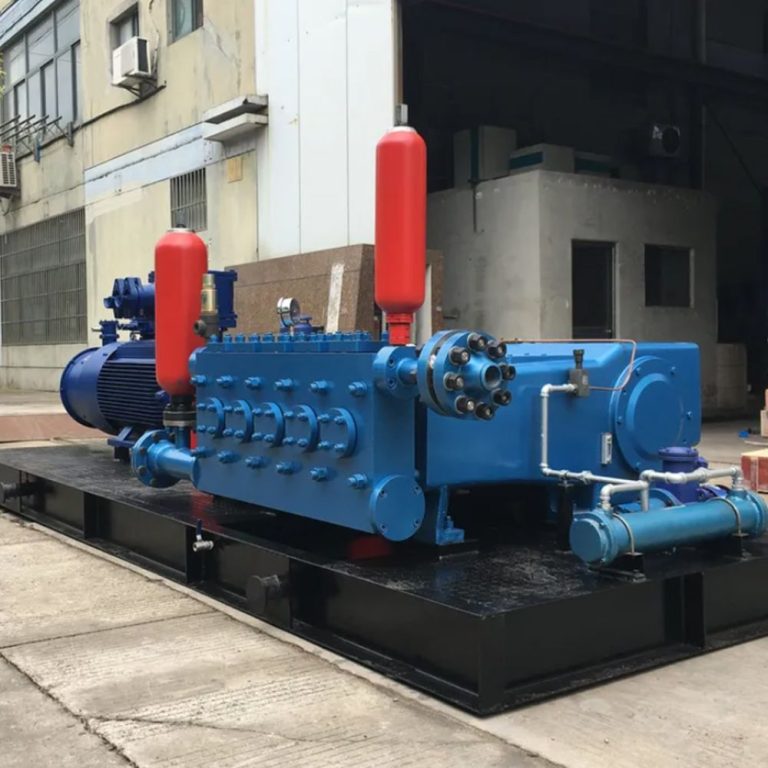
Frac Plunger Pump for Petroleum Fracturing and Well Stimulation
Pressure pumping plays a major role in petroleum well service. It affects well productivity, well integrity, treatment efficiency, and field operating cost. When oilfield crews handle hydraulic fracturing, acidizing, cementing support, workover service, well stimulation, or pressure testing, they need equipment that can deliver strong pressure, steady discharge, and reliable field performance.
A frac plunger pump supports these high-pressure oilfield operations. It moves fracturing fluid, acidizing fluid, cement slurry, chemical treatment fluid, and other petroleum service fluids into the wellbore. As a result, oilfield service companies use it in oil and gas well completion, shale gas fracturing, tight oil stimulation, mature well recovery, and high-pressure well service projects.
For drilling contractors, workover companies, and oilfield equipment buyers, pump selection affects more than one job. A well-matched frac plunger pump improves pumping efficiency, reduces non-productive time, supports planned maintenance, and protects long-term equipment value. In contrast, a poorly matched pump can increase wear, cause unstable output, and delay the whole field operation.
This guide explains how a frac plunger pump works, where it fits in petroleum operations, which parts matter most, and how buyers can choose a suitable pump for oil and gas well service.
What Is a Frac Plunger Pump?
A frac plunger pump is a high-pressure reciprocating pump used in petroleum pressure pumping operations. It uses plungers to draw fluid into the pump chamber and discharge that fluid into an oil or gas well system under high pressure.
In oilfield service, this pump often works as a core unit in hydraulic fracturing equipment, well stimulation units, acidizing units, cementing packages, workover systems, and pressure testing equipment. Therefore, it helps crews deliver strong pressure, controlled flow, and steady fluid output in harsh field environments.
Unlike general transfer pumps, a frac plunger pump handles demanding oilfield fluids. These fluids may contain acid, cement solids, proppant, chemicals, or other additives. Because of this, the pump needs strong materials, accurate machining, reliable sealing parts, and a maintenance-friendly structure.
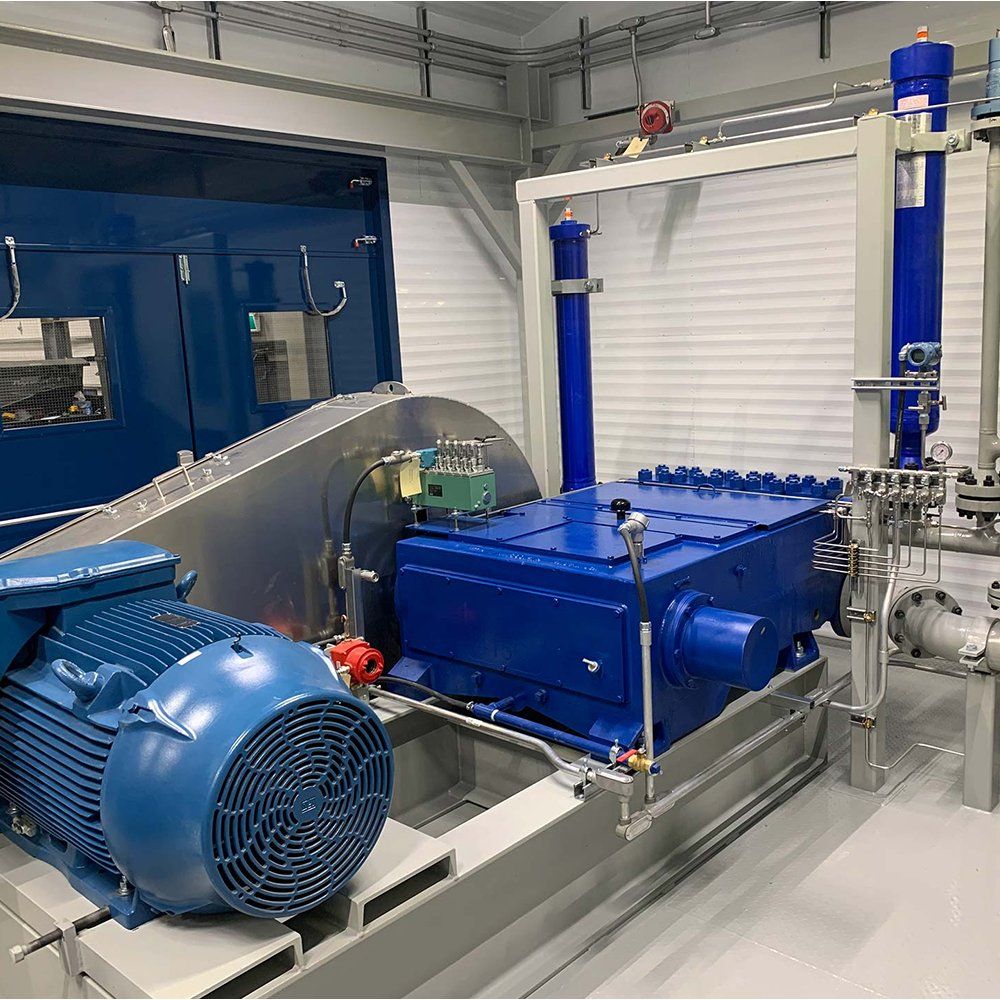
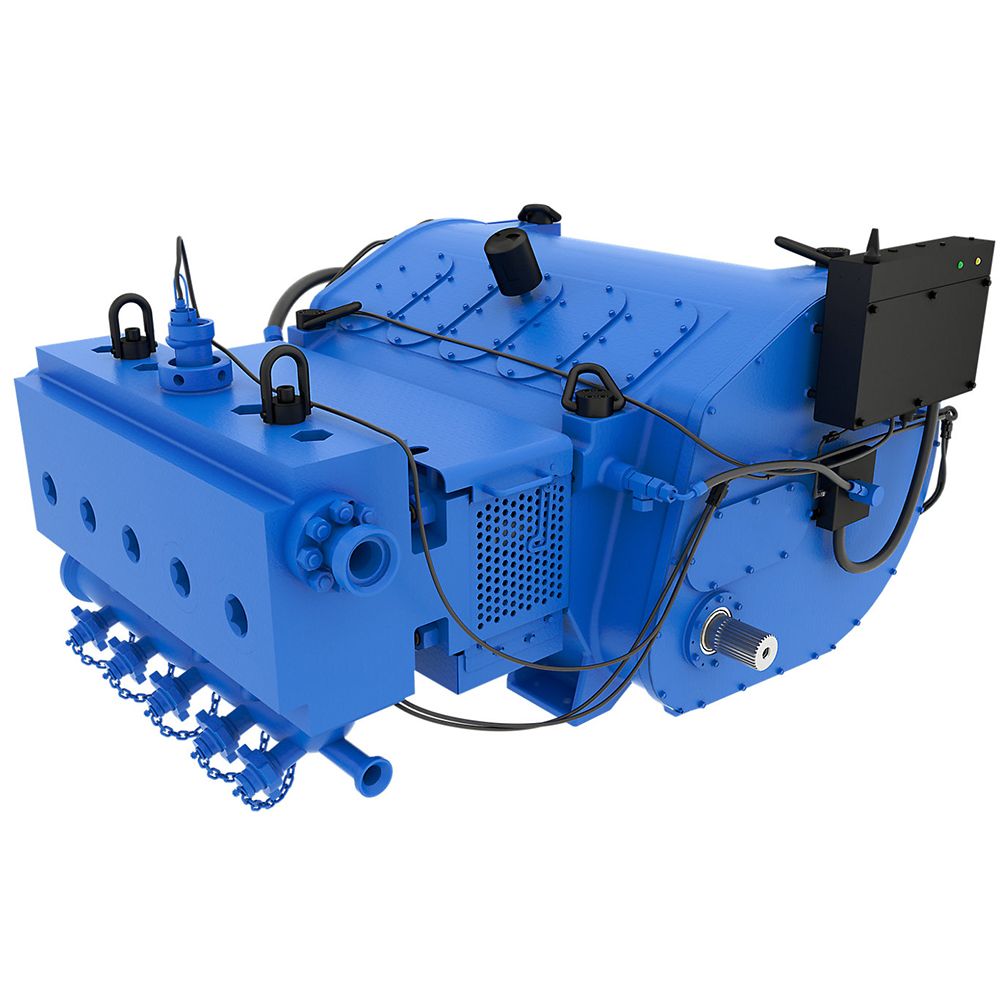
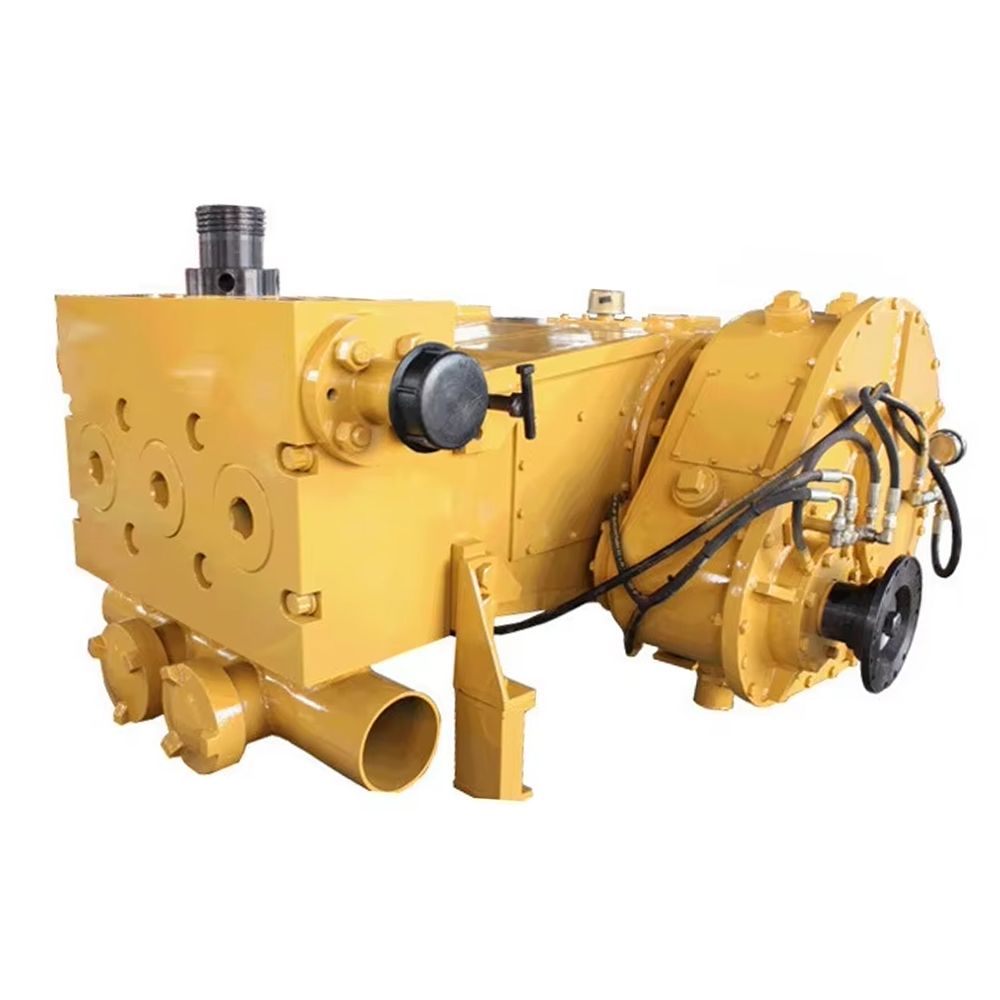
A typical frac plunger pump includes two main sections: the power end and the fluid end. The power end receives power from an engine, electric motor, or transmission system. Then, it converts rotary motion into reciprocating motion. The fluid end contacts the pumped fluid and creates the pressure needed for petroleum well service.
Every major part affects pump performance. For example, the crankshaft, connecting rods, crossheads, plungers, valves, seats, packing, manifold, seals, and fluid end body all influence pressure stability, service life, maintenance cost, and field reliability.
Why Frac Plunger Pumps Matter in Petroleum Operations
Oil and gas wells often need pressure treatment to improve production, verify equipment integrity, or support well construction. Therefore, a frac plunger pump gives field crews the pressure and fluid delivery capacity required for these jobs.
Fracturing and Production Support
During hydraulic fracturing, the pump injects fluid into the formation to create or extend fractures. These fractures help hydrocarbons flow from the reservoir into the wellbore. In shale gas, tight oil, and low-permeability formations, hydraulic fracturing often plays a major role in production development.
Moreover, reliable pressure output helps crews follow the treatment program with better control. If the pump cannot maintain steady discharge, the whole fracturing spread may lose efficiency.
Acidizing, Cementing, and Workover Support
During acidizing, the pump injects acid into the formation or near-wellbore area. The acid helps dissolve certain minerals, remove formation damage, and improve flow channels. Since acid can corrode metal parts, buyers should review fluid end material, seals, packing, valves, and seats before selecting a pump.
During cementing support, the pump moves cement slurry or related fluids under controlled pressure. This work helps support casing integrity, zonal isolation, and well construction quality. In addition, the pump can support workover and well servicing jobs, including fluid injection, wellbore cleaning, stimulation treatment, pressure testing, and production recovery work.
For these reasons, petroleum companies treat the frac plunger pump as a core oilfield pressure pumping machine, not a small accessory.
Main Applications of a Frac Plunger Pump in Oilfield Service
A frac plunger pump supports several petroleum well service applications. However, the exact use depends on working pressure, flow capacity, horsepower, fluid type, fluid end material, drive system, and package design.
Hydraulic Fracturing for Oil and Gas Wells
Hydraulic fracturing is one of the most common applications for a frac plunger pump. In this operation, the pump injects fracturing fluid into an oil or gas well at high pressure. The pressure opens fractures in the reservoir rock, and the fluid carries proppant into those fractures to help keep them open.
This process improves flow paths in shale gas wells, tight oil wells, low-permeability reservoirs, and other challenging formations. Therefore, a reliable hydraulic fracturing pump helps maintain the required pressure and flow throughout the treatment.
In a petroleum fracturing spread, several pumps may work together. Each pump must deliver dependable output because the whole fracturing program depends on coordinated pressure pumping. If one pump stops, the job may lose efficiency or pause completely.
Oilfield Well Stimulation
Well stimulation covers several methods that help improve well productivity. A frac plunger pump supports stimulation work by injecting treatment fluids into the wellbore or formation.
Oilfield well stimulation may include hydraulic fracturing, acid stimulation, chemical treatment, and other pressure pumping methods. In general, the goal stays clear: improve reservoir contact, reduce near-wellbore damage, and help the well produce more efficiently.
For mature oilfields, stimulation can help restore declining production. For new wells, it can help unlock reservoir potential. In both cases, the pump must handle pressure changes, fluid properties, and long operating hours.
Acidizing for Petroleum Wells
Acidizing is another important oilfield application. Operators use acidizing to remove formation damage, dissolve carbonate materials, improve permeability, and support production enhancement.
A frac plunger pump used for acidizing must handle corrosive fluids. For this reason, buyers should review fluid end material, valve and seat selection, packing type, seals, and flushing procedures before choosing a pump.
In petroleum well acidizing, steady pressure helps the crew place acid where it needs to go. However, a pump with unstable output can reduce treatment efficiency and increase operational risk.
Cementing Support in Oil and Gas Well Construction
Cementing helps secure casing, isolate formations, and protect the wellbore. Some high-pressure plunger pumps support cementing service by moving cement slurry or related fluids during petroleum well construction.
Cement slurry contains solid particles, so it can create wear. Therefore, the pump needs durable fluid end components and reliable wear parts. Crews also need a clear maintenance plan because cementing service can challenge valves, seats, plungers, and packing.
When a frac plunger pump supports cementing work, it must deliver controlled pressure and steady flow. This helps the oilfield team follow the cementing program and protect well integrity.
Workover and Well Servicing
Oil and gas wells often need workover or well servicing after production starts. A workover may restore production, repair downhole equipment, clean the wellbore, or prepare the well for another treatment.
A frac plunger pump can support many workover tasks that require pressure pumping. These tasks may include fluid injection, wellbore cleaning, pressure testing, stimulation treatment, and production recovery support.
In workover service, equipment reliability matters because crews often work under tight schedules. Therefore, a pump with easy maintenance access, available spare parts, and dependable field performance can reduce non-productive time.
Pressure Testing of Oilfield Equipment
Pressure testing helps verify oilfield equipment integrity before or during field operations. In petroleum environments, crews may test wellhead equipment, high-pressure lines, manifolds, valves, service loops, and other pressure control systems.
A frac plunger pump can provide controlled pressure for these tests when the pump rating matches the required test pressure. As a result, stable pressure output helps the crew check for leakage, verify connection strength, and confirm system readiness.
This application stays fully within the oil and gas field environment. It supports safety and reliability during drilling, completion, fracturing, workover, and well service operations.
Shale Gas and Tight Oil Development
Shale gas and tight oil reservoirs often need hydraulic fracturing because the rock does not allow hydrocarbons to flow easily. As a result, a frac plunger pump becomes essential in these petroleum projects.
In shale gas development, the pump helps inject large volumes of fracturing fluid into horizontal wells. In tight oil development, it helps create fracture networks that improve oil flow. These jobs often require high horsepower, strong fluid ends, durable plungers, and careful maintenance.
A well-selected frac plunger pump helps service companies meet the pressure pumping needs of these demanding petroleum reservoirs.
Triplex Plunger Pump vs. Quintuplex Frac Pump
Petroleum buyers often compare triplex plunger pumps and quintuplex frac pumps. Both designs support oilfield pressure pumping, but each design fits different operating needs.
Triplex Plunger Pump
A triplex plunger pump uses three plungers. It has a proven structure and works well in many oilfield service applications. Many petroleum service units use triplex pumps for fracturing support, acidizing, cementing support, pressure testing, and workover operations.
In many projects, triplex pumps offer a practical balance of performance, size, cost, and maintenance. Therefore, they can fit compact oilfield service units, cementing support packages, and standard pressure pumping applications.
Quintuplex Frac Pump
A quintuplex frac pump uses five plungers. This design can deliver smoother flow and lower pulsation than many traditional pump layouts. In petroleum fracturing operations, smoother discharge can improve pressure control and reduce vibration in the pumping system.
A quintuplex pump may suit larger fracturing packages, demanding well stimulation programs, or operations that require smoother flow. However, buyers should not choose by pump type alone. They should also review pressure, flow rate, horsepower, fluid type, package layout, maintenance needs, spare parts supply, and field service conditions.
Key Components of a Frac Plunger Pump
A frac plunger pump works through a group of heavy-duty components. Each part must support high-pressure petroleum operations.
Power End
The power end drives the pump. It includes the crankshaft, connecting rods, crossheads, bearings, gear system, housing, and lubrication system. It receives power from the engine or motor and converts that power into reciprocating movement.
In petroleum pressure pumping, the power end must handle heavy load and long service hours. Therefore, strong design helps reduce vibration, heat, and mechanical wear. In addition, good lubrication protects critical parts and supports dependable operation during fracturing, acidizing, cementing support, and workover service.
Fluid End
The fluid end contacts the pumped oilfield fluid. It includes the fluid end body, suction and discharge passages, valves, seats, plungers, packing, and sealing components.
This section faces some of the toughest conditions in the pump. It must handle high pressure, abrasive particles, acid exposure, cement slurry, and rapid pressure changes. As a result, fluid end material and machining quality strongly affect pump life.
For petroleum service, buyers should match the fluid end design to the actual job. For example, acidizing may require stronger corrosion resistance. Fracturing may require better wear resistance. Cementing support may require reliable slurry handling.
Plungers
Plungers move back and forth to create suction and discharge. They need a smooth surface and strong wear resistance. In oilfield service, a damaged plunger can quickly wear packing and cause leakage.
High-quality plungers help improve sealing, reduce downtime, and support stable pressure output. Since plungers work as important wear parts, buyers should confirm spare part availability before placing an order.
Valves and Seats
Valves and seats control the direction of fluid flow. They open and close during every pump stroke. In petroleum pressure pumping, they face impact, abrasion, and pressure changes.
Worn valves or seats can reduce pump efficiency and create unstable flow. Therefore, regular inspection and timely replacement help protect the fluid end and keep the pump working properly.
Packing and Seals
Packing seals the plunger area and helps prevent leakage. It works under pressure, friction, and fluid exposure. In fracturing, acidizing, and cementing service, packing quality directly affects pump efficiency.
Crews should install and adjust packing correctly. If packing runs too tight, it can overheat and wear quickly. If it runs too loose, leakage increases. Therefore, good field practice helps extend packing life.
Manifold and High-Pressure Connections
The manifold connects the pump to oilfield high-pressure lines. It must match the pressure rating and flow demand of the job. Strong connections help reduce leakage risk and support safer field operation.
In addition, a suitable manifold design improves maintenance access and system layout on frac units, skid-mounted packages, trailer-mounted units, or truck-mounted service equipment.
How a Frac Plunger Pump Works in Oilfield Service
A frac plunger pump uses reciprocating movement to create high-pressure flow. Although the working principle is straightforward, each step must run smoothly under field conditions.
Suction and Discharge Cycle
First, the power source drives the crankshaft. Then the crankshaft moves the connecting rods and crossheads. These parts push and pull the plungers inside the fluid end.
During the suction stroke, the plunger moves backward. This creates low pressure in the chamber, and oilfield service fluid enters through the suction valve. Next, during the discharge stroke, the plunger moves forward. This closes the suction valve, opens the discharge valve, and pushes fluid into the high-pressure line.
System Integration
This cycle repeats continuously during petroleum pressure pumping. In a triplex pump, three plungers work in sequence. In a quintuplex pump, five plungers work in sequence. Therefore, more plungers can help smooth flow and reduce pulsation.
The pump usually works as part of a complete oilfield pressure pumping system. This system may include a diesel engine, electric motor, transmission, control panel, suction manifold, discharge manifold, high-pressure piping, safety valves, and monitoring instruments.
Benefits of a Reliable Frac Plunger Pump
A suitable frac plunger pump brings clear value to oilfield service companies and petroleum operators.
Better Field Efficiency
A reliable pump helps crews maintain high-pressure performance during hydraulic fracturing, acidizing, cementing support, workover service, and pressure testing. It also improves job efficiency because crews spend less time dealing with breakdowns, pressure instability, or repeated maintenance.
Easier Maintenance
A well-designed pump can reduce maintenance pressure as well. Easy access to plungers, valves, seats, and packing helps crews replace wear parts faster. As a result, service teams can save time during petroleum field operations.
Longer Equipment Value
Strong materials, accurate machining, proper lubrication, and good sealing also extend equipment life. Over time, a durable frac plunger pump protects the buyer’s investment and supports more service hours in the field.
In addition, one versatile pump can support several oilfield applications. This gives service companies more flexibility when they plan equipment for hydraulic fracturing, oil and gas well stimulation, acidizing, cementing support, workover service, and oilfield pressure testing.
Frac Plunger Pump Selection Guide
| Selection Factor | Why It Matters |
|---|---|
| Working pressure | Matches hydraulic fracturing, acidizing, cementing support, workover, or pressure testing requirements. |
| Flow rate | Affects treatment efficiency, fluid delivery capacity, and pumping schedule. |
| Horsepower | Determines pump output under real petroleum field conditions. |
| Pump type | Triplex and quintuplex pumps suit different oilfield pressure pumping packages. |
| Fluid type | Fracturing fluid, acidizing fluid, and cement slurry create different wear and corrosion demands. |
| Fluid end material | Impacts service life in abrasive, corrosive, or slurry-based oilfield fluids. |
| Drive method | Helps match the pump with a diesel engine, electric motor, or transmission system. |
| Package layout | Supports truck-mounted, skid-mounted, or trailer-mounted oilfield service units. |
| Spare parts supply | Reduces downtime during hydraulic fracturing, stimulation, workover, and pressure testing jobs. |
| Maintenance access | Helps crews inspect and replace plungers, packing, valves, seats, and seals faster. |
What Buyers Should Check Before Ordering a Frac Plunger Pump
Choosing a frac plunger pump requires a careful review of the actual petroleum operation. Buyers should not rely only on model names or maximum pressure.
Pressure and Flow Requirements
Start with the required working pressure. The pump must meet the pressure demand of the oil or gas well operation and provide a suitable operating margin. Buyers should check continuous working performance, not only peak pressure.
Flow rate also matters. It affects fracturing design, acid placement, cementing support, workover efficiency, and pressure testing control. A pump with too little flow may slow the job. However, a pump with unnecessary excess flow may increase cost and power demand.
Power, Drive, and Fluid Conditions
Next, review horsepower and drive system. Petroleum service packages may use diesel engines, electric motors, transmissions, or other drive systems. Therefore, the pump, power source, and transmission must work together as a balanced system.
Fluid type deserves close attention. Fracturing fluid may contain proppant and additives. Acidizing fluid may create corrosion risks. Cement slurry may cause abrasion. Meanwhile, pressure testing fluid may require precise control. The pump must match the fluid and the working condition.
Spare Parts and Service Support
Buyers should also confirm spare parts supply. Plungers, packing, valves, seats, seals, and other wear parts need regular replacement. Therefore, fast parts availability can reduce downtime during oilfield service.
Finally, review maintenance access and supplier experience. Oilfield crews need practical access to the fluid end and wear parts. A supplier with petroleum equipment experience can help buyers avoid mismatch between pump design and field application.
Common Selection Mistakes in Oilfield Pump Purchasing
Some buyers focus only on the lowest purchase price. However, this can create higher costs later.
Choosing by Pressure Alone
One common mistake involves choosing a pump based only on maximum pressure. A pump must work steadily under real petroleum field conditions, not only reach a high number in a catalog.
Another mistake involves ignoring fluid properties. For example, a pump used for clean testing water does not face the same conditions as a pump used for acidizing, cementing support, or proppant-laden fracturing fluid.
Ignoring Parts and System Matching
Some buyers also forget spare parts. In oilfield service, downtime can cost much more than the original saving from a cheaper pump. Therefore, spare parts support should be part of the buying decision.
Poor system matching creates another problem. The pump must match the engine, transmission, control system, manifold, piping, and field layout. Otherwise, a powerful pump will not perform well if the complete system does not support it.
Finally, buyers should not overlook maintenance space. A pump may fit on the skid or truck, but crews still need enough room to replace valves, seats, packing, and plungers.
Maintenance Tips for Petroleum Frac Plunger Pumps
Good maintenance helps extend pump life and reduce field downtime. Moreover, it helps crews detect problems before they become expensive failures.
Daily Inspection Points
Crews should check the power end lubrication system regularly. Proper oil level, clean oil, and stable lubrication pressure protect the crankshaft, bearings, gears, and crossheads.
They should also inspect plungers often. A worn or damaged plunger can cause packing failure and leakage. Packing condition needs close attention as well. Correct adjustment helps control leakage and reduce heat.
Wear Parts and Operating Records
Valves and seats need timely replacement before severe wear causes pressure instability or fluid end damage. Crews should also watch for unusual vibration because it may point to suction problems, valve wear, alignment issues, or mechanical wear.
Good suction conditions help the pump run smoothly. However, poor suction can create unstable operation and reduce pump performance.
After acidizing or cementing support jobs, crews should flush the pump properly. This protects the fluid end, valves, seats, packing, and manifold from corrosion or material buildup.
Maintenance records also help. Pressure, flow rate, stroke rate, service hours, part replacement dates, and failure history can help crews plan service before small problems become expensive failures.
Truck-Mounted, Skid-Mounted, and Trailer-Mounted Oilfield Pump Packages
A frac plunger pump can fit different petroleum service packages. Therefore, buyers should select the package layout according to mobility, installation space, drive method, and service plan.
Truck-Mounted Frac Pump
A truck-mounted frac pump offers strong mobility for oilfield service companies that move between wellsites. It usually combines the pump, engine, transmission, control system, manifold, and piping on a truck chassis.
Skid-Mounted Frac Pump
A skid-mounted frac pump suits modular oilfield systems, fixed service bases, offshore support layouts, and flexible equipment installations. It works well when the buyer needs a practical package for transport, installation, and maintenance.
Trailer-Mounted Frac Pump
A trailer-mounted frac pump gives another field transport option. It can support workover, well stimulation, acidizing, cementing support, and pressure testing operations where trailer mobility fits the job.
In each package, the pump must match space, weight, drive connection, cooling, maintenance access, safety layout, and high-pressure piping design.
Why Reliability Matters in Petroleum Pressure Pumping
Oilfield pressure pumping jobs involve high operating costs. Crews, fuel, water, chemicals, proppant, trucks, wellsite support, and customer schedules all depend on equipment readiness.
When a frac plunger pump stops, the whole job may stop. This creates non-productive time and increases operating cost. It can also affect customer confidence.
Therefore, reliable pumps help service companies complete jobs on schedule. They also support safer high-pressure operations because stable equipment reduces sudden failure risks.
For this reason, experienced petroleum buyers evaluate more than price. They review design, material, machining quality, testing, spare parts, documentation, and after-sales support.
Related Buyer Search Terms for Frac Plunger Pumps
Buyers may search for this equipment under different names. Some use frac plunger pump, hydraulic fracturing pump, oilfield frac pump, petroleum frac pump, or high pressure plunger pump. Others search by pump structure, such as triplex plunger pump, quintuplex frac pump, or quintuplex plunger pump.
Application-based terms also matter. For example, buyers may look for a well stimulation pump, acidizing pump, cementing support pump, workover pressure pump, oilfield pressure testing pump, or petroleum pressure pumping equipment.
Parts-related searches may include frac pump fluid end, frac pump power end, frac pump plungers, frac pump spare parts, fluid end parts, valves and seats, packing, and seals.
These terms usually point to the same need: dependable high-pressure pumping equipment for petroleum well service, hydraulic fracturing, acidizing, cementing support, workover operations, and oilfield pressure testing. A useful blog page should answer these search intents in natural language.
How SGPE Supports Petroleum Frac Plunger Pump Buyers
SGPE focuses on oilfield machinery and petroleum well service equipment. For buyers who need a frac plunger pump, SGPE can support model selection based on pressure, flow rate, horsepower, fluid type, application, drive method, and package layout.
A buyer may need a pump for hydraulic fracturing in shale gas wells. Another buyer may need a pump for acidizing in oil wells. Meanwhile, a third buyer may need a pump for cementing support, workover service, or oilfield pressure testing. Each case requires a different balance of pressure, flow, material, drive system, spare parts, and maintenance access.
SGPE helps customers review these details before choosing equipment. This reduces mismatch and supports smoother petroleum field operation.
Price vs. Long-Term Oilfield Value
Price matters in every equipment purchase. However, a frac plunger pump works in a high-pressure petroleum environment, so buyers should also consider long-term value.
A low-cost pump may create higher costs if it fails often, consumes parts quickly, or lacks spare parts support. In many cases, downtime during a petroleum pressure pumping job can cost far more than the original equipment saving.
Long-term value comes from reliable pressure output, durable components, practical maintenance, available spare parts, and responsive technical support. As a result, a well-matched pump helps crews complete more jobs with fewer interruptions.
For oilfield service companies, this value can affect profitability, customer trust, and future project opportunities.
FAQ About Frac Plunger Pump
1. What is a frac plunger pump used for in the petroleum industry?
Oilfield crews use a frac plunger pump for high-pressure petroleum pressure pumping operations. It moves fracturing fluid, acidizing fluid, cement slurry, chemical treatment fluid, and other oilfield service fluids into the wellbore.
In daily field work, this pump supports hydraulic fracturing, oil and gas well stimulation, acidizing, cementing support, workover service, well servicing, and oilfield pressure testing. It also plays an important role in shale gas development, tight oil stimulation, and mature well recovery.
2. How does a frac plunger pump work?
A frac plunger pump uses reciprocating motion to create high-pressure fluid output. The power end drives the crankshaft, connecting rods, crossheads, and plungers.
During the suction stroke, the pump draws oilfield service fluid into the chamber. During the discharge stroke, the plunger pushes the fluid into the high-pressure line. This cycle helps the pump deliver stable pressure for fracturing, acidizing, cementing support, workover, and pressure testing jobs.
3. What is the difference between a triplex plunger pump and a quintuplex frac pump?
A triplex plunger pump uses three plungers, while a quintuplex frac pump uses five plungers. Oilfield service companies often choose triplex pumps for standard pressure pumping jobs because they offer a proven structure and practical maintenance.
A quintuplex frac pump can deliver smoother flow and lower pulsation, so it suits larger hydraulic fracturing packages and demanding well stimulation operations. The best choice depends on pressure, flow rate, horsepower, fluid type, and package layout.
4. Which oilfield applications need a frac plunger pump?
A frac plunger pump supports hydraulic fracturing, shale gas stimulation, tight oil stimulation, acidizing treatment, cementing support, workover service, well servicing, pressure testing, and production enhancement.
Service companies also use high-pressure plunger pumps in truck-mounted, skid-mounted, and trailer-mounted pressure pumping packages. Each application requires a different balance of pressure, flow rate, horsepower, fluid end material, wear parts, and maintenance access.
5. What fluids can a frac plunger pump handle?
A frac plunger pump can handle fracturing fluid, acidizing fluid, cement slurry, chemical treatment fluid, water-based service fluid, and other petroleum well service media. Each fluid creates different demands.
For example, fracturing fluid may contain proppant and additives, acidizing fluid can create corrosion risks, and cement slurry can challenge valves, seats, plungers, and packing. Buyers should match the fluid end material, seals, packing, valves, seats, and plungers to the actual field fluid.
6. Why is the fluid end important in a frac plunger pump?
The fluid end handles the pumped oilfield fluid and creates high-pressure output. It faces pressure, abrasion, corrosion, slurry impact, acid exposure, and fast pressure changes.
Because of this, the fluid end strongly affects pump reliability, service life, and maintenance cost. A strong fluid end helps the pump perform better during hydraulic fracturing, acidizing, cementing support, workover service, and oilfield pressure testing.
7. What are the main components of a frac plunger pump?
A frac plunger pump usually includes a power end, fluid end, crankshaft, connecting rods, crossheads, plungers, valves, seats, packing, seals, manifolds, and high-pressure connections.
The power end drives the plungers, while the fluid end contacts the oilfield fluid and creates pumping pressure. Plungers, packing, valves, and seats work as key wear parts, so crews need to inspect and replace them regularly.
8. What spare parts do frac plunger pumps commonly need?
Common frac plunger pump spare parts include plungers, packing, valves, seats, seals, gaskets, fluid end parts, power end parts, manifold parts, and high-pressure connection parts. These parts work under heavy pressure, friction, impact, corrosion, and abrasion.
Reliable spare parts supply helps oilfield crews reduce downtime and keep hydraulic fracturing, well stimulation, acidizing, cementing support, workover, and pressure testing operations on schedule.
9. How can buyers choose the right frac plunger pump?
Buyers should start with the real oilfield application. First, confirm the working pressure, flow rate, horsepower, pump type, fluid type, and operating environment.
Then, check whether the project needs a triplex plunger pump, quintuplex frac pump, truck-mounted pump package, skid-mounted unit, or trailer-mounted design. Buyers should also review fluid end material, wear parts, maintenance access, drive method, and spare parts supply.
10. Can a frac plunger pump work in truck-mounted, skid-mounted, or trailer-mounted units?
Yes. Oilfield service companies can install a frac plunger pump in truck-mounted, skid-mounted, or trailer-mounted pressure pumping packages.
A truck-mounted frac pump offers mobility for jobs that move between wellsites. A skid-mounted frac pump suits modular systems and fixed service bases. A trailer-mounted pump gives another transport option for workover, stimulation, acidizing, cementing support, and pressure testing operations.
11. How can oilfield crews reduce frac plunger pump downtime?
Oilfield crews can reduce downtime with a clear maintenance plan. They should check power end lubrication, inspect plungers, monitor packing, replace worn valves and seats, maintain good suction conditions, and flush the pump after acidizing or cementing support jobs.
In addition, they should record pressure, flow rate, stroke rate, operating hours, and spare parts replacement history. These records help crews find wear trends before failure happens.
12. What information should buyers provide when requesting a frac plunger pump quotation?
Buyers should provide working pressure, flow rate, horsepower, application, fluid type, drive method, package layout, and operating environment.
They should also mention whether the pump will support hydraulic fracturing, acidizing, cementing support, workover, well stimulation, well servicing, or oilfield pressure testing. For a more accurate quotation, buyers can also share the preferred pump type, spare parts needs, destination country, and expected delivery schedule.
Final Thoughts
A frac plunger pump is a key high-pressure pump for petroleum operations. It supports hydraulic fracturing, oil and gas well stimulation, acidizing, cementing support, workover service, and oilfield pressure testing. In addition, it helps crews move treatment fluids into the wellbore with controlled pressure and steady discharge.
Choosing the right pump requires more than checking one specification. Buyers should review pressure, flow rate, horsepower, pump type, fluid properties, fluid end material, spare parts, maintenance access, and supplier support.
A reliable pump improves field efficiency, reduces downtime, and protects long-term equipment value. Therefore, for petroleum service companies, drilling contractors, and oilfield equipment buyers, the right frac plunger pump can support stronger performance across many oil and gas well service operations.
SGPE provides oilfield equipment solutions for petroleum pressure pumping needs. Whether your project requires a triplex plunger pump, a quintuplex frac pump, or a high-pressure plunger pump for hydraulic fracturing, well stimulation, acidizing, cementing support, workover service, or oilfield pressure testing, SGPE can help you review your technical requirements and select a suitable solution.
Request a Quote for Frac Plunger Pump
Looking for a reliable frac plunger pump for petroleum hydraulic fracturing, oil and gas well stimulation, acidizing, cementing support, workover service, or oilfield pressure testing?
SGPE can help you select a suitable high-pressure plunger pump based on your field requirements, pump package design, and operating conditions. Whether your project needs a triplex plunger pump, a quintuplex frac pump, a truck-mounted pump package, a skid-mounted unit, or spare parts support, our team can provide practical technical guidance for your oilfield pressure pumping application.
Share Your Pump Requirements
To receive a faster and more accurate quotation, please share your main technical requirements with SGPE. These details should include the required working pressure, required flow rate, pump horsepower requirement, and the main application of the pump.
Also, you can tell us whether the pump will support hydraulic fracturing, acidizing, cementing support, workover service, well stimulation, or oilfield pressure testing.
Confirm Fluid, Drive, and Package Details
For better pump selection, please also provide the preferred pump type, such as triplex or quintuplex, and describe the fluid the pump will handle. This fluid may include fracturing fluid, acidizing fluid, cement slurry, chemical treatment fluid, or another oilfield service fluid.
If you already have a drive method in mind, such as a diesel engine, electric motor, or transmission system, please include that information as well.
Discuss Spare Parts and Delivery
Package layout also matters for oilfield pressure pumping equipment. Please let us know whether you need a truck-mounted, skid-mounted, or trailer-mounted design. If your project requires spare parts, you can also mention the needed parts, such as plungers, packing, valves, seats, seals, or fluid end parts.
To help us prepare a practical quotation and delivery plan, please include your destination country and expected delivery schedule. After receiving your technical requirements, SGPE will review your pressure, flow, fluid, drive method, package layout, and spare parts needs, then recommend a suitable frac plunger pump solution for your petroleum well service operation.
E-Mail:
info@sgpe.com
Contact us
E-Mail:
info@sgpe.com
