Description
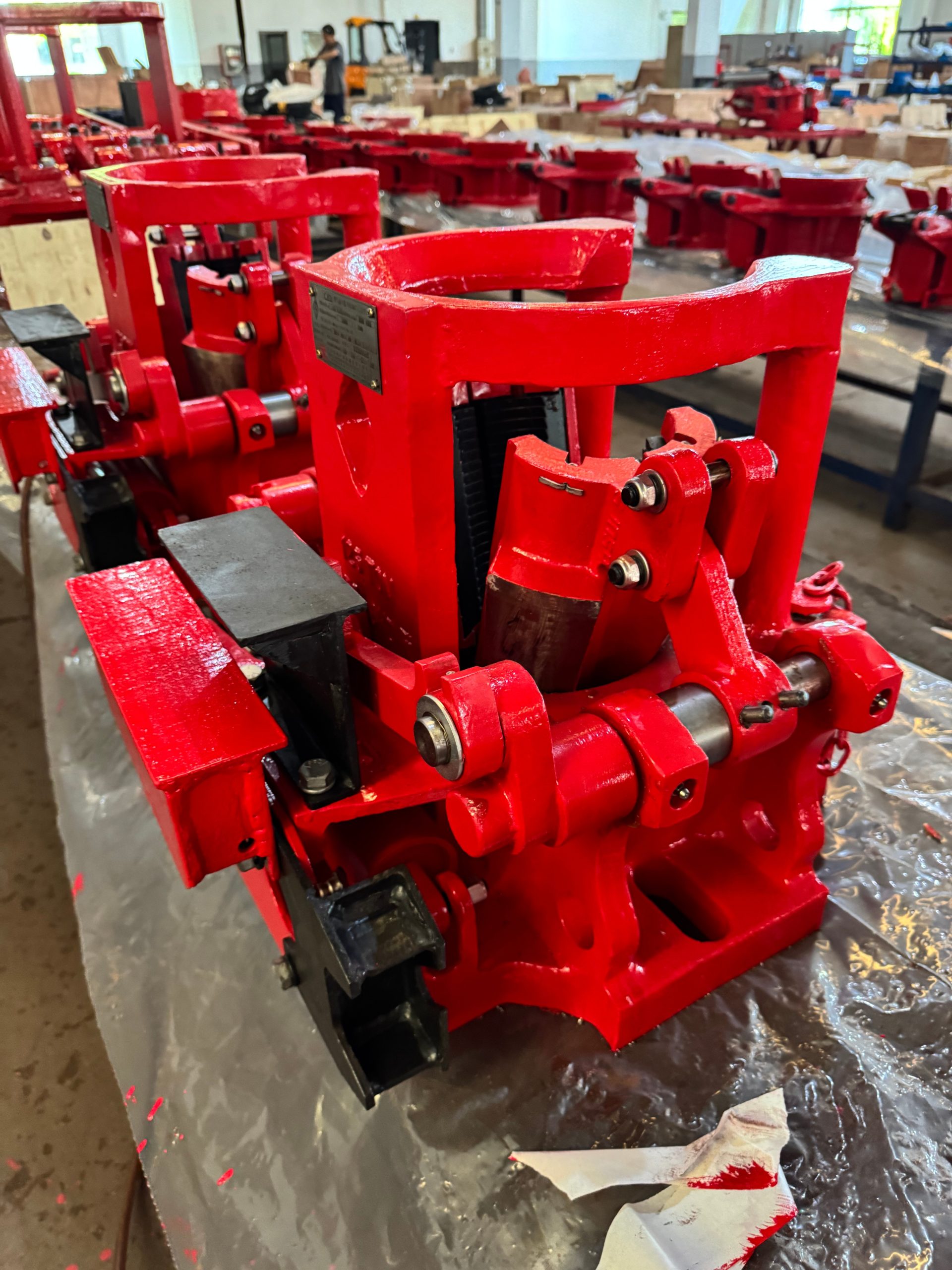
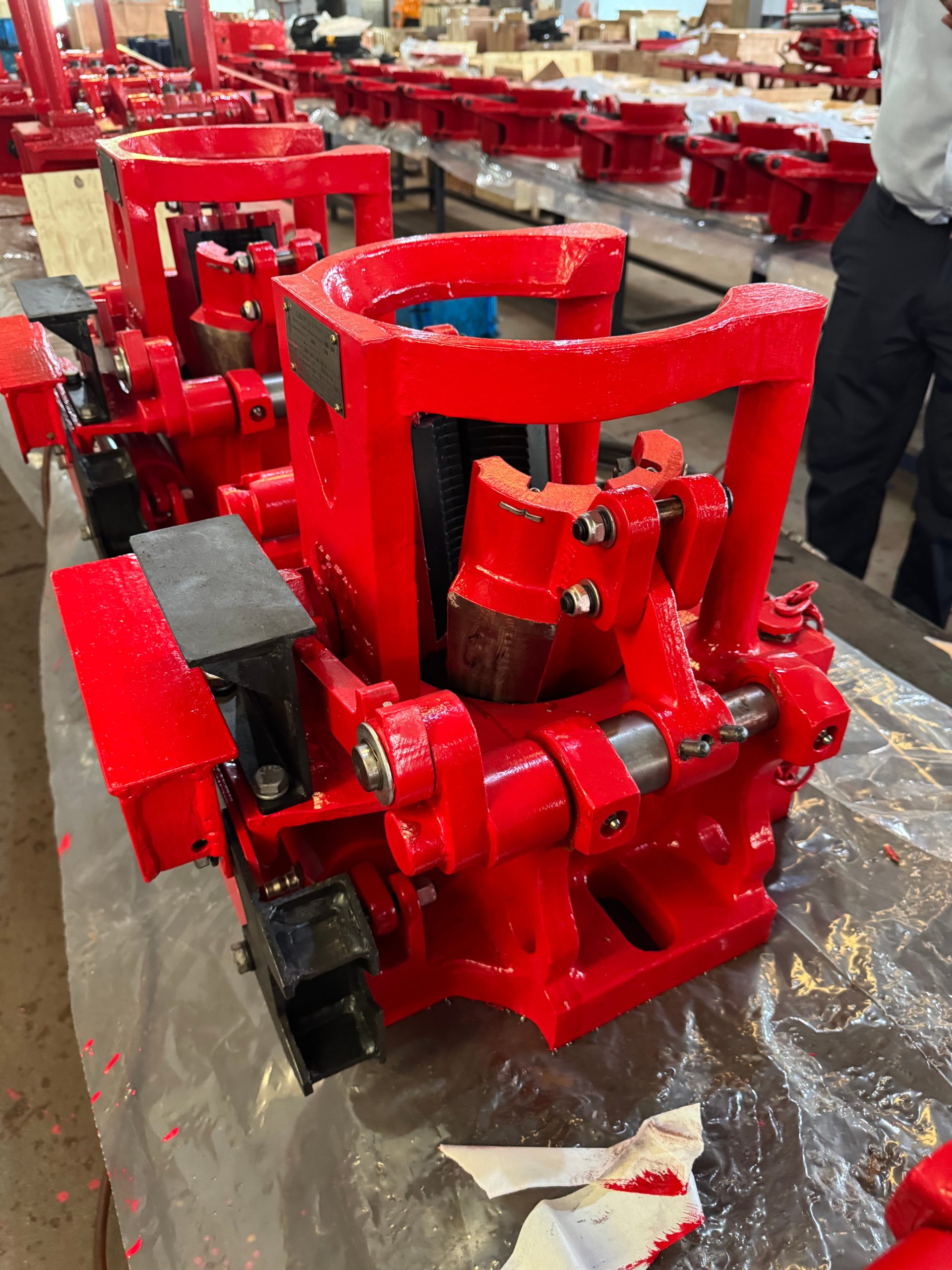
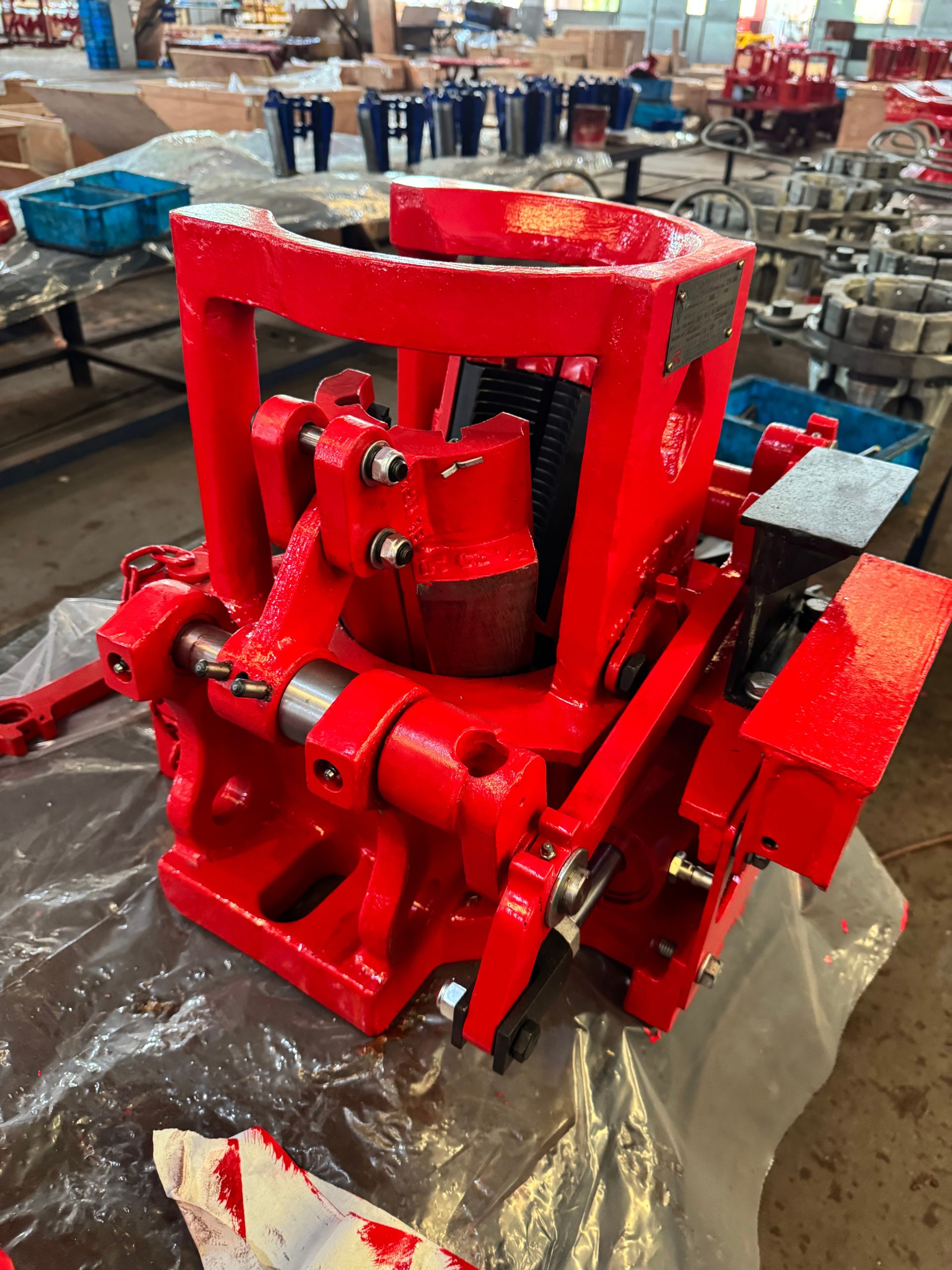
API 7K Pneumatic Spider for Petroleum Drilling, Workover and Well Servicing
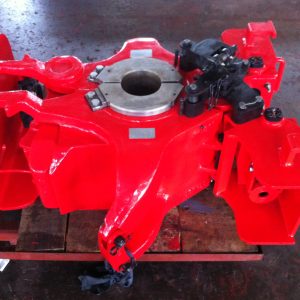
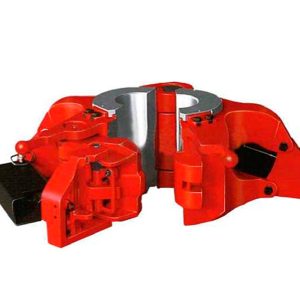
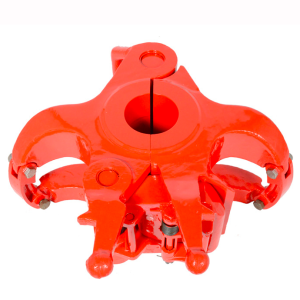
SGPE C / CHD / HD / E Pneumatic Spider for Oilfield Tubular Handling
The API 7K Pneumatic Spider from SGPE is a rig floor pipe gripping tool for petroleum drilling, oilfield workover and well servicing operations. Rig crews use it to grip, support and release drill pipe, tubing and casing around the well center during daily tubular handling work.
SGPE manufactures C, CHD, HD and E series pneumatic spiders according to the requirements of API Spec 7K Drilling and Well Servicing Equipment. Each model uses pneumatic control, a strong load-bearing body and matched slip body configurations. This structure helps crews move slips faster, support pipe strings more steadily and improve handling safety on the rig floor.
Compared with a traditional manual spider, an API 7K pneumatic spider reduces heavy manual work and improves pipe handling efficiency. Operators can shorten repeated handling cycles, keep slip movement more consistent and maintain smoother field work during drilling support, tubing service, casing handling and workover operations.
SGPE pneumatic spiders fit drilling rigs, workover rigs, service rigs, well servicing units and rig floor tubular handling systems. They support drill pipe handling, tubing running, tubing pulling, casing handling, pipe string support and oilfield maintenance work. For customers looking for a reliable API 7K pneumatic spider supplier, SGPE provides model selection support, OEM manufacturing, technical documentation, spare parts assistance and export delivery service.
Key Features of API 7K Pneumatic Spider
1. API 7K Manufacturing Standard
SGPE manufactures pneumatic spiders according to API Spec 7K requirements for drilling and well servicing equipment. This makes the spider suitable for petroleum drilling projects, workover rigs, service rigs and international well servicing operations.
A reliable rig floor spider must grip tubulars firmly, match the correct slip body and perform consistently through repeated pipe handling cycles. SGPE focuses on structural strength, machining accuracy, slip body matching and practical field performance.
2. Pneumatic, Manual and Hydraulic Operation
Different rigs use different control systems. SGPE pneumatic spiders can support pneumatic, manual and hydraulic operation modes according to rig layout and field requirements.
Pneumatic operation helps crews clamp and release tubulars quickly. Manual operation gives operators a backup option when the job requires direct control. Hydraulic operation can match rig systems that already use hydraulic power. This flexible design helps the spider work with drilling rigs, workover rigs, service rigs and well servicing units.
3. Secure Drill Pipe, Tubing and Casing Gripping
Stable pipe gripping is the main function of an oilfield spider. SGPE pneumatic spiders use matched slip bodies to grip drill pipe, tubing and casing during rig floor tubular handling. The correct slip body helps reduce pipe slippage and supports safer pipe string handling.
Crews can use the spider for drill pipe handling, tubing service, casing service and pipe string support. When the model, pipe OD and slip body match the job, the spider delivers dependable gripping performance in demanding petroleum field conditions.
4. Safer Rig Floor Operation
Rig floor work often involves repeated clamping, pipe support and tubular movement. A pneumatic spider reduces heavy manual handling during these tasks. Operators can move the slips quickly through pneumatic control, while crews work with less physical strain around the well center.
This advantage is especially useful for workover rigs and well servicing units, where crews may handle tubing and pipe strings many times during one job.
5. Heavy-Duty Alloy Steel Structure
SGPE uses durable alloy steel for the spider body and key load-bearing parts. This structure supports heavy loads, vibration, dust, mud, temperature changes and frequent field operation.
Oilfield tubular handling equipment must work reliably in harsh environments. SGPE builds pneumatic spiders with a strong load-bearing design, stable mechanical structure and practical maintenance access.
6. Efficient Tubular Handling Performance
Fast clamping and releasing improve operation speed during drill pipe handling, tubing running, tubing pulling, casing handling and pipe string support. Better handling efficiency can reduce unnecessary downtime and support smoother workover progress.
For oilfield contractors, a pneumatic spider can make repeated pipe handling work faster, safer and more consistent.
Petroleum Industry Applications
SGPE API 7K Pneumatic Spider supports oilfield tubular handling in petroleum drilling, workover and well servicing operations. Drilling contractors use it on drilling rigs for drill pipe handling, pipe string support and drilling support work. Workover service companies use it on service rigs for tubing running, tubing pulling, casing service and well maintenance tasks. Well servicing teams use it when they need dependable rig floor pipe gripping equipment.
The pneumatic spider grips and supports drill pipe, tubing and casing in different petroleum field conditions. It works in rig floor tubular handling, pipe string gripping, tubing handling, casing handling and oilfield maintenance work. During workover service, it reduces manual handling in repeated tubing operations. During drilling support work, it keeps pipe gripping stable around the well center. During casing service, it helps crews support tubulars while keeping the operation organized.
This product also fits oilfield equipment distributors and procurement companies that supply drilling tools, workover tools and well servicing equipment to petroleum projects. With C, CHD, HD and E pneumatic spider models available, customers can choose a suitable solution according to pipe size, rated capacity, rig layout and operation mode.
Main Technical Parameters for C / CHD / HD / E Pneumatic Spider
| Model | Tubular OD Range | Slip Body Specification | Rated Capacity |
|---|---|---|---|
| C | 1.315 in – 3-1/2 in | 3-1/2 in | 80 short tons |
| C | 3-1/2 in – 4-1/2 in | 4-1/2 in | 80 short tons |
| C | 4-3/4 in | 4-3/4 in Integral | 80 short tons |
| C | 5 in | 5 in Integral | 80 short tons |
| C | 5-1/2 in | 5-1/2 in Integral | 80 short tons |
| CHD | 1.315 in – 3-1/2 in | 3-1/2 in | 120 short tons |
| CHD | 3-1/2 in – 4-1/2 in | 4-1/2 in | 120 short tons |
| CHD | 4-3/4 in | 4-3/4 in Integral | 120 short tons |
| CHD | 5 in | 5 in Integral | 120 short tons |
| CHD | 5-1/2 in | 5-1/2 in Integral | 120 short tons |
| HD | 1.315 in – 3-1/2 in | 3-1/2 in | 125 short tons |
| HD | 3-1/2 in – 4-1/2 in | 4-1/2 in | 125 short tons |
| HD | 4-3/4 in | 4-3/4 in Integral | 125 short tons |
| HD | 5 in | 5 in Integral | 125 short tons |
| HD | 5-1/2 in | 5-1/2 in Integral | 125 short tons |
| E | 2-3/8 in – 3-1/2 in | 3-1/2 in | 175 short tons |
| E | 4 in – 5-1/2 in | 5-1/2 in | 175 short tons |
| E | 5-1/2 in – 7 in | 7 in | 175 short tons |
| E | 7-5/8 in | 7-5/8 in Integral | 175 short tons |
These technical parameters help customers compare model range, tubular OD range, slip body specification and rated capacity. Before placing an order, customers should confirm the actual pipe OD, pipe type, rig floor layout, load requirement and operation mode. SGPE engineers can review these details and recommend a suitable C, CHD, HD or E pneumatic spider for the project.
Need help selecting the right model? Send SGPE your tubular size, rated capacity, rig type and operating conditions. Our team can help you choose a suitable pneumatic spider for petroleum drilling, oilfield workover or well servicing operations.
How to Choose the Right Pneumatic Spider Model
Choosing the right pneumatic spider model improves safety, efficiency and long-term equipment performance. Customers should not select a model only by pipe size. They should also consider rated capacity, rig type, string weight, slip body specification, rig floor space and preferred control method.
C Pneumatic Spider
The C Pneumatic Spider suits general oilfield workover, tubing handling and light to medium rig floor tubular operations. It provides an 80 short ton rated capacity and covers several common tubular sizes through matched slip body configurations.
Customers who operate service rigs or need a practical pneumatic spider for routine workover jobs can consider the C model. It offers stable gripping performance and a simple operating structure for daily field use.
CHD Pneumatic Spider
The CHD Pneumatic Spider provides higher rated capacity for petroleum workover and well servicing operations. With a 120 short ton rated capacity, it suits customers who need stronger pipe support on workover rigs and service units.
This model can handle tubing, drill pipe and casing when the selected slip body matches the pipe OD. It works well for oilfield contractors that need stronger pipe gripping under more demanding tubular handling conditions.
HD Pneumatic Spider
The HD Pneumatic Spider supports heavier rig floor tubular handling applications. It provides a 125 short ton rated capacity and stable gripping performance for drill pipe, tubing and casing.
Customers can use this model for heavier drilling support work, workover service and petroleum field operations that require stronger pipe gripping. The HD model gives buyers a practical option when they need more capacity than the C model and stable performance for tougher working conditions.
E Pneumatic Spider
The E Pneumatic Spider offers a larger handling range and higher rated capacity. It provides a 175 short ton rated capacity and covers tubular sizes up to 7-5/8 in in standard configurations.
This model suits heavy-duty oilfield pipe handling, casing service, tubing service and drilling support operations. Customers who handle larger tubulars or require stronger support can consider the E pneumatic spider. SGPE can also discuss custom configurations when a project has special pipe size or rig layout requirements.
Selection Factors for Oilfield Projects
A suitable pneumatic spider should match the real working conditions of the rig. Before model selection, customers should check the tubular OD range, pipe type, rated capacity requirement, string weight, slip body specification and operation mode. They should also consider rig floor space, well servicing workflow and maintenance requirements.
For drilling contractors, stable pipe gripping and drill pipe handling compatibility usually matter most. For workover companies, tubing running efficiency and tubing pulling speed often influence equipment selection. For well servicing teams, easy operation, quick slip movement and practical maintenance can improve daily field work. For distributors, model range, spare parts availability and export support can affect purchasing decisions.
SGPE can review these details before quotation. This support helps customers avoid incorrect model selection and choose a pneumatic spider that fits the actual project instead of relying only on catalog specifications.
Quality, Manufacturing and Inspection
SGPE focuses on reliable manufacturing because oilfield pipe handling tools must perform safely in demanding environments. The company controls key manufacturing steps for pneumatic spiders, including material selection, structural machining, assembly and inspection.
The spider body and load-bearing parts use durable alloy steel. This material supports heavy loads, frequent operation and harsh field conditions. SGPE also checks the fit between the spider body and slip body configuration, because correct matching supports stable pipe gripping.
Before delivery, SGPE reviews the model, pipe size range, slip body specification and rated capacity according to customer requirements. For export projects, SGPE can provide technical documentation, product information and packing support. This helps drilling contractors, workover companies and oilfield distributors receive equipment that matches project needs.
For customers who require OEM manufacturing or custom pipe size configurations, SGPE can discuss drawings, technical details and project requirements before production. This support helps customers match the pneumatic spider with their rig system and operating conditions.
Custom Pneumatic Spider and OEM Support
Different oilfield projects often require different pipe sizes, rig layouts and operation methods. SGPE provides custom support for customers who need special pneumatic spider configurations.
Customers can request custom pipe size configurations, OEM manufacturing, technical drawings and project-based solutions. They can also provide information about tubular OD, pipe type, rated capacity, string weight, rig floor space, preferred operation mode and destination market. With these details, SGPE can review the requirement and recommend a suitable configuration.
This custom support helps oilfield contractors and equipment distributors reduce selection risk. It also helps customers match the pneumatic spider with real field requirements instead of choosing a model only from general specifications.
SGPE supports customers who need API 7K pneumatic spiders for petroleum drilling, workover service, well servicing, tubing handling, casing handling and drill pipe handling projects. The company can also assist with spare parts discussion and long-term supply planning.
Why Choose SGPE API 7K Pneumatic Spider
SGPE develops pneumatic spiders for drilling rigs, workover rigs, well servicing units and rig floor tubular handling systems. The product structure, control options and slip body configurations focus on real field use, not only catalog specifications.
SGPE manufactures pneumatic spiders according to API Spec 7K requirements for drilling and well servicing equipment. This helps customers source a dependable oilfield pipe gripping tool for international petroleum projects.
The spider body and load-bearing parts use durable alloy steel to support tough rig floor conditions, frequent operation and demanding tubular handling work. The pneumatic control system helps crews move the slips quickly and keep pipe handling work consistent during drill pipe handling, tubing running, tubing pulling, casing handling and oilfield workover service.
SGPE offers C, CHD, HD and E pneumatic spiders for different pipe sizes, rated capacities and field conditions. The company also supports custom pipe size configurations, OEM manufacturing, technical documents, model selection support, spare parts assistance, export packaging and delivery support for oilfield contractors and equipment distributors worldwide.
Field Application Support
SGPE pneumatic spiders work in petroleum field environments where safe and efficient tubular handling matters. In oilfield workover operations, the pneumatic control system helps crews reduce heavy manual handling and improve rig floor efficiency. During tubing service, the spider supports tubing running, tubing pulling and pipe string handling. During casing service, it helps crews grip and support casing while maintaining smooth operation around the well center.
Oilfield crews can use the pneumatic spider together with other rig floor handling tools during drilling support, workover service and well servicing tasks. With the correct model and slip body, the equipment can support different pipe programs and field conditions.
For better site structure and internal SEO, this page can also connect naturally with related SGPE oilfield handling tools, such as manual spiders, casing spiders, tubing elevators, manual tongs, power tongs, rotary slips and elevator links.
SGPE also helps customers with model selection, slip body selection, spare parts discussion, operation guidance and project-based customization.
Maintenance and Spare Parts Support
Regular inspection and proper maintenance help a pneumatic spider perform more reliably in the field. Crews should check the slip bodies, gripping surfaces, moving parts and control components according to the operation schedule. They should also keep the equipment clean and protect key parts from heavy dirt, mud and corrosion.
Before each job, operators should confirm that the selected slip body matches the pipe OD. They should also check the operation mode, air supply condition and basic movement of the slips. These steps reduce operation problems and support safer pipe handling.
SGPE can support customers with slip body selection, spare parts discussion, technical documents and maintenance recommendations. When customers plan long-term field use, they can discuss spare parts packages with SGPE before shipment. This helps reduce downtime and supports smoother equipment operation during petroleum drilling, workover and well servicing projects.
Global Supply for Petroleum Projects
SGPE supplies API 7K pneumatic spiders and other oilfield tools for petroleum drilling, workover and well servicing projects worldwide. The company supports customers in the Middle East, North America, Central Asia, Southeast Asia and other petroleum drilling and workover markets.
With experience in international oilfield supply, SGPE provides OEM manufacturing, technical documentation, export packaging and international delivery support. The company works with drilling contractors, workover companies, well servicing teams and oilfield equipment distributors that need reliable rig floor tubular handling equipment.
E-Mail:
info@sgpe.com
FAQ About API 7K Pneumatic Spider
1. What is an API 7K Pneumatic Spider?
An API 7K Pneumatic Spider is an oilfield tubular handling tool for petroleum drilling, workover and well servicing operations. Rig crews use it to grip, support and release drill pipe, tubing and casing on the rig floor.
Unlike a traditional manual spider, a pneumatic spider uses air control to move the slips faster and with less manual effort. This improves pipe handling efficiency and creates safer working conditions around the well center.
SGPE manufactures C, CHD, HD and E pneumatic spiders for drilling contractors, workover service companies, well servicing teams and oilfield equipment distributors.
2. What oilfield operations need a pneumatic spider?
Oilfield crews use a pneumatic spider for drilling rigs, workover rigs and well servicing units. It supports drill pipe handling, tubing running, tubing pulling, casing handling and pipe string support.
During workover service, the spider helps crews grip and release tubulars quickly. During well servicing, it reduces heavy manual work around the rig floor. In drilling support operations, it provides stable pipe gripping for different tubular handling jobs.
A pneumatic spider suits petroleum projects that require safer, faster and more consistent pipe handling.
3. What pipe sizes can SGPE API 7K Pneumatic Spiders handle?
SGPE C, CHD, HD and E pneumatic spiders cover different tubular sizes according to the model and slip body configuration. Standard configurations cover tubular OD ranges from 1.315 in to 7-5/8 in.
Different slip bodies help the spider match drill pipe, tubing and casing sizes used in petroleum drilling and workover operations. For special projects, SGPE can discuss custom pipe size configurations according to rig layout, tubular size and load requirement.
Customers can send the pipe OD, pipe type, rated capacity and operating condition to SGPE for model selection support.
4. How do I choose between C, CHD, HD and E Pneumatic Spider models?
The best model depends on pipe size, rated capacity, rig type and operating conditions. The C Pneumatic Spider suits general oilfield workover and light to medium tubular handling. The CHD Pneumatic Spider offers higher capacity for workover rigs and well servicing units.
The HD Pneumatic Spider works well for heavier drilling support and tubular handling jobs. The E Pneumatic Spider provides a larger handling range and higher rated capacity for heavier petroleum field operations.
Before selection, customers should confirm tubular OD, pipe type, load requirement, available rig floor space and preferred operation mode. Then SGPE can recommend a suitable API 7K pneumatic spider model.
5. What rated capacities are available?
SGPE provides several rated capacity options for different oilfield tubular handling needs. The C Pneumatic Spider has an 80 short ton rated capacity. The CHD Pneumatic Spider has a 120 short ton rated capacity. The HD Pneumatic Spider has a 125 short ton rated capacity. The E Pneumatic Spider has a 175 short ton rated capacity.
These capacity options help customers choose suitable pipe gripping equipment for drilling rigs, workover rigs and well servicing units. For safe selection, customers should match the spider capacity with pipe size, string weight, rig condition and operating requirement.
6. Can the pneumatic spider handle drill pipe, tubing and casing?
Yes. SGPE API 7K pneumatic spiders can handle drill pipe, tubing and casing when the selected model and slip body match the tubular size.
In petroleum drilling operations, crews use the spider for drill pipe handling and pipe string support. In workover operations, crews use it for tubing running, tubing pulling and well service pipe handling. In casing service, the spider helps grip and support casing during rig floor tubular handling tasks.
Because different pipe sizes require different slip bodies, SGPE recommends checking tubular OD and application before confirming the final model.
7. What operation modes does the SGPE Pneumatic Spider support?
SGPE pneumatic spiders can support pneumatic, manual and hydraulic operation modes according to rig configuration and field requirements.
Pneumatic operation helps crews clamp and release tubulars quickly. Manual operation gives operators a backup option when field conditions require simple control. Hydraulic operation can fit rig systems that already use hydraulic power.
This flexible design helps customers adapt the spider to different petroleum drilling rigs, workover rigs and well servicing units.
8. How does a pneumatic spider improve workover efficiency?
A pneumatic spider improves workover efficiency by reducing the time and effort crews need for pipe gripping tasks. Instead of relying mainly on heavy manual operation, crews can use pneumatic control to handle drill pipe, tubing or casing more quickly.
This shortens pipe handling time during tubing running, tubing pulling, casing service and general well servicing work. It also helps crews maintain a smoother workflow on the rig floor.
For oilfield contractors, better handling efficiency can reduce downtime, improve workover progress and support safer daily operation.
9. Why choose an API 7K Pneumatic Spider instead of a manual spider?
A manual spider can work for some basic pipe handling jobs. However, an API 7K pneumatic spider offers better efficiency for modern petroleum drilling, workover and well servicing operations.
The pneumatic control system reduces heavy manual effort. It also helps crews operate the slips more quickly and consistently. In busy rig floor environments, this can improve safety and productivity.
For contractors that handle tubing, casing or drill pipe frequently, a pneumatic spider often provides a better long-term solution than a traditional manual spider.
10. Does SGPE provide custom Pneumatic Spider configurations?
Yes. SGPE provides custom support for customers who need special pipe size configurations, OEM manufacturing, technical drawings or project-based solutions.
Oilfield projects often have different rig layouts, tubular sizes and load requirements. Customers can send SGPE their pipe OD, rated capacity, operation mode, rig type and working environment. SGPE engineers can review the requirement and suggest a suitable pneumatic spider configuration.
This customization support helps drilling contractors, workover companies and oilfield equipment distributors match the spider with real field conditions.
11. What information should I provide when requesting a quotation?
To receive an accurate quotation for an API 7K Pneumatic Spider, customers should provide tubular OD range, pipe type, required rated capacity, rig type, operation mode, quantity and destination port.
If the customer needs OEM service, spare parts, export packaging or technical documents, the inquiry should also mention these requirements. With this information, SGPE can recommend the right C, CHD, HD or E pneumatic spider model and provide a more accurate price, delivery plan and technical proposal.
12. Does SGPE supply spare parts and technical support?
Yes. SGPE supports customers with model selection, technical documents, operation guidance, spare parts assistance and export delivery support.
For pneumatic spider projects, common support may include slip body selection, replacement part discussion, installation guidance and maintenance suggestions. This support helps customers operate the equipment more smoothly during petroleum drilling, workover and well servicing operations.
SGPE also works with oilfield contractors, equipment distributors and service companies in the Middle East, North America, Central Asia, Southeast Asia and other petroleum markets.
Request a Quote Today
Are you looking for a reliable API 7K Pneumatic Spider supplier for petroleum drilling, oilfield workover or well servicing operations?
Contact SGPE today to receive the latest product pricing, detailed technical specifications, professional model selection support, custom manufacturing options and delivery schedule information. Our engineering team can help you choose the right pneumatic spider according to your tubular size, rated capacity, rig type and operating conditions.
Send us your inquiry now, and SGPE will provide a suitable solution for your oilfield operation.
E-Mail:
info@sgpe.com