Description
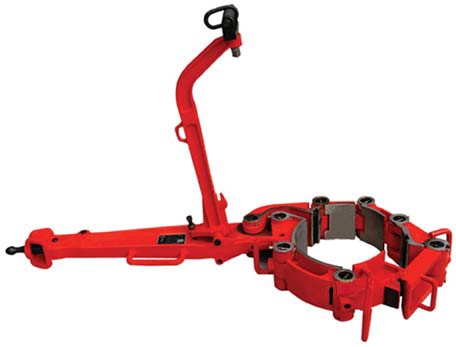
API Spec 7K Casing Manual Tong
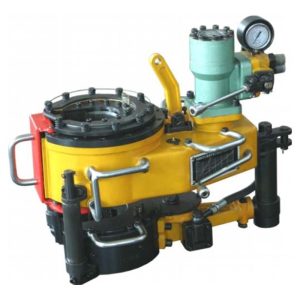
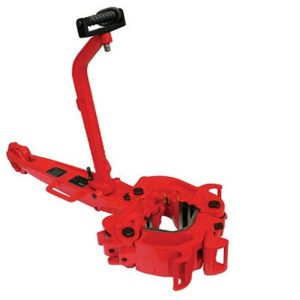
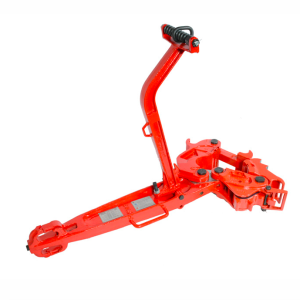
SGPE Casing Manual Tong is an API Spec 7K oilfield manual tong for casing make-up, casing break-out, casing coupling tightening, and rig-floor tubular handling. Drilling crews use this casing connection tool during petroleum drilling, casing running, workover, and well service operations when they need firm grip, smooth torque transfer, and reliable control over threaded connections.
This 4# manual casing tong fits 13-3/8 inch casing and comes with 340 mm and 365 mm jaw size options. It provides 8 kN·m rated torque and suits onshore drilling rigs, casing running jobs, oilfield maintenance sites, and petroleum well service projects that require simple operation, stable handling, and durable field performance.
For buyers searching for a casing tong for sale, API Spec 7K casing tong, manual casing tong supplier, or oilfield casing tong manufacturer, SGPE provides model selection support according to casing size, jaw range, torque requirement, connection type, and working condition.
Manual Casing Tong for Petroleum Drilling and Casing Running
Casing connection work requires steady control on the rig floor. During casing running, crews need to tighten or loosen casing threads and casing coupling connections without losing grip or damaging the threads. A suitable casing manual tong gives operators the leverage, grip, and handling control needed for safe casing make-up and break-out.
SGPE designs this Casing Manual Tong for daily oilfield use. Crews can use it for casing handling on drilling rigs, workover sites, well service projects, oilfield maintenance jobs, and tubular connection work. Its manual structure makes it a practical choice when the job does not require hydraulic power tong equipment.
This oilfield casing tong also fits the needs of drilling contractors, oilfield service companies, equipment rental providers, and petroleum equipment distributors. For applicable manual tong models, SGPE follows API Spec 7K manufacturing requirements to support consistent quality, field suitability, and dependable operation in demanding petroleum environments.
Product Features
Strong Grip for Casing Connections
SGPE designs this casing manual tong to hold casing bodies and casing couplings firmly during make-up and break-out. A stable grip reduces slipping, improves rig-floor control, and gives crews better confidence when handling casing connection work during petroleum drilling operations.
Oilfield sites often expose tools to mud, oil, drilling fluid, and repeated handling. Because of this, a manual tong for casing connections must keep steady contact with the casing surface during operation. This casing handling tong helps crews control casing movement and complete threaded connection work more smoothly.
Smooth Torque Transfer
A good manual casing tong must transfer torque steadily during thread tightening and loosening. This oilfield casing tong allows crews to apply torque more smoothly during casing coupling work, casing running, and well service operations.
Smooth torque transfer can reduce slipping, thread damage, and rig-floor delays. With the correct jaw size and proper operating method, this manual tong supports more efficient casing make-up and break-out in daily oilfield work.
Built for Petroleum Field Conditions
Oilfield tools often face mud, drilling fluid, impact, heavy loads, and rough handling. SGPE uses a robust structural design to support daily rig-floor use in oil and gas drilling, workover, and petroleum well servicing environments.
Petroleum drilling work requires field-ready tools that can handle frequent operation and demanding working conditions. This casing handling tong gives crews a strong and simple solution for drilling rigs, casing running operations, well service projects, and oilfield maintenance work.
API Spec 7K Manufacturing Control
SGPE builds applicable manual tong models in accordance with API Spec 7K requirements. This manufacturing control supports product consistency, field suitability, and safer operation for petroleum drilling and casing handling applications.
For many oilfield buyers, API Spec 7K is an important reference when choosing manual tongs, casing tongs, tubing tongs, and other rig-floor tools. SGPE provides clear technical communication to help customers select the right manual casing tong for their project.
Practical Manual Operation
The manual structure makes the tong easy to operate, inspect, transport, and maintain on drilling rigs and workover sites. It gives crews a cost-effective casing connection tool when the field job does not need hydraulic power equipment.
Manual operation also makes the tool useful for oilfield maintenance, small workover jobs, equipment rental service, and backup use on drilling sites. Crews can check key parts quickly and keep the tong ready for casing connection work with routine maintenance.
Long-Term Oilfield Use
A durable casing handling tong can reduce replacement frequency and lower operating costs over time. With regular inspection and proper maintenance, this manual tong can support casing make-up, break-out, and well service work for a long service life.
For drilling contractors and oilfield service companies, tool durability affects safety, job efficiency, and operating cost. A well-selected manual casing tong reduces unnecessary interruptions and keeps casing work moving during petroleum field operations.
Applications
SGPE Casing Manual Tong serves petroleum field operations where crews need to make up, break out, or control casing and casing coupling connections. It works for oil and gas drilling rigs, petroleum casing running jobs, casing coupling make-up and break-out, and onshore oilfield drilling projects.
Crews can also use this oilfield casing tong for workover rig operations, well service projects, production well maintenance, and rig-floor casing handling. In daily field work, it supports tubular connection jobs, drilling contractor projects, oilfield equipment rental service, maintenance and repair tasks, and petroleum well servicing operations.
With firm gripping performance and practical manual control, this casing connection tool supports both routine and heavy-duty casing work in petroleum drilling, workover, and well service environments.
Oil and Gas Drilling Rig Operations
During oil and gas drilling, crews need tools that allow safe and efficient control over casing connections. This manual casing tong supports rig-floor casing work, especially when crews need a simple tool for casing make-up, casing break-out, and casing coupling tightening.
Petroleum Casing Running Jobs
Casing running requires steady control over casing bodies and casing couplings. SGPE Casing Manual Tong allows crews to grip casing, manage torque, and support casing thread work during onshore casing running operations.
Workover and Well Service Projects
Workover and well service jobs often include maintenance, repair, and tubular handling tasks. This oilfield casing tong gives crews direct manual control during casing connection work in petroleum well service environments.
Oilfield Equipment Rental and Service
Oilfield equipment rental companies need durable and easy-to-maintain tools for different field customers. A manual casing tong with simple operation and stable gripping performance can meet many routine casing handling requirements.
Main Technical Parameters for Casing Manual Tong
| Item | Specification |
|---|---|
| Product Name | Casing Manual Tong |
| Product Type | Manual Casing Tong / Oilfield Casing Tong |
| No. of Latch Lug | 4# |
| Jaw Size Range | 13-3/8 in |
| Size Range | 340 mm, 365 mm |
| Rated Torque | 8 kN·m |
| Operation Type | Manual Operation |
| Applicable Pipe | Casing / Casing Coupling |
| Standard | API Spec 7K |
| Application | Petroleum drilling, casing running, workover, and oilfield well service operations |
The correct jaw size and torque rating help the tong match casing connection requirements and reduce operating risks during field use. SGPE can recommend a suitable jaw configuration and manual casing tong model according to casing size, casing coupling size, connection type, torque requirement, and working condition.
What Is a Casing Manual Tong?
A casing manual tong is a hand-operated oilfield tool for tightening and loosening casing threads and casing coupling connections. In petroleum drilling and well service operations, crews use it to apply torque, hold casing securely, and control the make-up or break-out process on the rig floor.
Manual casing tongs remain widely used because they offer simple operation, easy maintenance, and practical field value. Buyers often search for this product with terms such as casing tong, manual casing tong, oilfield casing tong, casing coupling tong, casing running tong, API 7K casing tong, API Spec 7K manual tong, and manual tong for casing connections.
Unlike a hydraulic power tong, a casing manual tong does not rely on hydraulic power. Crews operate it by hand, so the tool works well when portability, simple maintenance, and direct manual control matter. It can also serve as a backup tool for drilling rigs, workover crews, and oilfield service teams.
How a Manual Casing Tong Supports Rig-Floor Work
Rig-floor casing work requires control, coordination, and correct tool selection. When crews make up or break out casing connections, they need to hold the casing firmly and apply torque in a controlled way. A manual casing tong supports this process by gripping the casing and allowing controlled rotation during thread work.
The tool becomes especially useful when crews need direct manual control. In many petroleum field operations, a simple mechanical tool can save time because crews can inspect it quickly, move it easily, and maintain it without complex hydraulic systems. This practical value makes manual casing tongs common in oil drilling, casing running, well service, workover, and oilfield maintenance applications.
For better performance, buyers should match the tong model with the casing outside diameter, casing coupling size, jaw range, and torque requirement. Crews should also check jaw condition before use and follow safe oilfield operating procedures during casing make-up and break-out.
Benefits of Using a High-Quality Casing Manual Tong
A high-quality casing manual tong does more than hold pipe. It allows crews to grip casing securely during make-up and break-out, control casing and coupling connections more steadily, and reduce slipping during oilfield tubular handling. Better grip and smoother torque transfer also help protect threaded connections and support safer rig-floor operation.
For drilling, workover, and well service crews, a well-made manual tong offers practical operation, simple inspection, and easier maintenance. It can also reduce downtime caused by unsuitable or worn tools, which brings long-term value to drilling contractors, oilfield service companies, and equipment rental providers.
When buyers compare casing tongs for sale, they usually check casing size range, rated torque, API Spec 7K standard, jaw configuration, ease of operation, and field durability. SGPE designs and supplies manual casing tongs with these oilfield requirements in mind.
A suitable manual casing tong can also improve field efficiency. When crews select the correct tong and jaw configuration, they can complete casing connection work with fewer interruptions. This improves daily workflow during petroleum drilling, casing running, well servicing, and oilfield maintenance tasks.
How to Select the Right Manual Casing Tong
Choosing the correct manual casing tong is important for safe and efficient oilfield operation. Before placing an order, buyers should confirm the casing outside diameter, casing coupling size, required jaw size range, rated torque, latch lug number, working environment, and applicable standard.
Buyers should also consider whether the tong will serve petroleum drilling, casing running, workover, or well service operations. Replacement jaw needs, matching jaw configuration, order quantity, and destination country can affect model selection, quotation, and delivery arrangement.
The first selection point is casing size. Buyers should confirm whether the required tong must handle 13-3/8 inch casing or another casing size. The second point is casing coupling size because the coupling can affect jaw selection and field operation. The third point is rated torque. A tong with the correct torque rating helps crews work more safely and efficiently.
Buyers should also check the working environment. Drilling rigs, workover sites, well service projects, and equipment rental operations may require different levels of durability and handling convenience. API Spec 7K requirements, delivery schedule, and export documentation may also influence the final purchase decision.
If you are not sure which casing manual tong fits your petroleum drilling project, SGPE can recommend a suitable model according to your casing size, torque requirement, jaw configuration, and field working condition.
Maintenance Tips for Casing Manual Tong
Regular maintenance helps a casing manual tong perform reliably in petroleum drilling and well service operations. Crews should inspect the jaws, pins, hinges, latch parts, gripping surfaces, and other key components before field use. If the tong shows obvious wear or damage, crews should repair or replace the affected parts before operation.
After field work, crews should clean mud, oil, drilling fluid, and debris from the tong. Clean tools are easier to inspect and maintain. Regular cleaning also helps extend service life and keeps the gripping surfaces ready for the next casing connection job.
Operators should store the tong in a suitable place when they do not use it. Proper storage reduces corrosion risk and prevents unnecessary damage during transport or rig-site handling. With simple inspection, cleaning, and storage, oilfield crews can keep the manual casing tong in better working condition for long-term use.
Why Oilfield Customers Choose SGPE
SGPE supplies oilfield equipment for petroleum drilling, casing running, workover, well service, and oilfield maintenance applications. We understand that drilling contractors, oilfield service companies, equipment distributors, and rental service providers need stable product quality, clear technical communication, and dependable export support.
SGPE provides oilfield-focused product supply and builds applicable manual tong models under API Spec 7K manufacturing control. Our team can help customers choose the right casing manual tong based on casing size, torque requirement, jaw configuration, and working condition.
International oilfield buyers often need more than a product price. They also need clear model information, accurate technical communication, suitable packing, and dependable export service. SGPE confirms product requirements before quotation and helps customers choose suitable manual casing tong models for their field conditions.
For distributors and equipment rental companies, stable supply and clear product information are important. SGPE supports long-term cooperation with practical communication, model selection support, and oilfield equipment supply experience.
If your company needs a trusted casing manual tong manufacturer or a reliable manual casing tong supplier, SGPE can support your petroleum drilling project with suitable oilfield solutions and responsive service.
Frequently Asked Questions About Casing Manual Tong
1. What is a Casing Manual Tong?
A Casing Manual Tong is a hand-operated oilfield tool for tightening and loosening casing threads and casing coupling connections. Drilling crews use it during petroleum drilling, casing running, workover, and well service operations. It allows crews to grip casing securely, control torque by hand, and complete casing make-up and break-out work on the rig floor.
2. What is a Casing Manual Tong used for?
Oilfield crews use a casing manual tong for casing make-up, casing break-out, casing coupling tightening, and rig-floor casing handling. It works as a practical manual tong for casing connection work in oil and gas drilling operations. It also supports petroleum well service jobs where crews need simple operation, strong gripping force, and stable control.
3. What casing size does this SGPE Casing Manual Tong handle?
This SGPE 4# Casing Manual Tong handles 13-3/8 inch casing. It comes with 340 mm and 365 mm jaw size options and provides 8 kN·m rated torque. Therefore, it fits oilfield applications that require a manual casing tong for 13-3/8 inch casing running, casing coupling make-up, and petroleum drilling rig operations.
4. What is the difference between a manual tong and a power tong?
A manual tong uses hand operation, while a power tong uses hydraulic or mechanical power. Manual casing tongs suit field jobs that need simple handling, easy transport, low maintenance, and cost-effective casing connection control. Hydraulic power tongs work better for high-efficiency operations that require faster rotation and more consistent torque output.
5. Why do oilfield crews still use manual casing tongs?
Many drilling crews still use manual casing tongs because they are simple, durable, and easy to maintain. They work well in petroleum field conditions where crews need a practical tool for casing handling without complex power equipment. A manual casing tong can also support drilling rigs, workover sites, well service operations, and oilfield maintenance jobs.
6. Does SGPE Casing Manual Tong meet API standards?
SGPE manufactures applicable casing manual tong models according to API Spec 7K requirements. This API Spec 7K manufacturing control helps improve product consistency, field suitability, and operational safety. As a result, buyers can use SGPE manual casing tongs for petroleum drilling, casing running, and oilfield well service applications with greater confidence.
7. Why does rated torque matter when choosing a manual casing tong?
Rated torque shows the torque range that the manual casing tong can handle during operation. A correct torque rating helps crews tighten or loosen casing connections more safely and efficiently. It also reduces slipping, improves casing thread control, and supports better performance during casing make-up and break-out work.
8. How do I choose the right Casing Manual Tong?
You should check casing size, casing coupling size, jaw size range, rated torque, latch lug number, API Spec 7K requirement, and field application. You should also consider whether the tool will work on a drilling rig, workover site, casing running job, or well service project. SGPE can recommend a suitable manual casing tong based on your casing size, torque requirement, and petroleum working condition.
9. Can a manual casing tong help reduce thread damage?
Yes. A properly selected manual casing tong grips the casing more securely and gives crews better control during torque application. This helps reduce slipping and protects casing threads during make-up and break-out. For better results, crews should choose the correct jaw size, inspect the tong regularly, and follow safe oilfield operating procedures.
10. How should crews maintain a Casing Manual Tong?
Crews should inspect the jaws, pins, hinges, latch parts, gripping surfaces, and other key components before use. They should also clean mud, oil, and drilling fluid from the tong after field operation. Regular inspection and simple maintenance help extend service life, improve gripping performance, and keep the manual casing tong ready for oilfield drilling and well service work.
11. What oilfield operations use casing manual tongs?
Casing manual tongs are widely used in petroleum drilling, casing running, casing coupling make-up and break-out, workover operations, well servicing, rig-floor tubular handling, and production well maintenance. Drilling contractors, oilfield service companies, equipment rental companies, and oilfield distributors often use manual casing tongs for daily casing connection work.
12. Can SGPE supply a manual casing tong based on my required casing size?
Yes. SGPE can help select a suitable casing manual tong according to your casing size, casing coupling size, jaw range, torque requirement, and oilfield application. You can send your technical details, quantity, and destination country. Then SGPE can provide a practical model recommendation and quotation for your petroleum drilling or well service project.
Request a Quote
Need a Casing Manual Tong for your petroleum drilling, casing running, or well service project?
SGPE supplies API Spec 7K casing manual tongs for oilfield drilling rigs, workover sites, casing coupling operations, and petroleum well service applications. Our team can recommend a suitable jaw configuration and manual tong model according to your casing size, torque requirement, and working condition.
To help us recommend the right Casing Manual Tong, please tell us your required casing size and casing coupling size if applicable. You can also share the required torque, working condition, order quantity, destination country, and any special technical requirements.
E-Mail:
info@sgpe.com