Description
Hydraulic Make-up/Break-out Unit | Hydraulic Bucking Unit for Oilfield Thread Joints
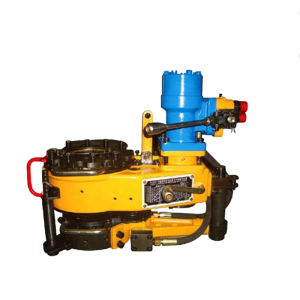
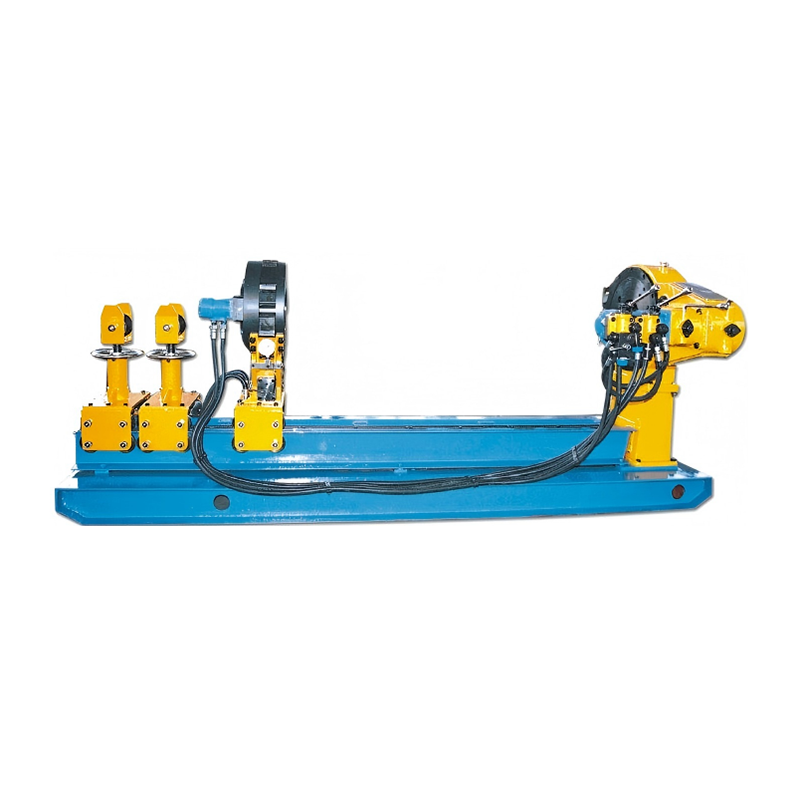
SGPE Hydraulic Make-up/Break-out Unit, also called a Hydraulic Bucking Unit, is designed for oilfield threaded connection make-up and break-out. It helps service crews tighten, loosen, assemble and repair tubing, sucker rods, downhole pumps, downhole tools, casing-related tools, couplings and other threaded petroleum components with controlled hydraulic torque.
Thread quality plays an important role in drilling support, workover service, well servicing and oilfield repair. A loose connection may lead to leakage, tool failure or downtime. Excessive torque may damage threads and shorten tool service life. Used tools may also return from the field with tight joints, oil, mud, rust or scale, which makes manual disassembly slow and unsafe.
This hydraulic make-up and break-out unit gives operators strong gripping force, smooth rotation and more consistent torque control. The machine clamps the workpiece, holds it steady and applies hydraulic torque for tightening or loosening threaded joints. As a result, service teams can reduce manual labor, protect thread surfaces and improve daily workshop productivity.
The unit is suitable for oilfield repair shops, tubing maintenance workshops, downhole pump service centers, sucker rod service facilities, drilling tool yards, workover support bases and oilfield tubular service facilities. SGPE offers YNJ160/15, YNJ200/15, YNJ205/16 and YNJ90/2 models to match different tool sizes, torque requirements, hydraulic flow rates and workshop layouts.
For customers who need higher make-up accuracy, SGPE can provide an optional automatic torque control system according to project requirements.
Product Overview
A Hydraulic Make-up/Break-out Unit is a hydraulic machine for tightening and loosening threaded joints on oilfield tubulars and petroleum tools. Buyers may also search for this equipment as a hydraulic bucking unit, hydraulic breakout machine, hydraulic make-up machine, tubing make-up machine, oilfield torque machine or oilfield thread joint machine.
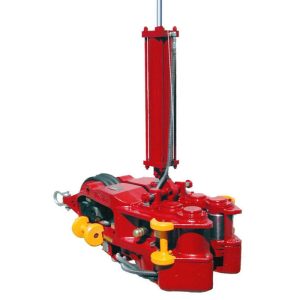
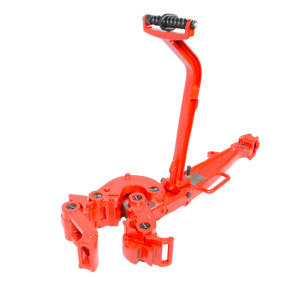
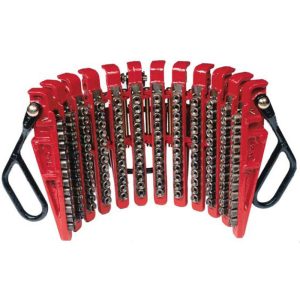
The unit normally includes a head tong, a backup tong, a hydraulic drive system and control components. The head tong applies rotation torque, while the backup tong holds the workpiece and prevents unwanted movement. The hydraulic system drives clamping, releasing, rotation and backup tong movement.
Compared with manual thread handling, this machine gives operators better control during high-torque jobs. It also helps reduce direct manual force and improves safety during repeated oilfield repair work. For service shops that handle tubing, sucker rods, downhole pumps and threaded tools every day, this equipment can improve both work efficiency and connection quality.
SGPE Hydraulic Make-up/Break-out Unit supports assembly, disassembly, inspection preparation and repair work for tubing strings, rod tools, pump components, downhole tools, casing accessories and other threaded oilfield parts.
Key Oilfield Applications
Petroleum Drilling Tool Maintenance
Drilling support bases use the unit to inspect, clean, repair and reassemble threaded oilfield tools before they return to the rig. Controlled hydraulic torque helps operators open and tighten joints while reducing thread damage during repeated service cycles.
Oilfield Workover Service
Workover crews often handle tubing, sucker rods, pumps and downhole tools before and after well intervention jobs. SGPE Hydraulic Make-up/Break-out Unit helps crews prepare tools faster, repair used components and keep service equipment ready for the next field operation.
Well Servicing Support
Well servicing companies handle downhole pumps, tubing strings, sucker rods and threaded tools in daily maintenance work. This hydraulic breakout machine supports assembly and disassembly in well service shops, repair yards and maintenance centers with less physical effort.
Tubing Thread Make-up and Break-out
Tubing connections must hold reliably during oil and gas production, workover and well servicing. SGPE Hydraulic Make-up/Break-out Unit handles tubing thread make-up and break-out within its rated size range. Service shops can use it for tubing repair, tubing preparation and tubular maintenance.
Sucker Rod Service
Sucker rods work in artificial lift systems, and their threaded connections affect pumping performance, service life and well uptime. SGPE Hydraulic Make-up/Break-out Unit supports sucker rod service when the selected model matches the rod size and torque requirement.
Downhole Pump and Downhole Tool Repair
Downhole pumps and tools often return from wells with tight joints, oil, scale, rust or worn thread areas. SGPE hydraulic bucking unit gives repair crews the gripping force and torque control needed to break out components, inspect internal parts, replace worn parts and make up repaired tools again.
Casing-Related Thread Joint Handling
Some SGPE models handle larger threaded oilfield components within the stated diameter range. Operators can use the unit for casing-related tools, couplings and other oilfield thread joint parts. This flexibility helps service bases process different tubular products with one machine.
Key Features
1. Simultaneous Clamping and Releasing
The head tong and backup tong can clamp or release at the same time. This design improves working rhythm during oilfield tool assembly and disassembly. Operators can complete clamping and releasing more smoothly without repeated separate control steps.
Simultaneous clamping also keeps the workpiece stable. The head tong and backup tong grip the threaded joint together, reduce unwanted movement and help protect thread surfaces during make-up and break-out.
2. Four Planetary Claws for Stable Gripping
The head tong and backup tong use four planetary claws. This structure distributes gripping force around the workpiece and helps the unit hold tubing, sucker rods, casing-related tools and downhole tools securely during rotation.
Stable gripping is important in oilfield maintenance because used tools may have oily surfaces, worn thread areas or tight joints after long service. The four-claw structure helps reduce slipping and gives operators better control during high-torque break-out work.
3. Bidirectional Clamping Mechanism
The bidirectional clamping mechanism supports both make-up and break-out work. Operators can switch between tightening and loosening without complicated part changes.
This feature suits repair shops that handle different jobs during one shift. For example, a crew may break out used downhole tools, inspect parts and make up repaired tools again with the same machine.
4. Wide Working Range Without Frequent Part Changes
The unit covers its rated application range without frequent part replacement. This saves preparation time, improves equipment utilization and reduces the risk of using the wrong accessories.
Oilfield repair shops often process different tubing sizes, tool bodies and threaded components. A wider operating range helps one machine support more jobs and reduces downtime between workpieces.
5. Optional Automatic Torque Control System
SGPE can provide an automatic torque control system according to customer requirements. This option helps operators control make-up torque more accurately and improve assembly consistency.
Torque control affects connection quality. Low torque may cause loose joints. Excessive torque may damage threads or shorten service life. With automatic torque control, service teams can follow target torque values and reduce human error during tool assembly.
6. Hydraulic Walking Backup Tong
The backup tong includes a hydraulic walking mechanism and can move with the tube during operation. This feature helps operators handle long workpieces and repeated thread joints more conveniently.
In tubing service, sucker rod maintenance and downhole tool repair, crews often work with long or heavy components. Hydraulic walking reduces manual adjustment and supports smoother workflow.
7. Four-Speed Operation
The unit offers four speeds. Operators can choose a suitable speed according to thread size, torque requirement and work stage. Higher speed supports initial rotation, while lower speed supports final torque control.
This flexibility improves both efficiency and precision, especially when one workshop handles different thread sizes and joint conditions.
8. Stable Hydraulic Drive
The hydraulic drive system provides strong output and smooth movement. It suits oilfield service environments where tools may carry oil, mud, rust and heavy field wear.
Hydraulic operation reduces manual effort and helps crews complete make-up and break-out work with stable performance. For high-frequency maintenance work, this improves safety, productivity and operation consistency.
Benefits for Oilfield Service Companies
SGPE Hydraulic Make-up/Break-out Unit helps oilfield service companies, workover contractors, well servicing companies and petroleum equipment repair shops improve daily threaded connection work.
The unit improves efficiency because operators can clamp, rotate, make up and break out threaded tools faster than with manual methods. This helps service shops process more tubing joints, sucker rods, downhole pumps and oilfield tools every day.
It also helps protect threads. Stable clamping and controlled rotation reduce slipping, uneven force and over-tightening. This matters because damaged threads may cause tool rejection, extra repair cost or field failure.
The machine improves safety during high-torque work. Thread joint operation may create strong reaction torque, but hydraulic equipment keeps the workpiece under better control and reduces direct manual force.
For customers who choose the optional torque control system, the unit supports more consistent assembly quality. Operators can follow target torque values more easily and improve repeatability across daily service jobs.
Different SGPE models also give service bases better flexibility. Customers can select a compact unit for sucker rod-related work or a larger unit for tubing, casing-related tools and downhole equipment.
Technical Specifications
| Technical Parameter | YNJ160/15 | YNJ200/15 | YNJ205/16 | YNJ90/2 |
|---|---|---|---|---|
| Application Range | Ø40–152 mm / 1-9/16″–6″ | Ø60–195 mm / 2-3/8″–7-11/16″ | Ø60–200 mm / 2-3/8″–7-7/8″ | CYG16, CYG19, CYG22, CYG25, CYG28 |
| Rated Torque in High Gear | 2,600 N·m / 1,900 ft-lbs | 2,600 N·m / 1,900 ft-lbs | 3,400 N·m / 2,510 ft-lbs | 2,000 N·m / 1,480 ft-lbs |
| Rated Torque in Low Gear | 15,000 N·m / 11,050 ft-lbs | 15,000 N·m / 11,050 ft-lbs | 16,000 N·m / 11,800 ft-lbs | N/A |
| Rated Speed in High Gear | 64 RPM | 64 RPM | 70 RPM | 38 RPM |
| Rated Speed in Low Gear | 11 RPM | 11 RPM | 12.6 RPM | N/A |
| Rated Operation Pressure | 14 MPa / 2,000 PSI | 14 MPa / 2,000 PSI | 14 MPa / 2,000 PSI | 10 MPa / 1,450 PSI |
| Max. Flow | 120 LPM / 32 GPM | 120 LPM / 32 GPM | 120 LPM / 32 GPM | 80 LPM / 21 GPM |
| Dimensions, L × W × H | 3000 × 1300 × 1290 mm / 118.1″ × 51.2″ × 50.8″ | 3000 × 1300 × 1290 mm / 118.1″ × 51.2″ × 50.8″ | 1290 × 652 × 672 mm / 50.7″ × 25.6″ × 26.4″ | 1200 × 500 × 740 mm / 47.2″ × 19.7″ × 29.1″ |
| Weight | 1220 kg / 2690 lbs | 1220 kg / 2690 lbs | 1200 kg / 2645 lbs | 100 kg / 220 lbs |
Note: SGPE may adjust technical data according to product improvement, customer configuration and actual oilfield service requirements. Please contact SGPE for the latest model selection and quotation.
How to Select the Right Hydraulic Bucking Unit
Choosing the right Hydraulic Make-up/Break-out Unit depends on workpiece size, thread type, torque requirement, service frequency and available workshop space. Before ordering, customers should confirm the following details.
1. Confirm Workpiece Diameter
Start with the outer diameter of the oilfield tool or tubular product. YNJ160/15 covers Ø40–152 mm. YNJ200/15 covers Ø60–195 mm. YNJ205/16 covers Ø60–200 mm. YNJ90/2 covers CYG16, CYG19, CYG22, CYG25 and CYG28 applications.
For service bases that handle many tool sizes, a wider application range can improve flexibility and reduce equipment limitations.
2. Check Make-up and Break-out Torque
Different threaded connections need different torque. Larger tubing, tight downhole tools and casing-related components often need higher break-out torque. YNJ160/15 and YNJ200/15 provide up to 15,000 N·m in low gear. YNJ205/16 provides up to 16,000 N·m in low gear.
For controlled make-up work, SGPE recommends the optional automatic torque control system. It helps operators improve quality control during oilfield tool assembly.
3. Match Speed to Workshop Workflow
High gear supports faster rotation. Low gear supports higher torque and better control. Operators can choose the right speed according to the condition of the threaded joint.
For oilfield repair work, this flexibility helps crews handle quick break-out, careful final make-up and repeated maintenance jobs more efficiently.
4. Review Workshop Layout
Oilfield service bases should check installation space, lifting conditions and workflow direction. Larger units need more floor space, while compact units suit smaller service shops.
SGPE can help customers compare dimensions, working range, torque capacity and hydraulic requirements before shipment.
Why Choose SGPE Hydraulic Make-up/Break-out Unit?
SGPE focuses on oilfield machinery and petroleum service equipment. The company understands the daily needs of drilling support bases, workover service yards, downhole pump service centers, tubing maintenance workshops and oilfield repair shops.
SGPE Hydraulic Make-up/Break-out Unit offers practical structure, stable hydraulic performance and multiple model options. It helps customers handle threaded oilfield tools with better efficiency, safer operation and more consistent torque control.
Customers can contact SGPE for model selection support before placing an order. Share your workpiece OD, thread type, target torque, operation pressure, flow requirement and working environment. SGPE will help you compare available models and choose a suitable solution.
For international buyers, SGPE can provide product information, technical parameters and quotation support for export projects. Whether you need a hydraulic bucking unit for downhole tools, a tubing make-up machine for service shops or a hydraulic breakout machine for oilfield repair work, SGPE can support your procurement process.
Product Advantages at a Glance
- Hydraulic make-up and break-out unit for oilfield threaded joints
- Also called hydraulic bucking unit or hydraulic breakout machine
- Suitable for drilling support, workover service and well servicing
- Works with tubing, sucker rods, casing-related tools and downhole tools
- Supports downhole pump assembly, repair and disassembly
- Head tong and backup tong clamp or release simultaneously
- Four planetary claws provide stable gripping force
- Bidirectional clamping mechanism supports make-up and break-out work
- Rated working range reduces frequent part replacement
- Optional automatic torque control system improves make-up accuracy
- Hydraulic walking backup tong moves with the tube
- Four-speed operation balances efficiency and torque control
- Hydraulic drive reduces manual effort and improves safety
- Multiple models cover different oilfield service requirements
- Suitable for oilfield repair shops and petroleum maintenance bases
Operation and Maintenance Suggestions
Operators should inspect the unit before each shift. Check the hydraulic oil level, hoses, fittings, control valves, claws and moving parts. Confirm that the workpiece falls within the rated application range. Keep the clamping area clean and remove heavy oilfield dirt, mud or debris before operation.
During operation, choose a suitable speed and torque range. Avoid sudden overload. Keep hands, gloves and loose clothing away from rotating parts. If the unit includes an automatic torque control system, set the target torque before make-up work.
After operation, clean the tong area and check the clamping parts. Inspect hydraulic hoses and fittings regularly. Replace worn or damaged parts in time. Good maintenance helps extend service life and keeps the unit ready for daily oilfield service work.
Frequently Asked Questions About Hydraulic Make-up/Break-out Unit
1. What does a Hydraulic Make-up/Break-out Unit do?
A Hydraulic Make-up/Break-out Unit makes up and breaks out threaded connections on oilfield tools, tubulars and service equipment. Operators use it to tighten or loosen tubing joints, sucker rods, casing-related tools, downhole pumps, downhole tools and other threaded petroleum components.
The machine applies hydraulic torque instead of heavy manual force. This helps service shops improve efficiency, reduce thread damage and complete repair jobs more safely. Many buyers also search for this product as a hydraulic bucking unit, hydraulic breakout machine, hydraulic make-up machine or oilfield thread joint machine.
2. Is it the same as a Hydraulic Bucking Unit?
In many oilfield markets, both names refer to similar equipment. A Hydraulic Make-up/Break-out Unit and a Hydraulic Bucking Unit both clamp the workpiece, hold it steady and rotate the threaded joint for tightening or loosening.
The exact structure may vary by model and application, but the main purpose stays the same. The machine supports controlled thread joint assembly and disassembly for tubing, sucker rods, downhole tools, casing-related tools and pump components.
3. Which oilfield tools can this unit handle?
SGPE Hydraulic Make-up/Break-out Unit can handle many threaded oilfield tools within its rated application range. Common applications include tubing, sucker rods, casing-related tools, downhole pumps, downhole tools, couplings and other petroleum thread joint components.
Before model selection, customers should confirm the tool OD, thread type, required make-up torque and break-out torque. These details help SGPE recommend the right hydraulic bucking unit model.
4. Can it work as a tubing make-up machine?
Yes. SGPE offers models that support tubing thread make-up and break-out within the rated diameter and torque range. Tubing connections play an important role in production, workover and well servicing, so stable clamping and controlled torque are important during tubing preparation and repair.
Customers who need a tubing make-up machine should provide tubing OD, thread type, torque requirement and daily service frequency. SGPE can then recommend a suitable model.
5. Can it support sucker rod service?
Yes. SGPE Hydraulic Make-up/Break-out Unit can support sucker rod service when the selected model matches the rod size and torque requirement. Sucker rod connections affect pumping performance, service life and well uptime.
During maintenance, crews often need to disassemble, inspect and reassemble sucker rods or related rod tools. A hydraulic make-up and break-out unit helps operators improve torque consistency and reduce manual labor.
6. Can this unit work for downhole pump repair?
Yes. Downhole pump service centers can use this unit for assembly and disassembly work. Pumps often return from wells with tight joints, oil, scale, rust or worn thread areas. Manual break-out can take too much time and create safety risks.
The unit helps crews break out pump components, inspect internal parts, replace worn components and make up the repaired pump again with better control.
7. Can it handle downhole tools?
Yes. The unit can support downhole tool repair when the tool size and torque requirement match the selected model. It helps service centers open tools, inspect internal parts, replace worn components and assemble tools again after repair.
For downhole tool applications, customers should confirm OD range, thread type, tool length and required torque before ordering.
8. Why are the head tong and backup tong important?
The head tong applies rotation torque to the threaded joint. The backup tong holds the workpiece and prevents unwanted movement. Together, they keep the joint stable during high-torque make-up and break-out work.
SGPE Hydraulic Make-up/Break-out Unit allows the head tong and backup tong to clamp or release simultaneously. The backup tong also includes a hydraulic walking mechanism, so it can move with the tube during operation.
9. Why does automatic torque control matter?
Torque control affects connection quality. Too little torque may cause loose joints. Too much torque may damage threads, cause galling or shorten service life.
SGPE can provide an automatic torque control system according to customer requirements. This option helps operators follow target make-up torque more accurately and improves repeatability during oilfield tool assembly.
10. What size and torque range do SGPE models cover?
SGPE supplies several Hydraulic Make-up/Break-out Unit models. YNJ160/15 covers Ø40–152 mm. YNJ200/15 covers Ø60–195 mm. YNJ205/16 covers Ø60–200 mm. YNJ90/2 supports CYG16, CYG19, CYG22, CYG25 and CYG28 applications.
For torque capacity, YNJ160/15 and YNJ200/15 provide low-gear rated torque up to 15,000 N·m. YNJ205/16 provides low-gear rated torque up to 16,000 N·m. Customers should always confirm actual tool size and torque needs before ordering.
11. How should I choose the right model?
Start with workpiece OD, thread type, make-up torque and break-out torque. Then review workshop layout, hydraulic pressure, flow requirement and daily service frequency.
For smaller tools or sucker rod-related work, a compact model may fit better. For tubing, downhole tools or casing-related components, customers may need a wider clamping range and higher torque capacity. SGPE can help compare models according to real working conditions.
12. What information should I provide for a quotation?
To get a faster and more accurate quotation, please share the workpiece OD, tool size range, thread type, tool application, required make-up torque, required break-out torque, operation pressure, hydraulic flow requirement, quantity and destination port.
Please also mention whether you need automatic torque control or any special workshop layout support. These details help SGPE choose the right Hydraulic Make-up/Break-out Unit and prepare useful technical information.
Request a Quote from SGPE
If you need a Hydraulic Make-up/Break-out Unit, Hydraulic Bucking Unit, hydraulic breakout machine or oilfield thread joint machine for drilling support, workover service, well servicing, tubing maintenance, sucker rod service, downhole pump repair or downhole tool repair, SGPE can help you choose the right model for your application.
To receive a suitable model recommendation and quotation, please share your workpiece OD or tool size range, thread type, tool application, required make-up torque, required break-out torque, operation pressure, hydraulic flow requirement, order quantity and destination port. If your project requires automatic torque control or any special workshop layout support, please also include these details in your inquiry.
E-Mail:
info@sgpe.com