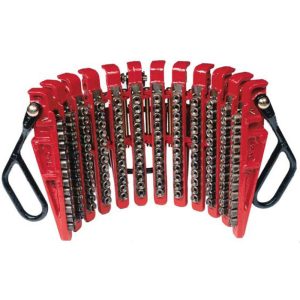
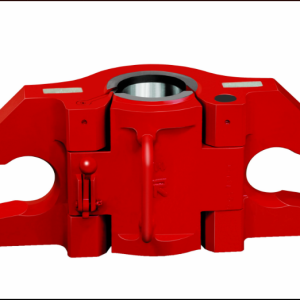
Description
Drill Pipe Elevator for Drilling, Tripping, Rig Floor Handling & Workover
SGPE supplies heavy-duty Drill Pipe Elevators for lifting, supporting and lowering drill pipe during oil and gas drilling, drill-string tripping, stand building, well construction, workover and well-servicing operations.
The range includes CD Type Side-Opening Elevators, DD Type Center Latch Elevators and DDZ Type 18° Taper-Shoulder Elevators. Each series suits different drill pipe sizes, elevator-neck profiles, shoulder geometries, rated loads and rig-floor handling requirements.
For drill-pipe-focused applications, available holding diameters extend from approximately 2 3/8 to 6 5/8 in, while common rated capacities range from 100 to 750 short tons, depending on the selected model. The wider SGPE CD tubular elevator family extends from 80 to 1000 short tons, although the larger CD configurations mainly serve casing, drill collars and other heavy oilfield tubulars.
This equipment may also be described as a drilling elevator, oilfield elevator, drill pipe lifting tool, drill pipe hoisting tool or oil rig elevator. It connects to elevator links or bails and forms part of the drilling rig hoisting system.
Typical applications include land rigs, pad drilling rigs, offshore platforms, jack-up rigs, semi-submersibles, drillships, top-drive rigs, deep wells, directional wells, horizontal wells, extended-reach wells and workover rigs.
For accurate selection and quotation, provide the drill pipe OD, IU/EU/IEU upset, tool-joint or elevator-neck dimensions, shoulder profile, required rated load, elevator-link information and rig application.
Email: info@sgpe.com
Tel / WhatsApp: +86 186-1599-5239
Drill Pipe Elevator Product Overview
| Parameter | Available Range / Description |
|---|---|
| Product | Drill Pipe Elevator |
| Equipment Category | Oilfield Hoisting & Tubular Handling Equipment |
| Main Function | Lifting, supporting and lowering drill pipe |
| Main Series | CD / DD / DDZ / Center Latch |
| Opening Styles | Side opening / center latch |
| Shoulder Types | Flat / square / 18° taper / model-specific |
| Drill-Pipe-Focused Capacity | Approx. 100–750 short tons |
| Wider CD Tubular Family | 80–1000 short tons |
| Holding Diameter Range | Approx. 2 3/8–6 5/8 in, model dependent |
| Drill Pipe Upsets | IU / EU / IEU |
| Top Drive Options | Selected DDZ TD configurations |
| Main Body Material | High-strength alloy steel |
| Hoisting Connection | Elevator links / bails |
| Operating Method | Manual for the CD / DD / DDZ series covered here |
| Standard Reference | API Spec 8C requirements where specified |
| Inspection | Dimensional inspection and applicable NDT according to order requirements |
| Main Applications | Drilling / tripping / stand building / workover / drill-string handling |
| Rig Types | Land / offshore / jack-up / semi-submersible / drillship / workover |
| Replacement Support | Existing CD / DD / DDZ and obsolete elevator requirements |
| Custom Options | Bore, capacity, coating, marking, documentation and export packing |
Final dimensions, bore, unit weight, elevator-ear geometry, shoulder profile and inspection package depend on the selected model and purchase specification.
What Is a Drill Pipe Elevator?
A Drill Pipe Elevator is a load-bearing rig-floor tool used to support drill pipe while the hoisting system raises or lowers the drill string.
The elevator connects to the traveling system through elevator links or bails. During operation, the crew positions it around the specified elevator neck or supporting shoulder and closes the latch. The suspended load then transfers through the designed load-bearing surface.
Typical operating cycles include tripping in, tripping out, drill pipe pickup, stand building, pipe racking, drill-string assembly, BHA changes, bit trips and selected workover operations.
Nominal pipe OD alone is not enough for model selection. The upset type, tool-joint geometry, elevator-neck diameter, shoulder profile, bore, required load and elevator-link compatibility also matter.
Two 5-inch drill pipes, for example, may require different elevators if their upset or shoulder geometries differ. Buyers should therefore provide the actual tubular configuration rather than ordering from nominal size alone.
CD, DD and DDZ Drill Pipe Elevator Types
CD Type Side-Opening Elevator
The CD Type Drill Pipe Elevator uses a side-opening body that allows crews to position the tool around the tubular from the side.
This arrangement suits frequent pipe handling during tripping, stand building, pipe pickup and workover. With the correct bore and supporting profile, the wider CD family can also handle drill collars, tubing and casing.
Because the CD range serves several tubular categories, its complete size range extends beyond standard drill pipe dimensions.
Depending on buyer terminology, the same configuration may appear as a Side Door Drill Pipe Elevator, Side Opening Elevator or Side Latch Drill Pipe Elevator.
DD Type Center Latch Elevator
The DD Type Elevator uses a center-latch arrangement with a square supporting shoulder.
Common DD configurations include 150, 250 and 350 short ton ratings, while the typical drill pipe reference range extends from approximately 2 3/8 to 5 1/2 in.
This series suits conventional drilling, tripping, stand handling and replacement projects where the tubular uses a compatible square-shoulder profile.
DDZ Type 18° Taper-Shoulder Elevator
The DDZ Type Elevator combines a center-latch or split-taper structure with an 18° taper shoulder.
SGPE DDZ configurations cover rated capacities from 100 to 750 short tons and holding diameters from 2 3/8 to 6 5/8 in, depending on model.
The series supports conventional drilling as well as deep-well drilling, heavy drill strings, top-drive operations, directional wells, horizontal wells, extended-reach drilling and offshore projects.
This design may also be specified as an 18 Degree Drill Pipe Elevator, 18° Bottleneck Elevator, Split Taper Elevator or Taper Shoulder Elevator.
CD vs. DD vs. DDZ Comparison
| Feature | CD Type | DD Type | DDZ Type |
|---|---|---|---|
| Main Structure | Side opening | Center latch | Center latch / split taper |
| Supporting Profile | Flat / model-specific | Square shoulder | 18° taper shoulder |
| Typical Use | General drill pipe and tubular handling | Square-shoulder drill pipe | Taper-shoulder drill pipe |
| Capacity Range | 80–1000 tons across wider CD family | 150–350 tons commonly | 100–750 tons |
| Drill Pipe / Holding Range | Model specific | Approx. 2 3/8–5 1/2 in | 2 3/8–6 5/8 in |
| Top Drive Options | Model dependent | Model dependent | DDZ-350TD / DDZ-500TD |
| Typical Rig | Land / offshore / workover | Land / offshore / workover | Land / offshore / deepwater / top drive |
| Main Selection Factor | Bore + pipe profile + capacity | Square shoulder + bore + capacity | 18° taper + holding OD + capacity |
Rated load alone does not confirm compatibility. The latch arrangement, bore and load-bearing shoulder must also match the tubular.
Models, Sizes and Rated Capacities
SGPE CD Type Elevator Models
The following table covers the wider SGPE CD tubular elevator family. Smaller configurations can support drill pipe, while larger units mainly handle casing, drill collars and other heavy tubulars.
| Model | Applicable Tubular OD | Rated Capacity |
|---|---|---|
| CD-80 | 2 3/8–2 7/8 in | 80 short tons |
| CD-150 | 2 3/8–4 in | 150 short tons |
| CD-200 | 2 3/8–14 in | 200 short tons |
| CD-250 | 2 3/8–20 in | 250 short tons |
| CD-350 | 2 3/8–20 in | 350 short tons |
| CD-500 | 4 1/2–20 in | 500 short tons |
| CD-750 | 4 1/2–20 in | 750 short tons |
| CD-1000 | 10 3/4–14 3/8 in | 1000 short tons |
For a CD drill pipe application, SGPE confirms the actual bore, pipe profile and required capacity rather than selecting a model from outside diameter alone.
DD Type Center Latch Elevator Parameters
The following values provide a common industry reference for DD square-shoulder center-latch elevators.
| Model | Drill Pipe Reference | Casing Reference | Tubing Reference | Rated Capacity |
|---|---|---|---|---|
| DD-150 | 2 3/8–5 1/2 in | 4 1/2–5 1/2 in | 2 3/8–4 1/2 in | 150 short tons |
| DD-250 | 2 3/8–5 1/2 in | 4 1/2–5 1/2 in | 2 3/8–4 1/2 in | 250 short tons |
| DD-350 | 2 3/8–5 1/2 in | 4 1/2–5 1/2 in* | 2 3/8–4 1/2 in | 350 short tons |
*Some industry DD-350 configurations use a wider casing reference. Final supply should follow the actual tubular dimensions and approved technical drawing.
SGPE DDZ Type Elevator Parameters
| Model | Holding Pipe Diameter | Maximum Load | Remarks |
|---|---|---|---|
| DDZ-100 | 2 3/8–5 in | 100 short tons | MG |
| DDZ-150 | 2 3/8–5 1/2 in | 150 short tons | RG |
| DDZ-250 | 2 3/8–5 1/2 in | 250 short tons | MGG |
| DDZ-350 | 3 1/2–5 7/8 in | 350 short tons | GG |
| DDZ-350TD | 3 1/2–5 7/8 in | 350 short tons | TD configuration |
| DDZ-500 | 3 1/2–6 5/8 in | 500 short tons | HGG |
| DDZ-500TD | 3 1/2–6 5/8 in | 500 short tons | TD configuration |
| DDZ-750 | 3 1/2–6 5/8 in | 750 short tons | Heavy-duty model |
The DDZ-350TD and DDZ-500TD provide options for top-drive-related drilling when the pipe geometry, elevator links and rig handling arrangement match the selected model.
Top Drive, Square Shoulder and 18° Taper Applications
Top Drive Drill Pipe Elevator
A Top Drive Drill Pipe Elevator must work with the complete hoisting and tubular-handling arrangement rather than only the nominal pipe size.
Selected DDZ TD configurations can support taper-shoulder drill pipe on top-drive rigs. Before confirming a model, SGPE reviews the drill pipe profile, elevator-neck diameter, rated load, elevator links, link-tilt arrangement and operating procedure.
Typical project requirements include DDZ-350TD, DDZ-500TD and compatible Top Drive Center Latch Elevator configurations.
Square Shoulder vs. 18° Taper Shoulder
| Feature | Square Shoulder Elevator | 18° Taper / Bottleneck Elevator |
|---|---|---|
| Typical Family | DD | DDZ |
| Structure | Center latch | Center latch / split taper |
| Supporting Surface | Square / flat | 18° taper |
| Typical Pipe | Compatible square-shoulder drill pipe | Taper-shoulder drill pipe |
| Common Capacity Range | 150–350 tons | 100–750 tons |
| Typical Procurement Term | Square Shoulder Drill Pipe Elevator | 18° Bottleneck / Taper Shoulder Elevator |
The shoulder forms part of the load path. DD and DDZ elevators with the same rated capacity are not automatically interchangeable.
Drill Pipe Size, Upset and Bore Selection
Common requirements include 2 3/8, 2 7/8, 3 1/2, 4, 4 1/2, 5 and 5 1/2 in drill pipe elevators.
| Nominal / Holding Size | Key Selection Factors |
|---|---|
| 2 3/8 in | Upset, elevator neck, shoulder and bore |
| 2 7/8 in | IU/EU profile and tool-joint geometry |
| 3 1/2 in | Bore, shoulder and rated load |
| 4 in | Elevator neck, upset and supporting profile |
| 4 1/2 in | EU / IEU configuration and shoulder |
| 5 in | Pipe profile and required capacity |
| 5 1/2 in | Elevator neck and model family |
| 5 7/8 in holding range | Selected DDZ configurations |
| 6 5/8 in holding range | Selected heavy-duty DDZ configurations |
The 5 7/8 and 6 5/8 in figures describe holding capability on selected DDZ models. They do not mean that every value represents a standard drill pipe body OD.
A 3 1/2 inch, 4 1/2 inch or 5 inch Drill Pipe Elevator may require different bores or shoulder profiles depending on the actual tubular specification.
IU, EU and IEU Drill Pipe Compatibility
Drill pipe upset geometry directly affects selection.
IU, or Internal Upset, changes the internal geometry near the tool joint. EU, or External Upset, increases the external profile near the pipe end. IEU, or Internal-External Upset, changes both internal and external dimensions.
As a result, pipes with the same nominal OD can require different elevator bores or load-bearing shoulders.
For example, a request for a 5 in IEU drill pipe elevator with an 18° shoulder and 350-ton rated load provides far more useful information than a generic request for a 5-inch unit.
SGPE can review IU, EU and IEU applications, including custom bore requirements and specific elevator-neck dimensions.
Key Engineering Features
Heavy-Duty Alloy-Steel Construction
The equipment carries repeated lifting loads during drilling and tripping. SGPE uses high-strength steel for major load-bearing components and applies machining and heat-treatment processes according to the model design.
Precision Load-Bearing Geometry
Critical dimensions include the bore, supporting shoulder, pipe-contact surface, latch interface, hinge and link ears.
Accurate machining helps the tool match the specified tubular profile and supports reliable latch and hinge operation.
Side-Opening, Center-Latch and Taper-Shoulder Designs
The CD, DD and DDZ families allow drilling contractors to match the elevator to the actual drill-string program rather than relying on one generic design.
Available configurations include Side Door Elevators, Square Shoulder Center Latch Elevators, 18° Taper Shoulder Elevators and selected Top Drive DDZ models.
Elevator Link Compatibility
Elevator links or bails connect the unit to the traveling system.
The link dimensions, rated capacity and elevator-ear geometry must suit the selected model. A physical fit alone does not confirm that the complete hoisting system has the required load rating.
Marking and Surface Protection
Project marking can include the model, pipe size, rated capacity, serial identification and customer reference.
Surface-protection requirements can also be reviewed for desert drilling, humid environments, coastal locations, offshore platforms, jack-up rigs and deepwater drilling units.
How the Elevator Works During Tripping
During tripping out of the hole, the hoisting system raises the drill string through the elevator and elevator links. Rig-floor slips then support the string while the crew breaks the connection.
During tripping into the hole, the elevator supports the pipe while the crew makes up the connection and lowers the drill string.
The same tool also supports controlled vertical pipe movement during stand building, pipe pickup and BHA changes.
A typical load path is:
Traveling Equipment → Elevator Links / Bails → Elevator → Elevator Neck / Pipe Shoulder → Drill String
Each component in this load path must match the intended tubular geometry and lifting requirement.
Oil & Gas Drilling Applications
Land, Desert and Pad Drilling
Land rigs use these elevators for pipe pickup, drill-string tripping, stand building, BHA changes and bit trips.
Applications include conventional oil and gas fields, desert drilling, remote well sites and multi-well pad programs. Where a contractor operates several rigs or drill pipe programs, standardized elevator sizes and load classes can simplify equipment planning and replacement.
Offshore, Jack-Up and Deepwater Drilling
Offshore platforms, jack-up rigs, semi-submersibles and drillships require dependable oilfield hoisting equipment and rig-floor tubular handling tools.
The equipment supports tripping, BHA changes, directional sections, horizontal drilling, bit replacement and offshore workover. Heavy-duty configurations can also serve deepwater and ultra-deepwater programs when the pipe profile and suspended load match.
Marine projects may require additional corrosion protection, NDT, product marking, inspection documentation and third-party inspection.
Deep, Ultra-Deep and HPHT Wells
Longer drill strings can increase suspended load in deep drilling programs.
Higher-capacity configurations such as DDZ-350, DDZ-500 and DDZ-750 provide options for heavier drill-string handling when the tubular geometry matches the selected elevator.
HPHT projects may also require additional inspection records, project documentation and quality-control requirements.
Directional, Horizontal and Extended-Reach Drilling
Directional and horizontal wells often require repeated trips for mud motor service, MWD/LWD tools, BHA changes, bit replacement and fishing.
Extended-reach drilling can involve long drill strings and frequent tubular movement. Selection should therefore consider both the pipe profile and the expected hoisting load.
Tripping, Stand Building and Pipe Racking
Tripping remains one of the primary operating duties.
The elevator repeatedly engages, lifts, supports and releases drill pipe while crews run or pull the string. During stand building, it can also support singles, doubles or triples according to the derrick and rig configuration.
Workover and Well Servicing
Selected workover operations use drill pipe or work strings for milling, fishing, well cleanout, plug drilling, cement removal, scale removal, downhole tool running, recompletion and abandonment preparation.
The selected model should match the actual work string rather than only the nominal rig capacity.
How to Select the Correct Drill Pipe Elevator
Correct selection starts with the actual tubular specification.
First, confirm the nominal drill pipe OD and IU, EU or IEU upset. Then identify the tool joint, elevator-neck dimensions and load-bearing shoulder.
Next, determine whether the application requires a CD side-opening design, DD square-shoulder center-latch design or DDZ 18° taper-shoulder design.
The rated capacity must suit the expected suspended load. Common purchasing requirements include 150 Ton, 250 Ton, 350 Ton, 500 Ton and 750 Ton Drill Pipe Elevators.
Finally, confirm the elevator links, rig type and operating environment. Offshore, EPC and drilling-contractor projects should identify NDT, documentation, marking and third-party inspection requirements before production.
Quick Selection Guide
| Requirement | Elevator Family to Review |
|---|---|
| Side-opening drill pipe handling | CD |
| Square-shoulder center latch | DD |
| 18° taper / bottleneck pipe | DDZ |
| 100-ton taper application | DDZ-100 |
| 150-ton taper application | DDZ-150 |
| 250-ton taper application | DDZ-250 |
| 350-ton deep-well handling | DDZ-350 |
| 350-ton Top Drive handling | DDZ-350TD |
| 500-ton heavy drill-string handling | DDZ-500 |
| 500-ton Top Drive handling | DDZ-500TD |
| Very high-load taper application | DDZ-750 |
| Existing DD replacement | Confirm shoulder, bore and load |
| Existing DDZ replacement | Confirm 18° profile, holding OD and load |
| Existing CD replacement | Confirm bore, tubular type and load |
| Unknown existing elevator | Confirm latch, shoulder, markings and dimensions |
This guide provides an initial reference only. Final model confirmation should follow the actual drill pipe and rig specification.
Drill Pipe Elevator vs. Other Oilfield Elevators
| Equipment | Main Tubular | Main Application |
|---|---|---|
| Drill Pipe Elevator | Drill pipe | Drilling, tripping, stand building and workover |
| Drill Collar Elevator | Drill collar | Drill collar and BHA handling |
| Casing Elevator | Casing | Casing running and well construction |
| Tubing Elevator | Production tubing | Completion, workover and well servicing |
| Single Joint Elevator | Single tubular joint | Individual joint handling |
| Slip Type Elevator | Compatible tubulars | Slip-grip lifting applications |
These tools belong to the wider oilfield elevator and tubular handling equipment category, but they use different load-bearing or gripping principles. Each tool should match the tubular and operating procedure.
Technical Parameters for Procurement
| Technical Item | Requirement / Available Configuration |
|---|---|
| Product Family | Drill Pipe Elevator |
| Main Series | CD / DD / DDZ / Center Latch |
| Opening Style | Side opening / center latch |
| Supporting Profile | Flat / square / 18° taper / model specific |
| Drill-Pipe-Focused Holding Range | Approx. 2 3/8–6 5/8 in |
| CD Family Capacity | 80–1000 short tons across complete tubular family |
| DD Common Ratings | 150 / 250 / 350 short tons |
| DDZ Ratings | 100 / 150 / 250 / 350 / 500 / 750 short tons |
| DDZ Models | DDZ-100 / 150 / 250 / 350 / 350TD / 500 / 500TD / 750 |
| Top Drive Options | Selected TD models |
| Upset Compatibility | IU / EU / IEU / model specific |
| Elevator Bore | Model specific |
| Elevator-Neck OD | According to drill pipe specification |
| Shoulder Type | Flat / square / 18° taper |
| Main Material | High-strength alloy steel |
| Hoisting Connection | Elevator links / bails |
| Operating Method | Manual for the product families covered here |
| Heat Treatment | According to material and design |
| Dimensional Inspection | According to drawing and order requirements |
| NDT | According to purchase specification |
| Offshore Protection | According to project specification |
| Marking | Model / size / rated capacity / project identification |
| Standard Reference | API Spec 8C requirements where specified |
| PSL | According to project specification |
| Material Records | According to order requirements |
| Inspection Records | According to order requirements |
| Third-Party Inspection | According to project requirement |
| Replacement Support | CD / DD / DDZ / unknown existing models |
| Spare Parts | Model-specific latch, hinge, pins and retaining parts |
| Export Packing | Suitable for international shipment |
| Custom Bore | Subject to technical review |
API Spec 8C, Manufacturing and Inspection
Drill pipe elevators fall within the wider category of drilling and production hoisting equipment covered by API Spec 8C.
Project specifications can define the applicable Product Specification Level, inspection, testing, marking and technical documentation. Buyers should not assume that every configuration carries the same certification or document package.
For projects seeking an API 8C Drill Pipe Elevator, the RFQ should identify the required API Spec 8C scope, PSL, NDT, inspection and documentation requirements rather than relying on the product name alone.
These tools carry repeated lifting loads, so material quality and dimensional control are critical.
A typical production route can include material preparation, precision machining, heat treatment, dimensional inspection, applicable NDT, assembly, final inspection, marking and export packing.
Major load-bearing components use high-strength steel according to the product design. Machining controls the bore, supporting shoulder, latch interfaces, hinge locations and link ears, while heat treatment supports the required mechanical properties.
For project-based orders, customers can also specify material records, inspection reports, third-party inspection and project-specific marking.
Inspection and Maintenance
Rig crews should inspect the elevator according to the drilling contractor’s approved lifting-equipment procedures.
Inspection should cover the body, bore, supporting shoulder, link ears, latch, hinge, pins, retaining parts, locking components and identification markings.
The latch should operate freely and close correctly. Approved moving components should remain clean and receive lubrication according to the applicable maintenance procedure.
Drilling mud, sand, corrosion, impact damage and excessive wear can affect normal operation. If crews identify cracks, abnormal deformation, severe wear or unreliable latch engagement, they should remove the equipment from service and follow the required inspection procedure.
Replacement Drill Pipe Elevators and Spare Parts
SGPE supports replacement Drill Pipe Elevator requirements for land rigs, offshore drilling units and workover fleets.
Replacement projects can involve CD, DD, DDZ, Center Latch, Side Door, 18° Bottleneck or obsolete elevator models.
For faster identification, provide the existing manufacturer, model, rated-capacity marking, pipe-size marking, latch style, shoulder type, drill pipe size, upset configuration, elevator-neck dimensions and elevator-link information.
Clear photographs of the complete tool, nameplate and critical interfaces can also help with technical identification.
If the original model is obsolete, SGPE can review the actual tubular geometry and lifting requirement rather than relying only on an old part number.
Model-specific Drill Pipe Elevator spare parts can also be reviewed, including latch components, hinge parts, pins, retaining parts and locking components.
Complete Rig Floor Tubular Handling Equipment
The elevator works together with other rig-floor handling tools.
A complete package can include Elevator Links, Drill Pipe Slips, Rotary Slips, Drill Collar Slips, Safety Clamps, Drill Collar Elevators, Casing Elevators, Tubing Elevators, Manual Tongs, Power Tongs, Iron Roughnecks and other tubular-handling equipment.
This allows drilling contractors, rig manufacturers, EPC contractors and oilfield service companies to coordinate equipment for drill pipe, drill collars, casing and production tubing within one procurement program.
Why Choose SGPE as Your Drill Pipe Elevator Supplier?
SGPE supplies oilfield elevators, drilling rig hoisting equipment and tubular-handling tools for drilling, workover and well-service projects.
The range covers CD Side-Opening Elevators, DD Square-Shoulder Center Latch Elevators, DDZ 18° Taper-Shoulder Elevators, Split Taper Elevators, Bottleneck Elevators and selected Top Drive DDZ configurations.
SGPE can support new equipment as well as replacement elevators, custom bore requirements, offshore projects, NDT documentation, third-party inspection, spare parts and export packing.
The company serves drilling contractors, offshore drilling companies, workover contractors, oilfield service companies, rig manufacturers, EPC contractors, petroleum equipment distributors and international procurement teams.
For buyers comparing Drill Pipe Elevator suppliers or manufacturers, complete tubular and rig information helps SGPE confirm a suitable configuration and prepare an accurate commercial quotation.
Frequently Asked Questions About Drill Pipe Elevators
1. What is a Drill Pipe Elevator used for?
A Drill Pipe Elevator is a load-bearing rig-floor tool used to lift, support and lower drill pipe during oil and gas drilling operations. It connects to elevator links or bails and forms part of the rig hoisting system. Typical applications include tripping in and out of the hole, drill pipe pickup, stand building, pipe racking, drill-string assembly, BHA changes and bit trips.
Depending on the selected model and tubular profile, these elevators can be used on land drilling rigs, offshore platforms, jack-up rigs, semi-submersibles, drillships, top-drive rigs and selected workover rigs.
2. What are the main types of Drill Pipe Elevators?
The main types covered by SGPE include CD Type Side-Opening Elevators, DD Type Center Latch Elevators and DDZ Type 18° Taper-Shoulder Elevators.
A CD elevator opens from the side and can support different tubular-handling applications when the correct bore and supporting profile are selected. DD elevators commonly use a center latch with a square supporting shoulder, while DDZ elevators use a center-latch or split-taper design with an 18° taper shoulder.
The correct type depends on the drill pipe geometry, elevator-neck profile, shoulder design, required load and rig handling arrangement.
3. What is the difference between a Side Door and Center Latch Drill Pipe Elevator?
A Side Door Drill Pipe Elevator, such as a compatible CD configuration, opens from the side so the crew can position it around the tubular. This arrangement is commonly used during drilling, tripping, stand building and workover operations.
A Center Latch Drill Pipe Elevator closes through a centrally positioned latch arrangement. DD and DDZ elevators are common center-latch families, although their supporting profiles differ. DD models commonly use a square shoulder, while DDZ models use an 18° taper shoulder.
For this reason, opening style alone is not enough for selection. The bore, shoulder profile, drill pipe dimensions and rated capacity must also match.
4. What Drill Pipe Elevator sizes are available?
Common drill pipe requirements include 2 3/8, 2 7/8, 3 1/2, 4, 4 1/2, 5 and 5 1/2 in sizes. Selected DDZ configurations provide holding ranges up to 5 7/8 or 6 5/8 in, depending on model.
However, nominal drill pipe OD should not be used as the only selection factor. A 3 1/2 inch, 4 1/2 inch or 5 inch Drill Pipe Elevator may require a different bore or supporting profile depending on the IU, EU or IEU upset, tool-joint geometry and elevator-neck dimensions.
SGPE therefore reviews the actual tubular specification before confirming the appropriate elevator.
5. What rated capacities are available for Drill Pipe Elevators?
Available capacities depend on the elevator family and model. Common DD configurations include 150, 250 and 350 short ton ratings, while SGPE DDZ models cover 100, 150, 250, 350, 500 and 750 short tons.
The wider CD tubular elevator family extends from approximately 80 to 1000 short tons, although the larger CD configurations mainly serve casing, drill collars and other heavy tubulars rather than standard drill pipe.
For drilling and workover applications, the selected rated capacity should suit the expected suspended load as well as the pipe profile, elevator links and complete rig hoisting arrangement.
6. What is an 18° Bottleneck Drill Pipe Elevator?
An 18° Bottleneck Drill Pipe Elevator, also called an 18° Taper Shoulder Elevator or Split Taper Elevator, uses a tapered supporting surface that matches compatible elevator-neck geometry on the drill pipe.
SGPE DDZ elevators represent this type of configuration and include models from 100 to 750 short tons, depending on size and load requirement. These elevators can be used for conventional drilling as well as deep wells, heavy drill strings, directional drilling, horizontal drilling, extended-reach wells and selected offshore operations.
The 18° shoulder is part of the load path, so the actual pipe geometry must match the selected elevator.
7. Which Drill Pipe Elevator models can work with a Top Drive?
Selected DDZ configurations, including DDZ-350TD and DDZ-500TD, provide options for top-drive-related drilling applications.
However, selecting a Top Drive Drill Pipe Elevator requires more than matching the nominal pipe size. SGPE reviews the drill pipe profile, elevator-neck diameter, required rated load, elevator-link dimensions, link-tilt arrangement and rig operating procedure before confirming compatibility.
These configurations can be considered for land and offshore top-drive rigs, deep wells, directional drilling and horizontal drilling where the tubular profile and complete handling system match the selected elevator.
8. Why are IU, EU and IEU important when selecting a Drill Pipe Elevator?
IU, EU and IEU describe different drill pipe upset configurations. IU means Internal Upset, EU means External Upset, and IEU means Internal-External Upset.
These differences can change the external geometry near the tool joint and elevator neck. As a result, two drill pipes with the same nominal OD may require different elevator bores or supporting shoulders.
For example, a 5 in IEU drill pipe with an 18° shoulder may require a different elevator configuration from another 5 in pipe with a different upset or shoulder profile. Accurate selection should therefore consider the upset, tool-joint geometry, elevator-neck dimensions and required rated load together.
9. Can Drill Pipe Elevators be used on offshore and deepwater drilling rigs?
Yes. Suitable configurations can be used on offshore platforms, jack-up rigs, semi-submersibles and drillships when the elevator matches the drill pipe geometry, suspended load, elevator links and rig handling arrangement.
Offshore and deepwater drilling can involve long drill strings, frequent tripping, BHA changes, directional sections and horizontal well programs. Higher-capacity DDZ configurations can provide options for these applications when the tubular profile matches.
Marine and EPC projects may also specify additional requirements for corrosion protection, NDT, product marking, inspection documentation and third-party inspection as part of the purchase specification.
10. Can SGPE supply replacement Drill Pipe Elevators and spare parts?
Yes. SGPE can review replacement requirements for CD, DD, DDZ, Center Latch, Side Door, 18° Bottleneck and other existing elevator configurations used on drilling and workover rigs.
For replacement projects, it is helpful to provide the existing manufacturer, model, rated-capacity marking, pipe-size marking, latch style, shoulder type, drill pipe dimensions and elevator-link information. Clear photographs of the complete elevator, nameplate and critical interfaces can also support technical identification.
If the original model is obsolete, SGPE can review the actual tubular geometry and lifting requirement. Model-specific latch parts, hinge components, pins, retaining parts and locking components can also be reviewed.
11. What API Spec 8C and inspection requirements can be specified for a Drill Pipe Elevator?
Drill pipe elevators fall within the wider category of drilling and production hoisting equipment covered by API Spec 8C. Project requirements can specify the applicable API Spec 8C scope together with Product Specification Level, inspection, testing, marking and documentation requirements.
Depending on the purchase specification, customers can request dimensional inspection, applicable NDT, material records, inspection reports, product identification and third-party inspection.
Because documentation requirements can vary by project and selected configuration, buyers should identify the required API Spec 8C reference, PSL, NDT scope and inspection package during the technical review rather than assuming that every elevator carries the same certification or documentation.
12. What information should I provide for a Drill Pipe Elevator quotation?
For accurate model selection and pricing, provide the required CD, DD or DDZ series, or the existing elevator model, together with the drill pipe OD, IU/EU/IEU upset, tool-joint or elevator-neck dimensions, shoulder type or angle, required rated capacity and elevator-link information.
The rig type and operating application are also important because requirements can differ between land rigs, offshore platforms, jack-up rigs, top-drive rigs, deep-well drilling and workover operations.
For project-based orders, include the quantity, delivery destination and any requirements for API Spec 8C, PSL, NDT, third-party inspection, project documentation, corrosion protection or export packing. SGPE can then review the technical information and provide the appropriate elevator configuration and quotation.
Request an API 8C Drill Pipe Elevator Quote from SGPE
SGPE supplies CD, DD and DDZ Drill Pipe Elevators, including Side Door, Center Latch, Square Shoulder, 18° Bottleneck, Split Taper, Top Drive and replacement elevator configurations for oil and gas drilling applications.
For accurate model selection and pricing, please provide the required series or existing model, drill pipe OD, IU/EU/IEU upset, tool-joint or elevator-neck dimensions, shoulder type or angle, rated capacity and elevator-link information. It is also helpful to include the rig type, operating application, quantity and delivery destination.
For offshore, EPC and project-based requirements, specify any applicable API Spec 8C, PSL, NDT, third-party inspection, technical documentation, project marking, corrosion protection or export packing requirements.
Email: info@sgpe.com
Tel / WhatsApp: +86 186-1599-5239